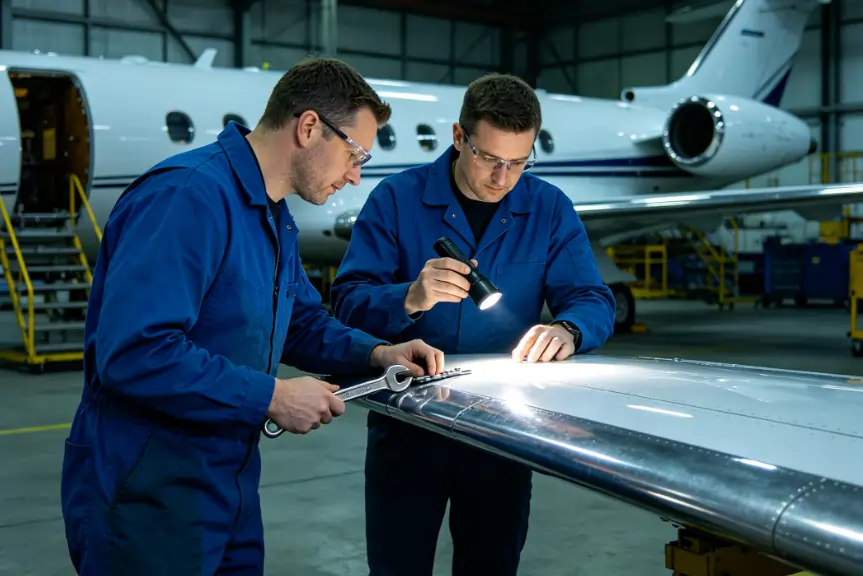
Aviation maintenance has many common mistakes. These mistakes can hurt safety and reliability. The most common errors are electrical wiring problems, loose objects left inside, wrong parts put in, using the wrong parts, not enough lubrication, panels not secured, and fuel or oil cap problems. These mistakes often happen because people do not know enough or feel rushed. This can cause accidents and make things more dangerous. Recent numbers show maintenance mistakes started the accident chain in 26% of aviation accidents. The main causes were incomplete or wrong installations.
Aviation maintenance teams must stay alert. They need to fix lack of awareness to lower risks and keep everyone safe.
| Factor Contributing to Maintenance Errors | Impact on Aviation Safety |
|---|---|
| Incorrect Installations | Leading cause of accidents |
| Incomplete Installations | Significant risk factor |
| Time Pressure | Major contributor |
| Lack of Technical Knowledge | Increases error likelihood |
| Inadequate Training | Directly affects safety |
| Communication Issues | Contributes to errors |
Key Takeaways
- Aviation maintenance errors can cause big safety problems. Knowing about common mistakes helps stop accidents from happening.
- Electrical wiring problems happen a lot and can make systems fail. Regular checks are needed to keep things safe.
- Loose objects left inside the plane can mess up how it works. Technicians should always look for forgotten items after they finish maintenance.
- Putting in the wrong parts is a big reason for maintenance mistakes. It is important to follow the manufacturer’s instructions every time.
- Using the wrong parts can make systems break down. Always check part numbers before putting parts in to make sure they fit.
- Not enough lubrication can make machines stop working right. Technicians need to follow the lubrication schedule to keep planes working well.
- Panels and fairings that are not secured can be dangerous. It is important to check all fasteners after maintenance is done.
- Good communication and teamwork help lower maintenance mistakes. Training often and sharing clear messages help keep everyone safe.
Common Maintenance Errors
Electrical Wiring Discrepancies
Electrical wiring mistakes happen a lot in aviation maintenance. Sometimes, technicians put wires in the wrong place. They might connect wires that should not touch. Sometimes, they do not fasten cables tightly. These mistakes can make electrical systems fail. They can also cause systems to stop working or even start fires. The F2799 standard says wiring must be checked carefully. This keeps planes safe and working well. Regular checks, like flipping circuit breakers, help find stuck breakers. This stops problems before they happen. Wiring problems are hard to spot until something goes wrong. They can cause accidents or mess with flight controls. Maintenance teams must follow rules to keep these risks low.
Handling electrical wiring the right way keeps everyone safe and stops accidents.
Loose Objects Left Onboard
Leaving loose things inside a plane is very dangerous. If tools, rags, or parts are forgotten, they can move around. These things can break important systems. Reports show this mistake happens a lot. It has caused many problems during maintenance. If objects stay inside, they can jam controls. They might block vents or even make engines stop working. About 20% of engine shutdowns in the air are from mistakes like this. Technicians need to look for anything left behind after every job. This helps stop common mistakes in aircraft maintenance.
| Maintenance Error | Frequency of Occurrence |
|---|---|
| Loose objects left in aircraft | Medium |
| Electrical wiring discrepancies | Medium |
| Incorrect installation of components | High |
Incorrect Component Installation
Putting parts in the wrong way is a big problem in aviation maintenance. Sometimes, technicians do not put parts together right. They might tighten bolts the wrong way. Shafts can get lined up wrong. These mistakes make up 57% of all maintenance errors. They are a big reason for accidents caused by maintenance. If shafts are not lined up or fuel units are put together wrong, accidents can happen. Maintenance teams must read the instructions from the maker. They should check their work twice to stop these mistakes. If parts are not put in right, it can be unsafe. It can also cost a lot to fix or delay flights.
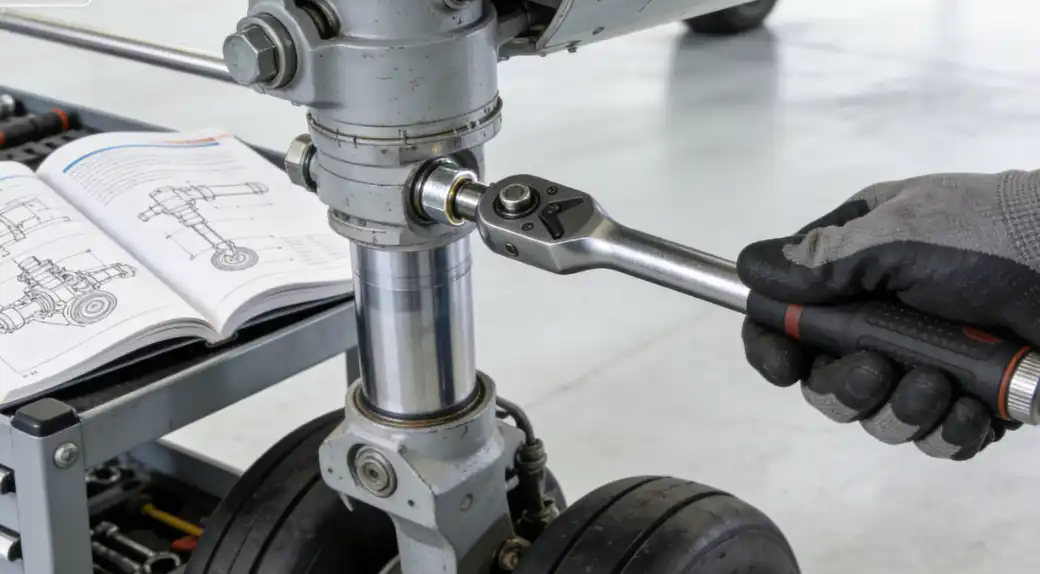
Figure 2: Following manufacturer instructions and double-checking work prevents incorrect installations.
Maintenance workers must always pay attention to stop wrong installations and keep everyone safe.
Wrong Parts Fitted
Wrong parts fitted during aviation maintenance can be very risky. This happens when a technician puts in a part that does not match what is needed. Sometimes, the part looks almost the same but works differently. This mistake can make systems stop working or cause accidents in flight.
Aviation maintenance teams find wrong parts fitted in about 8% of all errors. The table below shows how often this error happens compared to others:
| Error Type | Percentage |
|---|---|
| Omissions | 56% |
| Incorrect Installation | 30% |
| Wrong Parts | 8% |
| Other | 8% |
If the wrong part is put in, the aircraft may not work right. For example, a hydraulic pump with the wrong pressure rating can cause loss of control. If maintenance does not include checking part numbers, the risk goes up. Aviation safety depends on using the correct parts every time. Wrong parts can also cost a lot to fix and delay flights. Maintenance teams must always check part numbers and follow strict steps to stop this error.
Using the right part every time keeps aviation safe and reliable.
Inadequate Lubrication
Inadequate lubrication is a common mistake in aircraft maintenance. Lubrication helps moving parts slide easily. If maintenance skips proper lubrication, parts can wear out fast. This can make landing gear stick, flight controls jam, or engines overheat.
Maintenance teams must follow the manufacturer’s rules for lubrication schedules. Missing this step can cause expensive breakdowns and safety problems. In aviation, even a little missed lubrication can cause big trouble. Mechanics use special lubricants for different systems. If they use the wrong kind or not enough, the risk of failure gets higher.
Aviation needs all parts to work smoothly. Proper lubrication keeps aircraft safe, lowers repair costs, and stops delays.
Unsecured Panels And Fairings
Unsecured panels and fairings are a hidden danger in aviation maintenance. These parts cover important systems and keep them safe from harm. If a panel or fairing is not fastened right, it can come loose during flight. This can damage the aircraft or fall off, making things dangerous for people and property below.
Maintenance teams must check every panel and fairing after each job. They use checklists to make sure all fasteners are tight. If a panel is left loose, it can cause loss of pressurization, fuel leaks, or electrical failures. These problems can force emergency landings or keep the aircraft on the ground for repairs.
Securing every panel and fairing is a simple step that protects everyone in aviation.
Fuel And Oil Cap Issues
Fuel and oil cap issues are often missed in aviation maintenance. These problems happen when technicians do not secure caps well. Sometimes, they forget to put caps back after working. If a cap is missing or loose, leaks can happen. Contamination or engine failure may also occur. Aviation needs every system to work right. Even a small cap mistake can cause big trouble.
Technicians must check every cap after each job. They need to make sure caps fit tight and lock in place. If a cap does not seal, fuel or oil can leak during flight. This can cause fire risks or engine power loss. Sometimes, rainwater or dirt gets in through an open cap. This can damage engines or fuel systems.
Safety reports show fuel and oil cap issues cause emergency landings and delays. The table below shows common problems and their impacts:
| Issue Type | Possible Impact |
|---|---|
| Missing fuel cap | Fuel leak, fire risk |
| Loose oil cap | Oil loss, engine damage |
| Damaged cap seal | Contamination, system failure |
Maintenance teams must always check caps before letting a plane fly. This easy step stops accidents and keeps flights safe.
Cap mistakes often happen because technicians feel rushed or distracted. They may skip steps or miss a cap during checks. These errors can cost airlines money and put lives in danger. Experts say checklists and visual checks help catch these mistakes before flight.
Aviation needs careful work. Fuel and oil cap issues show how small mistakes can cause big problems. Every technician helps keep planes safe by making sure all caps are secure.
Human Error Factors In Aircraft Maintenance
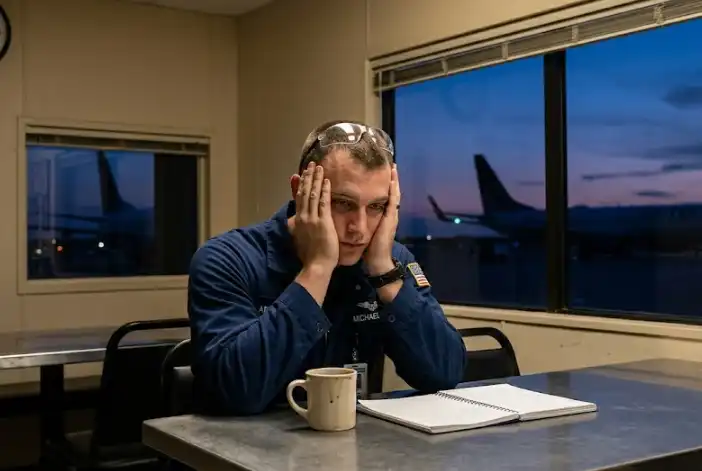
Figure 3: Fatigue and stress are significant human factors that lead to maintenance errors.
The Dirty Dozen Overview
The aviation industry calls the dirty dozen the twelve main human mistakes in maintenance. These mistakes are lack of communication, complacency, lack of knowledge, distraction, lack of teamwork, fatigue, lack of resources, pressure, lack of assertiveness, stress, lack of awareness, and norms. Maintenance teams use this list to spot dangers and make things safer.
If we let these twelve mistakes happen, accidents will be more likely and worse, Gessler said.
Complacency is a big danger. Technicians get used to doing the same jobs. This can make them forget about risks. Complacency grows when jobs feel easy or safe. The dirty dozen helps teams stay careful and avoid these problems.
Common Human Error Factors
Aviation maintenance mistakes often start with human errors. These include lack of communication, complacency, lack of knowledge, distraction, lack of teamwork, fatigue, lack of resources, pressure, lack of assertiveness, stress, lack of awareness, and norms. Technicians deal with these risks every day.
- Lack of communication can cause missed steps or wrong choices.
- Complacency can make technicians skip checks or ignore warnings.
- Lack of knowledge makes it hard to find problems or follow rules.
- Fatigue and distraction make it harder to focus and cause mistakes.
- Lack of awareness means missing signs of trouble.
Studies show human errors are a big part of aviation maintenance mistakes. The International Air Transport Association found that maintenance mistakes started accidents in about 26% of cases. Maintenance errors, which are often hidden, cause 20% to 30% of engine and equipment shutdowns during flight. These numbers show human mistakes have a strong effect on aviation safety。
Fatigue And Distraction
Fatigue affects technicians in many ways. It makes it hard to focus, weakens memory, and slows decisions. Fatigue makes it easy to forget steps or miss details. When people get tired, distraction happens more often. Distraction takes attention away from important jobs. This can cause mistakes and loss of awareness.
Fatigue and distraction often happen together. Tired technicians may not notice changes or warnings. They may skip steps or make bad choices. Distractions like noise or interruptions break focus. This makes it easier to miss important steps in maintenance.
Aviation safety needs technicians to be alert and focused. The dirty dozen shows fatigue and distraction are big risks. Maintenance teams must look for signs of tiredness and control distractions. This helps keep aviation safe and reliable.
Communication Breakdowns
Communication breakdowns can cause big problems in aviation maintenance. If team members do not share information well, mistakes happen. These mistakes can make things unsafe for planes and people. Communication breakdowns can happen during shift changes or when giving instructions. They can also happen when reporting issues.
Aviation maintenance teams need clear messages to stay safe. If a technician does not explain a problem well, the next person may miss something important. Sometimes, people use confusing words or forget key details. This can lead to missed checks, wrong repairs, or unfinished work。
Communication failures are not just on the ground. They also affect pilots and air traffic controllers. Here are some ways communication breakdowns have caused accidents:
- Pilots and controllers sometimes do not share important flight information.
- Some controllers have trouble with English, which makes them nervous.
- This nervousness can stop them from giving or getting key instructions, which can be dangerous.
- In one case, these failures caused a collision.
Maintenance teams face more risks when they are tired. Fatigue makes it hard to listen, remember, and speak clearly. Tired technicians may forget to pass on important messages. They might not hear warnings or may misunderstand instructions. Fatigue also makes distraction more likely, which makes communication worse.
Lack of communication can also happen when teams work fast. When people rush, they may skip briefings or leave out details. This can cause confusion and lead to mistakes. Fatigue makes it harder to focus and understand information。
To stop communication breakdowns, aviation teams use checklists, repeat-back methods, and clear notes. These tools help everyone understand each other. Teams also have meetings to review tasks and share updates. Good communication keeps maintenance safe and reliable。
Clear communication is an easy way to stop mistakes and protect lives in aviation.
Documentation Errors In Maintenance
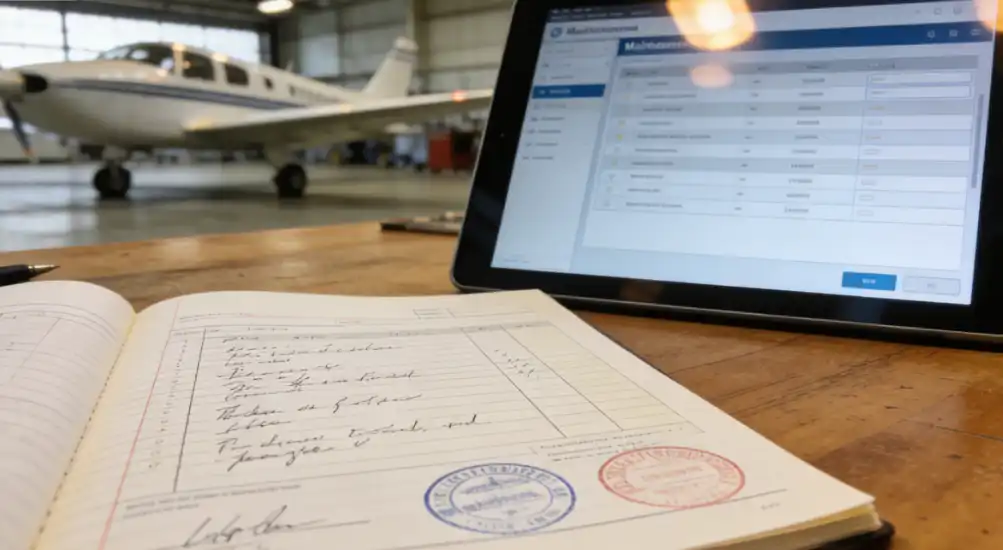
Figure 4: Accurate and complete documentation is essential for compliance and safety.
Documentation errors in aviation maintenance are a big problem. These mistakes can make safety and rules harder to follow. Errors can be missing papers or putting documents in the wrong place. Knowing what these mistakes are helps teams avoid safety risks.
Incomplete Or Incorrect Records
Incomplete or incorrect records happen often in aviation maintenance. Sometimes, records do not show all repairs or inspections. If technicians skip steps or forget to write things down, the next team may not know what was done. This can cause jobs to be repeated or missed.
Common types of documentation errors include:
| Type of Error | Description |
|---|---|
| Omissions | Missing needed papers or steps in maintenance. |
| Incorrect Assembly Sequences | Doing steps in the wrong order, which can cause safety issues. |
| Procedural Defects | Problems in maintenance steps that can lead to mistakes. |
| Incorrect Installation of Components | Putting parts in wrong, which can make planes unsafe. |
| Fitting Wrong Parts | Using parts that do not fit or meet rules. |
| Electrical Wiring Discrepancies | Wiring mistakes that can cause electrical problems. |
| Loose Objects Left in the Aircraft | Forgetting to remove tools or materials that can cause trouble. |
| Inadequate Lubrication | Not lubricating parts enough, which can cause wear or failure. |
| Unsecured Fuel Caps and Refuel Panels | Not closing fuel caps, which can cause leaks. |
| Unsecured Cowlings and Access Panels | Leaving panels open, which can hurt how planes fly and stay safe. |
Not keeping good maintenance records can cause safety problems and cost money. Missing important work makes risks go up. This can lead to expensive repairs and delays. Improper or incomplete assembly or installation of parts causes 57% of maintenance mistakes. Not doing needed checks and maintenance causes 35% of errors. These mistakes can make planes unsafe.
Misfiled Or Lost Documentation
Misfiled or lost documents are a common issue in aviation maintenance. Paper logs can cause missing records during checks or equipment problems. These gaps can break rules and cause fines. Fines can be from $1,270 to more than $16,066。
Misfiled or lost documents can cause rule violations, slow work, and safety risks. Searching for missing papers can delay flights and keep planes on the ground. Messy records make audits harder and can lead to big fines. In 2025, 93% of carriers checked had at least one violation, often because of missing or messy records. Breaking rules can cost from $13,066 to $97,500 for each mistake, depending on how bad it is。
Compliance And Safety Risks
Documentation mistakes in aviation maintenance can cause rule and safety problems. Bad or missing records can lead to maintenance mistakes, which are big safety risks. Common reasons for these mistakes are time pressure, not enough knowledge, poor training, and communication problems. Studies show wrong and incomplete installations are common and can cause big failures。
Good documentation keeps planes safe and follows rules. Every record is important for safe flights.
Technicians who know why documentation matters help stop mistakes and keep everyone safe in aviation.
Technical And Process Failures
Technical failures happen when teams use wrong tools or manuals. Sometimes, they follow old steps or do not work the same way. These mistakes can cause safety problems and delays. Knowing about these failures helps teams fix issues and keep planes safe.
Use Of Wrong Tools Or Manuals
Using wrong tools or manuals is a common mistake. If technicians use the wrong equipment or papers, errors can happen. Some usual problems are:
- Incorrect installation of components
- Fitting of wrong parts
- Electrical wiring discrepancies, like cross-connections
- Loose objects, such as tools, left in the aircraft
- Inadequate lubrication
- Cowling, access panels, and fairings not secured
- Landing gear ground lock pins not removed before departure
These mistakes can make equipment break or flights late. Sometimes, accidents happen. It is important to follow tech data for every job. Teams must check they use the right manuals and tools.
Tip: Always check manuals and tool lists before starting work. This helps stop many technical failures in aviation.
Outdated Procedures
Old procedures cause technical failures in aviation. If teams use old ways or skip updates, they miss safety steps. Not doing maintenance can lead to surprise repairs and flight delays. This costs money and makes things less safe.
Old procedures can also hurt technicians in other ways:
- Fatigue and sleepiness from odd hours can make work harder.
- Stress from personal or work issues can distract technicians and cause mistakes.
- Medical problems from strange schedules can lower performance.
Some of the worst results from old procedures are:
- Engine failure during flight
- Control surface malfunction
- Fuel system contamination
Incomplete records and missing papers can slow audits and delay flights. Teams must keep procedures up to date to avoid these problems.
Lack Of Standardization
Not having standard steps causes more technical failures in aviation. If teams do not follow the same process, mistakes happen more often. Some reasons are:
- Time pressure, which often leads to incorrect installations
- Lack of technical knowledge, skills, or qualifications, causing both incorrect and incomplete installations
- Inadequate training, which is a major reason for maintenance errors
Standard steps help teams avoid mistakes and give every plane the same care. When everyone follows the same process, technical failures in aviation go down.
Note: Standardization helps keep things safe, lowers confusion, and lets teams find mistakes before they get worse.
Preventing Maintenance Errors
Technology Solutions
Aviation uses new technology to stop maintenance mistakes. Augmented reality (AR) tools let technicians see 3D pictures of aircraft parts. These tools put digital info on real parts. This helps workers notice small details. AR gives instant access to manuals and diagrams. This makes jobs faster and more correct. Maintenance teams use AR to check their work and avoid errors. This technology helps teams work better and lowers accidents. Maintenance software lets teams share updates and track repairs. These tools help stop problems and keep safety first.
- AR training shows 3D views for better learning.
- Digital guides help technicians do tasks the right way.
- Instant manuals and diagrams make maintenance faster.
Training And The Dirty Dozen
Aviation training teaches about the dirty dozen. These are twelve common human mistakes, like complacency and not paying attention. Training helps workers see these risks and learn how to avoid them. Teams learn to spot signs of complacency and stay alert. Dirty dozen training also teaches teamwork, talking clearly, and staying watchful. It gives ways to lower mistakes and make things safer. Ongoing lessons remind workers why teamwork and awareness matter.
- Training warns about the dangers of complacency.
- Lessons show how to spot and handle human mistakes.
- Programs teach why teamwork and good communication are important.
Communication And Teamwork
Aviation maintenance teams need good communication and teamwork. Working together helps teams notice problems and avoid mistakes. Training sessions teach teams to share information and act fast. These lessons show how to talk clearly and fix issues quickly. Good communication stops missed or repeated jobs and helps follow rules. Maintenance software with chat tools keeps teams connected. When teams work together, they lower the chance of accidents and keep aviation safe.
- Situation awareness training helps technicians do better.
- Clear talking stops delays and rule problems.
- Teamwork makes sure every job gets done right.
Note: Teams that talk well and work together build a safe place and make fewer mistakes in aviation.
Regulatory And Industry Initiatives
Aviation regulators and leaders use many ways to stop maintenance mistakes. These ways set clear rules and make safer places for workers. They focus on what works best to stop errors and keep planes safe。
One big step is better training programs. These programs teach workers how to find mistakes and handle stress. They help workers stay sharp and make good choices when things get busy. Training also shows how to use new tools and follow safety steps。
Another important way is making work areas fit people better. This means changing workspaces so tools and parts are easy to reach. It helps workers stay comfortable and focused during long hours. Good design lowers the chance of mistakes。
Having the same steps for every job is very important. These steps give clear directions for each task. They take away guessing and make sure everyone does things the same way. This helps teams avoid confusion and not miss any steps。
Automation is also used in aviation. Machines do simple checks and jobs for workers. This helps workers think less about small tasks and do their jobs better. But workers need special training so they do not trust machines too much。
A strong safety culture helps all these plans work. Leaders tell everyone to follow rules and speak up about problems. They reward safe actions and make safety the most important thing. A good safety culture helps teams find risks early and fix them fast。
The table below shows what ways regulators and groups use to stop maintenance mistakes:
| Strategy | Description |
|---|---|
| Enhanced Training Programs | Teach how to spot and fix mistakes, even when busy. |
| Ergonomic Workplace Design | Make work areas fit people to lower mistakes, especially when stressed. |
| Standardized Procedures | Give simple steps for jobs, so everyone does them the same way. |
| Automation | Machines help with tasks, but workers need training to use them right. |
| Safety Culture | Leaders make sure everyone follows rules and looks for risks. |
Note: These plans work best when everyone uses them every day. Using these ways all the time keeps maintenance safe and reliable.
Groups like the FAA and EASA check that airlines use these ways. They change rules when new tools or ideas come out. Industry groups share good tips and help teams learn from old mistakes. All these efforts make flying safer for everyone。
Aviation maintenance mistakes can be wiring problems, loose things left inside, using the wrong parts, or not keeping good records. These mistakes can cause accidents and make flights late, which costs a lot of money. Teams can make things safer by always using the same steps, sharing information openly, and trusting good facts. Training all the time, keeping better records, and having a strong safety culture help lower risks. Everyone who works in aviation should pay attention and keep learning the best ways to do their jobs。
FAQ
What are the most frequent maintenance errors in aviation?
Technicians often find wiring discrepancies and loose objects inside. Incorrect installations and wrong parts fitted are common too. Inadequate lubrication, unsecured panels, and fuel or oil cap issues also happen. These mistakes can make aircraft less safe and reliable。
What causes technicians to make maintenance errors?
Time pressure and fatigue make mistakes more likely. Not knowing enough about technical things can cause errors. Poor communication and distractions also lead to problems. These factors raise the chance of mistakes during maintenance。
What can happen if a wrong part is installed?
A wrong part can make systems fail or delay flights. Sometimes, accidents happen because of this mistake. The aircraft may not work as it should. This puts passengers and crew in danger。
What tools help prevent maintenance errors?
Teams use checklists and digital maintenance software. Augmented reality guides and regular training help too. These tools show the right steps and lower mistakes。
What role does documentation play in aviation maintenance?
Accurate documentation keeps track of repairs and inspections. Good records show what work is done and what needs attention. Missing or wrong records can cause safety problems。
What is the Dirty Dozen in aviation maintenance?
The Dirty Dozen lists twelve common human error factors. These include fatigue, complacency, and poor communication. Teams use this list to spot risks and make things safer。
What steps improve communication among maintenance teams?
Teams have briefings and use repeat-back methods. They keep clear notes and use maintenance software with messaging. These steps help everyone stay informed and stop misunderstandings。
What should technicians check before releasing an aircraft?
Technicians must check all panels, caps, and fasteners are tight. They review checklists and make sure the right parts are installed. All documentation must be complete before the aircraft is released。
1
See also
How to Avoid Common Mistakes with Airplane Paint Remover
Common problems and solutions in the use of laser cleaning machines
What must be checked before starting the laser cleaning machine