
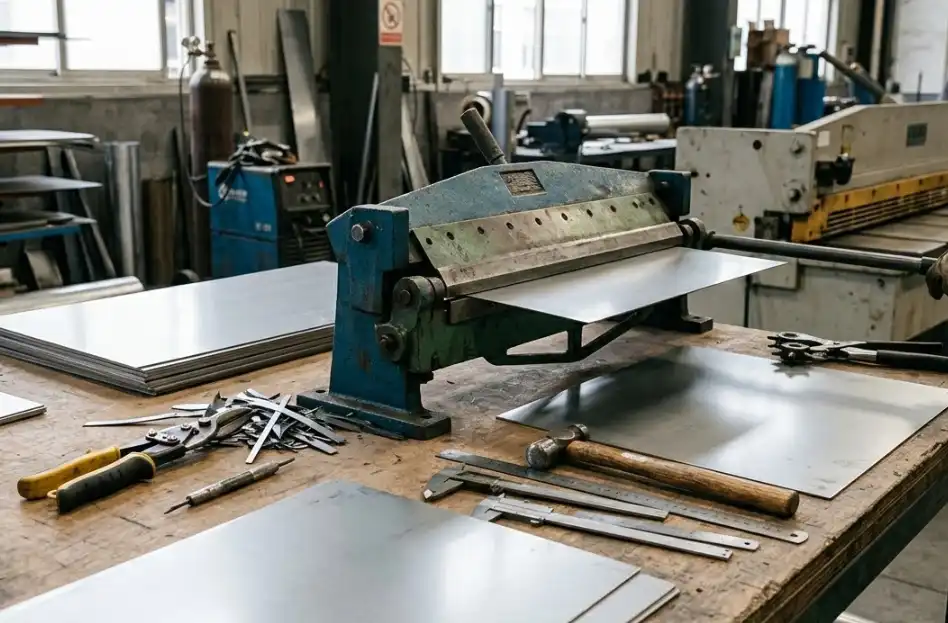
You can create strong shelves, toolboxes, wall panels, and even custom signs using 18 gauge steel sheet metal. This material measures 0.048 inches (1.214 mm) thick, giving you a sturdy but workable option for many projects. You will find it weighs about 2.28 pounds per square foot, which gives you a good balance of strength and easy handling. See how it compares:
| Material | Weight per Square Foot (lbs/ft²) |
|---|---|
| Cold Rolled Steel | 2.28 |
| Stainless Steel | 2.31 |
| Aluminum Alloys | 0.80 |
Many people choose this steel for both home and professional builds because you can cut, bend, and weld it with common tools.
Key Takeaways
- 18 gauge steel sheet metal is strong. It is also very useful. You can use it for shelves, toolboxes, and wall panels.
- You can build garage shelves with it. These shelves can hold heavy things. They will not bend. This makes them last longer and stay steady.
- Toolboxes made from this steel keep your tools safe. They are easy to carry because they are not heavy.
- Kitchen backsplashes made from 18 gauge steel look modern. They are simple to clean. They do not rust or stain easily.
- This steel works well for fixing cars. It is strong for patch panels and custom fenders. These parts will last a long time.
- You can use 18 gauge steel for fun projects. You can make wall art and custom signs. This lets you create special designs.
- Always stay safe when working with steel. Wear protective gear. Be careful with sharp edges.
- Plan and measure before you start your project. This helps you do a good job. It also stops you from making mistakes or wasting materials.
DIY Projects with 18 gauge steel sheet metal
Custom Shelving
Garage Shelves
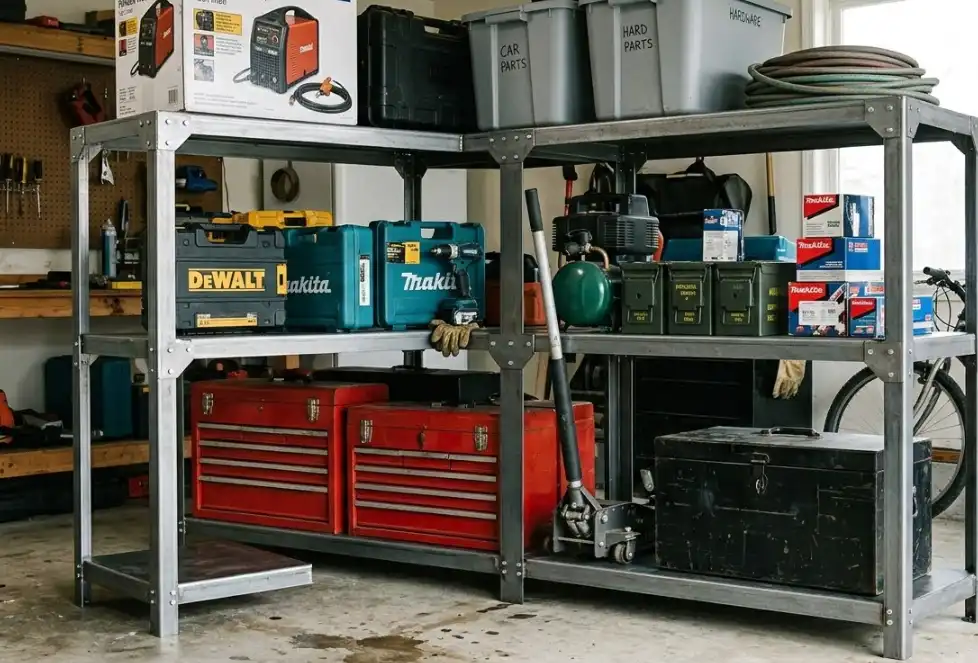
You can build strong garage shelves with 18 gauge steel sheet metal. This material gives you a sturdy base for storing heavy tools, paint cans, or car parts. The steel resists bending and holds its shape under weight. You can cut it to fit your space and attach it to wall brackets or a frame. Most people use sheets that measure 24″ x 48″ or 36″ x 48″ for garage shelving. These sizes fit well in most garages and are easy to handle.
- 18 gauge steel has a tensile strength between 30,000 and 80,000 psi. This means your shelves can hold a lot of weight without bending.
- The steel resists dents and damage from dropped tools or boxes.
- You can paint or coat the shelves to prevent rust and match your garage style.
Tip: Use a level and measuring tape to make sure your shelves are straight and secure.
Utility Storage
Utility storage shelves help you organize laundry rooms, basements, or sheds. 18 gauge steel sheet metal works well because it is strong but not too heavy. You can make open shelves for baskets or closed cabinets for cleaning supplies. The steel resists moisture and does not warp like wood.
- You can use screws or rivets to attach the shelves to metal or wood frames.
- The steel is easy to clean. Just wipe it with a damp cloth.
- You can add hooks or bins to the shelves for extra storage.
Here is a table showing popular DIY projects and their purposes:
| DIY Project | Purpose |
|---|---|
| Building workbenches | Provides a sturdy and durable workspace. |
| Tool carts and shelving units | Offers strength while remaining lightweight. |
| Custom brackets, mounts, and gussets | Ensures reliable support for various setups. |
| Toolboxes and storage containers | Combines durability with ease of fabrication. |
| Artistic metalwork and sculptures | Allows for creative expression with strength. |
Toolboxes and Cabinets
Portable Toolboxes
You can make your own portable toolbox with 18 gauge steel sheet metal. This steel is thick enough to protect your tools but light enough to carry. Most toolboxes use cold-rolled steel for extra strength and a smooth finish. You can cut and bend the steel to create custom shapes and sizes.
- Add handles and latches for easy carrying.
- Use continuous welding at the corners to keep the box strong.
- Paint or powder-coat the toolbox to prevent rust.
Wall Cabinets
Wall cabinets made from 18 gauge steel sheet metal give you safe storage for tools, chemicals, or supplies. You can mount these cabinets in your garage, workshop, or basement. The steel resists dents and keeps your items safe.
- Use heavy-duty hinges and locks for extra security.
- Reinforce stress points with extra welding.
- Install shelves inside the cabinet for better organization.
Most toolboxes and cabinets use 16- to 18-gauge steel. This gives you a good mix of strength and easy handling. Features like heavy-duty drawer slides and strong casters make your cabinets last longer.
Wall Panels and Backsplashes
Kitchen Backsplash
A kitchen backsplash made from 18 gauge steel sheet metal looks modern and is easy to clean. You can install it behind your stove or sink to protect the wall from water and stains. The steel does not rust easily and needs little care.
- Use a full height squiggle of caulk or contact cement to attach the panel.
- Make sure the adhesive is water-resistant.
- Wipe the backsplash with a damp cloth to keep it shiny.
Note: 18 gauge steel is thicker than many standard backsplashes, so it gives you better protection and lasts longer.
Workshop Wall Panel
You can cover your workshop walls with 18 gauge steel sheet metal. This protects the walls from sparks, oil, and dents. The panels are easy to install with mastic or screws. You can hang tools or shelves directly on the panels.
- Use a viscous, troweled adhesive for better support.
- Check the panels often for signs of wear or damage.
- The steel is easy to wipe clean, so your workshop stays neat.
18 gauge steel sheet metal gives you a balance of strength and workability for all these projects. You can cut, bend, and weld it with common tools. It is strong enough for shelves and cabinets but light enough for easy handling.
Automotive Uses
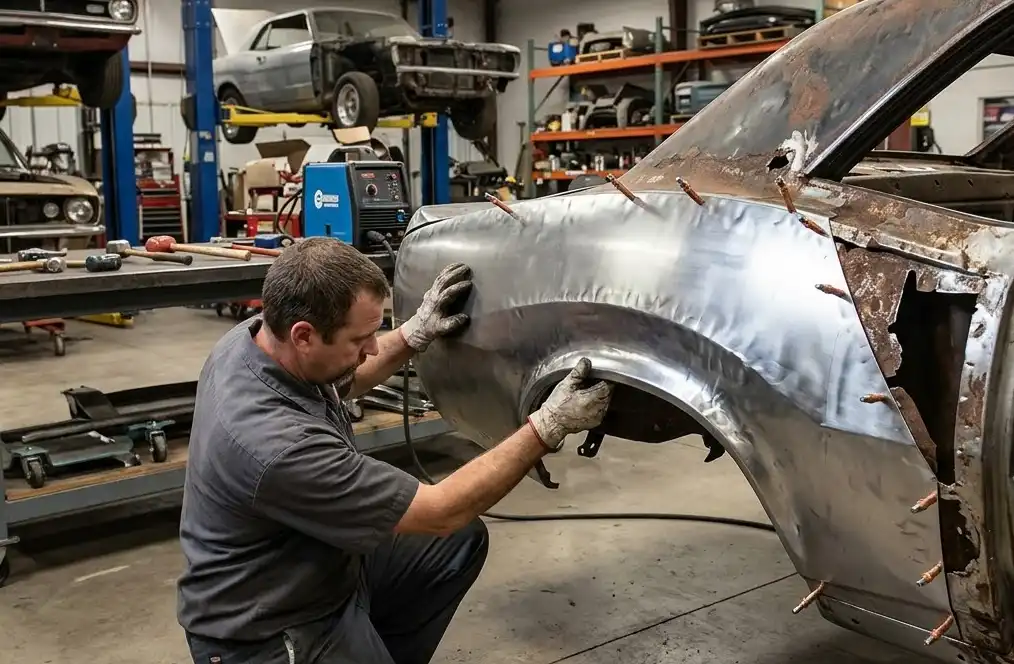
When you work on cars or trailers, you need materials that are strong and easy to shape. 18 gauge steel sheet metal gives you both. You can use it for repairs, upgrades, and custom builds. Many car body shops and DIY mechanics choose this material because it stands up to daily wear and tear.
Car Body Panels
Patch Panels
You often need patch panels to fix rust or damage on your car. 18 gauge steel sheet metal matches the thickness of many original car panels. This makes it easy to weld in place and blend with the rest of the body. You can cut the steel to fit the damaged area, then shape it with a hammer or dolly. The thicker steel resists dents and holds up well over time.
- 18 gauge steel is thicker than 20 gauge, so it gives you more strength and impact resistance.
- Most car body panels use steel between 18 and 22 gauge. Matching the original thickness helps your repair last longer.
- You can use common tools to cut, bend, and weld the patch panel.
Tip: Always clean and prime the metal before painting to prevent rust.
Custom Fenders
You can build custom fenders for classic cars, hot rods, or off-road vehicles. 18 gauge steel sheet metal lets you create smooth curves and sharp edges. You can use an English wheel or bead roller to shape the metal. The steel holds its form and resists flexing, even on larger panels.
- Custom fenders give your car a unique look.
- The steel is strong enough to protect against rocks and debris.
- You can weld brackets or mounts directly to the fender.
Here is a table showing common automotive applications for this material:
| Application Type | Description |
|---|---|
| Structural Reinforcements | Used to enhance vehicle strength |
| Floor Pans | Forms the base of the vehicle |
| Truck Beds | Provides a durable surface for cargo |
Trailer Repairs
Siding
You can repair or upgrade trailer siding with 18 gauge steel sheet metal. The steel resists dents from road debris and keeps your trailer looking good. You can cut panels to size and attach them with rivets or screws. The steel also protects against weather and rust when you add a proper finish.
- The panels are easy to clean and maintain.
- You can paint the siding to match your trailer.
- The steel adds strength without too much extra weight.
Floor Patches
Trailer floors take a lot of abuse from heavy loads and moisture. You can use 18 gauge steel sheet metal to patch holes or reinforce weak spots. The steel supports heavy cargo and resists bending. You can weld or bolt the patches in place for a secure fit.
- The steel stands up to water and dirt.
- You can cover large or small areas as needed.
- Floor patches help extend the life of your trailer.
Brackets and Mounts
Battery Trays
You need strong battery trays to hold heavy batteries in place. 18 gauge steel sheet metal gives you the strength you need. You can cut and bend the steel to fit your engine bay or trunk. The steel resists vibration and keeps the battery secure.
- Weld or bolt the tray for extra safety.
- Add drain holes to prevent water buildup.
- Paint the tray to stop rust.
Accessory Mounts
You can make custom mounts for lights, winches, or other accessories. 18 gauge steel sheet metal is easy to shape and drill. The steel holds up under stress and keeps your accessories in place.
- Use templates to mark and cut the steel.
- Reinforce mounts with extra layers if needed.
- Powder-coat the mounts for a clean finish.
Note: 18 gauge steel is a popular choice for brackets because it balances strength and workability.
You can see why many car body repairs use this material. It gives you the right mix of strength, durability, and ease of use. When you choose the right gauge, your repairs and upgrades last longer and look better.
Industrial Uses for 18 gauge steel sheet metal
You will find 18 gauge steel sheet metal in many industrial settings. This material gives you a strong, reliable option for building parts that must last. You can choose galvanized steel for outdoor or wet areas because the zinc coating helps prevent rust. Cold rolled steel works well indoors and gives you a smooth finish for painting or powder coating.
HVAC Ductwork
Rectangular Ducts
You can use this steel to make rectangular ducts for heating, ventilation, and air conditioning systems. The steel holds its shape and resists dents from tools or impacts. You can cut and fold the sheets to fit your building’s layout. Galvanized steel is a smart choice for ducts because it stands up to moisture and keeps air clean.
Transitions
You often need transitions to connect different duct shapes or sizes. You can form these pieces from 18 gauge steel sheet metal. The steel bends without cracking and stays strong at the seams. You can use simple tools to make custom transitions for any project.
Tip: Always check for sharp edges after cutting and smooth them out for safety.
Electrical Enclosures
Junction Boxes
You can build junction boxes from this steel to protect electrical connections. Folded steel boxes cost less and give you precise shapes. You can drill holes for wires and add covers for safety. Galvanized steel resists corrosion, so your boxes last longer in damp places.
Control Panels
Control panels keep switches and wiring safe. You can use 18 gauge steel sheet metal to make panels that meet strict safety standards. Many panels must follow rules like UL 508a or UL 50. These rules make sure your panels work well in different environments. You can find type labels on panels to see if they meet the right standards.
- Folded steel saves time and money.
- You can paint or coat the panels for extra protection.
Equipment Guards
Machine Guards
You can protect workers and machines with steel guards. These guards block moving parts and help prevent injuries. You can shape the steel to fit around machines and attach it with bolts or screws.
Protective Covers
Protective covers shield equipment from dust, debris, and impacts. You can make covers in many sizes and shapes. The steel stands up to bumps and keeps your machines safe.
Here is a table showing how different guards help keep workplaces safe:
| Guard Type | Material | Safety Features |
|---|---|---|
| Machine Guard | 18 gauge steel | Blocks moving parts, reduces injury risk, easy to install |
| Protective Cover | 18 gauge steel | Shields from dust and impacts, adds a passive safety barrier |
You can use 18 gauge steel sheet metal in manufacturing, appliance making, and construction. You will see it in vehicle panels, appliance boxes, and building facades. Galvanized steel gives you corrosion resistance for outdoor jobs. Cold rolled steel gives you a smooth finish for indoor projects.
Note: Always follow safety rules when working with steel in industrial settings.
Art, Furniture, and Creative Builds
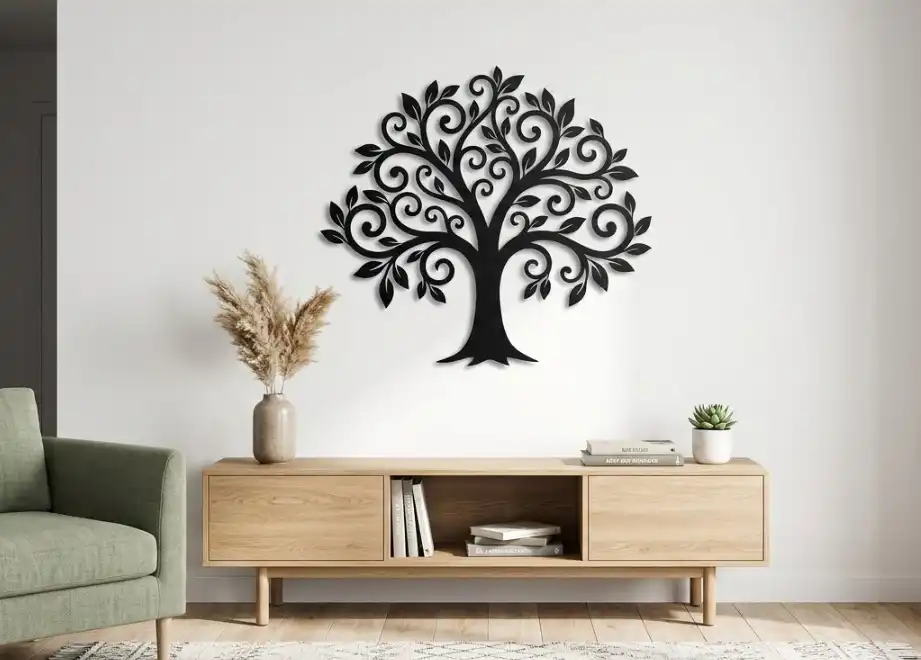
You can use 18 gauge steel sheet metal to create impressive art, sturdy furniture, and custom signs. This material gives you the strength you need for lasting projects and the flexibility to shape your ideas.
Metal Art and Sculpture
Wall Sculptures
You can design wall sculptures that stand out in any room. Cut the steel into shapes like leaves, animals, or abstract forms. Use metal snips or a plasma cutter for detailed work. You can add texture by hammering or embossing the surface. Paint or powder-coat your sculpture to match your style.
- Hang your finished piece with strong hooks or brackets.
- Try layering different shapes for a 3D effect.
Tip: Always sand sharp edges before hanging your art.
A simple table shows some popular wall art ideas:
| Wall Art Idea | Description |
|---|---|
| Nature Scenes | Trees, leaves, or mountain shapes |
| Geometric Designs | Circles, triangles, or hexagons |
| Inspirational Text | Words or quotes cut from metal |
Freestanding Pieces
You can build freestanding sculptures for your garden or living room. Weld or bolt pieces together to create tall or wide designs. The steel stands up to wind and weather if you use a rust-resistant finish. You can make geometric shapes, animals, or even abstract towers.
- Place your sculpture on a flat base for stability.
- Use outdoor paint for garden pieces.
Furniture Frames
Table Bases
You can build strong table bases with this steel. Cut and weld the pieces to fit your tabletop. The steel supports heavy wood, glass, or stone tops. You can choose a simple square frame or a more complex design.
- Add adjustable feet to keep the table level.
- Paint or powder-coat the base for a smooth finish.
Chair Frames
You can make chair frames that last for years. Shape the steel into legs, arms, and supports. Weld the joints for strength. Add cushions or wood seats for comfort.
- Test the frame for wobbling before adding the seat.
- Use rubber tips on the legs to protect your floors.
Custom Signage
Business Signs
You can create business signs that look professional and last a long time. Cut letters or logos from the steel. Mount the sign on a wall or hang it outside. The steel resists weather and holds its shape.
- Add LED lights behind the sign for a modern look.
- Paint the sign in your brand colors.
House Numbers
You can make custom house numbers that stand out. Cut numbers from the steel and attach them to your mailbox or wall. Choose a size and font that fits your home.
- Use spacers to make the numbers float off the wall.
- Coat the numbers to prevent rust.
Note: Custom signs and numbers help people find your home or business easily.
You can see that 18 gauge steel sheet metal gives you many options for creative projects. You get strength, style, and the freedom to design what you want.
Important Considerations
Strength and Durability
Load Capacity
You want your projects to last and stay safe. 18 gauge steel sheet metal gives you a good balance of strength and weight. You can use it for shelves, car panels, or even beams. The steel holds up well under heavy loads. It works well for roofs, walls, and supports in construction. You can trust it for automotive body parts and HVAC systems.
Here is a table that compares 18 gauge steel to other gauges:
| Characteristic | 18 Gauge Steel | Other Gauges |
|---|---|---|
| Thickness | 1.27 mm | Varies |
| Impact Resistance | Good | Varies |
| Weight | Moderate | Lighter/Heavier |
| Corrosion Resistance | Moderate | Varies |
| Formability | Good | Varies |
Dent Resistance
You need a material that resists dents and damage. 18 gauge steel stands up to bumps and impacts better than thinner metal. It works well for toolboxes, cabinets, and panels that see daily use. You get a sturdy finish that keeps its shape.
Workability
Cutting and Shaping
You can cut and shape 18 gauge steel with the right tools. Electric shears work best for clean, straight lines. You can also use metal snips or a jigsaw for curves. Always secure your workpiece before cutting. This helps you avoid slips and keeps your cuts precise.
- Make sure your tools are sharp and in good condition.
- Wear gloves and eye protection for safety.
- Plan your cuts to reduce waste.
Tip: Electric shears give you smooth edges and save time.
Welding and Fastening
You can join steel sheets by welding or using fasteners. Welding gives you a strong, permanent bond. You may need to grind or sand the welds for a smooth finish. Fasteners like screws or rivets let you take things apart later. They need less finishing but may loosen over time.
Here is a table to help you choose:
| Aspect | Welding | Fastening |
|---|---|---|
| Surface Finishing | Needs grinding and polishing | Needs less finishing |
| Maintenance & Repairability | Harder to repair | Easy to replace parts |
| Long-Term Performance | May warp from heat | May loosen from vibration |
Finishing and Protection
Painting and Coating
You can paint or coat your steel to protect it and make it look better. Use a primer before painting for the best results. Powder coating gives you a tough, colorful finish. Always clean the steel before you start.
- Avoid using steel wool or harsh cleaners.
- Wipe the surface with mild soap and water.
Rust Prevention
You want your projects to last, so protect your steel from rust. For outdoor use, choose galvanized steel with a G90 coating. This adds a layer of zinc for extra protection. If you cut or drill the steel, seal the edges with zinc-rich paint. Store your sheets indoors or under cover to keep them dry.
- Clean galvanized surfaces often.
- Seal any exposed edges after cutting.
- Store steel away from water.
Note: Higher zinc coatings cost more but last longer, especially in harsh weather.
Tips and Best Practices
Safety Precautions
Handling Edges
You need to be careful with steel sheet metal. The edges are very sharp and can cut your skin. Move the sheets slowly so you do not get hurt. Do not slide your hands along the edges. Put the metal on a flat, steady table before you cut or bend it. If the piece is big, ask someone to help you lift it. This keeps your fingers safe from getting pinched or smashed.
Tip: Smooth out rough edges with a file or sandpaper before you keep working.
PPE
Personal protective equipment, or PPE, helps keep you safe. Wear gloves to stop cuts from sharp edges. Safety glasses protect your eyes from flying bits of metal. Closed-toe shoes keep your feet safe if you drop something. If you use loud tools, wear hearing protection.
Here is a table that shows safety steps and injuries you might get:
| Safety Precautions | Common Injuries |
|---|---|
| Use personal protective equipment (PPE) | Cuts from sharp metal edges |
| Ensure proper training | Crush injuries from handling heavy parts |
| Be aware of sharp edges | Puncture wounds from metal splinters |
| Protect eyes from flying fragments | Lacerations from rough edges |
| Handle materials carefully | Impaired vision due to flying debris |
Sourcing and Cost
Where to Buy
You can buy 18 gauge steel sheet metal at hardware stores. Metal suppliers and online shops also sell it. Local stores might cut the sheets to the size you want. Online stores have many types and finishes. Read reviews and ask about delivery before you order.
Price Factors
Many things change the price of steel sheet metal. The kind of metal is most important. Stainless steel costs more than galvanized steel. Aluminum has a different price because it is lighter. Where you live can make the price go up or down. Shipping and how many people want steel also matter. Special coatings or finishes cost more but help the metal last longer.
| Factor | Description |
|---|---|
| Material Type | The type of metal changes the price. Stainless steel usually costs more than galvanized steel. Aluminum costs are different because it is lighter. |
| Regional Pricing | Prices change in different places because of shipping and how many people want steel. |
| Market Demand | If more people need steel, the price can go up. If fewer people need it, the price can go down. |
| Treatments and Finishes | Extra coatings or paint make the steel cost more, but they help it last and look better. |
Project Planning
Measuring
You must measure carefully before you cut or bend steel. Use a tape measure or ruler for straight lines. Mark your lines with a marker or scribe. Check your measurements twice so you do not make mistakes.
Allowances
When you bend steel, it stretches and changes shape. You need to add bend allowances so your part fits right. If you forget, your part might be too small. The K-Factor helps you know how much the metal will stretch. Most people use a K-Factor between 0.3 and 0.5 for steel. You can use CAD software like AutoCAD or SolidWorks to plan your project. These programs show you where to bend and help you see the flat size. CAD helps you make fewer mistakes and saves time.
- Add bend allowances for every bend you make.
- Use the right K-Factor for your steel.
- Try CAD software to plan better and make fewer mistakes.
Note: Good planning saves money and helps you waste less steel.
You can use 18 gauge steel sheet metal for lots of projects. It works at home, in your car, or at work. This material is strong and flexible. It is good for roofing, cabinets, HVAC, and signs. You get durability and corrosion resistance for outdoor jobs.
- Always wear safety glasses, gloves, and hearing protection.
- Secure the metal before you cut or shape it.
- Use good layout and forming methods for best results.
| Finishing Method | Description |
|---|---|
| Layout Techniques | Helps you make accurate cuts and bends. |
| Assembly Techniques | Makes your project strong and last longer. |
Remember, safe handling and careful finishing help your projects last longer and look nicer.
FAQ
What tools do you need to cut 18 gauge steel sheet metal?
You can use electric shears, metal snips, or a jigsaw with a metal blade. Always wear gloves and safety glasses. Secure the sheet before cutting for best results.
Can you weld 18 gauge steel sheet metal at home?
Yes, you can weld this steel at home. MIG and TIG welders work well. Practice on scrap pieces first. Always use proper safety gear.
Is 18 gauge steel sheet metal rustproof?
No, plain steel can rust. You can choose galvanized or stainless steel for better rust resistance. Always paint or coat your project for extra protection.
How heavy is a 4×8 sheet of 18 gauge steel?
A 4×8 sheet weighs about 73 pounds (33 kg). You may need help to move it safely. Use gloves and lift with your legs.
Can you bend 18 gauge steel by hand?
You can bend small pieces by hand using a vise and hammer. For longer bends, use a metal brake. This tool gives you straight, clean bends.
What is the best way to finish 18 gauge steel for outdoor use?
Use a zinc-rich primer and outdoor paint. Galvanized steel works best for outdoor projects. Always seal cut edges to prevent rust.
Where can you buy 18 gauge steel sheet metal?
You can buy it at hardware stores, metal suppliers, or online. Ask about custom sizes and finishes. Compare prices before you buy.