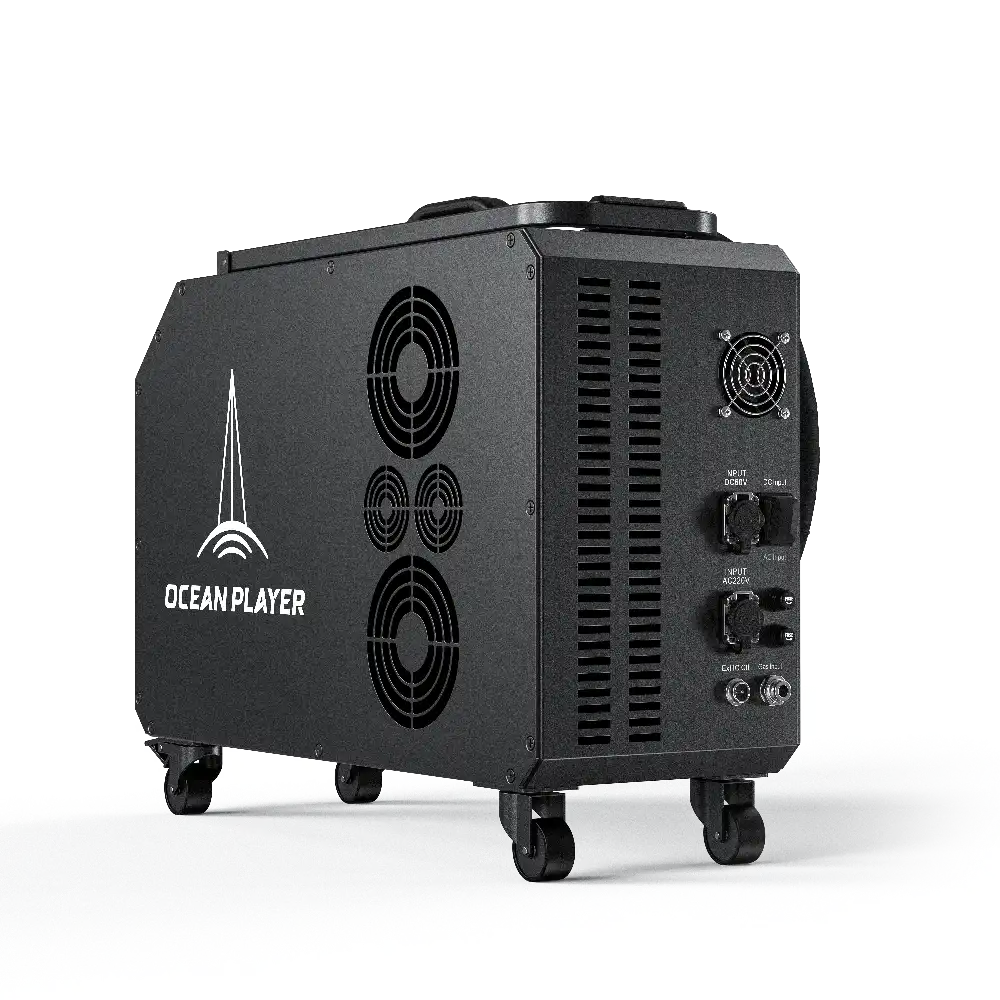
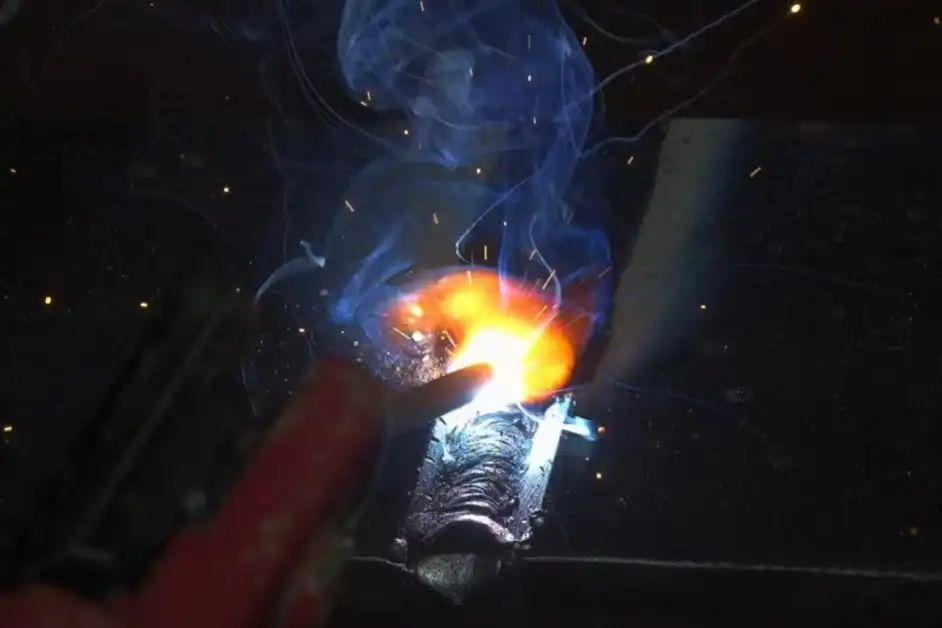
A Laser Cleaning Machine uses laser light to take off things you do not want on surfaces, like rust, paint, or oil. It cleans fast and does not touch the surface. This helps keep the base safe. Many companies pick this technology for different reasons:
- It keeps workers safe with less heavy safety gear.
- It helps the environment by making less waste and using fewer chemicals.
- It is exact and only removes what you want gone.
- It saves money over time.
- It works on many kinds of dirt and stains.
More people are using this technology now. The market is growing fast because people trust its good points.
Key Takeaways
- Laser cleaning machines use laser light to take off things like rust and paint. They do not touch the surface. This keeps the base material safe.
- This technology is good for the environment. It does not need strong chemicals. It also makes less waste. This makes it a smart way to clean.
- Laser cleaning works quickly and well. One trained person can finish jobs in hours. It does not take days. This saves time and money for workers.
- Laser cleaning is very exact. It only removes the layers you do not want. This is great for surfaces that are easy to damage. It lowers the chance of harm.
- Buying a laser cleaning machine can save money over time. You do not need many chemicals. You also spend less on workers. This makes it a smart investment.
Laser Cleaning Machine Overview
How It Works
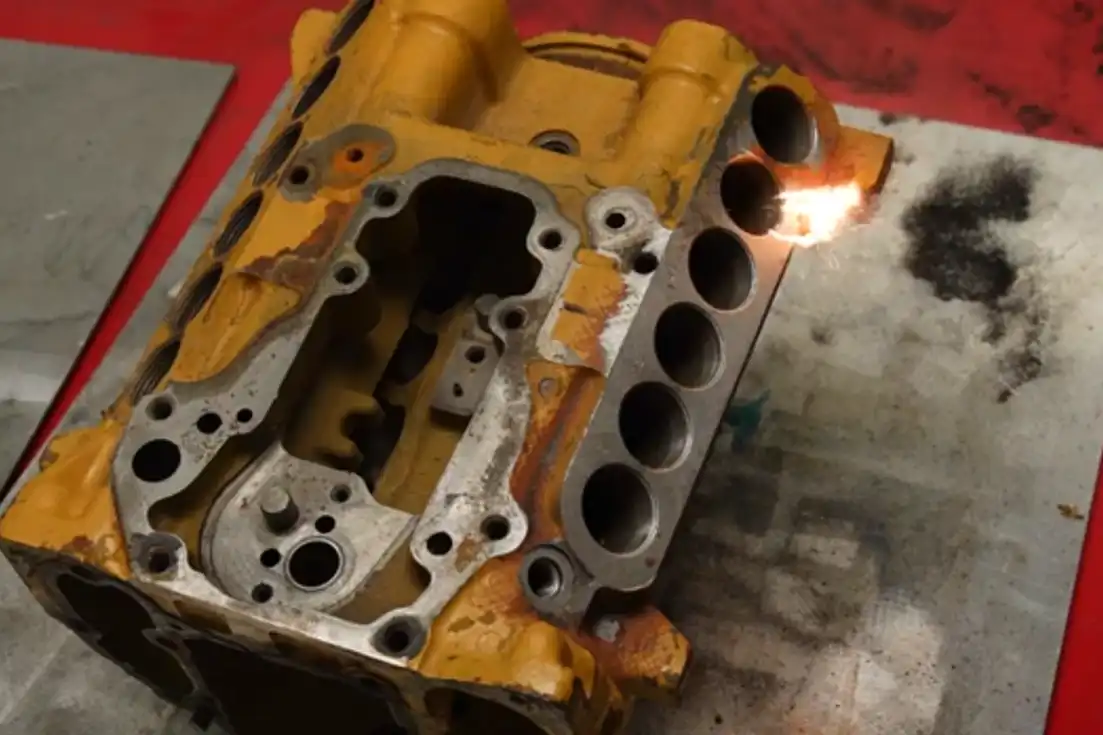
A Laser Cleaning Machine uses a strong light beam to clean surfaces. You aim the machine at the spot you want to clean. The laser hits things like dirt, rust, or paint. This makes them break apart or turn into gas. The base stays safe because the laser only cleans the top layer.
There are different machines you can pick. Some use a continuous wave, so the laser is always on. These are good for big cleaning jobs. Other machines use pulsed lasers. Pulsed lasers send short bursts of energy. They are better for cleaning delicate surfaces or special materials.
Here are some types you might see:
- Fiber laser cleaning machines
- Pulsed laser cleaning machines
- Handheld laser cleaning machines
Each type has its own good points. Handheld models are easy to move and give you more control. Fiber and pulsed machines work well for tough jobs or sensitive surfaces.
Tip: You do not need to touch the surface with the machine. This keeps the process safe and protects what you are cleaning.
What It Removes
A Laser Cleaning Machine can take off many unwanted things. It works on:
- Rust
- Paint
- Oil
- Rubber from tire molds
- Silicone oil from metal films
- Coatings on metal or plastic
- Organic materials
This tool works on lots of surfaces. You can clean metals, plastics, glass, ceramics, and even carbon-fiber or fiberglass parts. It also helps clean semiconductor wafers, magnetic materials, and optical parts.
Here is a table that shows where you can use a Laser Cleaning Machine:
| Material Type | Example Uses |
|---|---|
| Metals | Automotive, aerospace |
| Plastics | Electronics, food processing |
| Glass | Optical components |
| Ceramics | Medical devices, tools |
| Carbon-fiber polymers | Marine, sports equipment |
| Painted surfaces | Restoration, manufacturing |
You will see these machines in many places. They are used in automotive, aerospace, marine, oil and gas, electronics, tool and die, medical devices, and nuclear decontamination.
If you want to know the price, there are choices. Handheld models start at about $3,800 for a 1500W system. Medium-power machines start at $5,500. High-power portable models can cost up to $8,000. You can pick a machine that fits your needs and budget.
Note: Laser Cleaning Machines let you clean many surfaces. You do not need harsh chemicals or rough tools.
Laser Cleaning Machine Benefits
Efficiency and Speed
A Laser Cleaning Machine helps you clean much faster. It removes rust, paint, and oil in less time than old ways. You do not need to work for days. Many jobs only take a few hours. One trained person can use the machine. This means you need fewer workers. You also do not have to buy sand or chemicals.
Here is a table that shows how fast a Laser Cleaning Machine works for different jobs:
| Application | Cleaning Speed (m²/h) |
|---|---|
| Light Rust | Up to 20 |
| Heavy Rust | 5-10 |
| Single Layer Paint | 10-15 |
| Multi-Layer Coatings | 3-7 |
| Welding Preparation | 10-12 |
| Aerospace Components | Reduced speed for precision |
| Adhesion Improvement | 15-25 |
You can also see the cleaning speed in this chart:
Many factories now use laser cleaning for rust, paint, oil, and getting surfaces ready. Over 35% of factories around the world use this technology. About 40% of top companies in Europe use laser systems in their work.
- Laser cleaning needs less hard work.
- You finish jobs in hours, not days.
- One person can run the machine.
- You do not need extra materials, so you save money.
Safety and Non-Abrasive Process
You are safer when you use a Laser Cleaning Machine. These machines follow strict safety rules from groups like Laserax and the National OSHA Foundation. You do not have to worry about flying pieces or bad dust. The process does not touch the surface, so you do not hurt the base.
| Source | Description |
|---|---|
| Laserax | Certification ensures compliance with laser safety standards. |
| National OSHA Foundation | Provides training and certification for safe operation. |
| Laser Photonics | Highlights strict safety standards for Class IV laser cleaning systems. |
Laser cleaning does not wear down the surface. The base stays strong and free from damage. This way, you do not get leftover bits, so the result is cleaner. The process also helps new coatings stick better because it makes the surface a little rough.
- Laser cleaning keeps the base material safe.
- You avoid damage and keep the material thick.
- The process does not leave extra waste.
Environmental Impact
You help the planet when you use a Laser Cleaning Machine. The process does not use chemicals or solvents. You do not make toxic waste or dirty water. The machine turns dirt and rust into tiny bits you can catch. You do not need to throw away used sand or other media, so there is less trash.
- Laser cleaning uses no chemicals.
- You stop dangerous waste and protect nature.
- The process does not make extra waste.
- You use less power, so you help the earth.
Modern laser cleaning machines use less energy, especially pulsed ones. You finish the job with less power, which saves money and helps the environment.
Precision
A Laser Cleaning Machine gives you high precision. The laser can clean very small spots. This means you only remove what you want and leave the rest. Small spot sizes give you more control and better results. This is important for careful jobs, like cleaning electronics or medical tools.
For very careful work, you need a small spot size. The laser puts energy right where you want it. You can clean tiny places without hurting the area around them.
Tip: Laser cleaning is great for jobs that need careful work, like taking rust off small tools or getting surfaces ready for new coatings.
Applications
Industrial Uses
A Laser Cleaning Machine is used in many jobs. It takes off rust, paint, and coatings from metal. You can use it to get surfaces ready before welding or sticking things together. Factories use it to clean molds and cut things. Here are some ways it is used:
- Takes off rust and oxides
- Removes paint and coatings
- Gets surfaces ready for welding or bonding
- Cleans molds in factories
- Helps save and fix old objects
Handheld machines help you reach small spaces. They make it easy to remove rust or get ready for welding. You can clean big machines or tiny parts with the same tool.
Automotive and Restoration
Laser cleaning is used in car shops and for fixing old cars. It takes off rust, oil, and oxides from engine and brake parts. You can clean old cars without hurting the metal. It helps brake discs work better and last longer. This way does not use chemicals, so it is safe for people and nature. You get clean parts that work well and last longer.
- Takes off rust and oil from engines
- Cleans brake discs for better use
- Fixes old cars without damage
- Safe and does not touch the surface
Electronics and Delicate Surfaces
Laser cleaning is very exact for electronics and soft surfaces. You can clean circuit boards, sensors, and optical parts without wearing them out. It does not use chemicals, so there is no bad waste. Here is a simple chart:
| Advantage | Laser Cleaning | Traditional Methods |
|---|---|---|
| Precision | High | Often low |
| Surface Damage | None | Possible |
| Environmental Impact | Chemical-free | Often uses chemicals |
You keep small and breakable parts safe and clean.
Specialized Cleaning (e.g., Nuclear, Grease)
Laser cleaning is used in special places like nuclear plants or for tough grease. It keeps equipment clean and does not make extra dangerous waste. It helps lower radiation when cleaning up. You can take off oil and grease from engines with little harm to the base. Laser cleaning turns grease and oil into gas, so it is safer than using chemicals. You get a clean surface ready for more work.
Tip: Laser cleaning works on many things and in many jobs. You can use it for rust, cleaning up, and getting surfaces ready with one tool.
Laser vs. Traditional Cleaning
Chemical Methods
Chemical cleaning uses strong liquids to take off dirt or rust. You must wear heavy gear because these chemicals can hurt you. They can burn your skin or make it hard to breathe. Chemical cleaning makes toxic waste and dirty water. You have to be careful when you throw it away. Using chemicals a lot can also hurt the surface over time.
Here is a table that shows how laser cleaning and chemical cleaning are different:
| Criteria | Laser Cleaning | Chemical Cleaning |
|---|---|---|
| Health Risks | Minimal; no toxic chemicals | High; fumes and skin exposure |
| Environmental Impact | Eco-friendly; no toxic waste | Hazardous waste and runoff |
| Surface Preservation | Non-abrasive; protects surfaces | Can cause corrosion or damage |
| Cleaning Precision | High; targets only what you want to remove | Less precise; may need extra steps |
| Operational Downtime | Minimal; no rinsing or drying | More downtime; rinsing and drying needed |
| Initial Investment | Higher at first, saves money over time | Lower at first, but ongoing costs |
| Maintenance Costs | Low; few consumables | High; chemical disposal and water use |
Tip: Laser cleaning does not use water or chemicals. This helps the earth and keeps your work area safer.
Abrasive Blasting
Abrasive blasting uses sand or beads to clean things. You need to wear masks and suits to stay safe. The dust from blasting can hurt your lungs. This way of cleaning can scratch or thin the surface. After blasting, you have to clean up lots of dust and bits.
- Laser cleaning does not touch the surface, so it does not hurt it.
- Abrasive blasting makes dust and debris, which can be bad for you.
- You need less safety gear with laser cleaning, but you still must protect your eyes.
Here is a table that shows how each method affects the environment:
| Criteria | Laser Cleaning | Abrasive Blasting |
|---|---|---|
| Chemical Usage | None | None |
| Waste Generation | No secondary waste | Dust and debris |
| Surface Damage | None | Possible erosion |
| Energy Use | Efficient | High |
Why Choose Laser Cleaning
Laser cleaning has many good points over old ways. You can control it well and only take off what you want. It is safe for people and the planet. You do not make toxic waste or dust. Laser cleaning works on many surfaces and types of dirt. You save money because you do not need to buy chemicals or new parts.
| Advantage | Description |
|---|---|
| Precision and Control | Targets only the unwanted layer |
| Minimal Environmental Impact | No chemicals or waste produced |
| Non-Contact Cleaning | No wear or damage to the base material |
| Cost-Effectiveness | Saves money in the long run |
| Versatility | Works on many surfaces and contaminants |
| Safety | Reduces health risks for workers |
Laser cleaning is a smart, safe, and green way to clean many things.
Considerations
Cost and Investment
Laser cleaning machines have many prices. Some cost $2,500 to $7,500. Big industrial ones can cost $15,000 to over $60,000. Here is a table to help you compare:
| Type | Price Range |
|---|---|
| Entry-Level Laser Cleaning Machine | $2,500 – $7,500 |
| Industrial Laser Cleaning Machine | $15,000 – $60,000+ |
Laser cleaning machines cost more at first than old cleaning tools. But you save money later. You do not need to buy chemicals or pay for waste. Laser cleaning also means you need fewer workers. You finish jobs faster and use less stuff. This gives you a good return on investment.
- You need fewer workers, so you save money.
- The machine does not hurt surfaces, so you save on materials.
- You do not make chemical waste, so it helps the environment.
Material Suitability
Laser cleaning works on many materials. You can use it on metals, stone, ceramics, glass, and polymers. Each material is different and needs special care. Here is a table that shows what you can clean and what to watch out for:
| Material Type | Suitable for Cleaning | Limitations/Challenges |
|---|---|---|
| Metals | Rust, mill scale, coatings | Thin surfaces may overheat; settings must be correct |
| Stone & Masonry | Pollution, biological growth | Risk of etching or color change; needs careful use |
| Ceramics & Glass | Carbon films, oxides, adhesives | Can crack or break if not handled gently |
| Polymers & Composites | Surface cleaning | Safer than old methods; still needs proper settings |
Note: Always check if your material is safe for laser cleaning before you start.
Training and Safety
You must learn how to use a laser cleaning machine safely. Operators need to know how lasers work and follow safety rules. Training teaches you how to use the machine and what gear to wear. Here are some important things to learn:
- Learn about laser power and how to set it.
- Wear safety gear like goggles and gloves.
- Follow safety rules from OSHA and ANSI.
- Know what to do if something goes wrong.
| Training Area | Description |
|---|---|
| Laser Technology Understanding | Learn about laser power and settings |
| Safety Knowledge | Use PPE and follow safety rules |
| Machine Operation | Set up and maintain the machine |
| Workplace Safety Standards | Keep the area safe and control fumes |
| Emergency Preparedness | Know emergency steps for accidents |
| Continuous Education | Stay updated with new safety standards |
Good training keeps you and your team safe when using laser cleaning machines.
You might pick a laser cleaning machine because it is fast and exact. It is also better for the earth. Laser cleaning is used in many jobs, like making cars and electronics. It makes less trash than sandblasting or using chemicals. It also keeps surfaces safe from harm. The table below shows how laser cleaning and old cleaning ways are different:
| Feature | Laser Cleaning | Conventional Cleaning |
|---|---|---|
| Environmental Impact | No toxic runoff | Hazardous waste |
| Precision | Highly precise | Less precise |
| Adaptability | Very adaptable | Limited |
You can learn more about laser cleaning by reading blogs, news, and safety tips. 🛠️
FAQ
What can a laser cleaning machine remove?
A laser cleaning machine can take off rust, paint, and oil. It also removes grease and coatings. You can clean organic buildup and other dirt. This tool works on metals, plastics, glass, and ceramics.
What safety steps should you follow when using a laser cleaning machine?
Always wear laser safety goggles. Make sure the area is clear. Read and follow the safety rules in the manual. Training helps you use the machine the right way.
What materials work best with laser cleaning?
Laser cleaning works best on metals like steel and copper. You can also clean aluminum, stone, glass, and ceramics. Some plastics work too. Always check if your material is safe before you start.
What makes laser cleaning different from sandblasting?
Laser cleaning uses light to clean surfaces. Sandblasting uses tiny particles. The laser does not touch the surface. This helps you avoid scratches and dust. Laser cleaning is safer and cleaner for many jobs.
What should you consider before buying a laser cleaning machine?
Think about your budget and what you need to clean. Check the size of your projects. Training and safety are important. Make sure the machine fits in your workspace.