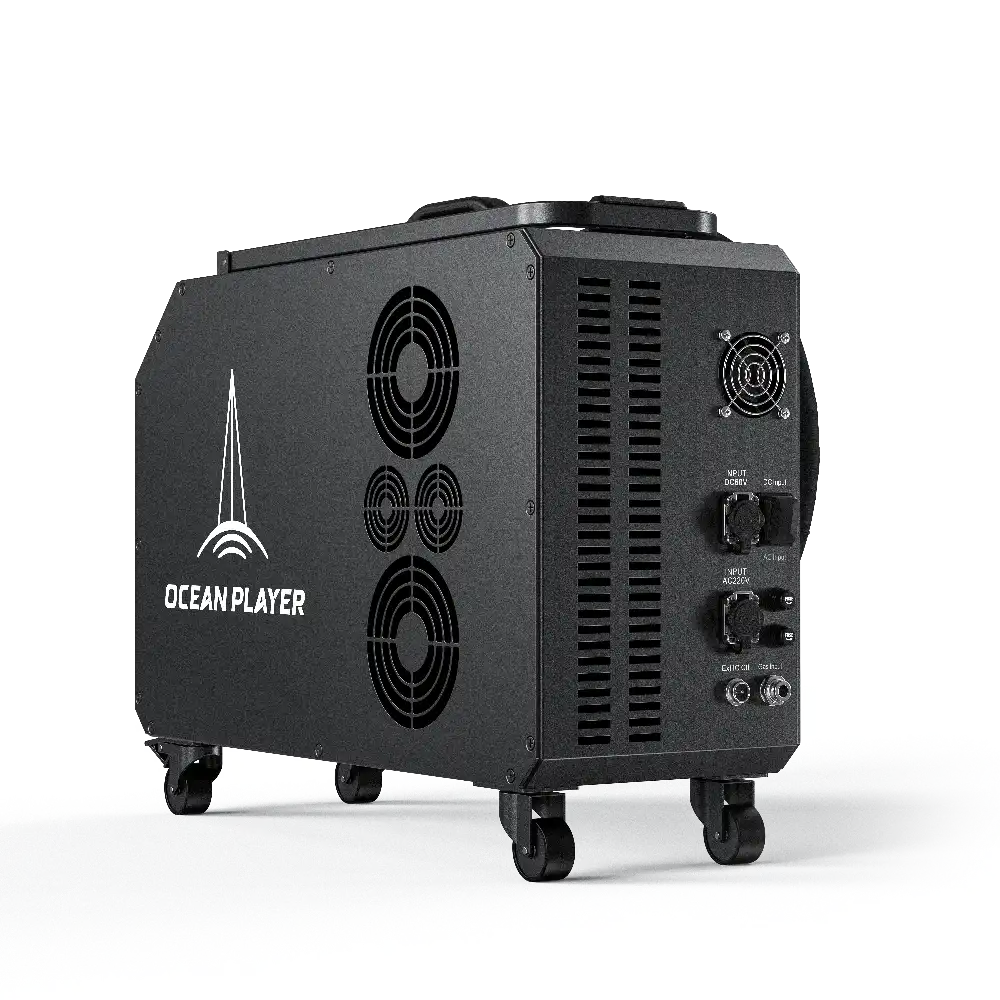
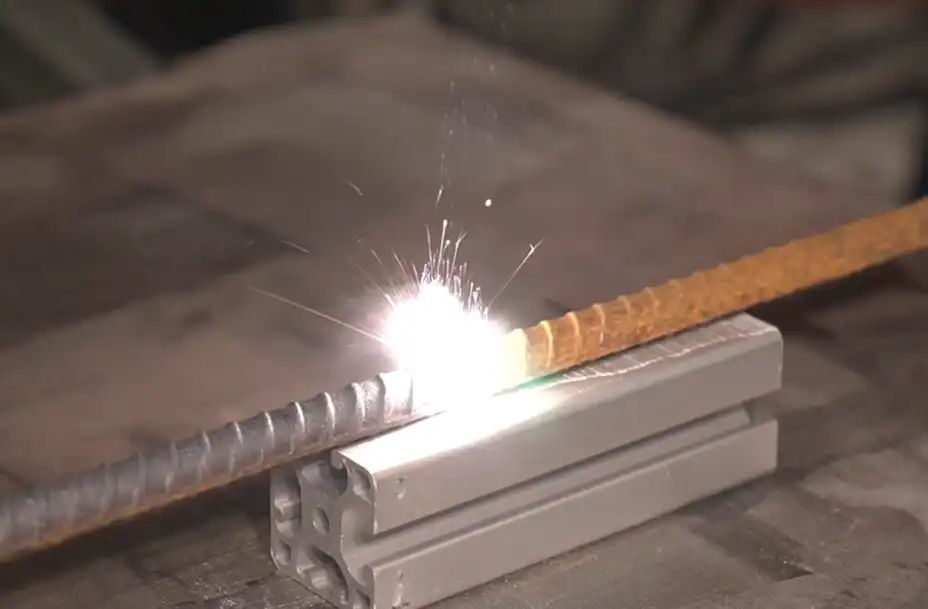
A pulse laser cleaning machine uses short, strong laser bursts to clean things like rust, paint, and dirt from surfaces. This technology cleans very carefully and does not hurt soft materials. Many businesses use it because it is gentle but still very strong. These include factories, car makers, airplane companies, electronics, and even people who fix old art.
- The world market for pulse laser cleaning machines was $750 million in 2023 and is growing fast.
This aligns with industry data: the global laser cleaning market reached USD 753.4 million in 2023 per ResearchAndMarkets’ 2024 Laser Cleaning Market Report, with an estimated ~22% CAGR through 2030; totals can vary by whether accessories and services are included.
| Industry | Benefit |
|---|---|
| Manufacturing | Cleans off dirt and keeps machines safe. |
| Automotive | Cleans important parts without touching them. |
| Aerospace | Cleans carefully so parts work well. |
| Electronics and Semiconductor | Keeps things clean so they work their best. |
| Cultural Heritage Restoration | Saves old items without hurting them. |
| Medical and Pharmaceutical | Follows strict rules for being clean and safe. |
Key Takeaways
- Pulse laser cleaning machines use strong laser bursts to clean things. They do not hurt the surface. They work on metals, plastics, ceramics, and other materials. This makes them useful for many jobs. These machines are good for the environment. They do not use chemicals and make less waste. They clean very carefully. This helps protect delicate things like electronics and art. Pulse laser cleaning is quicker and safer than old cleaning ways.
Pulse Laser Cleaning Machine Overview
What It Is
A pulse laser cleaning machine helps you remove things you do not want on surfaces. You can clean rust, paint, grease, or dirt. The material under the mess does not get hurt. The machine sends short laser bursts to hit only the dirty spots. You can control how much energy you use. This lets you clean soft items or strong parts. You can change the pulse width and frequency. This means you pick how gentle or strong the cleaning is.
Tip: You can use a pulse laser cleaning machine on metals, plastics, ceramics, and even fragile artwork. The technology works well for both hard and soft surfaces.
This machine is special because it does not make much heat. Sensitive materials do not get damaged. You get good results when you need to be exact. This helps when cleaning tiny electronic parts or fixing old treasures.
Key Components
When you look inside a pulse laser cleaning machine, you see many important parts working together:
- Laser Source: This part makes the strong beam for cleaning.
- Cleaning Head: You use this to aim the laser and pick where to clean. It chooses the size and shape of the spot.
- Scanning Galvanometer System: This part moves the laser fast and keeps the cleaning steady.
- Optical System: Lenses help focus the beam and spread energy evenly.
- Control and Interface Unit: You use this to set power, change patterns, and adjust for different jobs.
- Cooling System: This keeps the machine cool so it works well.
- Electrical System: This gives power to all the parts and makes sure energy goes where it should.
You can change the energy level and wavelength to match the surface and mess you want to clean. The machine can heat, vaporize, or break apart rust, grease, and paint. You get fast cleaning and keep the original material safe. This makes the pulse laser cleaning machine helpful in many industries.
How Pulse Laser Cleaning Works
The Pulse Laser Process
A pulse laser cleaning machine sends short, strong laser bursts to a surface. These bursts hit things like dirt, rust, paint, or oil. The laser makes the dirty layer heat up very fast. This is called thermal expansion. The heat turns the mess into vapor and takes it away. The material under the mess does not get hurt. You can change how long the laser fires and how strong it is. This helps you clean soft things or tough things.
Note: The laser only hits the mess, not the main material. The base part does not get much energy, so it stays safe. You do not get scratches, dents, or burns like with other cleaning ways.
The pulse laser cleaning machine uses three main ways to clean. You can see how each way works in the table below:
| Mechanism | Description | Applications |
|---|---|---|
| Photothermal | Heats the mess fast, so it melts or turns to vapor. | Good for metal oxides, paint, and rust. |
| Photomechanical | Makes the mess pop off with fast pressure. | Works for hard layers like carbon bits. |
| Photochemical | Breaks the mess apart with light energy. | Best for gentle surfaces like semiconductors. |
You get very careful cleaning with little heat. The laser aims at the mess, not the surface. The thing you clean stays strong and safe. You can change the laser settings to keep the base safe. This makes pulse laser cleaning safer than using rough tools or strong chemicals.
Typical Parameters & Limits
- Wavelengths: 1064 nm (fiber, common), 532 nm (green) and 355 nm (UV) for higher absorption on some paints/pigments.
- Pulse widths: typically nanoseconds (10–100 ns); picosecond regimes used for ultra‑thin or heat‑sensitive layers.
- Typical fluence: roughly 1–5 J/cm² (adjust to exceed contaminant ablation threshold but stay below substrate damage).
Examples: carbon steel with rust — 3–5 J/cm², 20–80 ns; aluminum with thin epoxy — threshold ~1.5 J/cm² vs substrate risk ≈2.5–3 J/cm² (watch reflectivity/thin‑coating overheating).
Limitations: highly reflective copper/aluminum, very thick scale, or high‑absorption polymers need adjusted wavelength/pulse strategy and pilot tests.
Types of Surfaces and Contaminants
You can use a pulse laser cleaning machine on many surfaces. It works well on metals, ceramics, plastics, stone, and some other materials. The table below shows which things work best:
| Material Type | Compatibility with Pulse Laser Cleaning |
|---|---|
| Metals | Iron, steel, aluminum, copper |
| Ceramics | Many ceramic materials |
| Polymers | Some types of plastics |
| Stone | Stone surfaces |
| Non-metals | Rubber and some plastics |
You can clean many kinds of messes. The machine removes oxides, paint, rust, grease, and even radioactive or organic stains. It also works on oil spots and different coatings. The laser heats oil fast and turns it into vapor. It pushes rust off with quick pressure. You can change the power to clean coatings without hurting the main part.
Tip: You can clean soft things like semiconductors or old art. The pulse laser cleaning machine lets you control the cleaning and keeps things safe.
This tool works for many jobs. You keep things clean and safe without using harsh chemicals or rough scrubbing.
Benefits of Pulse Laser Cleaning
Precision and Gentleness
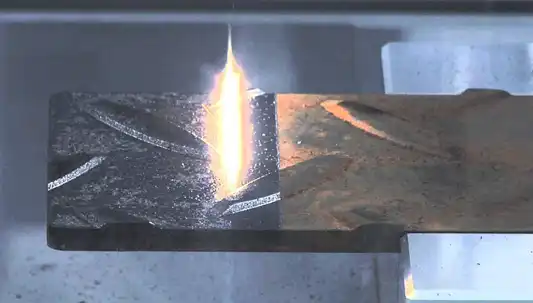
A pulse laser cleaning machine cleans things very carefully. It sends short laser bursts to hit only the dirty layer. The surface under the mess does not get scratched or damaged. You can use it on fragile items like car parts, molds, or old art. The machine does not touch the surface, so nothing gets worn out.
- Cleaning without touching keeps surfaces safe.
- You can remove rust, paint, and oil with great accuracy.
- Sensitive materials in electronics and aerospace stay protected.
Short laser bursts keep heat low. This lets you clean things that cannot take high temperatures. You can use extra cooling, like air or gas, to keep everything safe.
Speed and Efficiency
A pulse laser cleaning machine works fast. The cleaning speed depends on the job you do. You can clean big areas quickly. The table below shows how fast you can clean different surfaces:
| Cleaning Method | Speed (square meters per hour) |
|---|---|
| Light Rust Removal | Up to 20 |
| Heavy Rust Removal | 5-10 |
| Single Layer Paint Stripping | 10-15 |
| Multi-Layer Paint Stripping | 3-7 |
| Oxide Layer Removal | 10-12 |
| Surface Preparation | 15-25 |
Example conditions: 200 W, 100 μm spot, 200 kHz, oxide layer ~10 μm.
For parameterized benchmarks and area rates (m²/h) under stated power, repetition rate, and layer types, see 4JET’s 2024 JETLASER white paper on rust and paint removal speeds.
You can change the laser power and pulse rate for each job. High pulse rates and smart scanning help you finish faster.
Versatility
This machine works on many materials. You can clean rubber, wood, metal, glass, and more. It removes rust, paint, mold, or gets a surface ready for bonding. The table below shows how flexible the machine is:
| Feature | Specification | Benefit |
|---|---|---|
| Power Range | 100W to 500W (adjustable) | Good for light or heavy cleaning jobs |
| Material Compatibility | Rubber, wood, metal, glass, plastic, stone | Useful in many industries |
You can use one machine for many jobs. This saves you time and money.
Eco-Friendliness and Cost
Using a pulse laser cleaning machine helps the environment. You do not need strong chemicals or rough materials. This means less waste and no harmful runoff. It is easier to follow safety rules.
- No chemicals means less waste.
- No rough grit means no messy cleanup.
- Safer for people and the planet.
You save money over time. The machine only needs electricity. You do not have to buy chemicals or hire extra workers. The table below compares costs:
| Factor | Laser Cleaning | Traditional Cleaning |
|---|---|---|
| Initial Investment | High | Varies |
| Operating Cost | Low (electricity only) | Ongoing (chemicals, labor) |
| Labor Costs | Reduced (automated) | Higher (more workers) |
Tip: You can save money and help the environment by using laser cleaning.
Pulse Laser vs. Traditional Methods
Chemical Cleaning Comparison
When you look at pulse laser cleaning and chemical cleaning, you notice some big differences. Laser cleaning works on many surfaces and does not hurt the main material. Chemical cleaning can work, but sometimes it misses some messes. It also makes dangerous waste that can hurt people and the earth.
| Comparison Factors | Laser Cleaning | Chemical Cleaning |
|---|---|---|
| Effectiveness | Highly effective at removing contaminants without damaging surfaces | Efficacy depends on the type of surface; may not be as effective on all contaminants |
| Environmental Impact | Environmentally friendly, no hazardous waste | Creates dangerous waste that can harm health and environment |
| Safety | High safety if proper precautions are taken | Low-medium safety, significant risks associated with chemicals |
Note: Laser cleaning does not use chemicals. You do not need to store or throw away harmful stuff.
Mechanical Cleaning Comparison
Mechanical cleaning uses things like brushes or sandblasters. These tools can scratch or wear out surfaces. You might need to replace parts or clean up grit. Laser cleaning does not touch the surface, so nothing gets worn down.
- You only need to clean the optics, check wires, and update software for a laser machine.
- Mechanical tools break more often because of rough use.
- Laser cleaning does not make extra mess, so cleanup is easier.
You spend less time fixing a laser machine. Your workspace stays cleaner too.
Unique Advantages
Pulse laser cleaning gives you special benefits that other ways do not.
- Gentle Cleaning Approach: The laser never touches the surface, so delicate things stay safe.
- Precision: You can clean small spots and not hurt the main part.
- Eco-friendliness: You do not use chemicals or make dangerous waste.
Many businesses have seen good results. For example, a ship company saved $15,000 by using a laser to clean rust. A food company cleaned machines faster and followed safety rules. People who fix old cars use lasers to take off paint without bending the metal.
Tip: You can trust pulse laser cleaning for hard jobs and soft surfaces. It keeps your work safe, clean, and quick.
A pulse laser cleaning machine helps you clean surfaces safely. It removes rust, paint, and dirt without harming the material. You get some important benefits.
- It cleans delicate surfaces with high accuracy.
- It works on metals, plastics, and ceramics.
- It is good for the environment and makes less waste.
- It cleans quickly and does a great job.
| Machine Type | Best For |
|---|---|
| Handheld | Small jobs and field work |
| Stationary | Labs and detailed cleaning |
| Robotic-Integrated | Large factories and automation |
You can pick the machine that fits your job best. This helps you get cleaner and safer surfaces.
Safety & Compliance
- Laser class: most industrial laser cleaning uses Class 3B or 4 sources; design enclosure/interlocks to achieve Class 1 operation during run-time per ANSI Z136.1 and ISO 11553.
- PPE: wavelength/OD-rated laser eyewear, non-reflective/flame-resistant clothing, gloves; respiratory protection per OSHA 29 CFR 1910.134 when fume capture is insufficient (fit-tested).
- Extraction & filters: source capture LEV with HEPA H14 (EN 1822/ISO 29463) plus activated-carbon for VOCs; monitor differential pressure and replace cartridges per manufacturer.
- Interlocks & reflections: fail-safe dual-channel interlocks (PL d / Cat. 3), key-controlled service modes, and surface/fixture design to minimize specular reflections.
- Programmatic controls: appoint a Laser Safety Officer (LSO), documented SOPs, training, access control and ANSI-compliant signage; perform exposure assessments and validate controls against applicable PELs/OELs (OSHA/NIOSH).
FAQ
What can you clean with a pulse laser cleaning machine?
You can remove rust, paint, oil, grease, and dirt. The machine works on metals, plastics, ceramics, and stone.
Is pulse laser cleaning safe for delicate items?
Yes, you can use it on fragile things. The laser only hits the unwanted layer. Your main material stays safe and does not get damaged.
Do you need special training to use a pulse laser cleaning machine?
Most machines have easy controls. You can learn how to use them fast. Some jobs might need extra lessons for the best results.
Does laser cleaning make a mess or create waste?
You do not need chemicals or rough materials. The process makes very little waste. Most of the removed stuff turns into dust or vapor.
How much maintenance does a pulse laser cleaning machine need?
- You should clean the optics and check the cables often.
- The machine needs less care than old cleaning tools.
- Regular cleaning helps your machine work longer.