Food grade stainless steel is a metal you see in kitchens and restaurants. It is also used in food factories. This metal keeps food safe. It does not react with food or change how it tastes. You can trust 304 and 316 stainless steel. They have smooth surfaces that stop bacteria from growing. Look at the table below to see how these types help keep food safe:
| Property | 304 Stainless Steel | 316 Stainless Steel |
|---|---|---|
| Corrosion Resistance | Very good against acidic foods | Higher resistance, ideal for marine environments |
| Hygiene | Non-porous, easy to clean | Non-porous, easy to clean |
| Non-Reactivity | Does not alter food quality | Does not alter food quality |
| Durability | Strong and cost-effective | Stronger in harsh environments |
Both 304 and 316 stainless steels do not change the taste of food. They do not change the smell or color either. This helps keep your meals safe and good to eat.
Key Takeaways
- Food grade stainless steel keeps food safe. It does not react with food. This means it will not change the taste. It will not change the smell or color of your meals.
- Types 304 and 316 stainless steel are best for food safety. They do not rust easily. They are simple to clean. This makes them great for kitchens.
- Hygiene is very important. The smooth surface of food grade stainless steel helps stop bacteria from growing. This keeps your cooking area clean.
- Rules from groups like the FDA and NSF help keep food grade stainless steel safe. Always check if it meets these rules.
- Durability is important. Food grade stainless steel can handle heavy use. It can take very hot or cold temperatures. This makes it last a long time in your kitchen.
- Cleaning the right way is important. Use soft cloths to clean it. Do not use strong chemicals. This keeps the surface nice and stops scratches.
- Think about what you need when picking stainless steel. For foods that are acidic or salty, grade 316 protects better. Grade 304 works well for most other foods.
- Taking care of your stainless steel helps it last longer. Check for damage often. Keep the surface dry to stop germs from spreading.
Food Grade Stainless Steel Explained
What Makes Stainless Steel Food Grade
Chemical Composition
Food grade stainless steel is used in many places with food. This metal has iron, chromium, and nickel. Chromium makes it shiny and helps stop rust. Nickel makes the metal stronger and helps it fight acids. Food grade stainless steel does not react with food. It keeps food safe and does not change how it tastes or looks. The most common types are 304 and 316. These types have enough chromium and nickel to meet strict food rules.
Regulatory Standards
There are rules for using stainless steel with food. Many groups make these rules to keep people safe. The rules make sure the metal does not put bad things in food. You can see some main rules in the table below:
| Standard | Description |
|---|---|
| FDA | Regulates materials for food contact under 21 CFR § 177.2600, allowing stainless steel grades like 304 and 316 if they meet compositional requirements. |
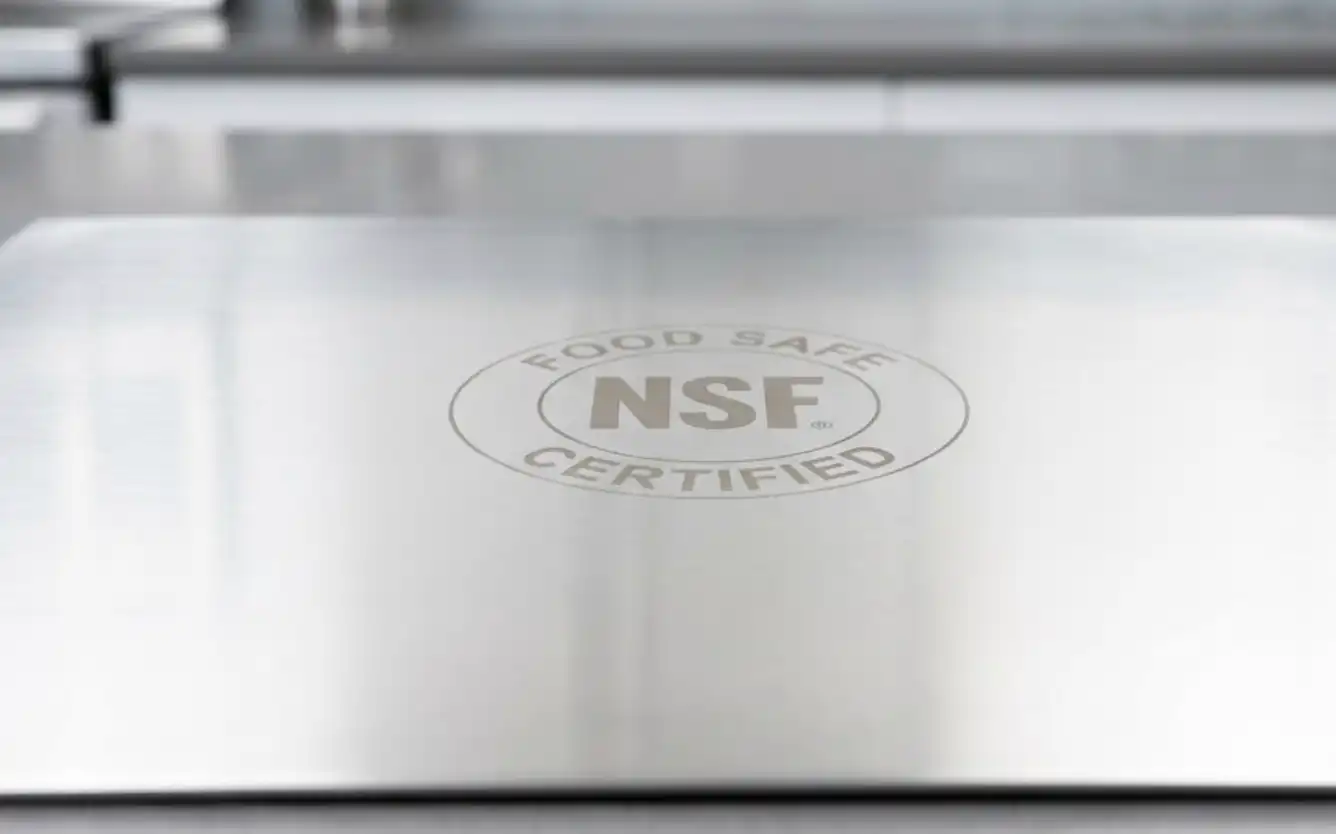
| NSF International | Provides certification for food equipment under NSF/ANSI Standard 51, focusing on corrosion resistance and cleanability. |
| ISO | Includes standards like ISO 15510 for stainless steel classification and ISO 22000 for food safety management systems. |
| EN | Requires compliance with Regulation (EC) No. 1935/2004, ensuring materials do not transfer harmful substances to food. |
| 3-A Sanitary Standards | Defines sanitary design criteria for stainless steel in dairy and beverage industries, emphasizing surface finish and cleanability. |
| EHEDG | Offers guidelines for hygienic equipment design, focusing on surface finish and material compatibility. |
These rules help you trust food grade stainless steel. The metal must be strong, easy to clean, and not rust.
Benefits for Food Safe Applications
You want materials that keep food safe and last long. Food grade stainless steel has many good points for food safety:
- Hygiene and Cleanliness: The smooth surface stops bacteria and is easy to clean.
- Corrosion Resistance: The metal does not rust or get damaged by water or acids.
- Durability and Strength: You can use it every day and it will not break.
- Chemical Resistance: It does not get ruined by strong cleaning chemicals.
- Temperature Resistance: The metal stays strong in hot or cold places.
- Non-Reactive Nature: It does not let bad things get into food.
- Regulatory Compliance: It follows food safety rules for cleanliness.
- Long-Term Cost Efficiency: It costs more at first but saves money because it lasts.
Tip: If you pick food grade stainless steel, you keep food safe and cleaning is easier. You also follow important safety rules.
Food grade stainless steel is the best choice for food safety. It keeps food safe, stays strong, and meets health rules.
Importance for Food Safety
Preventing Contamination
Non-reactive Surface
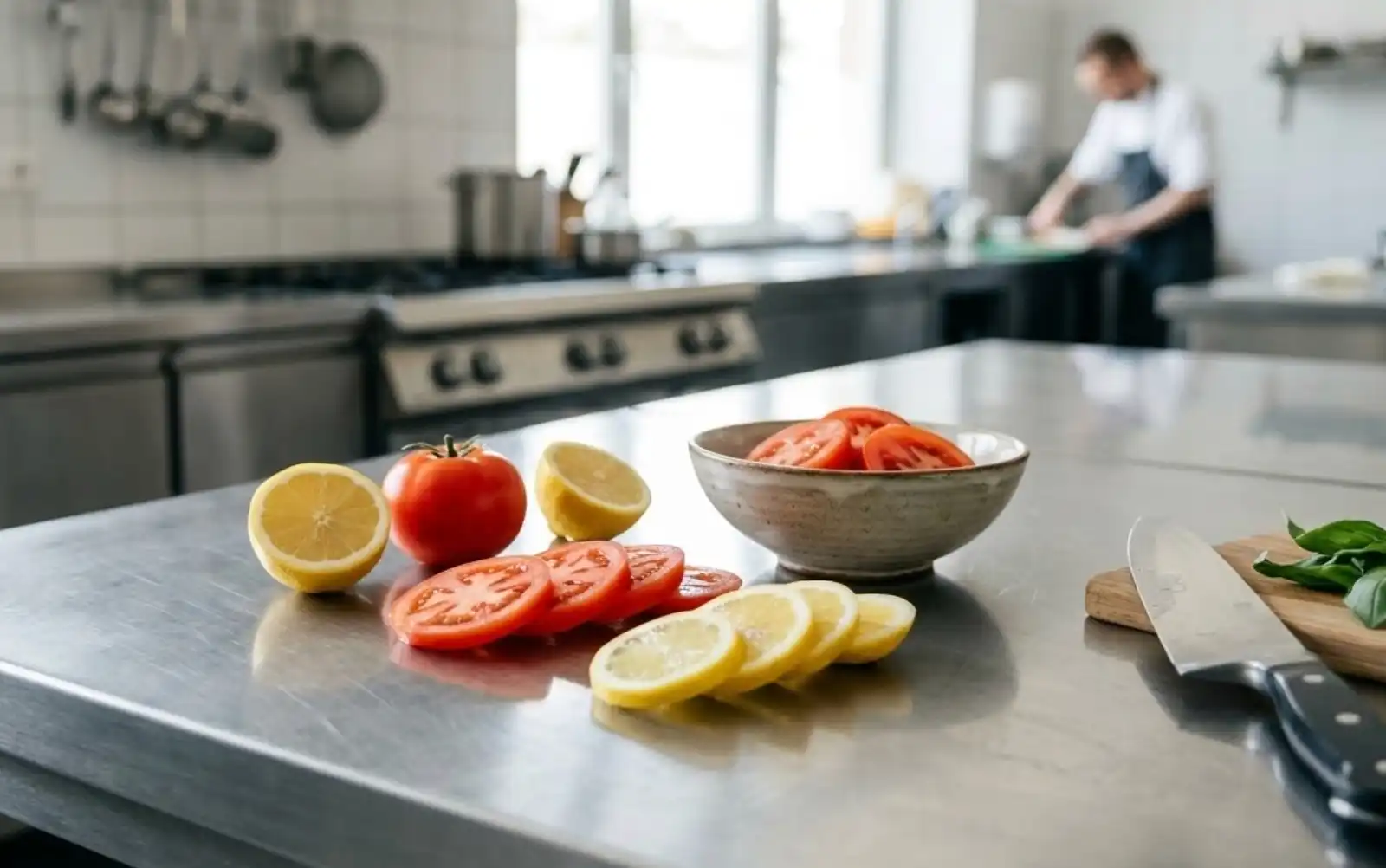
You need materials that keep your food safe from germs. Food grade stainless steel has a surface that does not react with food. This means it will not change when you cook with acids or bases. You can use it for tomatoes, lemons, or vinegar without worry. The taste and safety of your food stay the same. The surface does not let bad things mix with your meals.
Here is a table that shows how food grade stainless steel helps stop contamination:
| Attribute | Benefit |
|---|---|
| Corrosion resistance | Stops the metal from breaking down, so equipment stays strong and food stays safe. |
| Non-reactivity with food | Keeps food safe and tasty because it does not react with acids or bases. |
| Ease of sanitation | Smooth, non-porous surfaces make it hard for bacteria to grow and are simple to clean. |
| Durability | Stays strong even when used a lot or in hot and cold places, so it lasts a long time. |
You can trust this metal for food because it does not soak up liquids or smells. It helps keep your kitchen safe and clean.
Corrosion Resistance
Corrosion resistance is very important for food grade stainless steel. You use it where there is water, acids, or cleaning chemicals. The metal does not rust or fall apart. This keeps your tools strong and safe to use. You do not get cracks or holes that can hide germs. You also follow health rules because the surface stays smooth and easy to clean.
Here is another table that shows why stainless steel helps stop cross-contamination:
| Characteristic | Description |
|---|---|
| Superior hygienic properties | The smooth, tight, and non-porous surface stops bacteria and germs from building up. |
| Compliance with health regulations | It is a good choice for meeting strict HACCP rules, which helps keep food safe and stops cross-contamination. |
| Non-absorbent | It does not soak up liquids or smells, so there is less chance of contamination. |
Tip: Groups like the U.S. FDA and the European Commission say food-contact surfaces must be easy to clean. Stainless steel is a top pick because it is very hygienic.
Hygiene and Health
You want your kitchen to be healthy. Food grade stainless steel helps you do this. Studies show that stainless steel surfaces lower the number of germs like Salmonella, Staph. aureus, and Campylobacter. You can clean food off the surface, but you still need to sanitize to kill germs you cannot see. The metal is strong and does not rust, so it helps you keep things clean for a long time.
You can see the good points in this list:
- You can clean and sanitize surfaces easily.
- You lower the chance of spreading germs.
- You keep your kitchen safe for food.
Food grade stainless steel helps you feel sure your tools stay strong, clean, and safe for food.
Key Properties of Food Grade Stainless Steel
Durability
You need materials that last in your kitchen or food business. Food grade stainless steel stands out because it stays strong even when you use it every day. It does not break or bend easily. You can drop it, bump it, or use it in hot and cold places. It keeps its shape and does not crack. This metal handles rough conditions and heavy use. You save money because you do not have to replace your equipment often.
Here is a table that shows how food grade stainless steel compares to other materials:
| Evidence Description | Key Points |
|---|---|
| Strong and durable material | Handles friction, impact, and heavy use |
| Long-term stability | Does not deform or break, lowers replacement costs |
| Resistant to mechanical stress | Works well at different temperatures |
| Robust material | Survives rough conditions in kitchens and factories |
| Tolerates wide temperature variations | Does not crack or lose its protective layer |
| Maintains corrosion resistance | Stays strong for long-term use |
Note: You can trust food grade stainless steel to keep your tools safe and reliable for years.
Chemical Resistance
You work with many foods and cleaning products. Food grade stainless steel resists water, acids, and salt. It does not let chemicals damage its surface. You can use it with tomatoes, vinegar, or lemon juice. It also stands up to cleaning chemicals. Grade 316 works best in places with lots of salt, like seafood kitchens. Grade 304 resists oxidation and corrosion because it has chromium and nickel. Grade 316 has molybdenum, which helps it fight acids.
- Food grade stainless steel resists:
- Water
- Food acids
- Cleaning chemicals
- Salt (especially grade 316)
You keep your food safe because the metal does not let harmful substances get into your meals. You also protect your equipment from rust and stains.
Easy Cleaning
You want surfaces that are easy to clean. Food grade stainless steel has a smooth surface. Bacteria and dirt cannot stick to it easily. You can wipe it down and sanitize it without much effort. You should rinse with clean water after cleaning. Dry with a soft cloth to stop water spots. Always wipe in the direction of the steel’s grain for the best results.
Here are some cleaning tips:
- Use soft cloths or plastic pads to avoid scratches.
- Scrub in the direction of the polishing lines.
- Choose cleaners that do not contain chloride.
- Soften hard water to prevent mineral deposits.
- Clean equipment often to stop stains and buildup.
- Rinse and dry completely to avoid water spots.
Tip: Avoid harsh cleaners like steel wool. Always dry surfaces to keep them shiny and free from spots.
Food grade stainless steel helps you keep your kitchen clean and safe. You spend less time cleaning and more time preparing food.
Food Grade Stainless Steel Types
You can find different types of food grade stainless steel in kitchens and factories. Each type has special features and is used for different things. The three main grades are 304, 316, and 430. You can look at the table below to compare them:
| Feature | 304 Stainless Steel | 316 Stainless Steel | 430 Stainless Steel |
|---|---|---|---|
| Corrosion Resistance | Excellent | Superior | Moderate |
| Strength | Good | Better at high temps | Can become brittle |
| Typical Uses | Food equipment, sinks, tanks | Marine, medical, acidic foods | Budget cookware, trim |
| Magnetic | No | No | Yes |
304 Food Grade Stainless Steel
Features
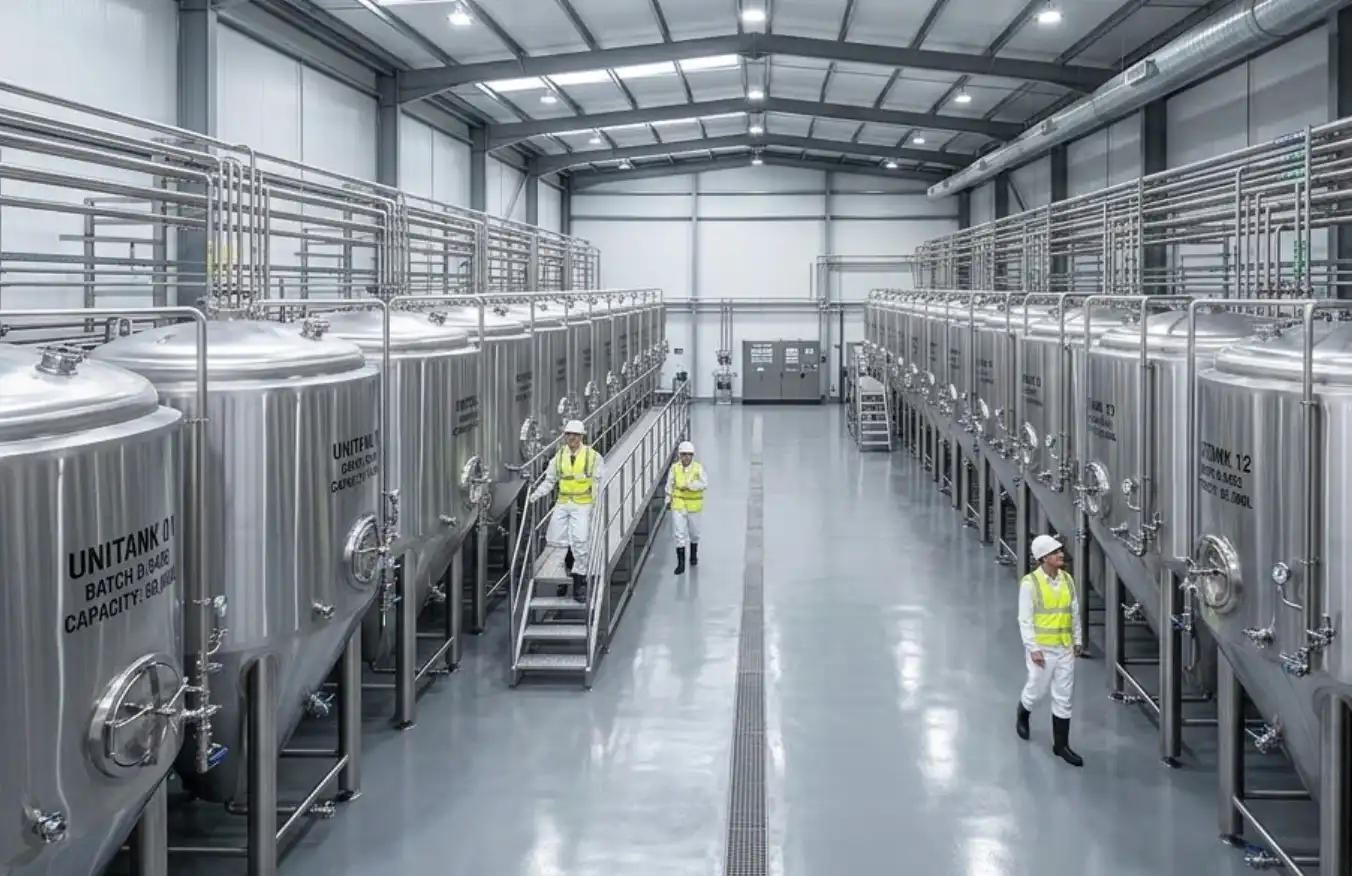
Most food contact surfaces use 304 food grade stainless steel. This type has about 18% chromium and 8% nickel. It is not magnetic and does not rust from most foods or cleaners. You can clean it easily, and it does not react with acids in food. The surface stays smooth and safe for food. This grade is strong and does not rust in normal kitchen use.
Note: 304 food grade stainless steel is used a lot because it fights acids, keeps food safe, and is simple to clean.
Common Uses
You can find 304 food grade stainless steel in many places:
- Restaurant prep tables
- Commercial sinks
- Cutlery
- Brewing tanks
- Food storage containers
- Industrial processing equipment
You also see it in storage tanks and dishwashers. This grade works well because it stands up to acids and lots of cleaning.
316 Stainless Steel
Features
You use 316 stainless steel when you need more protection. This type has molybdenum, which helps it fight rust from salt and strong chemicals. You can use it where there is a lot of salt or harsh cleaners. The surface stays strong and does not break down, even with acids or tough cleaners.
Common Uses
You find 316 stainless steel in:
- Coastal or marine kitchens
- Butcher shops and meat processing stations
- High-acid food prep areas
- Commercial kitchens with lots of chemical cleaning
- Food transport carts
You should pick this grade if you work with seafood, salty foods, or strong cleaners.
430 Stainless Steel
Features
430 stainless steel has less chromium and no nickel. This makes it magnetic and not as good at fighting rust. It costs less and is easy to shape. But it can get brittle when it is cold and does not handle acids as well as other grades.
| Advantages | Limitations |
|---|---|
| Cost-effective | Lower corrosion resistance |
| Good formability | Brittleness at low temperatures |
| Oxidation resistance | Reduced weldability |
Common Uses
You see 430 stainless steel in:
- Budget cookware
- Appliance panels
- Food equipment that does not touch acidic foods
- Decorative trim
You should use this grade when you want to save money and the place is not too harsh.
Tip: If you want the best mix of safety, strength, and easy cleaning, pick 304 food grade stainless steel for most food contact surfaces.
Choosing Food Grade Stainless Steel
When you pick food grade stainless steel, you need to think about a few things. These choices help keep food safe and your kitchen clean. They also make your equipment last longer. Food makers use the right materials to keep food safe and work fast.
Factors to Consider
Intended Use
Think about how you will use the stainless steel. If you cook with salty or acidic foods, you need metal that does not rust. Grade 316 stainless steel is good for seafood, meat, or salty foods. For most foods, 304 stainless steel is a common pick. It works well for many foods and cleaning jobs. If you need to store food, choose a grade that does not react with food or cleaners.
Environment
Where you use the stainless steel is important. Kitchens, factories, and storage rooms all have different needs. If your place is wet or cleaned a lot, you need metal that does not rust and stays strong. Food makers like stainless steel with a smooth surface. This stops bacteria from hiding in small spaces. You also need to check if the metal meets FDA and NSF rules for food.
Budget
You need to think about price and how long the metal lasts. Some grades cost more but last longer. 304 stainless steel is a good deal for most kitchens and food makers. If you need more protection from salt or chemicals, grade 316 costs more but works better. You save money over time because your tools last longer and stay safe.
Tip: Always make sure the stainless steel grade fits your food needs and follows safety rules.
Practical Selection Tips
You can use these tips to pick the best food grade stainless steel:
- Check if it resists rust. Pick 304 or 316 for strong protection from acids, salt, and cleaners.
- Look for smooth surfaces. This makes cleaning easy and keeps germs away.
- Make sure it meets FDA or NSF rules. This keeps your food safe and follows the law.
- Think about how strong it is. Pick grades that can handle lots of use and cleaning.
- Think about cost. Higher grades may cost more at first but save money later.
| Selection Factor | Why It Matters |
|---|---|
| Corrosion Resistance | Stops rust and keeps food safe |
| Surface Finish | Makes cleaning easy and stops germs |
| Regulatory Compliance | Follows food safety and legal rules |
| Durability | Keeps tools strong and working well |
| Cost-Efficiency | Saves money in the long run |
Food makers must pick the right grade for each job. This keeps food safe, tools clean, and the business running well.
Care and Maintenance
Cleaning Practices
You need to clean food grade stainless steel the right way to keep it safe and shiny. In a commercial kitchen, you see stainless steel everywhere. You want to avoid scratches and stains. Here are some cleaning practices you should follow:
- Rinse surfaces with clean water after each use. Dry them with a soft cloth to stop water spots and streaks.
- Do not use harsh abrasive cleaners like steel wool or scouring powders. These can scratch the surface and make it harder to clean.
- Avoid cleaners that contain chlorides, such as bleach. Chlorides can cause pitting and corrosion.
- Dry stainless steel after cleaning. This prevents mineral deposits from hard water that can damage the protective layer.
- For tough messes, use a soft cloth, sponge, or nylon scrubber. You can make a paste with baking soda and water for gentle cleaning.
Tip: Always wipe in the direction of the polish lines. This keeps the surface smooth and helps prevent scratches.
Preventing Wear
You want your stainless steel equipment to last. Regular maintenance helps prevent wear and keeps your tools strong. Here is what you should do:
- Use proper tools for maintenance. Soft cloths and nylon scrubbers work best.
- Clean with the polish lines. This keeps the surface strong and stops damage.
- Choose cleaners that protect against corrosion. Avoid harsh chemicals.
- Treat water if you have hard water. This reduces mineral deposits that cause wear.
- Keep equipment clean. Buildup can lead to deterioration and make cleaning harder.
- Rinse thoroughly after cleaning. This removes any leftover cleaning agents that could harm the surface.
Note: Keeping your equipment clean and dry helps it stay strong and safe for food.
Maximizing Lifespan
Proper care and maintenance help your stainless steel equipment last longer. The corrosion resistance of stainless steel protects against rust and contamination. The chromium in the metal forms a protective oxide layer. This layer keeps your equipment safe and effective. You need to check for scratches and dry tanks after cleaning. These steps prevent bacterial growth and extend the lifespan of your tools.
Stainless steel has a non-porous and smooth surface. You can clean and sanitize it easily. This is important in commercial kitchens where hygiene matters most. Stainless steel stands up to tough cleaning methods. You meet hygiene standards and keep your food safe.
Tip: Inspect your equipment often. Look for scratches or damage. Dry surfaces after cleaning to stop bacteria and keep your tools working well.
You keep your kitchen safe and your equipment strong when you follow these care and maintenance steps.
You must pick the correct stainless steel for food safety. Grade 304 resists rust and is simple to clean. Grade 316 protects better in tough or acidic places. Both grades help keep food safe and meet hygiene rules. Always follow industry advice and use brushes that are not metal. Stainless steel stays smooth and does not have holes, so it is safe for food. When you choose and care for your tools, you keep your kitchen and health safe.
FAQ
What does “food grade” mean for stainless steel?
Food grade means the stainless steel is safe for contact with food. You can use it in kitchens and factories. It does not react with food or change taste.
What types of stainless steel are considered food grade?
You find 304 and 316 as the most common food grade types. 430 is also used for some equipment. These types resist rust and are easy to clean.
What makes stainless steel safe for food?
You get safety from its non-reactive surface. The metal does not absorb bacteria or flavors. It stays strong and smooth after cleaning.
What foods can you use with food grade stainless steel?
You can use all foods, including acidic items like tomatoes and lemons. The metal does not change taste or color. It works well for salty and spicy foods.
What is the difference between 304 and 316 stainless steel?
304 resists most acids and is cost-effective. 316 has molybdenum, which gives extra protection against salt and harsh chemicals. You use 316 for seafood or tough cleaning.
What care does food grade stainless steel need?
You should clean with soft cloths and avoid harsh chemicals. Dry surfaces after washing. Inspect for scratches and keep the surface smooth for safety.