
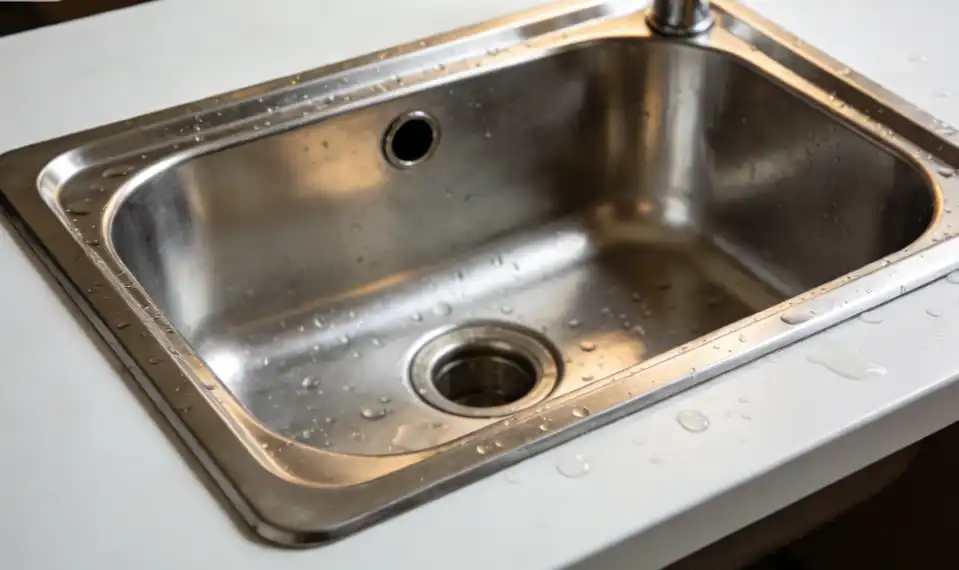
The best thickness for a stainless steel sink in 2026 is 16 gauge, which is about 1.5 mm. You want your kitchen sink to last and look great, so thickness matters a lot. A thicker sink feels solid when you drop heavy pots in it. It also keeps noise down, which makes your kitchen quieter. Thicker sinks, like 16 gauge, stay smooth and do not bend or show waves. You get a strong, quiet, and good-looking kitchen sink that stands up to daily use.
| Sink Type | Gauge | Durability | Noise Level | Appearance |
|---|---|---|---|---|
| Handmade | 16 | High | Low | Robust |
| Pressed | 18 | Moderate | High | Standard |
Key Takeaways
- Pick a 16 gauge stainless steel sink for strong use and good results in 2026.
- Thicker sinks do not dent or bend easily. They are good for heavy pots and daily work.
- A 16 gauge sink helps keep noise low. Your kitchen stays quieter when you use it.
- Buying a thicker sink means you do not need to fix it often. It lasts longer and saves money in the long run.
- Thicker sinks look smoother. They make your kitchen look nicer.
- Think about how much you cook. People who cook a lot need a thicker sink.
- Do not pick thin sinks like 20 gauge or higher for busy kitchens. Thin sinks can dent and bend fast.
- Take care of your sink by drying it after use. Do not use strong cleaners. This keeps your sink looking good.
Why Stainless Steel Sink Thickness Matters
When you pick out a stainless steel sink for your kitchen, you might wonder why thickness matters so much. The answer is simple: the right gauge gives you a sink that lasts longer, stays quieter, and looks better every day. Let’s break down what makes thickness of the sink so important for your home.
Durability and Strength
Dents and Warping
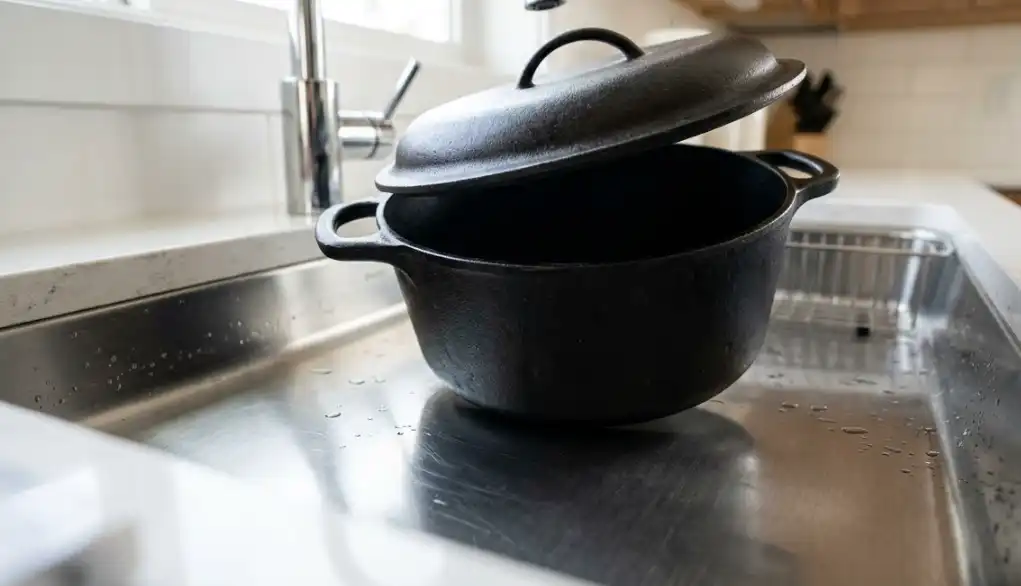
You want your kitchen sink to handle heavy pots, pans, and even the occasional dropped dish. Thicker sinks, like 16 or 18 gauge, stand up to daily bumps and knocks. They resist dents and warping much better than thinner options. If you’ve ever seen a wavy or bent sink, it’s usually because the gauge was too thin. A sturdy sink keeps its shape and stays smooth, even after years of use.
Longevity
Durability means more than just avoiding dents. A thicker stainless steel sink offers real resistance to wear and tear. You won’t have to worry about replacing your sink anytime soon. The extra material gives you peace of mind, knowing your investment will last for many years. This is why many homeowners choose a thicker gauge for their kitchen.
Tip: If you cook a lot or use heavy cookware, a thicker sink will save you headaches down the road.
Noise Control
Sound Dampening
Nobody likes a noisy kitchen. Thicker sinks help with noise reduction by absorbing the sound of running water and clattering dishes. The extra mass in a 16 gauge sink makes it much quieter than thinner models. You’ll notice the difference every time you wash up. Some sinks also come with sound-dampening pads, but the right thickness does most of the work.
Corrosion Resistance
Stainless steel is famous for its corrosion resistance, but thickness plays a big role here, too. A thicker sink has more material to fight off corrosion from water, cleaning products, and food acids. This means your sink stays shiny and free from rust spots. You get a cleaner, healthier kitchen environment.
Here’s a quick look at why thickness is so important:
| Reason | Explanation |
|---|---|
| Durability | Thicker sinks (16–18 gauge) handle wear and tear better and last longer. |
| Noise Reduction | More mass means less noise from water and dishes. |
| Corrosion Resistance | Thicker steel stands up to corrosion and keeps your sink looking new. |
| Heat Resistance | Stainless steel can handle hot pots without warping or cracking. |
| Eco-friendliness | Many sinks use recycled steel, making them a green choice for your kitchen. |
Appearance and Finish
A thicker stainless steel sink doesn’t just perform better—it looks better, too. You get a smooth, flat surface without waves or bends. The finish stays even, and your kitchen looks sharp and modern. If you care about style, thickness makes a real difference.
Choosing the right gauge means you get durability and strength, noise reduction, and corrosion resistance all in one. That’s what makes thickness such a key factor when picking out your next kitchen sink.
When you walk into your kitchen, you want your sink to look sharp and clean. The thickness of your stainless steel sink plays a big role in how it looks and feels. You might not think about this at first, but a thicker sink gives you a better finish and a more attractive kitchen.
What does a thicker sink do for the appearance? First, it keeps the surface flat and smooth. Thin sinks can show waves or dents, especially after a few years. You might notice ripples or even small bends if you press down on the edges. With a 16 gauge sink, you get a solid, flat surface that stays looking new. Your sink will not sag or look uneven, even if you use heavy pots and pans every day.
You also get a better finish with a thicker sink. The steel feels more premium and has a deeper shine. When you clean it, you see a nice reflection and a smooth texture. This makes your whole kitchen look more modern and high-end. If you care about style, you will love how a thicker sink stands out.
Tip: If you want a sink that matches your stainless steel appliances, go for a thicker gauge. The finish will blend in better and look more professional.
Let’s look at what you get with different sink thicknesses:
| Gauge (Thickness) | Surface Quality | Finish Appearance | Style Impact |
|---|---|---|---|
| 16 (about 1.5 mm) | Very smooth | Deep, even shine | Modern, premium |
| 18 (about 1.2 mm) | Smooth | Good shine | Standard, classic |
| 20+ (thinner) | Wavy, uneven | Dull, less even | Basic, budget |
You might wonder if a thicker sink is harder to clean. The answer is no. In fact, the smooth surface makes wiping up spills and water spots much easier. You will spend less time scrubbing and more time enjoying your kitchen.
A thicker sink also hides scratches better. Everyday use can leave marks, but the deeper finish on a 16 gauge sink helps mask small scratches. Your sink keeps its good looks for years.
If you want a kitchen that feels solid and looks beautiful, the right sink thickness makes a big difference. You get a sink that looks great, feels sturdy, and matches your style. That’s why so many homeowners choose a thicker stainless steel sink for their kitchen remodel.
Best Thickness of a Kitchen Stainless Steel Sink in 2026
When you shop for a kitchen stainless steel sink, you want to know the best thickness for your home. In 2026, the answer is clear. Most experts and homeowners agree that 16 gauge is the top choice. Let’s look at what makes this gauge stand out and why it’s the best thickness of a kitchen stainless steel sink for you.
Industry Standards
You might see different gauge numbers when you compare sinks. The most common gauges for a kitchen stainless steel sink are 16 and 18. These numbers tell you how thick the steel is. A lower gauge means a thicker sink. Industry standards in 2026 show that 16 gauge sinks are now the most popular for new kitchens. Builders and designers pick this gauge because it gives you the right mix of strength, style, and value.
Note: If you see a sink with a higher gauge number, like 20 or 22, that means the steel is thinner. These sinks cost less, but they do not last as long or look as good.
16 Gauge vs 18 Gauge
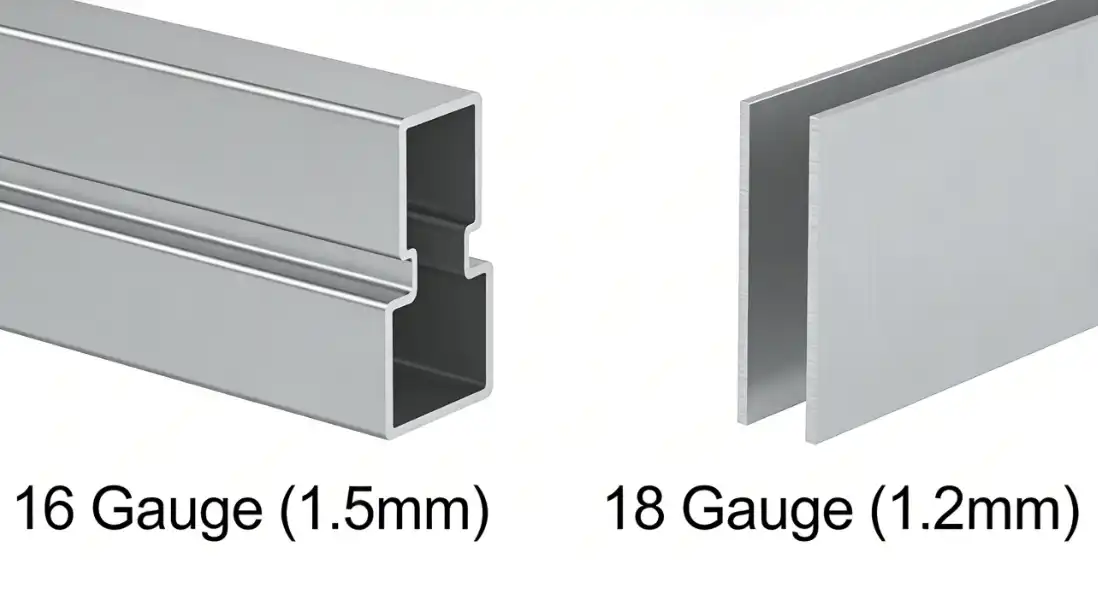
You may wonder about the difference between 16 gauge and 18 gauge. Both are common in kitchens, but they are not the same. Let’s break it down.
Thickness in mm and inches
- 16 gauge: about 1.5 mm (0.059 inches)
- 18 gauge: about 1.2 mm (0.047 inches)
That small difference in thickness makes a big difference in how your sink feels and works. A 16 gauge kitchen stainless steel sink feels solid and strong. An 18 gauge sink is still good, but it is a bit lighter and can feel less sturdy.
Pros and Cons
Here’s a quick table to help you compare:
| Gauge | Thickness (mm/inch) | Pros | Cons |
|---|---|---|---|
| 16 | 1.5 mm / 0.059 in | Very strong, quiet, looks premium | Costs a bit more |
| 18 | 1.2 mm / 0.047 in | Good value, lighter, still durable | More noise, dents easier |
- 16 gauge sinks give you better durability and noise control. You get a sink that stands up to heavy pots and daily use.
- 18 gauge sinks are a bit cheaper. They work well if you want to save money, but you may notice more noise and small dents over time.
Tip: If you want a kitchen that feels solid and quiet, go with 16 gauge. If you want to save money and do not mind a little extra noise, 18 gauge can work.
Why 16 Gauge is Recommended
You want the best thickness of a kitchen stainless steel sink for your home. In 2026, 16 gauge is the top pick for most kitchens. Here’s why:
- Durability: A 16 gauge sink lasts longer. It resists dents, warping, and daily wear. You do not have to worry about replacing your sink soon.
- Noise Control: Thicker steel means less noise. You will not hear as much clatter from dishes or running water.
- Appearance: A 16 gauge kitchen stainless steel sink looks smooth and flat. It keeps its shine and does not show waves or bends.
- Value: You get more for your money. The sink stays looking new for years, so you do not need to buy a new one often.
Many kitchen designers and builders now choose 16 gauge as the best thickness of a kitchen stainless steel sink. You get the right balance of price, performance, and style. If you want a sink that feels solid, looks great, and lasts, 16 gauge is the way to go.
Callout: When you pick the right gauge, you make your kitchen better every day. You get a sink that works hard and looks good.
If you want to follow the latest trends and get the most out of your kitchen, choose a 16 gauge kitchen stainless steel sink. You will notice the difference every time you cook, clean, or just enjoy your kitchen.
Kitchen Stainless Steel Sink Comparison by Thickness
When you shop for a kitchen stainless steel sink, you see a lot of choices about gauge and thickness. What do these numbers mean for your kitchen? Let’s break down what you get with different gauges, so you can pick the right sink for your home.
16 Gauge Sinks
Strength and Durability
A 16-gauge sink gives you the best mix of strength and durability. You feel the difference right away. The thicker steel stands up to heavy pots and pans. You do not have to worry about dents or warping. If you want a kitchen stainless steel sink that lasts for years, this is the one to choose. The thickness of the sink helps it resist daily wear and tear. You get a solid, sturdy feel every time you use it.
Ideal Use Cases
What kitchens need a 16-gauge sink? If you cook often or use heavy cookware, this gauge works best. It fits busy family kitchens, home chefs, and anyone who wants a premium look. You also see thicker kitchen stainless steel sinks in high-end remodels. If you want a quiet kitchen, the extra thickness helps reduce noise from water and dishes.
Tip: Choose a 16-gauge sink if you want your kitchen to feel solid and quiet.
18 Gauge Sinks
Cost and Popularity
An 18-gauge sink is a popular choice for many homes. You see this gauge in lots of new kitchens. The steel is a bit thinner than 16 gauge, but it still offers good durability. The main reason people pick this gauge is cost. You save money, but you still get a kitchen stainless steel sink that looks nice and works well.
| Gauge | Thickness (mm) | Durability | Noise | Cost |
|---|---|---|---|---|
| 16 | 1.5 | High | Low | Higher |
| 18 | 1.2 | Good | Medium | Moderate |
When to Choose 18 Gauge
What kitchens work best with an 18-gauge sink? If you want to balance price and quality, this gauge is a smart pick. It fits rental homes, starter kitchens, or places where you do not use heavy cookware every day. You might notice a bit more noise and a higher chance of small dents, but for many kitchens, this gauge does the job.
Thinner and Thicker Options
20-22 Gauge Sinks
You sometimes see sinks with a 20 or 22 gauge. These are much thinner. What does that mean for your kitchen? These sinks cost less, but they dent and warp easily. You might see waves or bends after just a few months. If you want your kitchen stainless steel sink to last, you should avoid these gauges for busy kitchens.
Commercial and Custom Sinks
What about commercial and custom sinks? In restaurants and busy kitchens, you need a sink that can handle heavy use. Most commercial sinks use 16 or 18 gauge steel. This thickness stands up to constant washing, big pots, and lots of traffic. Custom sinks also follow these standards. You get the same strength and durability as you would in a high-end home kitchen.
Note: Commercial kitchens rely on 16 or 18 gauge sinks because they need maximum durability and strength.
When you compare kitchen stainless steel sinks by thickness, you see that gauge matters. The right choice depends on how you use your kitchen, your budget, and what you want from your sink.
Choosing the Right Sink Thickness
When you want to choose the thickness of stainless steel sinks for your kitchen, you need to think about your daily habits, your kitchen style, and your budget. Each factor helps you decide what sink will work best for you.
Assessing Kitchen Needs
Usage Frequency
How often do you use your kitchen sink? If you cook every day or have a big family, you need a thicker sink. A thicker sink stands up to heavy use and lasts longer. If you use your kitchen less often, a thinner sink might work for you. Here’s a quick look at what thickness fits your kitchen use:
| Kitchen Use Frequency | Recommended Sink Thickness |
|---|---|
| Frequent (large family/commercial) | 1.0 mm or thicker |
| Less frequent | 0.8 mm or 0.5 mm |
A busy kitchen needs a strong sink. You want something that can handle pots, pans, and lots of washing up. If you only cook sometimes, you can pick a lighter sink and still get good results.
Type of Cookware
Think about what you wash in your sink. Heavy cookware, like cast iron or big pots, needs a thicker sink. Thicker sinks resist dents and keep their shape. If you use lighter dishes, you can choose a thinner sink. The right thickness keeps your kitchen running smoothly and your sink looking good.
You can also check this table to see what factors matter most:
| Factor | Explanation |
|---|---|
| Durability | Thicker sinks are more durable and resist damage. |
| Noise Control | Thicker sinks absorb sound better, making your kitchen quieter. |
| Corrosion Resistance | Thicker sinks keep their shine and resist scratches. |
| Appearance/Design | The right thickness looks solid and stylish in your kitchen. |
Matching Sink to Kitchen Style
Modern vs Traditional
Modern kitchens often use undermount sinks. These sinks sit under the countertop and need the right thickness for support. Modern kitchens also like deep and wide sinks. These designs need a thicker sink to stay strong. Traditional kitchens may use heavier materials, so you want a sink that matches the weight and look of your kitchen.
Undermount vs Topmount
Undermount sinks need a thicker design. They support the countertop and handle more weight. Topmount sinks can use a thinner sink, but you still want something that feels solid. The style of your kitchen helps you decide what thickness works best.
Tip: If you want a modern look, go for a thicker, undermount sink. For a classic kitchen, you can choose a topmount sink with a moderate thickness.
Balancing Quality and Budget
You want the best quality for your money. Thicker sinks cost more, but they last longer and look better. If you have a tight budget, you can find a good sink that fits your needs. Here’s what you get at different price points:
| Budget Range | Sink Characteristics |
|---|---|
| Under $300 | Basic sinks, good for simple kitchens and light use. |
| $300 to $900 | Mid-range sinks, better materials, good balance of durability and design. |
| $900 and Up | Premium sinks, top quality, and stylish finishes. |
When you want to know how to choose the right sink gauge, think about your kitchen needs, your style, and your budget. The right thickness gives you a sink that works well and looks great for years.
Cost and Value of Stainless Steel Sinks
Price Differences by Thickness
When you look at kitchen stainless steel sinks, you see a range of prices. The gauge of the sink plays a big role in how much you pay. Thicker sinks, like 16 gauge, usually cost more than thinner ones, such as 18 or 20 gauge. You pay for more steel and better performance. A 16 gauge kitchen stainless steel sink often sits in the same price range as mid-level granite composite sinks. You get a solid feel, less noise, and a longer lifespan. Thinner sinks, like 20 or 22 gauge, cost less at first. They can feel light and make more noise when you use them. These sinks may not last as long, so you might need to replace them sooner.
Here’s a quick look at how price changes with gauge:
| Gauge | Typical Price Range | Durability | Noise Level |
|---|---|---|---|
| 16 | $$$ | High | Low |
| 18 | $$ | Good | Medium |
| 20-22 | $ | Fair | High |
Note: You get what you pay for. A thicker kitchen stainless steel sink gives you better value over time.
Long-Term Value
You want your kitchen to work well for years. A thicker sink, like 16 or 18 gauge, gives you that peace of mind. These sinks last longer and keep their good looks. You do not have to worry about dents, warping, or loud noises. The value comes from less maintenance and fewer replacements. Even though you pay more at first, you save money in the long run. You also enjoy a quieter, stronger kitchen every day.
Many homeowners find that a thicker kitchen stainless steel sink feels like a smart investment. The quality stands out. You notice the difference every time you wash dishes or clean up after a meal.
When to Invest in Thicker Sinks
You should think about a thicker sink if you use your kitchen a lot. If you cook for a big family or love to entertain, a 16 gauge sink makes sense. You get strength, durability, and a premium look. If you plan to stay in your home for many years, a thicker kitchen stainless steel sink pays off. You avoid the hassle of early replacements.
Here are some signs you should invest in a thicker sink:
- You use heavy pots and pans.
- You want a quiet kitchen.
- You care about long-term value.
- You want a modern, high-quality look.
A thicker gauge means you get a kitchen that feels solid and works hard for you. You enjoy better sound control and a finish that stays smooth. When you choose the right gauge, you make your kitchen a better place for years to come.
Installation and Care Tips
Installing Different Thicknesses
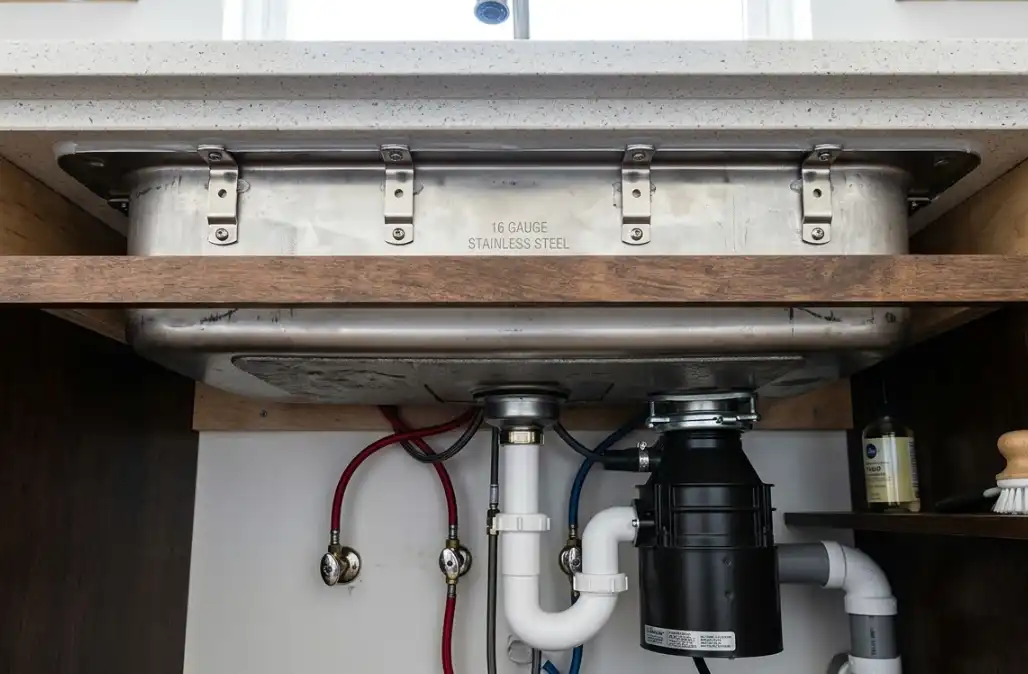
What should you know before installing a stainless steel sink? The thickness of your sink changes how you handle installation. A 16 gauge sink feels heavier and sturdier. You may need a friend to help lift it into place. Thicker sinks need strong support from your countertop. Make sure your cabinet can handle the extra weight.
If you pick an undermount sink, you want to double-check the mounting clips and sealant. A thicker sink needs secure clips to stay tight against the counter. For topmount sinks, you can use the same tools for any gauge, but you will notice that thicker sinks sit more solidly.
Tip: Always measure your cutout twice before you start. A thicker sink leaves less room for error.
Here’s a quick table to show what you need for different gauges:
| Gauge | Weight | Support Needed | Installation Difficulty |
|---|---|---|---|
| 16 | Heavy | Strong | Moderate |
| 18 | Medium | Standard | Easy |
| 20+ | Light | Basic | Easy |
Maintenance for Longevity
What keeps your stainless steel sink looking new? Regular care makes a big difference. You want to rinse your sink after every use. Wipe it dry with a soft cloth. This stops water spots and keeps the shine.
Use mild soap and warm water for cleaning. Avoid harsh chemicals or steel wool. These can scratch the surface. For tough stains, baking soda works well. Sprinkle some on a sponge and scrub gently.
You can also use a sink grid. This protects the bottom from scratches and dents. Remove the grid once a week and clean underneath. Don’t forget the drain area. Food bits can build up and cause odors.
Note: Stainless steel resists rust, but standing water can leave marks. Dry your sink after each use for the best results.
Common Mistakes
What mistakes do people make with stainless steel sinks? Many skip the support for heavy sinks. This can lead to sagging or leaks. Some use bleach or abrasive cleaners. These damage the finish and make the sink look dull.
Others forget to clean under sink accessories. Grids and mats can trap dirt. Always lift them out and clean both the sink and the accessory.
Here’s a list of common mistakes to avoid:
- Using harsh chemicals or steel wool
- Letting water sit in the sink
- Skipping support for heavy sinks
- Ignoring the drain and accessories
If you avoid these mistakes, your sink will last longer and look better. You get the most out of your investment with just a little care each day.
The best choice for most kitchens in 2026 is a 16 gauge stainless steel sink. This thickness gives you top durability, quiet use, and great value. You want a sink that stands up to daily life and keeps your kitchen looking sharp. Here’s a quick look at how thickness matters:
| Gauge | Durability | Noise Level | Value |
|---|---|---|---|
| 16 | Highest | Quietest | High |
| 18 | Excellent | Good | Great |
| 20+ | Lower | Noisy | Basic |
When you pick a sink, think about these key factors:
- Durability for heavy use
- Sound absorption for a quiet kitchen
- Resistance to dents and scratches
Choose the right thickness for your kitchen needs and style. The right sink makes every day in your kitchen better.
FAQ
What does “gauge” mean for a stainless steel sink?
Gauge tells you how thick the steel is. A lower number means thicker steel. For example, 16 gauge is thicker and stronger than 18 gauge.
What is the best thickness for a kitchen stainless steel sink?
You get the best results with 16 gauge, which is about 1.5 mm thick. This thickness gives you strength, quiet use, and a smooth look.
What happens if I choose a thinner sink?
A thinner sink, like 20 or 22 gauge, dents and warps more easily. You might hear more noise when you use it. It may not last as long.
What is the difference between 16 and 18 gauge sinks?
| Gauge | Thickness (mm) | Durability | Noise Level |
|---|---|---|---|
| 16 | 1.5 | High | Low |
| 18 | 1.2 | Good | Medium |
You get more strength and less noise with 16 gauge.
What type of kitchen needs a thicker sink?
You need a thicker sink if you cook often, use heavy pots, or want a quiet kitchen. Busy family kitchens and home chefs benefit most from 16 gauge sinks.
What should I avoid when cleaning my stainless steel sink?
Avoid harsh chemicals, bleach, or steel wool. These can scratch or dull the finish. Use mild soap, warm water, and a soft cloth for best results.
What is the main reason to invest in a thicker sink?
You get long-lasting durability, less noise, and a premium look. A thicker sink stands up to daily use and keeps your kitchen looking great for years.