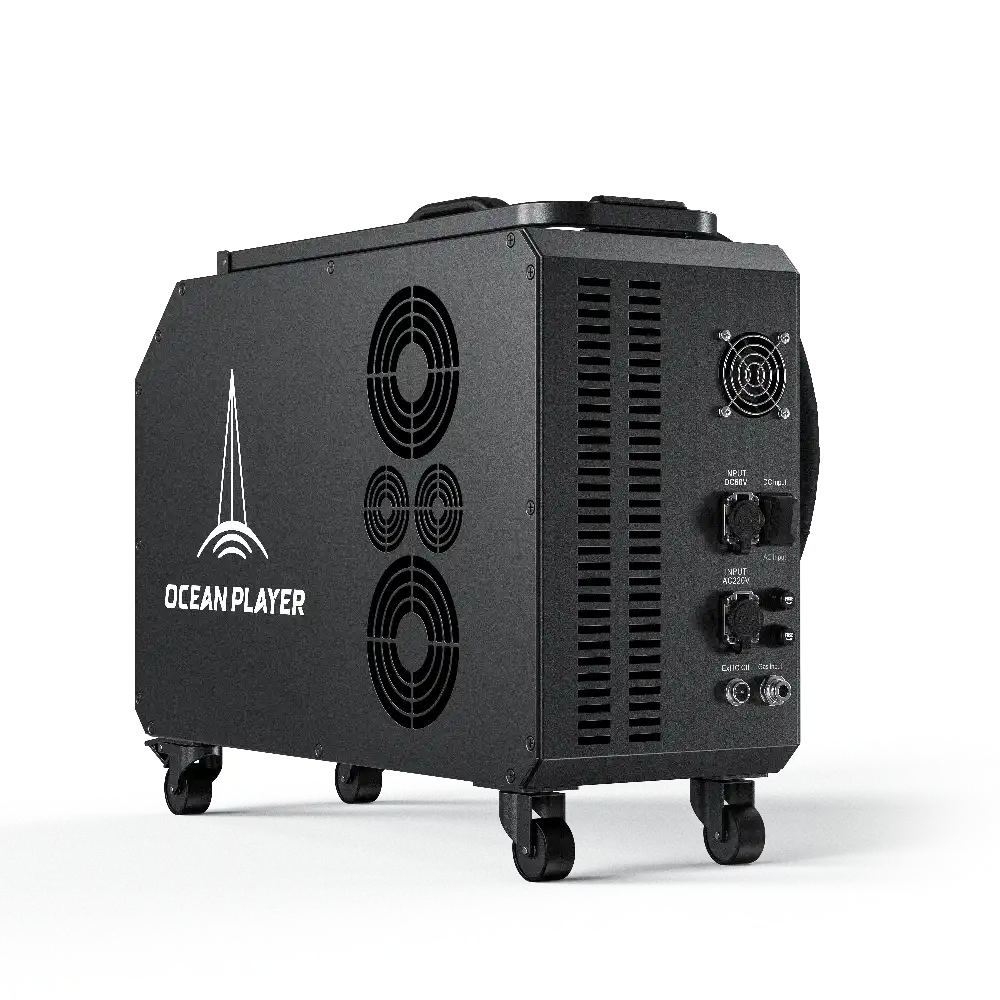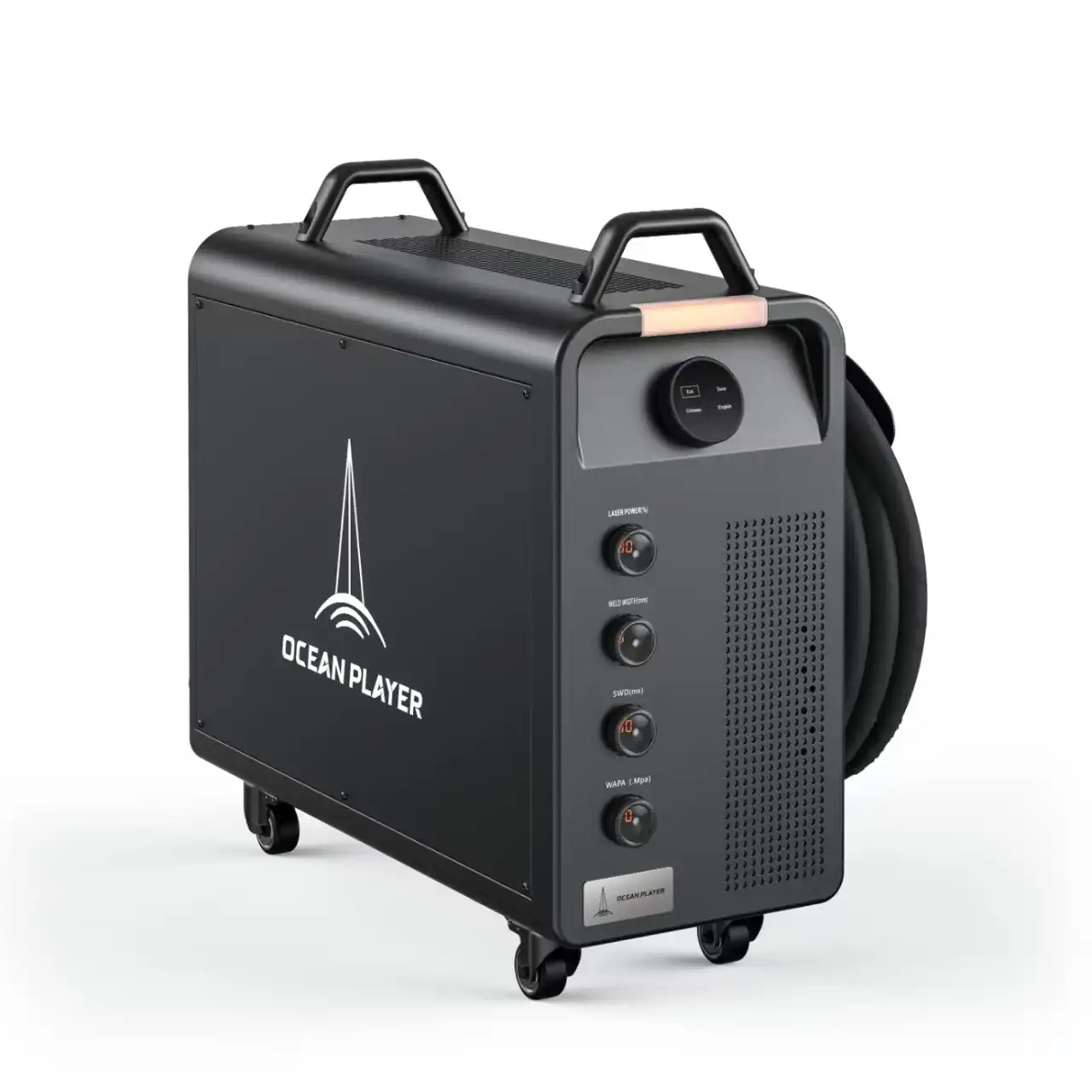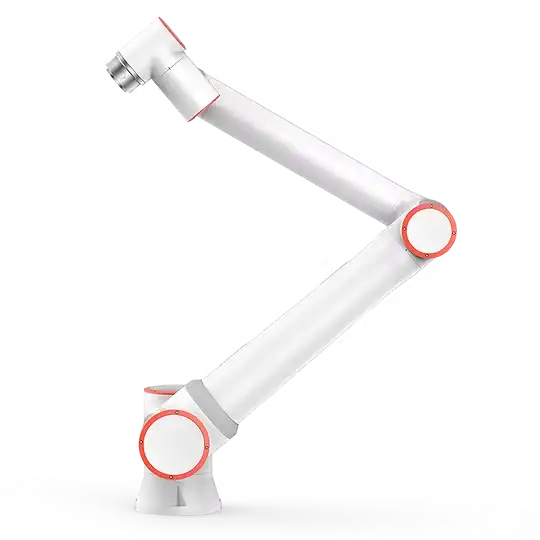
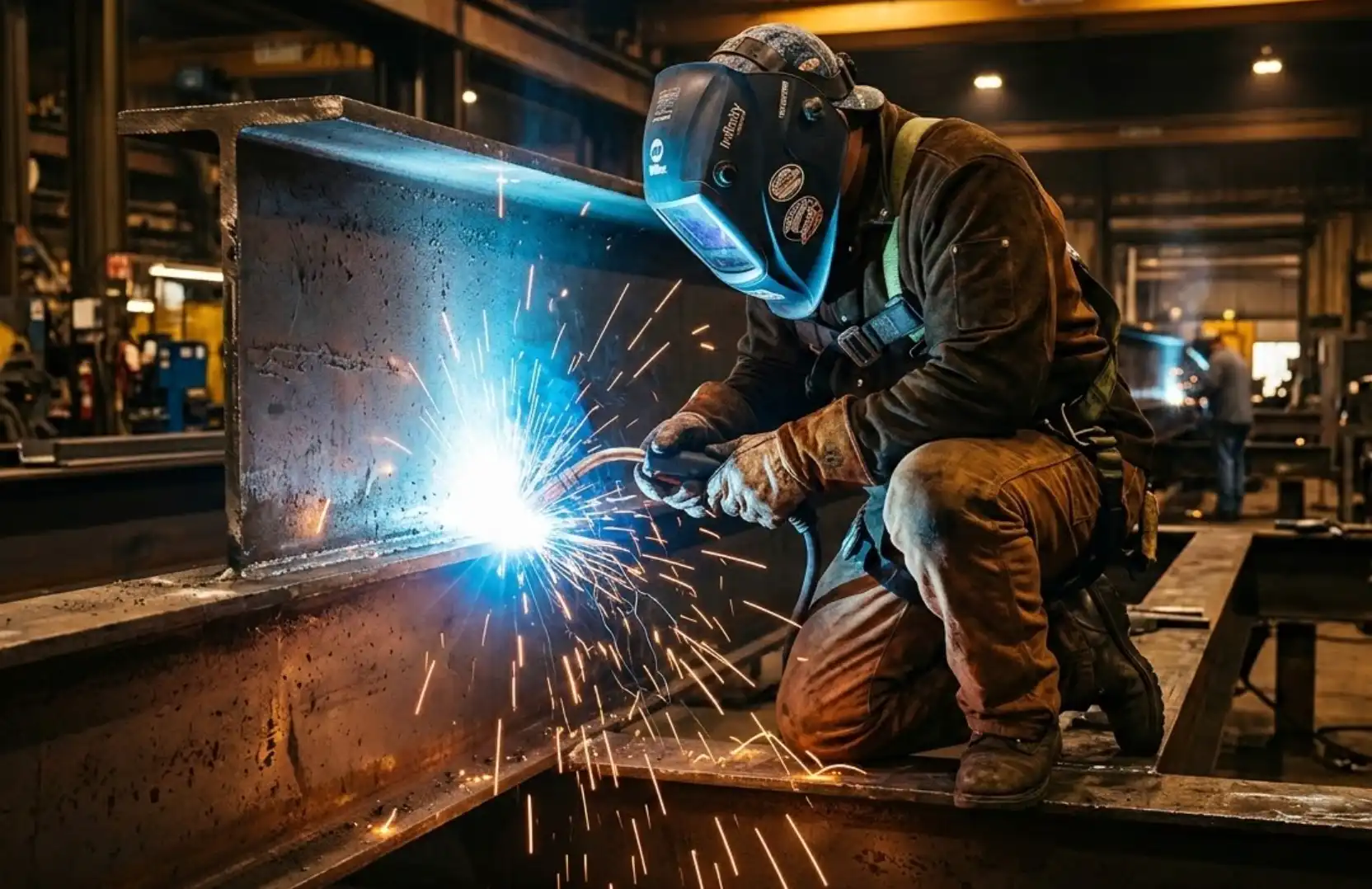
If you’re already on the tools and wondering is welding a good career, the short answer is yes—especially if you keep climbing the technical ladder. The strongest earnings and stability go to welders who add code literacy, inspection or NDT credentials, and hands‑on experience with robotic or laser systems.
Is welding a good career today: job outlook and pay
Welding remains a core trade with consistent openings. In May 2024, the national median annual wage for welders (SOC 51‑4121) was about $51,000, and the long‑term projection shows roughly 2% growth over the next decade with about 45,600 openings each year driven largely by retirements and turnover. See the latest detail in the Bureau of Labor Statistics profiles and wage tables referenced here: according to the Bureau of Labor Statistics’ occupation handbook and 2024 wage releases, the replacement demand keeps opportunities steady while specialization pushes wages upward. For specifics, review the Bureau of Labor Statistics’ overview for welders and its May 2024 wage tables in the occupational employment release.
- According to the Bureau of Labor Statistics’ occupation handbook and May 2024 wage releases, welders’ median pay sits near the middle of production trades, with significant variation by state and sector. You can explore medians and percentiles in the official BLS pages for welders and the May 2024 occupational wage PDFs.
Why does pay vary? Region (cost of living), sector (shipbuilding, oil & gas, aerospace), shift/overtime, travel per diem, code work (structural or pressure), and your credentials all play a role.
Key takeaways
- Welding offers steady, replacement‑driven openings and solid median pay; specialization and credentials drive bigger jumps.
- Your 6–24 month plan can move you from manual processes to inspection (CWI), NDT Level II, or robotic/laser roles.
- Focus on code work, high‑skill processes (e.g., TIG on stainless/aluminum), and QA to command premiums.
- Choose training with clear hours, fees, and exam timelines; calculate ROI before you enroll.
Why welding pays more as you specialize
Specialization moves you from commodity work to roles where quality, traceability, and uptime matter. Think pipe welding under ASME Section IX, structural steel under AWS D1.1, thin‑wall TIG on stainless/aluminum, sanitary tube, or aerospace‑grade work. Add QA/inspection exposure and your value rises again. Travel assignments and night shifts often carry premiums, and field work commonly includes per diem.
If you’re looking for a ceiling‑raiser, inspection (CWI), NDT Level II, and automation (robot operator/programmer, laser welding technician) reliably increase earning potential. The work shifts from pure bead‑laying to problem solving, documentation, and system setup—less wear‑and‑tear and more technical leverage.
Your next 6, 12, and 24 months
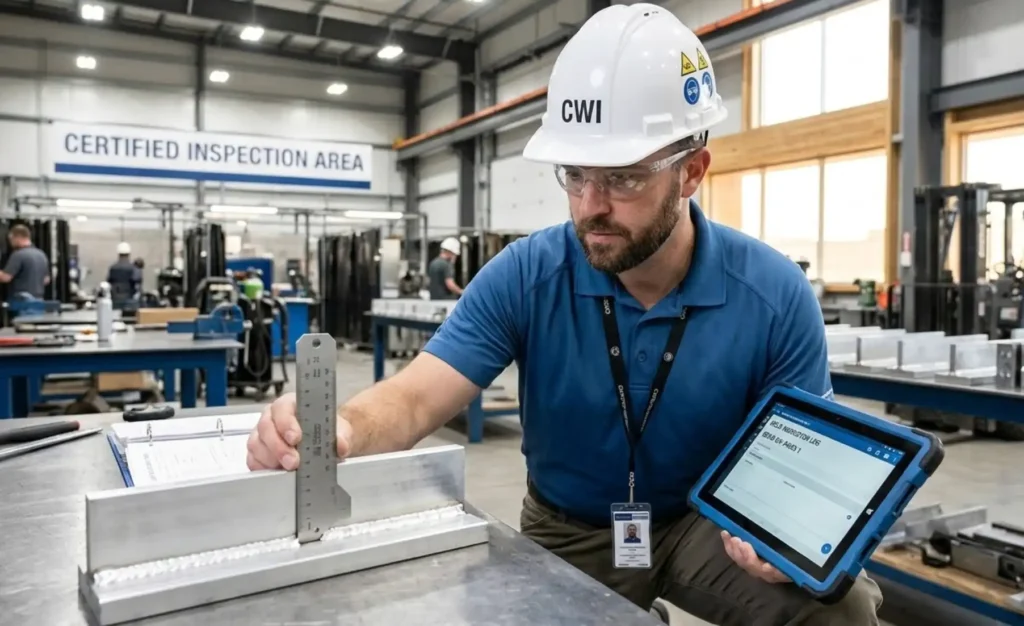
Six months — skills audit and quick wins
- Map your current processes (SMAW/GMAW/GTAW), positions, alloys, and code exposure. Log actual WPSs you’ve used and any procedure or performance qualifications you hold.
- Target one high‑value upgrade: for example, improve GTAW on thin stainless or aluminum, or qualify for a common structural or pressure test in your region.
- Earn a quick credential: an AWS Certified Welder performance test at an Accredited Test Facility can be scheduled and completed in a day, with a modest application fee. Training programs at community colleges often bundle prep and testing. For current medians and program types, the Bureau of Labor Statistics welder profile is a solid baseline in the US context; see the Bureau’s official handbook page for role scope and pay ranges.
- Start NDT awareness: get familiar with penetrant (PT) and magnetic particle (MT) basics under your employer’s written practice; log training hours.
Twelve months — credentials that move the needle
- Complete Level I/II training and on‑the‑job hours in at least one NDT method (MT or PT are common entry points). Your employer’s written practice should specify required hours and exams.
- Begin formal CWI prep with an AWS fundamentals course (online or instructor‑led). Learn code navigation (e.g., AWS D1.1 or API 1104) and the inspection gauges you’ll use on Part B.
- Shadow QA: help maintain WPQs and PQRs, review fit‑up and weld maps, and practice documentation discipline aligned with ASME Section IX rules and forms.
Twenty‑four months — inspection or automation track
- Inspection track: Sit for CWI exams (Parts A/B/C) after seminar prep and accumulated experience. Passing moves you into roles with higher responsibility and pay.
- Automation track: Enroll in a robotic welding operator/programmer course. Learn pendant navigation, ArcTool basics, touch sensing, and seam tracking. Practice cell changeover, fixture basics, and troubleshooting. If lasers interest you, pair process fundamentals with a formal laser safety program (ANSI Z136) and shop ventilation knowledge.
The certification ladder and realistic costs
Below is a compact comparison of common credentials and literacy targets. Fees are typical ranges; confirm the latest before you enroll.
| Credential | Purpose | Key requirements | Typical time/cost | Source |
|---|---|---|---|---|
| AWS Certified Welder (CW) | Qualify for a specific process/position at an Accredited Test Facility | Practical test with visual/NDT acceptance; maintenance via annual verification | Same‑day test; application fee around $70 | See the American Welding Society program price list and certification pages |
| AWS Certified Welding Inspector (CWI) | Core inspection credential (Parts A/B/C) | Experience per QC1/B5.1 plus exams; prep seminar recommended | 8‑week online or short in‑person Part B prep; exam fees about $1,255–$1,520; bundles ~$2,000–$2,265 | See American Welding Society CWI pages and price list |
| ASNT SNT‑TC‑1A Level II (e.g., PT/MT/UT/RT) | Employer‑based NDT certification | Training + experience hours defined in employer written practice based on SNT‑TC‑1A guidance; exams required | Method‑dependent; renewals typically every 5 years | See the American Society for Nondestructive Testing certification portal |
| ASME Section IX literacy (WPQ/WPS/PQR) | Code familiarity for pressure work | Understand essential variables and forms (QW‑483/484A/484B) | Ongoing; often taught in‑house | See ASME Section IX overview and data forms |
- According to the Bureau of Labor Statistics’ welder profile and wage tables (May 2024), welding pay sits near the production‑trade median; credentials like CWI and NDT tend to correlate with higher‑responsibility roles and better wages over time. See the Bureau’s occupation handbook for welders for current details.
- For current AWS fees and exam structures, refer to the American Welding Society’s official program pages and program price list. For NDT structures and hours, consult the American Society for Nondestructive Testing. For code literacy, review the ASME Section IX overview and forms.
From torch to teach pendant — robotic and laser paths
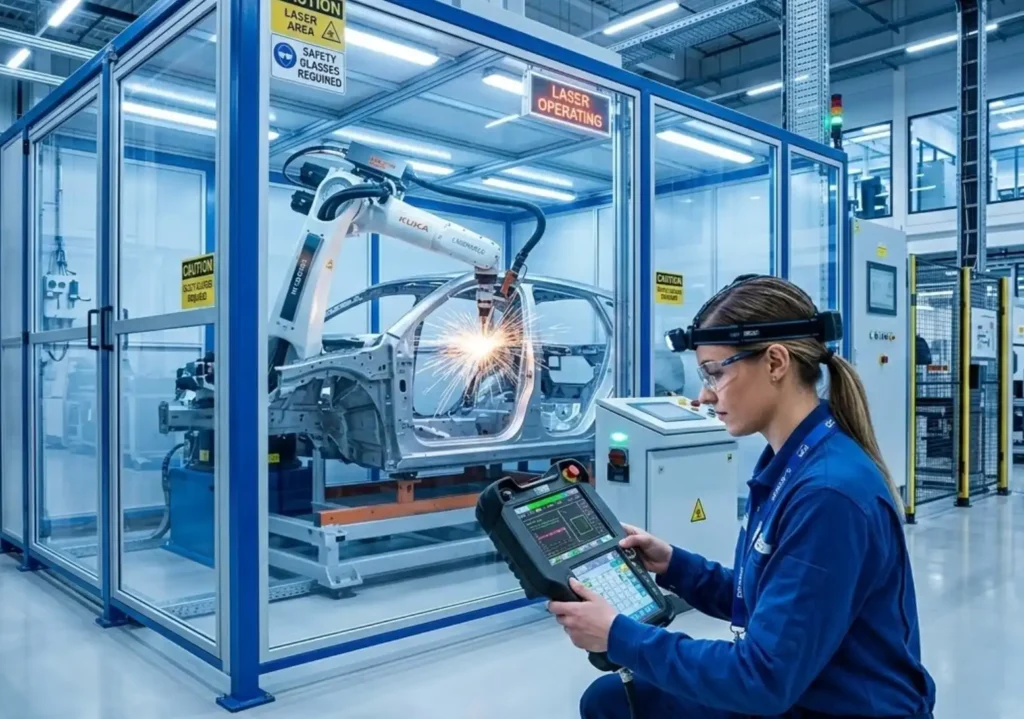
Here’s the deal: automation doesn’t erase welder jobs—it changes them. A practical on‑ramp looks like this: prove you can produce consistent manual welds to the procedure, then learn to operate a welding robot safely, navigate the teach pendant, and adjust key parameters without crashing the cell. Next, take an intro programming class covering ArcTool, touch sensing, and seam tracking, and practice fixture repeatability and basic vision alignment. For laser work, add process fundamentals plus a laser safety program aligned with ANSI Z136, appropriate PPE, and shop ventilation practices. The day‑to‑day shifts from burning rod all shift to setting up, qualifying, and maintaining cells—work that rewards calm troubleshooting and documentation.
Three short real‑world composites
- Robotic welding operator/programmer: A mid‑career MIG welder from ship repair took a two‑week operator course and a one‑week ArcTool class, then spent two months cross‑training in the company’s robot cell. Within six months, they led weekend changeovers and earned a $3/hr raise plus steady overtime, with less fatigue than field work.
- CWI inspection path: A structural fitter/welder with seven years’ experience enrolled in an eight‑week online CWI prep, passed Parts A and C on the first try, and completed the Part B seminar and exam in person. They transitioned into QA, handling welder qualifications and visual inspection. Pay rose ~15% with fewer night shifts.
- Laser welding technician: A TIG welder from a medical device supplier added a short course on laser process basics, completed ANSI Z136 safety training with an appointed Laser Safety Officer on site, and learned cell startup/shutdown and focus alignment. Within a year, they moved to a tech role supporting validation and preventative maintenance with predictable hours.
Reskilling checklist you can start this week
- Do a skills audit: processes, positions, alloys, codes, WPS/PQR exposure, and any WPQs you hold.
- Pick one high‑ROI target (e.g., GTAW thin stainless or a local code test) and book practice time.
- Call an Accredited Test Facility to schedule an AWS Certified Welder test; confirm process and position.
- Enroll in a fundamentals course for inspection (weld symbols, discontinuities, NDE basics) to jump‑start CWI prep.
- Ask QA to shadow documentation on WPQs and PQRs; learn how your shop tracks variables.
- Start NDT training in PT or MT under your employer’s written practice; log hours.
- Price out a 12‑month plan (courses, exams, time off). Compare costs to expected wage lift.
- Talk to your supervisor about tuition assistance or paid study time; propose a small pilot.
- If automation interests you, sign up for an operator course and request hands‑on time in the robot cell.
- Improve ergonomics and PPE; invest in habits that protect your back, shoulders, and lungs for the long haul.
Resources for the journey
- According to the Bureau of Labor Statistics’ welder profile, 2024 pay and projections are published in detail on the Bureau’s occupation handbook and May 2024 wage releases; review those official pages for current numbers: Bureau of Labor Statistics welder overview and the May 2024 occupational wage PDF.
- For American Welding Society programs and fees, including Certified Welder and Certified Welding Inspector, see the AWS CWI program page and the AWS program price list.
- For employer‑based NDT pathways and Level II details, visit the ASNT certification portal.
- For code literacy, review ASME Section IX overview and its standard data forms.
- For a starting point on robotic welding education, see a leading robot OEM’s arc‑welding application pages and education center listings, such as FANUC’s welding robots overview.
- For laser safety context, the ANSI Z136.1 overview summarizes core program elements often adopted in manufacturing.
FAQ
- Is welding a good career for the next decade? Yes—replacement demand keeps openings steady, and specialization (inspection, NDT, code work, automation) increases pay and resilience.
- How long to move from hand welder to CWI? Commonly 12–24 months depending on your experience, study cadence, and seminar timing. Expect three exam parts and structured prep.
- Can welders transition into robotic programming? Absolutely. With solid manual fundamentals, most welders can become safe operators in weeks and junior programmers in a few months with formal training and supervised practice.
- What’s the fastest way to boost pay without leaving my job? Qualify on a local high‑demand process/position, add a quick CW test, and log NDT hours toward Level II while shadowing QA for documentation skills.
About the author
I’ve spent years under the hood across SMAW, GMAW, and GTAW in shop and field environments before moving into training and QA. I help working welders map practical steps into higher‑value roles—inspection, NDT, and automation—without losing sight of safety, documentation, and real‑world ROI.