Are you drawn to the rumors of six-figure paychecks in pipeline welding, but unsure if the reality matches the hype? The truth is, pipeline welding is a highly specialized, lucrative, yet incredibly demanding field. Many aspiring welders jump in expecting instant wealth, only to be blindsided by the grueling travel, stringent testing, and cyclical nature of the energy market.
In this guide, we are going to break down exactly what you can expect. You will learn about the critical skills required to pass the dreaded X-ray tests, the harsh realities of the work environment, and the unvarnished truth about pipeline welder salaries. It is important to note upfront: your earning potential in this industry is highly volatile, heavily influenced by geographic location, the specific sector (like oil, gas, or water), and the current global energy market.
What pipeline welding involves
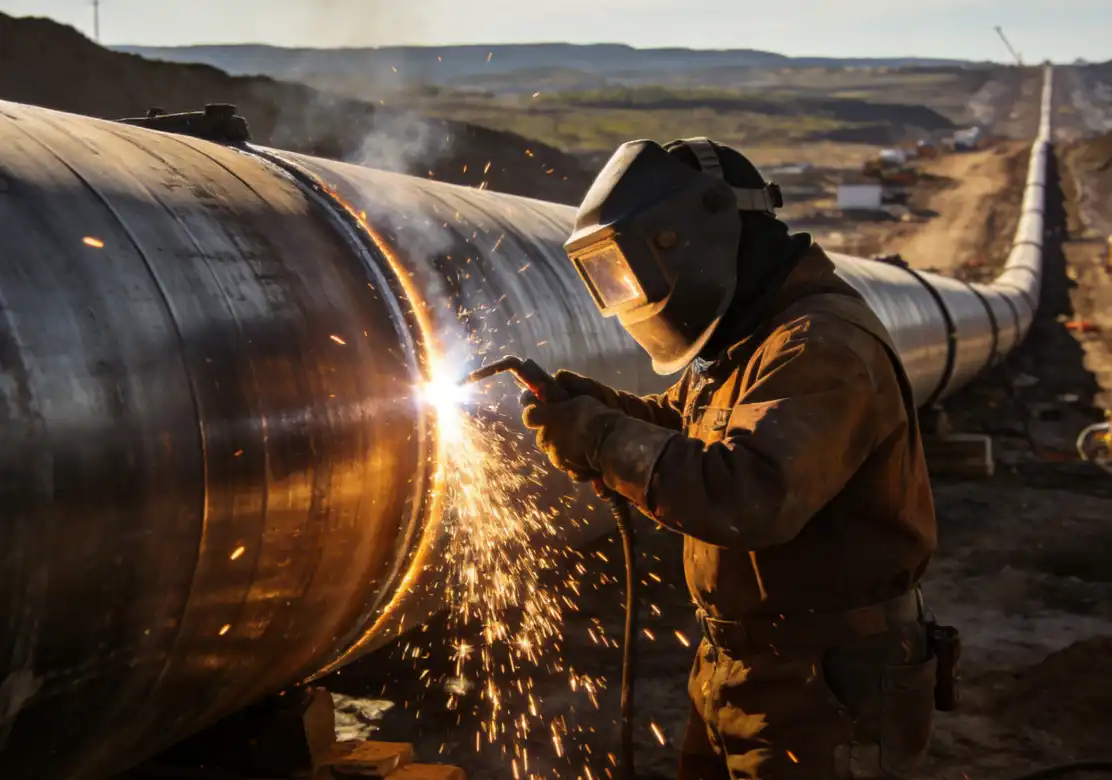
Pipeline welding isn’t your standard fabrication shop job. It is the critical process of joining sections of pipe to create the infrastructure that transports essential resources like crude oil, natural gas, and water across vast distances.
Core duties and typical projects
A pipeline welder’s primary duty is to fuse pipes securely to withstand immense pressure and prevent catastrophic leaks. What this looks like on the ground involves aligning massive steel pipes, prepping the bevels, and laying down root, fill, and cap passes. Why this matters is simple: a single bad weld can lead to environmental disasters or fatal explosions. How it’s done depends on the project, which can range from cross-country mainline transmission pipelines to intricate gathering lines in oil fields.
Common welding processes used in pipelines
You cannot be a one-trick pony in this field. The most relied-upon processes include:
- SMAW (Shielded Metal Arc Welding / Stick): The undisputed king of the pipeline, particularly “downhill” pipe welding. It is versatile, rugged, and works well in outdoor, windy environments.
- GTAW (Gas Tungsten Arc Welding / TIG): Used for highly critical root passes or when working with specialized alloys where absolute purity is required.
- FCAW (Flux-Cored Arc Welding): Increasingly popular for its high deposition rates, especially in offshore or heavy-wall pipe applications.
Industry standards and certification basics
Pipeline welders live and die by industry codes. In North America, the gold standard is API 1104 (Standard for Welding Pipelines and Related Facilities) and ASME Section IX. To even step foot on a job site, you must pass rigorous qualification tests, typically proving you can weld pipe in the 6G (45-degree fixed) position.
Work environment, schedule, and risks
If you want a comfortable, climate-controlled 9-to-5, pipeline welding is not for you. This career is a lifestyle choice.
Typical workplaces (onshore vs offshore, refineries, construction)
The environment dictates the challenge.
- Onshore cross-country: You are constantly moving with the pipeline spread, battling mud, snow, or desert heat.
- Offshore rigs: Involves helicopter commutes, living on a rig in the middle of the ocean for weeks, and battling corrosive salt spray.
- Refineries and Facilities: Tighter spaces, strict facility safety protocols, and often working around live, hazardous materials.
Typical shifts, travel, and job sites
Expect to work “turnarounds” or pipeline spreads that demand 10 to 12-hour days, 6 to 7 days a week. You are essentially a nomad. Welders follow the work, living in RVs, man camps, or extended-stay motels for months at a time before packing up and driving to the next state or country.
Safety considerations and hazard mitigation
The hazards are real: confined spaces, explosive atmospheres, heavy machinery, and toxic fumes. Hazard mitigation relies heavily on strict adherence to JSAs (Job Safety Analyses), continuous atmospheric monitoring, and wearing specialized, fire-retardant PPE.
Skills, training, and certifications that pay off
In pipeline welding, your skill level is transparent. You either pass the test, or you pack your bags.
Essential welding certifications for pipelines
Earning your AWS (American Welding Society) or equivalent international certifications is just the baseline. What truly pays off are specialized rig qualifications, such as successfully passing an API 1104 test for a specific contractor using their exact procedures. Holding certifications in exotic metals (like Duplex stainless steel or Inconel) dramatically increases your market value.
Importance of post-weld testing and quality control
Why do pipeline welders obsess over their puddles? Because almost every weld is subjected to NDT (Non-Destructive Testing), primarily Radiographic Testing (X-ray) or Ultrasonic Testing (UT). If your weld shows porosity, slag inclusions, or lack of fusion, it gets cut out. A high repair rate will get you fired immediately. Quality control is the absolute metric of your worth.
Continuous education and upskilling opportunities
The industry is evolving. Welders who take the time to learn orbital welding (automated pipeline welding systems) or familiarize themselves with new mechanized welding technologies position themselves as indispensable assets, insulating themselves against market downturns.
Salary landscape: what affects pipeline welder pay
Let’s address the elephant in the room: the money. Salaries vary wildly based on your employment setup.
Base pay ranges by region and experience
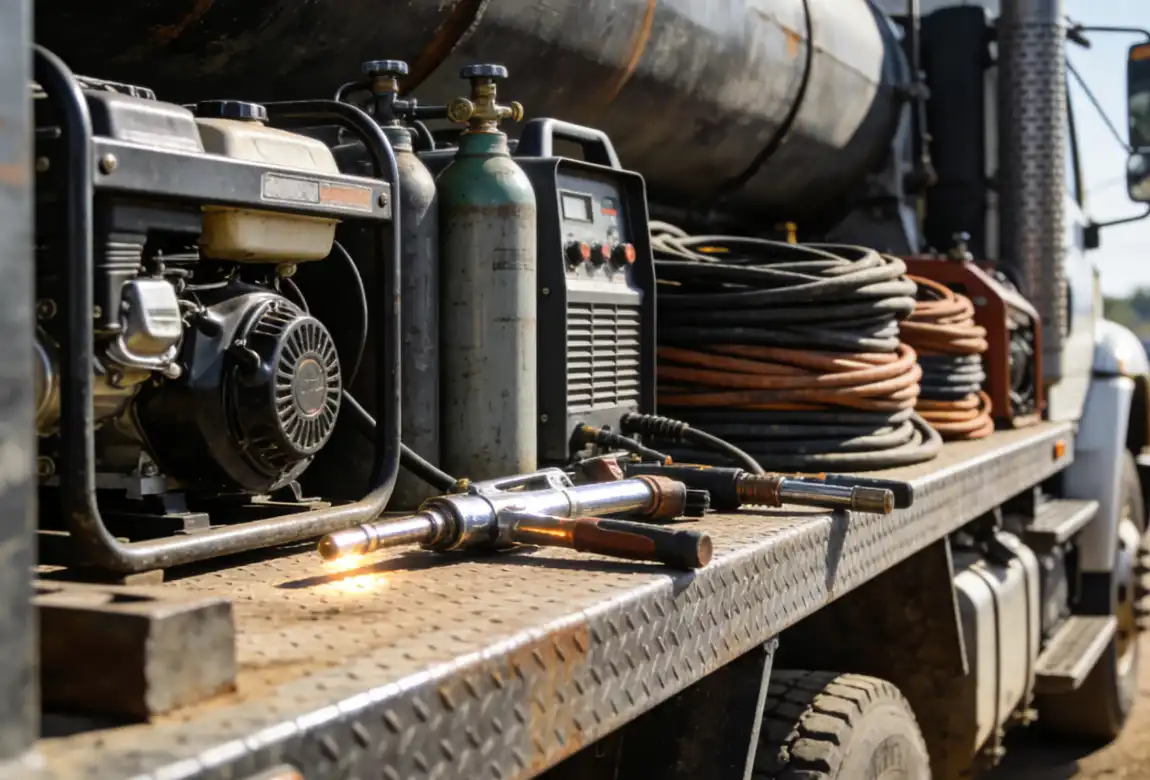
A greenhorn helper might make $18–$25 an hour. A journeyman company welder (using company equipment) can expect a base of $60,000 to $90,000 annually. However, if you are an independent “Rig Welder” (providing your own $100k+ welding truck and equipment), your combined income can easily range from $150,000 to over $250,000 in a good year.
How certifications, performance, and seniority influence earnings
Your reputation precedes you. Welders known for a 0% X-ray failure rate are requested by name and command premium hourly rates. Specialized certifications (like offshore underwater welding or high-pressure gas distribution) allow you to negotiate higher base pay compared to standard water-pipe welders.
Additional pay: overtime, bonuses, and union influences
Base pay is only half the story.
- Overtime: Working 70 hours a week means 30 hours of time-and-a-half or double-time pay.
- Per Diem & Rig Pay: Independent contractors receive a daily untaxed “per diem” for living expenses (often $100-$200/day) plus “rig pay” (an hourly rental fee for their truck/machine, often $15-$25/hour on top of their labor wage).
- Unions: Organizations like the Pipeliners Local Union 798 negotiate strict, often higher, hourly rates, pension contributions, and premier health benefits for their members.
Career path and advancement opportunities
Pipeline welding is physically brutal. Smart welders plan their exit strategy from the hood early on.
From welder to supervisor or inspector
The most natural progression is moving into management or oversight. Becoming a Foreman or Welding Supervisor allows you to leverage your field experience to manage spreads. Earning your CWI (Certified Welding Inspector) credential is a highly sought-after route, trading the heavy physical labor for a clipboard, X-ray films, and a steady, high-paying salary.
Alternative routes: inspection, QA, and project roles
Beyond inspecting welds, experienced professionals often transition into Quality Assurance/Quality Control (QA/QC) management, ensuring entire pipeline projects meet federal and international compliance. Others move into Project Management or safety coordination (HSE).
Longevity factors and retirement considerations
Fumes, heavy lifting, and awkward physical positions take a toll on the knees, back, and lungs. Planning for retirement is crucial. Union welders benefit from structured pensions, but independent rig welders must be disciplined in investing their high earnings during boom years to secure their future when their bodies can no longer handle the grind.
Myths, realities, and practical tips for success
Let’s separate the pipeline fiction from the facts.
Common misconceptions about safety, pay, and demand
- Myth: You will automatically make $200k your first year.
- Reality: You will likely spend years as a helper, making modest wages while learning the trade.
- Myth: The work is always there.
- Reality: The pipeline industry is deeply cyclical. When oil prices drop, pipelines halt, and welders sit at home. You must be financially prepared for layoffs.
How to evaluate job offers and negotiate pay
When looking at an offer, don’t just look at the hourly wage. Ask about the per diem rate, the expected hours (is overtime guaranteed?), and the duration of the project. A $40/hr job with $150/day per diem and 60 guaranteed hours is vastly superior to a $50/hr job with no per diem and only 40 hours.
Resources for job search and credentialing
Network relentlessly. Join the American Welding Society (AWS), look into local union halls (like the UA), and utilize specialized job boards like RigZone. Facebook groups and industry forums remain surprisingly active hubs for finding out where the next big pipeline spread is kicking off.
Conclusion
Pipeline welding is a career that offers exceptional financial rewards and the pride of building critical infrastructure, provided you are willing to embrace the nomadic lifestyle and grueling physical demands. Your salary will scale directly with your ability to pass stringent X-ray tests, your willingness to travel, and the strategic certifications you acquire.
By maintaining a realistic expectation of the market’s cyclical nature and actively planning your career progression toward roles like a CWI or Supervisor, you can turn a demanding job into a lucrative, lifelong profession.
FAQs
What certifications are most valuable for pipeline welders?
The most valuable certifications are those tested to API 1104 or ASME Section IX standards, specifically in the 6G (45-degree fixed) position. Certifications in specific processes like downhill SMAW and specialized materials like Duplex stainless steel or Inconel offer the highest market value.
How does offshore work affect salary and benefits?
Offshore work typically commands a premium salary due to the hazardous environment, isolation, and specialized safety training required (like helicopter underwater escape training). While base pay is higher, schedules usually involve rotational shifts (e.g., 2 weeks on, 2 weeks off), and room/board is covered, reducing living expenses while on the job.
What is the typical career progression for a welder in pipelines?
A typical path starts as a Welder’s Helper, moving up to a Journeyman Welder (or independent Rig Welder). As physical demands take a toll, experienced welders often transition into supervisory roles (Foreman) or obtain their CWI (Certified Welding Inspector) license to move into QA/QC, inspection, or project management.