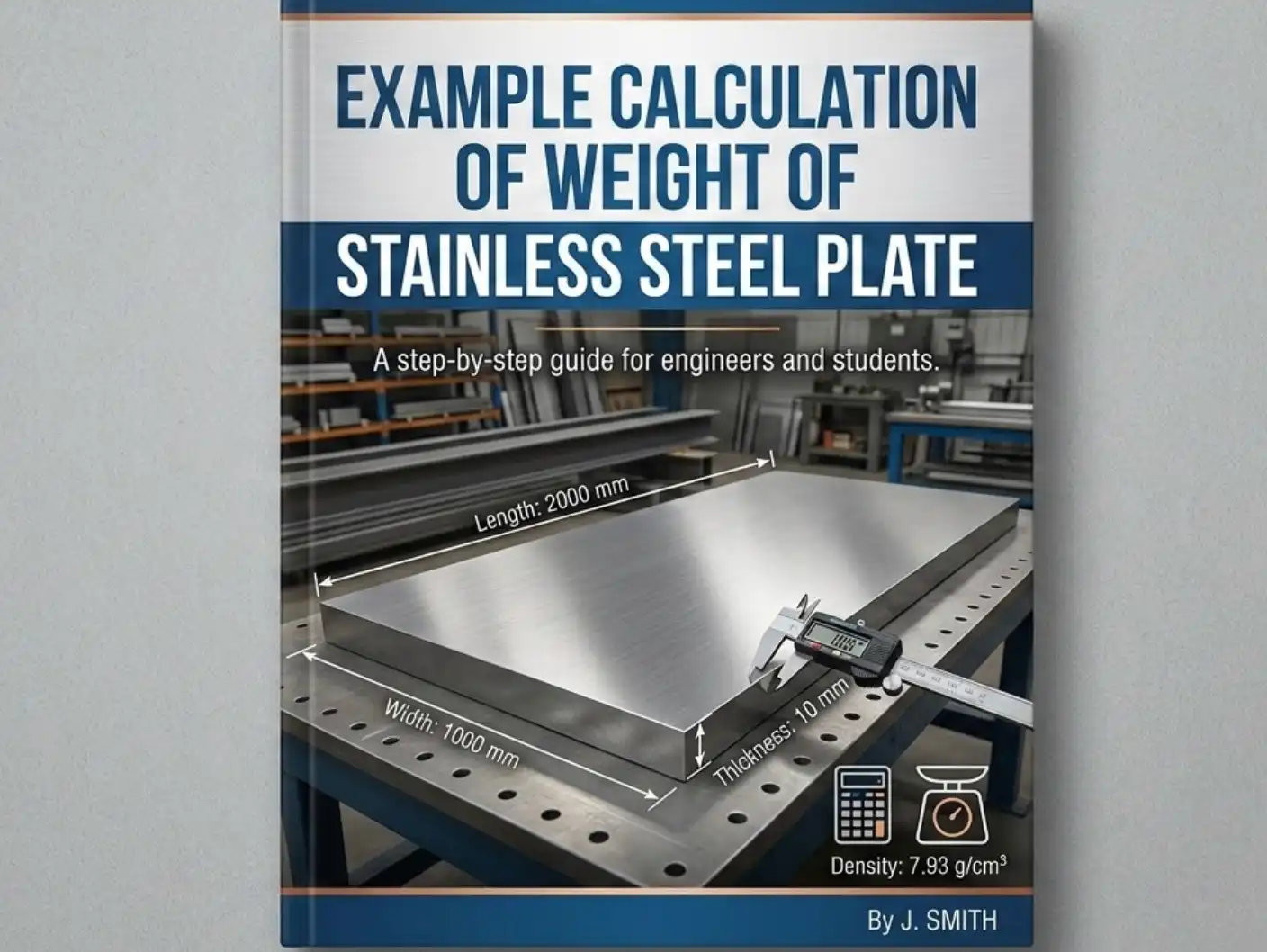
Calculating the Weight of stainless steel plates uses a simple formula: Weight = Length × Width × Thickness × Density. You need to measure each side carefully. A small mistake can change your answer. Always check your numbers before you begin.
Tip: Use a calculator or a chart to help you work faster and get the right answer.
Key Takeaways
- Use the formula Weight = Length × Width × Thickness × Density to find the weight of stainless steel plates.
- Always measure length, width, and thickness in the same unit. This helps you avoid mistakes when you calculate.
- Check the density of your stainless steel grade before you start. Using the wrong density will give you the wrong answer.
- Double-check your measurements and your math to make sure you are right. This helps you not make mistakes.
- Practice finding weights with different plate sizes. This will help you get better and feel more sure of yourself.
Calculating the Weight
Weight Formula Overview
You can calculate the weight of a stainless steel plate using a simple formula. This formula helps you find out how heavy your plate is before you move or cut it. The weight formula is:
You need to use the same unit for each measurement. For example, if you measure length in meters, you must use meters for width and thickness too. The density depends on the type of stainless steel you have. You can find the density in a table or ask your supplier.
Key Measurements Needed
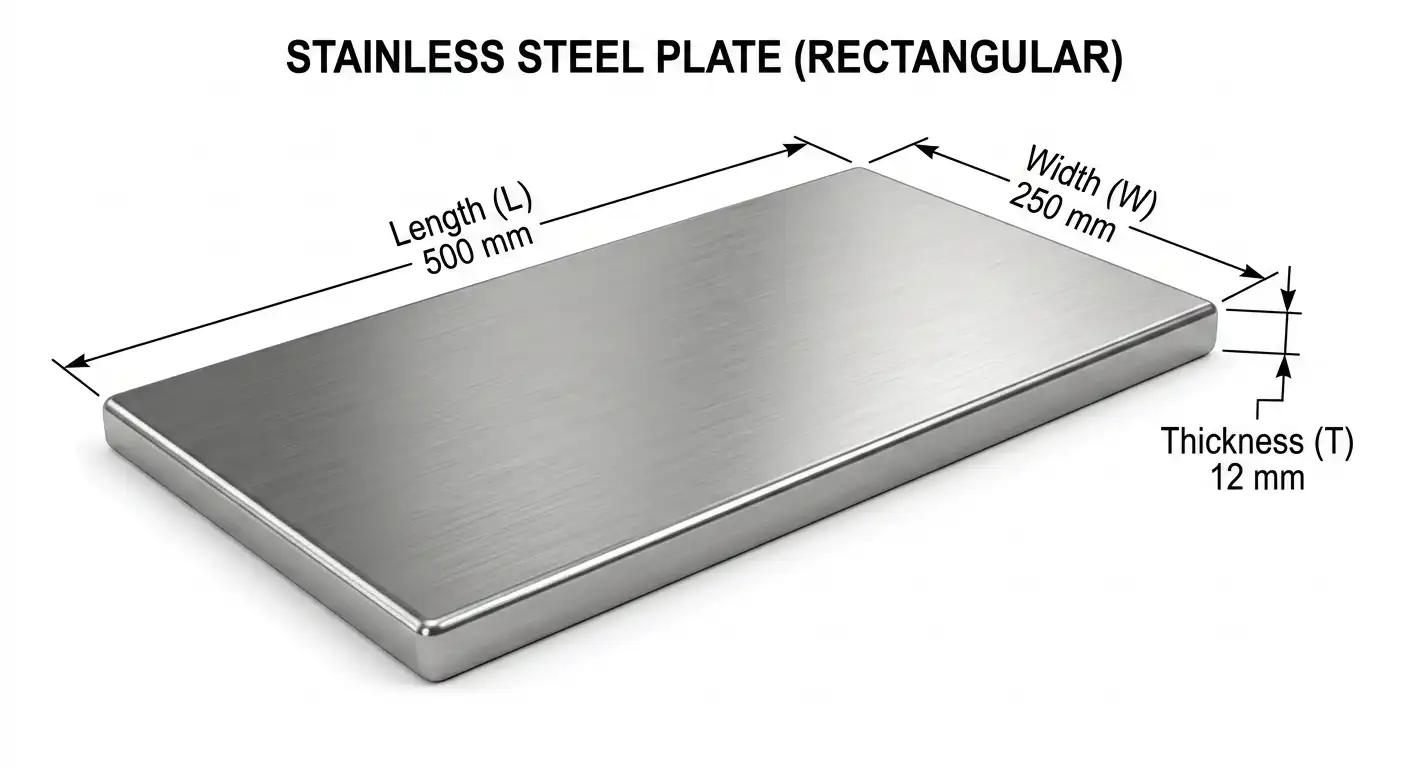
To start calculating the weight, you must collect four key measurements:
- Length: Measure the longest side of the plate. Use a tape measure or ruler.
- Width: Measure the shorter side. Make sure you measure straight across.
- Thickness: Use a caliper for the most accurate result. Even small changes in thickness can change the weight.
- Density: Check the density for your stainless steel grade. For example, 304 stainless steel has a density of 7,930 kg/m³.
Note: Stainless steel plates can have small thickness differences. These are called tolerances. Most plates have a tolerance of ±0.003″ to ±0.005″. For most jobs, this does not change the weight much. For very precise work, always use the nominal (listed) thickness.
| Tolerance Range | Impact on Weight Calculations |
|---|---|
| ±0.003″ to ±0.005″ | Small variations generally have no impact on most fabrication projects. For precision-critical applications, planning around nominal values is essential. |
Step-by-Step Guide to Calculate the Weight
Follow these steps to calculate the weight of your stainless steel plate:
- Measure the length, width, and thickness of your plate. Use a ruler or caliper for accuracy.
- Make sure all your measurements use the same unit (for example, meters).
- Find the density for your stainless steel grade.
- Use the weight formula: Weight = Length × Width × Thickness × Density.
- Multiply the numbers together to get the weight.
- Double-check your math and make sure you used the same units for each measurement.
Example Calculation
Let’s look at an example calculation using a real plate size. Imagine you have a 304 stainless steel plate that is 1.5 meters wide, 6 meters long, and 3 millimeters thick.
- Width: 1.5 m
- Length: 6 m
- Thickness: 3 mm (0.003 m)
- Density: 7,930 kg/m³
Now, calculate the weight:
- Multiply the length by the width:
6 m × 1.5 m = 9 m² - Multiply by the thickness:
9 m² × 0.003 m = 0.027 m³ - Multiply by the density:
0.027 m³ × 7,930 kg/m³ = 214.11 kg
So, the weight calculation for this plate is 214.11 kg.
Here is another example calculation for a different plate:
- Width: 1 m
- Length: 2 m
- Thickness: 10 mm (0.01 m)
- Density: 7,750 kg/m³
Calculate the weight:
- 2 m × 1 m = 2 m²
- 2 m² × 0.01 m = 0.02 m³
- 0.02 m³ × 7,750 kg/m³ = 155 kg
This plate weighs 155 kg.
Tip: Always check your numbers and units before you finish calculating the weight. This helps you avoid mistakes and saves time.
You can use these steps for any size or grade of stainless steel plate. Practice with different sizes to get better at calculating the weight. If you need to work with feet and inches, remember to convert everything to the same unit before you start your weight calculation.
Stainless Steel Density
Typical Density Values
You need to know the density before finding weight. Density shows how much mass fits in a space. Different stainless steel grades have different density values. Always check the density for your grade. Here is a table with common values:
| Stainless Steel Grade | Density (g/cm³) | Density (kg/m³) | Density (lb/in³) |
|---|---|---|---|
| 304 | 7.93 | 7930 | 0.286 |
| 316 | 7.98 | 7980 | 0.288 |
Both 304 and 316 grades have close density values. If you use the wrong density, your answer will be wrong. Other metals, like aluminum and carbon steel, have different densities. Here is a quick comparison:
| Metal | Density (g/cm³) |
|---|---|
| Stainless Steel | 7.8 |
| Aluminum | 2.7 |
| Carbon Steel | ~7.85 |
Stainless steel is much denser than aluminum. This means stainless steel plates are heavier than aluminum plates of the same size.
Note: Always use the right density for your stainless steel grade. Even small changes in density can change your answer.
Why Density Matters
You must use the correct density to get the right weight. Density is a key part of the weight formula. Here is why density is important:
- The plate’s weight depends on density.
- You need the right weight for safe building and making things.
- Using the correct density helps with shipping and moving.
- Good density values help you design strong supports.
- Density affects how you balance machines and build boats.
If you use the wrong density, you can have problems. Here are some possible issues:
| Consequence Type | Description |
|---|---|
| Structural Integrity | Wrong weight can make parts too weak to hold loads. |
| Logistics and Shipping Costs | Guessing too low can cause extra shipping costs and delays. |
| Design and Support Requirements | You need the right weight to design supports for pipes and tanks. |
| Equipment Balancing | Mass changes can mess up machine balance. |
| Marine Systems | Density changes can affect boat parts and ballast. |
Always check the stainless steel density for your grade. Grades like 304, 316, and 321 have slightly different densities. The usual range for stainless steel density is 7.5 to 8 g/cm³. Always use the exact density for your grade to get the best answer.
Tip: Write down the density you use. Check it again before you finish your math.
Common Mistakes
Measurement Errors
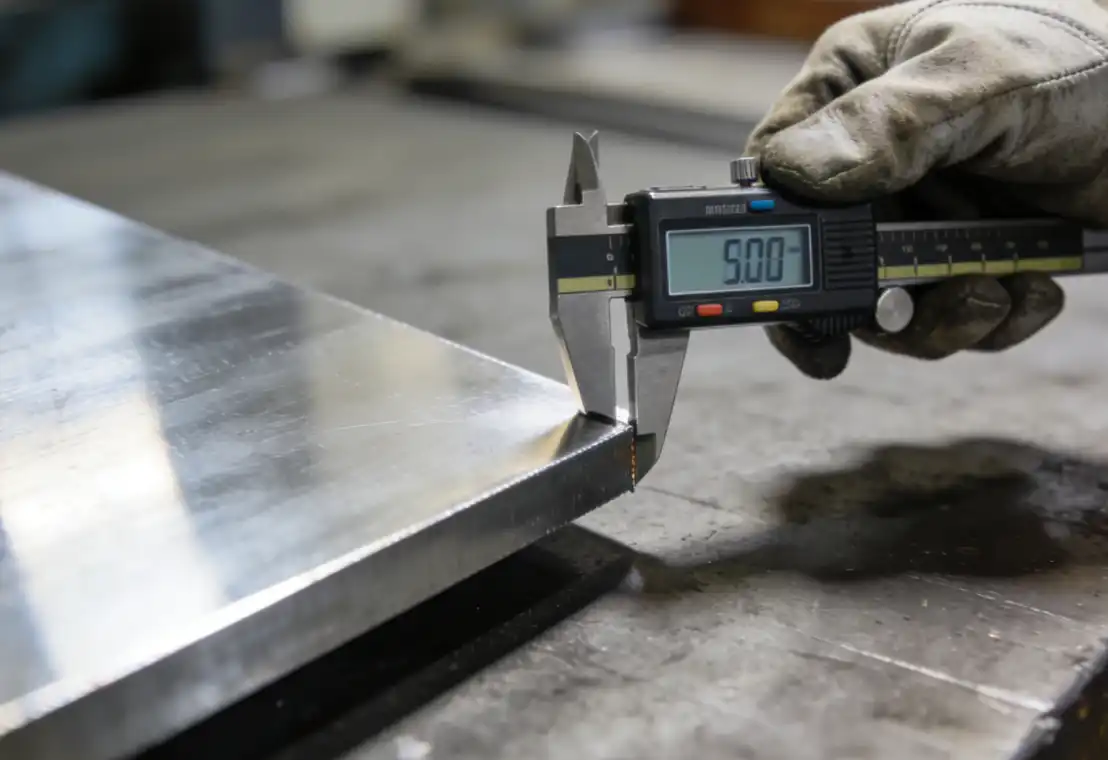
It is easy to make mistakes when you measure stainless steel plates. These mistakes can give you the wrong weight. You should follow good steps to avoid problems. Here are some things you can do to get the right measurements:
- Look at your measurements and tolerances before you start.
- Use a digital scale to check the weight for better results.
- Measure length, width, and thickness with a digital caliper for more exact numbers.
- Try a weight calculator made for stainless steel to help you.
- Make sure you know the density for your stainless steel grade.
- Change all sizes to the same unit before you do the math.
- Keep using the same unit for all your numbers. If you use millimeters for thickness, use millimeters for everything else.
- Check your numbers again before you finish.
Tip: Write down each number as you measure. This helps you find mistakes early.
Many people use a ruler or tape measure, but these tools can miss small changes. Digital calipers are better for getting the right size. You should check the plate’s thickness in a few places. Sometimes, plates are not the same thickness everywhere. If you do not check, your weight answer can be wrong.
Unit Conversion Issues
Unit conversion mistakes can make your answer very wrong. You must use the same unit for length, width, and thickness. If you mix millimeters and meters, your answer will not be correct. Always change all your numbers to one unit before you start.
Here is a simple table to help you change units:
| Unit | Conversion Factor |
|---|---|
| 1 inch | 25.4 millimeters |
| 1 foot | 0.3048 meters |
| 1 meter | 1000 millimeters |
If you measure thickness in millimeters and length in meters, change both to meters. This makes your math easier and more correct. You can use a calculator or an online tool to help you change units.
Note: Check your units before you multiply numbers. This step stops mistakes and saves time.
You can stop most mistakes by keeping your measurements and units the same. Practice these steps every time you figure out plate weight. This habit helps you get good answers and makes your work easier.
Reference Table
Standard Plate Sizes
You often work with standard sizes when you handle stainless steel plates. These sizes help you plan your projects and estimate costs. Most suppliers offer plates in common lengths, widths, and thicknesses. You can use the table below to see the most popular sizes for stainless steel plates. This makes it easier to choose the right plate for your job.
| Length (ft) | Width (ft) | Thickness (in) | Common Use |
|---|---|---|---|
| 8 | 4 | 1/8 | General fabrication |
| 10 | 5 | 3/16 | Structural applications |
| 12 | 6 | 1/4 | Heavy-duty projects |
| 8 | 4 | 1/4 | Machine bases |
| 10 | 5 | 1/2 | Industrial equipment |
Note: You can cut stainless steel plates to custom sizes if you need something different. Always check with your supplier for availability.
Quick Weight Lookup
You can save time by using a quick lookup table for plate weights. This table shows the weight for some standard stainless steel plates. You do not need to calculate every time. Just find your plate size and thickness, then read the weight.
| Plate Size (ft) | Thickness (in) | Weight per Plate (kg) |
|---|---|---|
| 4 × 8 | 1/8 | 153 |
| 4 × 8 | 3/16 | 230 |
| 5 × 10 | 1/4 | 383 |
| 6 × 12 | 1/4 | 551 |
| 4 × 8 | 1/4 | 307 |
You can use these numbers to plan your lifting, shipping, or storage. If you have a different size, use the weight formula from earlier. Always double-check the thickness and grade of your stainless steel plates before using the table. This helps you avoid mistakes with plate weights.
Tip: Print this table and keep it in your workshop. You will find it handy when you need to check stainless steel plates quickly.
You can find the weight of stainless steel plates by doing a few steps. First, measure the length, width, and thickness of the plate. Next, change all your measurements to meters. Then, use the formula and the right density to multiply the numbers together. Always check your math to make sure it is correct. Tables can help you use the right units and get the best answer. Getting the right weight is important for cost, moving, safety, and handling.
| Importance of Accurate Weight Calculations | Description |
|---|---|
| Cost Calculations | Steel is sold by the kilogram. |
| Transport Planning | This stops trucks from carrying too much. |
| Project Safety | The right weight keeps things strong and safe. |
| Ease of Handling | You need to know the load to lift safely. |
If you need more help, look at the FAQ or use the resources for more information.
FAQ
How do you calculate the weight of a stainless steel plate?
You use a formula to calculate the weight. The formula is: weight = length × width × thickness × density. You measure each side. You find the density. You multiply the numbers. You get the weight. You always check your formula and calculate again.
Why does the formula for weight matter?
The formula helps you calculate the weight. You need the right formula to get the correct weight. If you use the wrong formula, you calculate the wrong weight. You always use the formula to calculate the weight for every plate.
What units should you use to calculate weight?
You use the same unit for every part of the formula. You measure length, width, and thickness in meters or inches. You use the right density. You calculate the weight in kilograms or pounds. You always check your units before you calculate the weight.
Can you use the formula for any stainless steel grade?
Yes, you use the formula to calculate the weight for any grade. You only change the density in the formula. You always check the density for your grade. You calculate the weight with the formula for every plate.
What if you make a mistake when you calculate weight?
If you make a mistake, you get the wrong weight. You always check your formula. You measure again. You calculate the weight again. You use a calculator. You ask for help if you need it. You want the right weight every time.