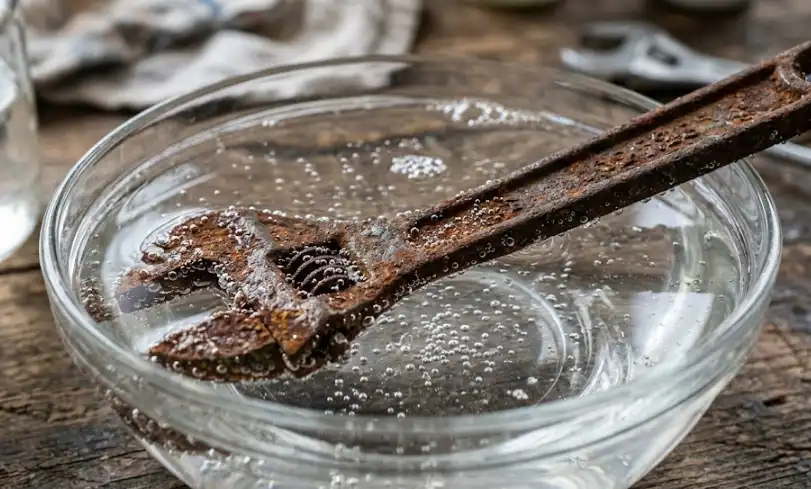
Yes, you can use vinegar to get rid of rust. It works on many metal things. White vinegar is the best kind for this job. In one test, a rusty tool was put in white vinegar for months. The rust changed into stuff you could scrub away. If you add salt, it works even better. After you take off the rust, you should oil or paint the item. This helps stop new rust from coming back. Think about what you need before you pick the Vinegar Remove Rust method.
Key Takeaways
- White vinegar can clean light or medium rust from metal things.
- Salt makes vinegar work better and faster on rust.
- Put rusty items in vinegar for up to 24 hours.
- Check the items often to see how much rust is gone.
- Clean the metal first so vinegar can touch the rust.
- After cleaning, dry the item and use oil or paint.
- This stops new rust from forming later.
- Vinegar might not fix heavy rust or coated metal.
- For tough rust, use special rust remover products.
- Wear gloves and goggles when using vinegar.
- This keeps your skin and eyes safe from irritation.
- Keep metal clean and use coatings to stop rust.
- This helps your metal things last longer without rust.
How Does Vinegar Remove Rust?
Acetic Acid Reaction
Vinegar contains acetic acid. This acid reacts with rust, which is iron oxide. When you soak a rusty item in vinegar, the acetic acid starts to break down the rust. You can see the reaction in the following way:
- Iron oxide mixes with acetic acid.
- The rust changes into ferric acetate and water.
Breaking Down Iron Oxide
You want to remove rust from metal. The chemical reaction helps you do this. The formula looks like this:
This means iron oxide turns into ferric acetate and water. The rust loosens and you can scrub it away. You get a cleaner surface after the process.
Salt Boosts Effectiveness
Adding salt to vinegar makes the process faster. Salt helps the acetic acid reach the rust more easily. You can mix salt into the vinegar before soaking your item.
Why Salt Helps
Salt increases the number of ions in the solution. These ions speed up the reaction between acetic acid and iron oxide. You see better results when you use salt with vinegar. The rust comes off more quickly and you spend less time scrubbing.
Tip: Use regular table salt. Mix it well with vinegar for best results.
What Types of Rust Vinegar Removes
You can use Vinegar Remove Rust on many items. It works best on light and moderate rust. You should choose white vinegar for the strongest effect.
Light and Moderate Rust
You see the best results on items with surface rust. Laboratory tests used rusted iron nails to check how well vinegar works. Different brands, like Earth Brand, Jalen, and Yeo’s, were tested. The amount of acetic acid in vinegar changes how well it removes rust. You do not always get better results with stronger vinegar. You can use Vinegar Remove Rust on tools, nails, and small metal objects.
When Vinegar May Not Work
Vinegar does not work well on heavy rust or thick layers. You may not see good results on coated or painted surfaces. Some sources say vinegar is not always effective. If your item has deep rust or is very old, you may need a stronger method. Antique or delicate items can get damaged by vinegar. You should test a small area first.
Note: If you do not see improvement after soaking, try another method or use a commercial rust remover.
Vinegar Remove Rust: Step-by-Step Guide
What You Need
Before you start, gather all the tools and materials. Having everything ready makes the process smoother and safer. Here is a list of what you need:
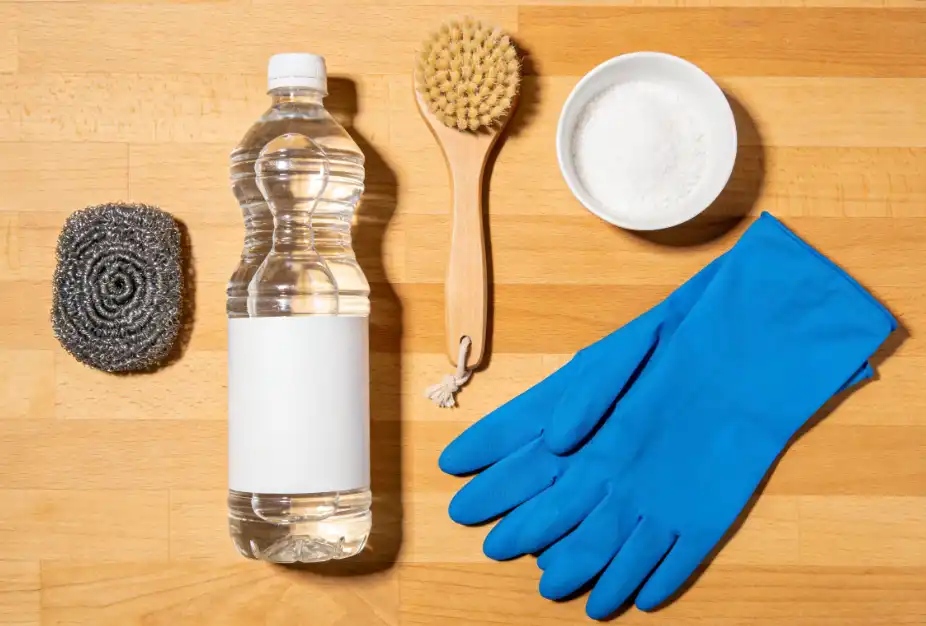
Figure 2: Essential supplies for removing rust, including white vinegar, salt, a scrub brush, steel wool, and protective gloves.
- White distilled vinegar
- Table salt
- A container or bucket (large enough to submerge your item)
- A scrub brush or steel wool
- Rubber gloves
- Soft cleaning cloths or towels
- Baking soda (optional, for neutralizing acid)
- Protective coating (oil or paint, optional)
Tip: Use gloves to protect your hands from vinegar and rust particles.
White Vinegar vs Other Types
You should choose white distilled vinegar for the best results. White vinegar contains a higher amount of acetic acid compared to apple cider or cleaning vinegar. This acid works better at breaking down rust. Other types of vinegar may leave stains or have weaker effects. For most metal tools and hardware, white vinegar gives you the strongest and cleanest outcome.
Adding Salt
Salt can make the Vinegar Remove Rust process faster. Add about one tablespoon of table salt for every cup of vinegar. Stir the mixture until the salt dissolves. Salt increases the number of ions in the solution, which helps the acid react with rust more quickly. You will notice that rust loosens faster when you use this combination.
Preparing the Item
Cleaning and Prepping
You need to prepare the metal before soaking. Follow these steps for the best results:
- Clean the surface to remove dirt, oil, and grease. Use soap and water or a degreaser.
- Dry the item with a towel.
- Check that the rusted area is fully exposed. Remove any loose paint or coatings.
- Place the item in your container. Make sure the rusted parts will be covered by the vinegar solution.
Proper cleaning helps the vinegar reach the rust. If you skip this step, dirt and oil can block the acid and slow down the process.
Soaking and Timing
How Long to Soak
Pour enough vinegar (with salt) into the container to cover the rusted item. Let the item soak. The soaking time depends on how much rust you see:
- Light rust: Soak for 1 to 3 hours.
- Moderate rust: Soak for 6 to 12 hours.
- Heavy rust: Soak overnight or up to 24 hours.
Check the item every few hours. You can gently brush the surface to help loosen the rust. Do not leave the item in vinegar for too long, as it may damage the metal. When you see the rust start to flake off, you are ready for the next step.
Note: Vinegar Remove Rust works best for steel tools and items that can be fully submerged.
Scrubbing and Rinsing
Removing Loosened Rust
After soaking your item in vinegar and salt, you need to scrub away the loosened rust. This step makes a big difference in how clean your metal looks. You can use a wire brush, steel wool, or even a nylon abrasive pad. Scrubbing helps you remove the rust that the vinegar has already softened. Here are some tips for this step:
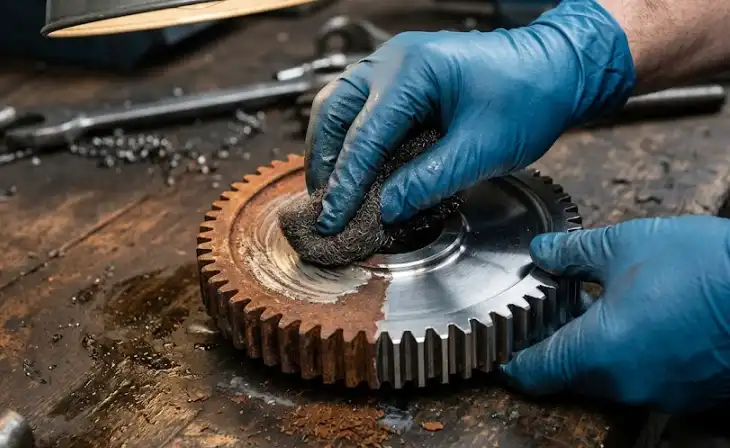
Figure 3: Scrubbing a metal object with steel wool after soaking in vinegar to remove the loosened rust.
- Scrub the item quickly with steel wool or a wire brush. You usually need less than two minutes for most tools.
- Focus on the areas where rust was thickest. The rust should come off easily after soaking.
- Use gentle pressure. You do not want to scratch or damage the metal underneath.
- If you see stubborn spots, soak the item again for a short time and repeat the scrubbing.
You will notice that the rust flakes away as you scrub. This step is essential for the Vinegar Remove Rust process. It helps you get a smooth, clean surface.
Drying Properly
Once you finish scrubbing, rinse the item with clean water. This removes any leftover vinegar and rust particles. Dry the item right away with a soft towel or paper towels. Make sure you dry every part, including small corners and crevices. If you leave the item wet, new rust can form quickly. You can use a hair dryer or let the item air dry in a warm place. Proper drying protects your metal from flash rust.
Tip: Always dry your tools completely before storing them. Moisture is the main cause of new rust.
Aftercare: Preventing Future Rust
Applying Oil or Paint
You need to protect your item after removing rust. Metal can rust again if you leave it exposed to air and moisture. You can use oil, paste wax, or a rust prevention product. Here is a simple aftercare routine:
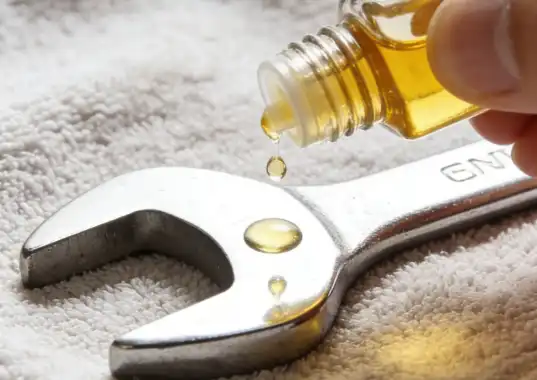
Figure 4: Applying a thin layer of protective oil to a cleaned metal tool to prevent future rust.
- Apply a thin layer of oil to the metal. You can use machine oil, citrus wax cleaner, or a special rust prevention spray.
- For tools, use paste wax or Boeshield for extra protection. Rub it on and wipe off any excess.
- If you want a long-lasting shield, paint the item with a rust-resistant paint.
- Reassemble your tool if you took it apart. Make sure every part is coated and dry.
You should do this step right after drying. Rust can form in minutes if you leave metal unprotected. Oiling or painting keeps your tools and hardware safe for months or years.
Note: Regular maintenance helps you avoid repeating the Vinegar Remove Rust process. Check your items often and reapply oil or wax as needed.
Limitations and Drawbacks
When Vinegar Is Not Ideal
Vinegar helps with many rust problems, but it is not always the best choice. You should know when to use vinegar and when to try something else.
Heavy Rust or Coated Surfaces
Vinegar has trouble with thick or heavy rust. If you clean a tool with deep rust, vinegar takes a long time and might not get all the rust off. Commercial rust removers, like Evapo-Rust, work faster and do a better job on tough rust. Vinegar also does not work well on painted or coated things. The acid cannot reach rust under paint or coatings, so you will not get good results.
- Vinegar works slower than commercial products.
- It is not good for removing a lot of rust from iron.
- For hard jobs in kitchens or workshops, special cleaners are better.
Tip: If you see thick rust or a coating, try a special rust remover first.
Antique or Delicate Items
You need to be careful with antiques or delicate things. Vinegar can hurt finishes, make shiny things dull, or even damage the material. Stainless steel can lose its protective layer if you leave it in vinegar too long. Some old items, like vintage tools or collectibles, may have special coatings or materials that do not react well to acid.
- Vinegar can make stainless steel less shiny.
- It might harm antiques or things with soft surfaces.
- Always test a small spot before soaking the whole thing.
Risks and Downsides
Vinegar is safe for most things, but there are some risks. Knowing these problems helps you avoid mistakes.
Surface Damage
Vinegar is acidic and can cause problems if you use it wrong or leave it on too long. Here is a table that shows some common risks:
| Risk Type | Description |
|---|---|
| Acidic Nature | Vinegar can make stainless steel lose its protective layer and rust. |
| Streaking | It can mix with hard water and leave streaks on surfaces. |
| Ineffective on Grease | Vinegar does not clean oil, so it is not good for greasy things. |
| No Residual Protection | Vinegar does not leave a shield against smudges or rust. |
| Prolonged Exposure Risks | Leaving vinegar on stainless steel too long can make it dull and pitted. |
You might also see damage on plastics or films if you use vinegar for a long time. For example, vinegar can make some films shrink, crack, or get rough on the surface. Old plastic tapes and containers can also get damaged and cannot be fixed.
Note: Heat and humidity can make this damage worse. The damage is permanent and cannot be undone.
Odor and Residue
Vinegar smells strong and many people do not like it. If you use it inside, the smell can stay for hours. You might also see a sticky film if you do not rinse your things well after soaking. This sticky stuff can attract dust or make tools feel tacky.
- Vinegar’s smell can be strong and bad.
- You need to rinse things well to stop sticky film.
- The smell can last longer in closed rooms.
Tip: Use vinegar outside or in a place with fresh air to help with the smell.
Safety Tips for Vinegar Rust Removal
Handling and Storage
You must be careful when using vinegar to remove rust. Vinegar is safe for most people. You should protect yourself and your workspace. These steps help you avoid accidents and keep things clean.
Protective Gear
Wear the right gear before you start. Gloves keep your skin safe from vinegar and rust. Goggles protect your eyes from splashes. Using these items helps you stay safe and comfortable.
- Put on rubber or nitrile gloves to protect your hands.
- Wear safety goggles so vinegar does not get in your eyes.
- Use old clothes or an apron to stop stains.
Tip: Wash your hands after touching vinegar or rusty items.
Protective gear stops skin irritation and eye injuries. It also keeps your clothes clean.
Storage
Store vinegar solutions in a safe spot. Vinegar can mix with other chemicals and cause trouble. Follow these rules to keep your home safe.
- Keep vinegar away from food, pet food, and medicine. This stops things from getting mixed up.
- Do not store vinegar near heat sources like dishwashers or water heaters. Heat can make vinegar weaker.
- Keep vinegar away from bleach and ammonia. Mixing them can be dangerous.
- Use a container with a tight lid and label it. This prevents spills and keeps vinegar fresh.
Note: Never use a container that once had bleach or ammonia for vinegar.
Proper storage helps you avoid accidents and keeps vinegar working well.
Ventilation
You need good airflow when using vinegar for rust removal. Vinegar smells strong. Working in the right place helps keep the air fresh and reduces bad smells.
Indoor vs Outdoor Use
You can use vinegar inside or outside. Outside is best because the smell goes away fast. Inside, open windows and use fans. This keeps air moving and stops headaches.
- Work outside if you can.
- Open windows and doors if you work inside.
- Use a fan to clear out vinegar fumes.
Tip: If you feel dizzy or sick, take a break and get fresh air.
Good ventilation protects your lungs and makes your workspace nicer.
Disposal
Dispose of vinegar solutions safely. Vinegar is not bad for most places, but you should follow easy steps to protect plants and animals.
Environmental Tips
Pour small amounts of used vinegar down the drain with lots of water. Do not pour large amounts on soil or plants. Vinegar can change the soil and hurt some plants.
- Mix vinegar with water before pouring it away.
- Pour it down the drain, not on grass or gardens.
- Rinse containers before recycling or throwing them out.
Note: Never mix used vinegar with other chemicals before getting rid of it.
These tips help keep your home and yard safe.
Alternatives to Vinegar
Commercial Rust Removers
You can choose commercial rust removers if you want a faster solution. These products use special chemicals to break down rust quickly. Many brands design their formulas for tough jobs on tools, bikes, or car parts. You often see results in less time than with vinegar.
Here is a table that compares vinegar and commercial rust removers:
| Aspect | Vinegar | Commercial Rust Removers |
|---|---|---|
| Effectiveness | Cost-effective, works with acetic acid to remove rust | Engineered for higher effectiveness, often faster on specific metals |
| Safety | Eco-friendly option | May contain harsher chemicals |
| Cost | Generally lower cost | Typically more expensive |
Note: Always follow the instructions on the label. Wear gloves and work in a well-ventilated area when using commercial products.
Other Household Solutions
You do not need to buy special products to remove rust. You can use common items from your kitchen. Baking soda and lemon juice are popular choices. These methods work well for small jobs and light rust.
Baking Soda
Baking soda is gentle and safe. You can make a paste by mixing baking soda with water. Spread the paste on the rusty spot. Let it sit for a few minutes. Scrub with a brush or sponge. Rinse with water and dry the item.
Steps for using baking soda:
- Mix baking soda and water to form a paste.
- Apply the paste to the rust.
- Scrub the area with a brush.
- Rinse and dry.
Baking soda works best on light rust. You can use it on kitchen tools, garden tools, or small hardware.
Lemon Juice
Lemon juice contains citric acid. This acid helps break down rust. You can boost its power by adding salt. Sprinkle salt on the rust, then pour lemon juice over it. Let the mixture sit for a few hours. Scrub and rinse the item.
Steps for using lemon juice and salt:
- Sprinkle salt on the rusty area.
- Add lemon juice.
- Wait a few hours.
- Scrub and rinse.
Tip: Lemon juice leaves a fresh smell. You can use it on items where vinegar’s odor is a problem.
Mechanical Methods
You can remove rust with mechanical tools. Sanding and brushing are common ways to clean metal. These methods use force to scrape off rust.
Sanding and Brushing
You can use sandpaper, steel wool, or wire brushes. These tools help you remove heavy rust. You need to scrub hard and spend more time on each item. Power tools like grinders or sandblasters work faster but require skill.
- Sanding and brushing are effective for tough rust.
- These methods are labor-intensive and take more time than vinegar.
- You may create uneven surfaces if you scrub too hard.
Note: Wear gloves and eye protection when using mechanical tools. Dust and rust particles can cause irritation.
You can choose mechanical methods for large items or thick rust. Vinegar is easier for small jobs and less labor-intensive.
Preventing Rust
Protective Coatings
You want your metal things to stay safe from rust. Protective coatings help stop rust before it starts. There are many ways to protect tools, hardware, and machines.
Common protective coatings include:
- Oil
- Paint
- Dry coatings
- Powder coatings
- Galvanizing
- Blueing
Oil makes a shield that keeps out water. You can use machine oil, WD-40, or mineral oil. Put a thin layer on your tools after you clean them. Paint covers metal and keeps water away. Pick paint made for metal. Dry coatings make a layer that protects but does not feel sticky. Powder coating uses heat to stick a hard layer to metal. Galvanizing puts zinc on iron or steel to protect it. Blueing makes a layer called magnetite that fights rust.
Tip: Always read the instructions for each coating. Some need special tools or time to dry.
You can also use climate control to stop rust. Dehumidifiers lower water in the air. Store tools in bins with lids to keep out dampness. Big machines stay safer if you keep them away from rain and wet air.
Here are some steps you can follow to protect your metal items:
- Use stainless steel or other metals that do not rust easily.
- Put oil on metal to block water.
- Use dry coatings for a clean look.
- Paint metal to keep water off.
- Store things in dry places.
- Galvanize iron or steel for more protection.
- Blue metal parts for a strong cover.
- Powder coat for a tough layer.
- Use VCI packaging to give off protective vapors.
Check your items often to find rust early. Clean them and look at the coatings. If you see chips or scratches, fix them fast. This helps your metal last a long time.
| Coating Type | Protection Level | Best Use |
|---|---|---|
| Oil | Moderate | Tools, small hardware |
| Paint | High | Outdoor items, machinery |
| Dry Coating | Moderate | Indoor tools |
| Powder Coating | Very High | Large equipment |
| Galvanizing | Very High | Iron, steel structures |
| Blueing | Moderate | Firearms, small parts |
You can use more than one coating and good storage for the best results. Keep things dry, use the right coating, and check them often. This helps you stop rust and protect your stuff.
You can use Vinegar Remove Rust as a simple and affordable way to clean many metal items. It works best on light or moderate rust. For heavy rust, you may want to try other methods. After cleaning, protect your items with oil, spray paint, or paste wax. Store them in a dry place and check them often. Regular care keeps your tools rust-free. Try these steps and share your results or questions below!
- Apply protective coatings to block moisture.
- Use spray paint for a strong shield.
- Add paste wax for extra protection.
- Store items in a dry spot.
- Inspect and maintain tools regularly.
FAQ
Can you use vinegar to remove rust from stainless steel?
You can use vinegar on stainless steel, but do not soak it for too long. Vinegar can damage the protective layer. Test a small spot first and rinse well after cleaning.
How long should you soak metal in vinegar?
You should soak metal for 1 to 24 hours. Light rust needs less time. Heavy rust may need overnight soaking. Check the item every few hours to avoid damage.
Does vinegar work better with salt?
Yes, adding salt boosts vinegar’s rust removal power. Salt increases ions in the solution. You see faster results and spend less time scrubbing.
What should you do after removing rust with vinegar?
You should dry the item completely. Apply oil or paint to protect the metal. This step prevents new rust from forming.
Is vinegar safe for all metals?
Vinegar works on iron and steel. It can harm aluminum, copper, or delicate items. Always test a small area before soaking the whole item.
Can you use vinegar to clean rusty tools?
You can use vinegar to clean rusty tools. Soak the tool, scrub off the rust, rinse, and dry. Apply oil for extra protection.
Will vinegar remove rust from painted surfaces?
Vinegar does not work well on painted surfaces. The acid cannot reach rust under paint. Remove paint first for best results.
What should you do if vinegar does not remove all the rust?
Try scrubbing again or soak the item longer. For tough rust, use a commercial rust remover or mechanical methods like sanding.
See also
How to Remove Rust from Metal: 11 Different Methods
Why does stainless steel rust?
Rust Removal for Large Metal Objects — The Complete Guide
Stainless Steel vs Aluminum Which Is Better for Sheet Metal Work