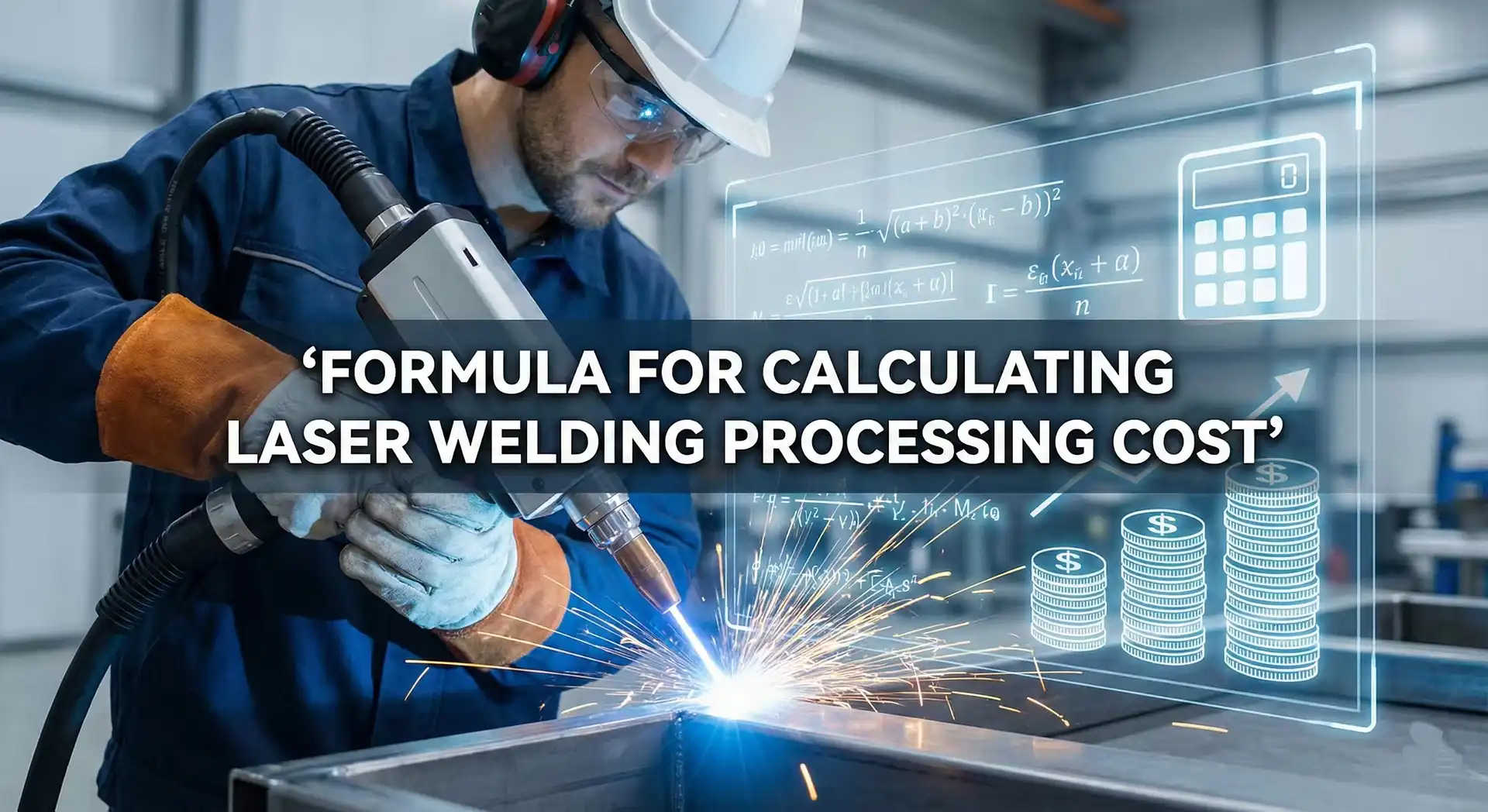
You can figure out your laser welding processing costs with this formula:
Total Cost = Material Cost + Labor Cost + Machine Cost + Energy Cost + Consumables Cost + Overhead.
If you know what each cost means, you can plan your budget better. The machine you pick will change your total cost. Look at the table below to see the usual price ranges:
| Laser Welding Machine Type | Cost Range |
|---|---|
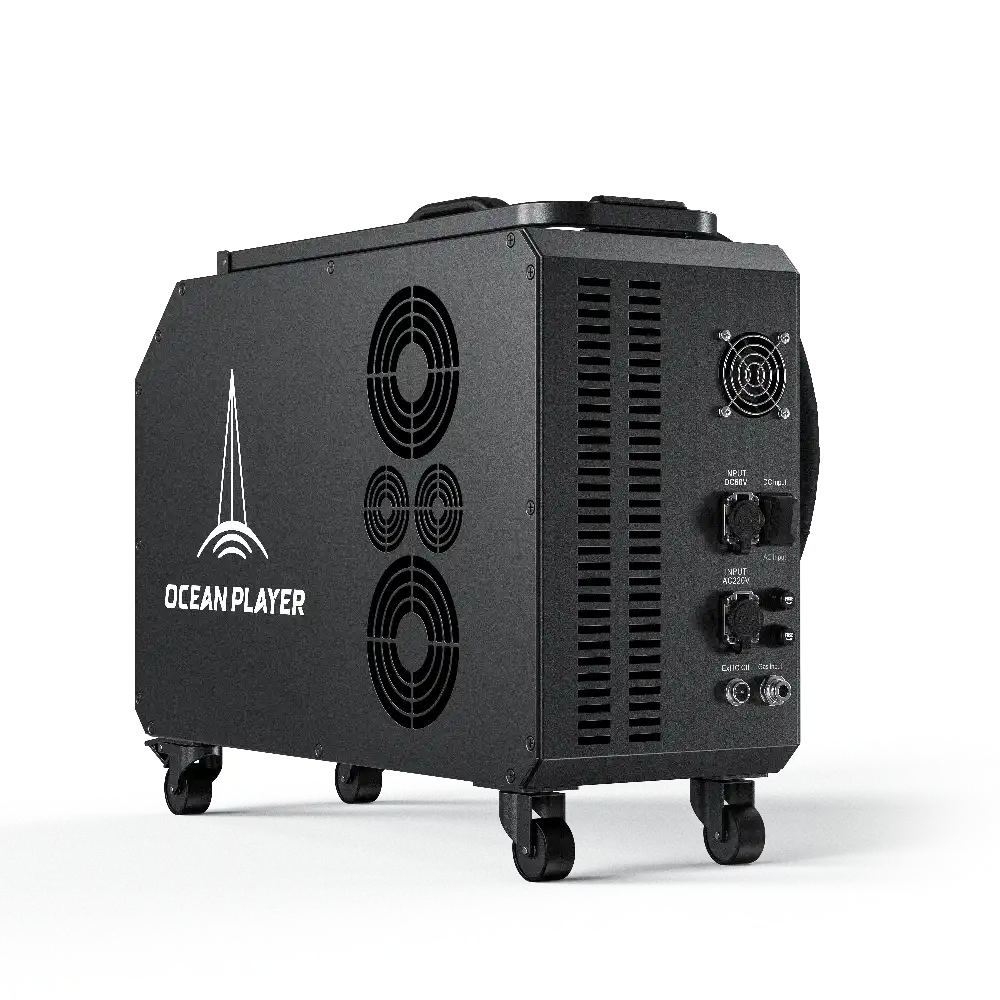
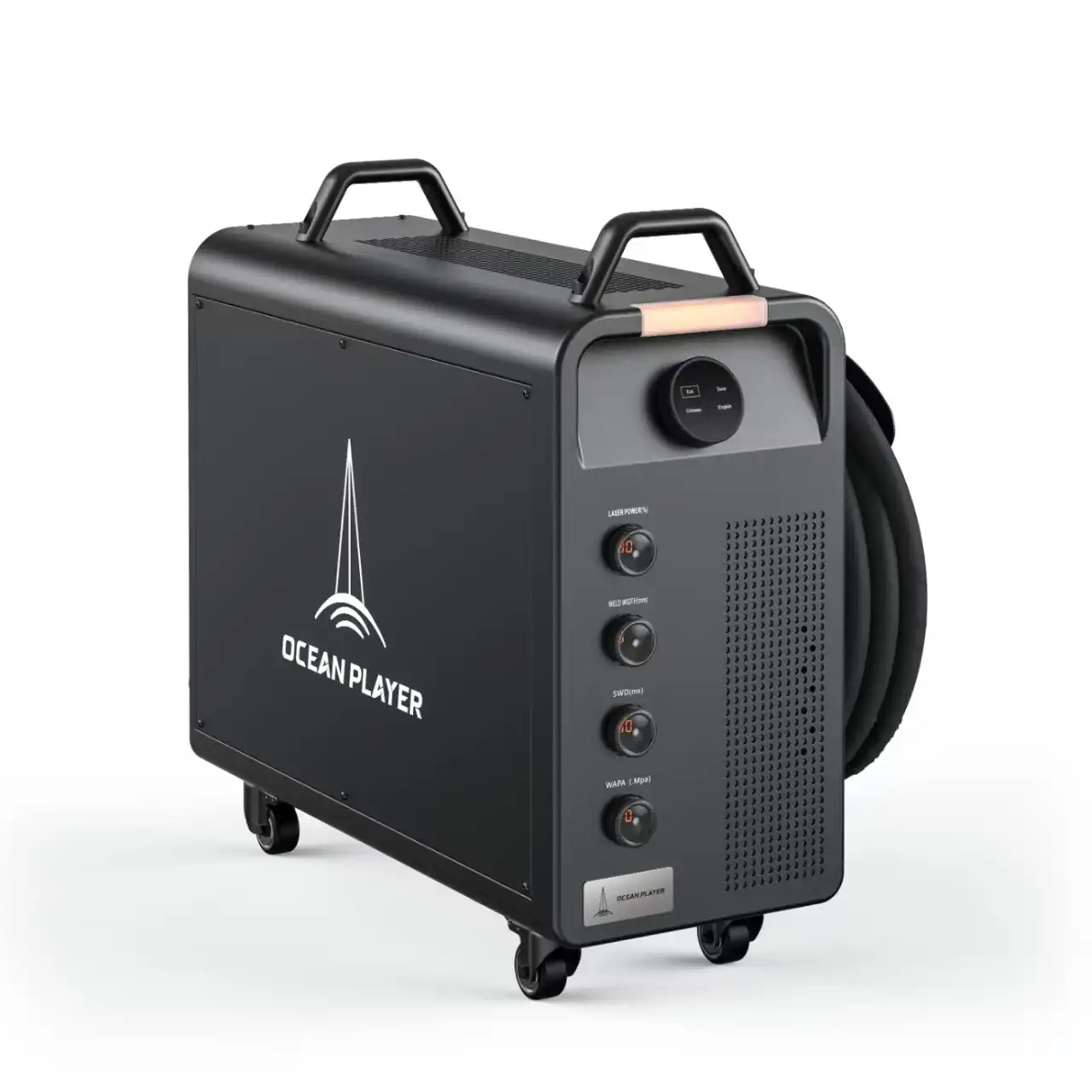
| Entry Level (1,000W) | ~$2,400 |
| Affordable (1,500W) | $2,800 – $5,200 |
| 2000W | $3,600 – $7,800 |
| 3000W | $5,000 – $9,500 |
| 6000W | Starting at ~$15,000 |
Knowing things like how much automation you need and how often you must do maintenance helps you avoid extra costs. This keeps your budget safe. You will learn how to use the Formula for calculating the cost of laser welding processing. You will also learn how to find mistakes and check if you are making money. This guide helps you if you know a lot about the topic or not much at all.
Key Takeaways
- Use this formula: Total Cost = Material Cost + Labor Cost + Machine Cost + Energy Cost + Consumables Cost + Overhead. This helps you plan your budget well.
- Know what each cost means, like material and labor. This helps you find ways to save money and work better.
- Write down all costs and how much you use. This helps you make good choices for later projects and stops surprise costs.
- Pick the best machine and settings for your work. This makes you work faster and spend less money.
- Check your cost math often and look at old projects. This helps you stay on budget and make more money.
Formula for calculating the cost of laser welding processing
The Complete Cost Formula
There is a simple way to figure out how much laser welding costs. You can use the formula for calculating the cost of laser welding processing:
Total Cost = Material Cost + Labor Cost + Machine Cost + Energy Cost + Consumables Cost + Overhead
Each part of this formula is important. You need to know what you spend on materials. You also need to know how much you pay workers. You must count the cost to run your machine. You should add the energy you use. You need to include the price of consumables. You must not forget overhead. When you add all these, you get your total cost.
If you use the formula for calculating the cost of laser welding processing, you can plan your budget. This helps you avoid surprise costs. The formula shows where your money goes. It also helps you compare different jobs or machines.
Key Cost Factors
Each part of the formula for calculating the cost of laser welding processing affects your final price. Here is a table that shows how each cost can change your total cost:
| Cost Type | Details |
|---|---|
| Material Cost | Stainless Steel: $1-$2/sq ft; Aluminum: $1-$1.5/sq ft; Acrylic: $0.5-$1/sq ft; Wood: $0.5-$1/sq ft. |
| Machine Time | Hourly Rate: $60-$120; Faster cutting speeds reduce costs. |
| Labor Costs | Skilled labor averages $20-$30/hour; training improves efficiency. |
| Energy Consumption | Energy-saving measures can lower costs by up to 20%. |
| Overhead Costs | Includes rent, utilities, and insurance; cost-saving measures can reduce overhead by 10% annually. |
- Material Cost: You pay for the metal or other material you weld. The price depends on what you use. Stainless steel costs more than wood or acrylic.
- Machine Time: You pay for the hours your laser welding machine works. Faster machines can save you money. They finish jobs quicker.
- Labor Costs: You pay workers to use the machine. Skilled workers cost more. They work faster and make fewer mistakes.
- Energy Consumption: Your machine uses electricity and sometimes gas. If you use energy-saving settings, you can cut this cost by up to 20%.
- Consumables: These are things like welding wire or shielding gas. You need to buy them often. They add up over time.
- Overhead Costs: This covers things like rent, insurance, and utilities. If you find ways to save here, you can lower your total cost by about 10% each year.
Tip: If you keep track of each cost, you can see where you spend too much. This helps you make better choices for your next project.
When you use the formula for calculating the cost of laser welding processing, you can see your costs clearly. You can also find ways to save money and make your work better.
Laser Welding Cost Components
Material and Consumables
You must pick the right material for your job. The most used materials are stainless steel, carbon steel, aluminum, and copper. Each one costs a different amount and has a special use. Stainless steel is strong and does not rust easily. Carbon steel is cheap and easy to get. Aluminum is light and does not rust, so it is used in cars. Copper is good for wires because it carries heat and electricity well.
| Material Type | Description |
|---|---|
| Stainless Steel | Strong and resists corrosion |
| Carbon Steel | Low cost and widely available |
| Aluminum | Lightweight and resists corrosion |
| Copper | Great for electrical and thermal conductivity |
Consumables are things like welding wire and shielding gas. You need to buy these often. Argon is a popular gas because it is cheap and makes welding steady. Nitrogen can save money at first, but it might make some metals break easier. This means you could need more repairs and spend more money.
Tip: Write down how much material and consumables you use. This helps you guess costs for your next job.
Labor and Machine Time
Labor cost changes based on how skilled your workers are. Most laser machine operators get about $20.70 each hour. If you hire someone with less skill, you pay around $15.33 per hour. Skilled workers can get up to $27.11 per hour. Match the worker’s skill to the job to save money.
Machine time is also important for the Formula for calculating the cost of laser welding processing. To find machine cost, look at the price of the machine, how long you use it, and what it costs to keep it working. Here is an easy way to see what makes up the hourly machine cost:
| Component | Formula/Method |
|---|---|
| Investment Hourly Cost | Machine value ÷ Depreciation period ÷ Operating hours |
| Energy Consumption Cost | Power used (kW) × Electricity cost |
| Labor Cost | Operator’s cost × Time spent on machine |
| Maintenance Cost | Yearly maintenance ÷ Operating hours |
| Consumables Cost | Based on past usage |
| Working Area Cost | Rent ÷ Operating hours |
| Total Hourly Cost | Add all the above |
Note: Keep track of machine use and labor hours. This helps you find ways to spend less.
Energy and Gas Costs
Laser welding machines use a lot of power. How much energy they use depends on the machine’s strength. Low-power machines (1-3 kW) use less energy and cost about $1,000 to $3,000 each year. Medium-power machines (4-6 kW) cost $3,500 to $6,000 each year. High-power machines (7 kW or more) can cost $6,000 to $12,000 each year. If you choose a machine that saves energy, you can pay less for power.
| Machine Type | Energy Use (kWh) | Annual Energy Cost (USD) | Notes |
|---|---|---|---|
| Low Power | 1-3 | $1,000 – $3,000 | Energy efficient |
| Medium Power | 4-6 | $3,500 – $6,000 | Balanced use |
| High Power | 7+ | $6,000 – $12,000 | Higher cost |
You also need to think about the cost of gas. Argon is the best choice for most jobs because it is steady and not expensive. Nitrogen costs less but can cause problems with some metals. If you use the wrong gas, you might have to fix mistakes, which makes your total cost go up.
Overhead and Indirect Expenses
Overhead means things like rent, insurance, and taxes. Indirect costs include payroll taxes and fixing machines. To keep track, you should:
- Write down all your indirect costs, like labor taxes and fixing equipment.
- Make separate accounts for each kind of indirect cost.
- Split these costs by labor hours or machine hours.
- Use accounting software to help you keep records.
- Check your real costs against your budget to see if you make money.
Note: Good records show where your money goes. This makes the Formula for calculating the cost of laser welding processing work better.
Step-by-Step Cost Calculation
Data Collection for Each Factor
You need good data before you start. First, make a list of all materials you will use. Write down how much each one costs. Count the hours each worker will work. Check how long the machine will run. Write down how much energy the machine uses. Track how much shielding gas and welding wire you use. Write down your overhead costs too.
To make sure your data is right, use tools like thermocouples to check temperature. Put a short weld near the thermocouple. Measure the distance from the weld to the tool. Do this test in different places to see if anything is odd. After you collect your data, make a simple model. Include the spot size and material type. Look at your results and compare them to old projects. Change your numbers if you see big differences.
Tip: Good data helps you avoid mistakes and keeps your budget safe.
Applying the Formula
When you have your data, you can use the formula. Add up the costs for materials, labor, machine time, energy, consumables, and overhead. Here is a table to help you organize your numbers:
| Cost Factor | Amount Collected | Unit Cost | Total Cost |
|---|---|---|---|
| Material | |||
| Labor | |||
| Machine Time | |||
| Energy | |||
| Consumables | |||
| Overhead |
Fill in each box with your numbers. Add all the total costs to get your final amount. If you want to check your work, compare your results to other jobs. You can also use reverse engineering to see if your numbers are right. Change your numbers if you need to match real results.
Adjusting for Project Variables
Every project is different. You may need to change your process for new materials or designs. Here are some ways to change your welding:
- Move the laser focus up or down to make less spatter and better welds.
- Use a wobble pattern with the laser to make wider welds and stronger joins.
- Try different ways to move the laser, like fixed optics or galvo scanner heads, to get the best weld.
Note: Small changes in your process can make a big difference in cost and quality.
If you follow these steps, you can use the Formula for calculating the cost of laser welding processing with confidence. Careful data and smart changes help you get the best results for your project.
Example Laser Welding Cost Calculation
Sample Project Scenario
Let’s say you want to weld stainless steel panels. You are making a few custom cabinets. You will use a mid-range laser welding machine. You need to think about the cost for materials, labor, machine time, energy, consumables, and overhead. You also need to count training and maintenance costs. This example shows how each cost adds up.
Calculating Each Component
First, write down the main costs for your project. The table below helps you organize your numbers:
| Component | Example Cost |
|---|---|
| Stainless Steel (material) | $1,200 |
| Labor (100 hours @ $25/hr) | $2,500 |
| Machine Time (100 hours @ $80/hr) | $8,000 |
| Energy Consumption (100 hours @ $2/hr) | $200 |
| Shielding Gas (argon, annual) | $1,000 |
| Consumables (wire, tips, etc.) | $800 |
| Routine Maintenance (annual) | $1,500 |
| Operator Training (initial) | $3,000 |
| Overhead (rent, insurance, etc.) | $2,000 |
Add up each cost to find your total:
- Material: $1,200
- Labor: $2,500
- Machine Time: $8,000
- Energy: $200
- Shielding Gas: $1,000
- Consumables: $800
- Maintenance: $1,500
- Training: $3,000
- Overhead: $2,000
Total Cost = $20,200
Tip: Change these numbers to match your own project. Use your real hours and rates for the best results.
Interpreting Results
Machine time and labor are the biggest costs. Training and maintenance also cost a lot. If you use better equipment or train your team, you can spend less. Check each cost before you start a new job. This helps you find ways to save money.
If you follow this example, you can use the Formula for calculating the cost of laser welding processing for your own work. You will see where your money goes and plan better.
Note: Always compare your numbers to old projects. This helps you make better choices and avoid problems.
ROI and Cost Optimization
Calculating ROI for Laser Welding
You want to know if your investment in laser welding pays off. The return on investment (ROI) formula helps you measure this. ROI shows how much profit you make compared to what you spend. Here is a simple table to explain the main parts:
| Component | Description |
|---|---|
| Profit from Investment | Savings from using the laser welder, like less material waste, lower labor costs, and less energy use. |
| Investment Cost | All costs, including buying the machine, installing it, and keeping it running. |
| ROI Formula | ROI = (Profit from Investment – Investment Cost) / Investment Cost |
Most companies see ROI from laser welding in 18 to 36 months. If you make many parts, you might break even in about 24 months. Smaller shops often see returns after 30 months.
Tip: Use the ROI formula before you buy new equipment. This helps you see when you will start making money.
Tips for Reducing Costs
You can lower your laser welding costs with smart choices. Try these steps:
- Pick the right machine for your job. This saves money and boosts efficiency.
- Adjust machine settings like power and frequency for better results and less wear.
- Use energy-saving methods, such as pulse welding and good cooling systems.
- Keep machines in top shape with regular maintenance.
- Train your team well to avoid mistakes and work faster.
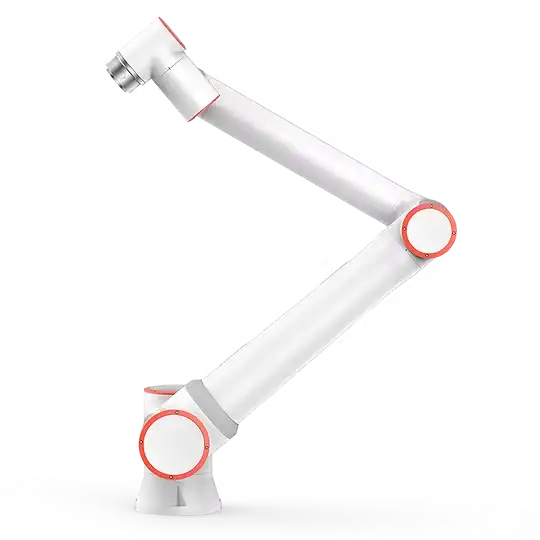
- Add automation or robots to cut labor costs.
- Find quality consumables at good prices.
- Track your data and use it to improve your process.
Laser welding also cuts costs by reducing waste and speeding up production. You get precise welds, so you need less fixing and no extra heat treatment.
Best Practices for Accurate Estimates
You want your cost estimates to be right. Follow these best practices:
- Match machine power to the thickness of your materials. A 1.5 kW machine works for up to 5mm. Thicker materials need more power.
- Know that thicker materials slow down welding and use more energy.
- Train your workers well. Good training means fewer errors and lower costs.
- Check your numbers often and compare them to past jobs.
Note: Careful planning and good records help you make better choices and save money.
You can get good at laser welding cost calculation if you know what each part means and use the right numbers. Checking your work often helps you save money. When you use the formula and look at ROI, you make better choices about spending and buying.
Remember, watching important numbers helps you do better:
| Key Metric | Why It Matters |
|---|---|
| Production Speed | Makes things faster to build |
| Weld Quality | Means less fixing after welding |
| Total Cost of Ownership | Shows how much you save over time |
| Material Versatility | Lets you try more kinds of projects |
| System Integration | Keeps things safe and working well |
| Multi-function Machines | Helps you use your machine for more jobs |
| Workforce Upskilling | Makes your team better at their work |
Try these ideas on your next project to get better results.
FAQ
What is the main benefit of laser welding?
You get strong, clean welds with less heat. Laser welding works fast and makes fewer mistakes. You can use it on many materials.
How do you lower laser welding costs?
Track your material use. Train your team well. Keep machines in good shape. Choose the right machine for your job. Use energy-saving settings.
Can you weld thick materials with a laser?
Yes, you can. You need a high-power machine for thick materials. Thicker pieces may need slower welding speeds and more energy.
What safety steps should you follow during laser welding?
- Wear safety glasses.
- Use protective clothing.
- Keep the work area clean.
- Follow all safety rules for your machine.
How often should you check your cost calculations?
Check your costs after each project. Compare them to past jobs. Update your numbers if you see big changes. This helps you stay on budget.
What Is Laser Welding of Thin Plates and How to Prevent Burn-Through
What Are the Effects of Power Density on Laser Welding Quality