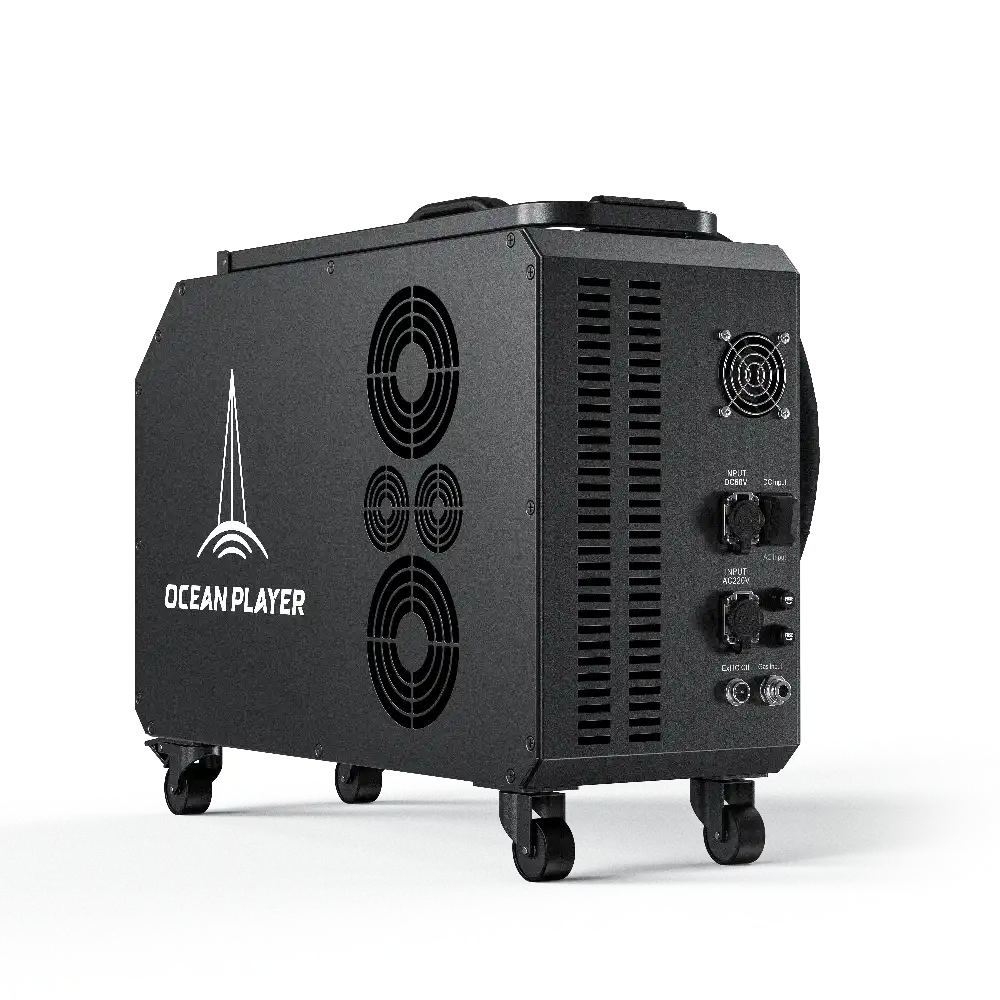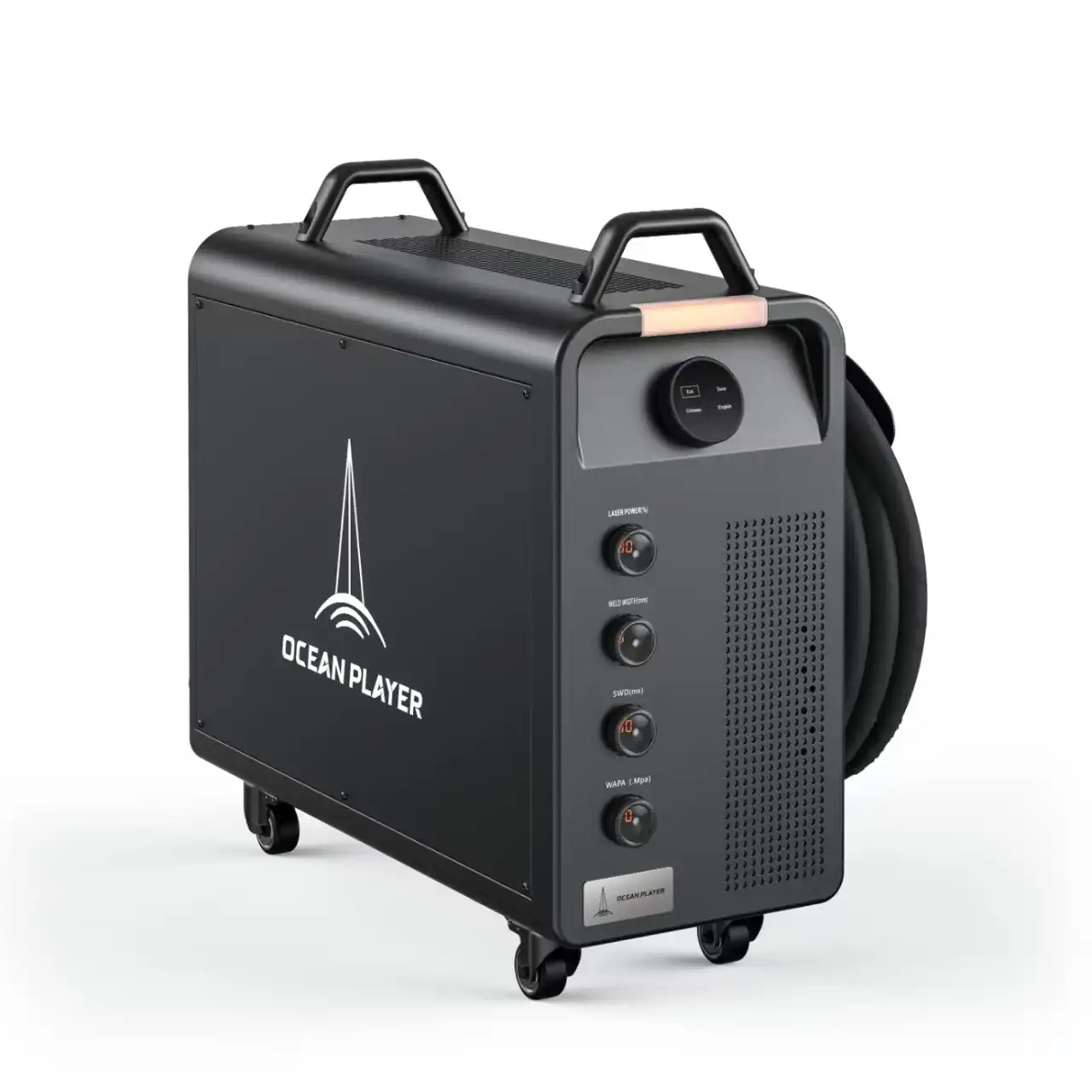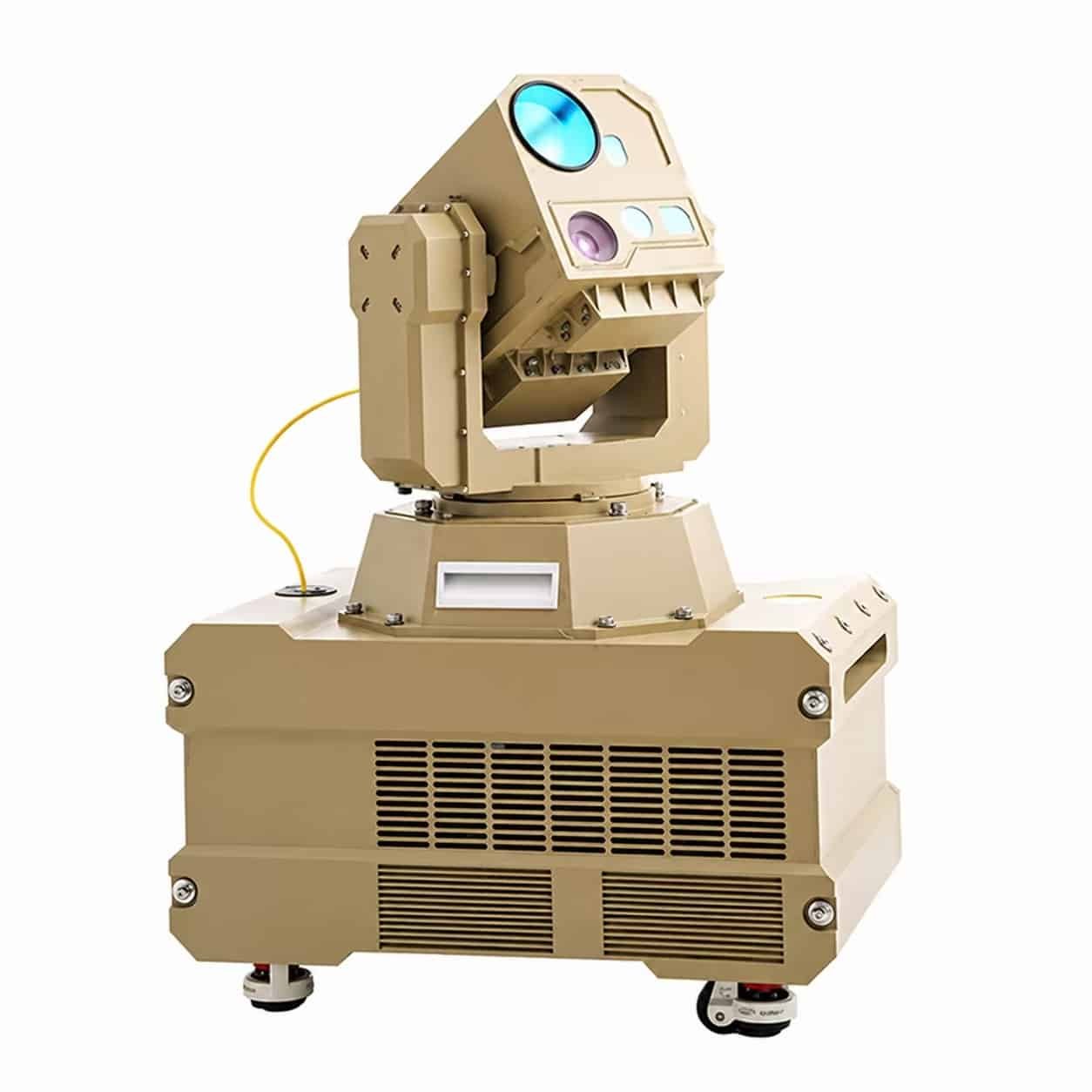

You want to calculate the hourly cost of the laser machine accurately. First, gather data for each cost type, including investment, electricity, labor, and maintenance. Examine every detail closely; missing even one aspect can lead to significant errors. Many businesses make mistakes by overlooking overhead costs, ignoring machine downtime, underestimating maintenance costs, and failing to account for fluctuations in labor and electricity rates.
- Not including all costs like overhead, labor, maintenance, or repair.
- Not considering downtime or machine issues.
- Underestimating tooling wear and maintenance costs.
- Not accounting for changes in labor or electricity rates.
If you plan effectively, you can avoid these pitfalls and discover ways to reduce your costs.
Key Takeaways
- Collect all cost information. This includes investment, electricity, labor, and maintenance. This helps you not make mistakes in your math.
- Use this formula: Total Costs ÷ Total Working Hours. This will help you find the hourly cost of your laser machine.
- Make sure to add all cost parts. These are fixed, variable, labor, and overhead. This gives you a full view of your spending.
- Check your math often. Update it when costs change, like electricity prices or labor pay. This keeps your prices correct.
- You can use online calculators for fast guesses. But always check the answers with your own numbers to be sure.
How to Calculate the Hourly Cost of the Laser Machine
Hourly Cost Formula Overview
To figure out the hourly cost, you need to look at every expense for owning and using the laser machine. This helps you see where your money goes. It also helps you plan your budget. Most companies use a simple formula. First, add up all the costs for the machine. Next, find out how many hours the machine works well. Last, divide the total costs by the number of working hours. This gives you the hourly cost.
Tip: Use the real running hours, not just the total hours in a year. Downtime and maintenance can make the machine run less.
Here is an easy way to use the formula:
- Add all costs for the machine (fixed, variable, labor, and overhead).
- Find the total hours the machine works each year.
- Divide the total costs by the total working hours.
You can see the main cost types and their parts in the table below:
| Cost Type | Components |
|---|---|
| Fixed Costs | Depreciation costs, Space costs, Calculated interest costs |
| Variable Costs | Wear part costs, Spare part costs, Service costs, Energy costs, Cutting gas costs, Labor costs |
| Overhead Costs | Extra costs that should be counted for a true calculation |
This formula helps you find the hourly cost of the laser machine. It makes sure you count every important expense.
Main Cost Components List
When you figure out the hourly cost, you need to include several main groups. Each group matters for the final cost. Here is a list of the main cost parts:
- Investment and Depreciation: This means the price of the machine spread over its life.
- Electricity Usage: This is the energy the machine uses when working.
- Operator Wages: You need to count the pay and benefits for the person running the machine.
- Maintenance Expenses: This means regular service, repairs, and replacing old parts.
- Consumables: These are things like cutting gases and other materials used while working.
- Occupied Area Cost: This is the cost for the space the machine uses, like rent and utilities.
- Profit Margin: You should add a profit margin to keep your business strong.
Here is a table that shows how each part adds to the total cost:
| Component | Calculation Example | Contribution to Total Cost |
|---|---|---|
| Energy Consumption | 1.5 kW x $0.12 = $0.18 | $0.18 |
| Labor Cost | $25 x 2 = $50 | $50 |
| Maintenance | $1,000 ÷ 500 = $2 | $2 |
| Depreciation | $50,000 ÷ 10,000 = $5 | $5 |
| Total Cost | $0.18 + $50 + $2 + $5 = $57.18 | $57.18 |
You can put these costs into four main groups:
- Fixed Costs
- Variable Costs
- Labor Costs
- Overhead Costs
Fixed costs are things like depreciation and space. Variable costs are things like energy and consumables. Labor costs are the pay for the operator. Overhead costs are rent and office expenses.
When you figure out the hourly cost, make sure you count every group. This gives you a clear idea of what it costs to use your machine each hour. If you miss any part, your numbers will be wrong. You can use this way to compare machines or set prices for your work.
By following these steps, you can find the hourly cost of the laser machine. This helps you make smart choices and keep your business making money.
Cost Breakdown
Investment and Depreciation
First, look at the money you spend to buy the laser machine. This is called your initial investment. Many commercial laser machines cost about $150,000 to start. To find the hourly cost of the laser machine, you need to spread this cost over the machine’s life. Most people use the straight-line method for this. You divide the total cost by the hours you think the machine will work. For example, if you buy a $5,000 machine and use it for 5,000 hours, the depreciation cost is $1 per hour. In factories, some people use accelerated depreciation. This means you count more of the cost in the first years. Over five to ten years, laser machines can lose 60–80% of their value. Fiber lasers usually keep their value better than CO2 lasers. This is because they need less maintenance and are wanted more.
Tip: Always use real numbers for how long your machine will last. If you guess too high, your hourly cost will be too low.
Common Mistake: If you forget depreciation, you might charge too little for your work.
Electricity Usage
Electricity is a big part of your costs. Laser machines use different amounts of power. Most machines use between 1 kW and 15 kW. Fiber lasers use less energy than CO2 lasers. The type of material you cut changes how much power you use. Harder materials like steel need more power and take longer to cut.
- Laser cutting machines use 1 kW to 15 kW.
- Fiber lasers use less energy than CO2 lasers.
- Power use changes with material, thickness, and speed.
- Harder materials need more power and time.
Electricity prices are different in each place. For example, fiber laser systems may use 3 to 10 kW every hour. If your local rate is $0.12 per kWh, your hourly cost is between $0.36 and $1.20. At busy times, some machines use up to 12 kWh per hour. This costs $1.44 per hour at the same rate.
Note: Always check your local electricity rates and machine settings. This helps you find the hourly cost of the laser machine more exactly.
Common Mistake: Using average rates instead of your real local rate can make your cost wrong.
Operator Wages
You need to count the pay for the person who runs the machine. Wages depend on how much experience the operator has. New operators earn about $15.33 per hour. Operators with 1-4 years of experience earn around $20.70 per hour. Experienced operators can make up to $27.11 per hour. As workers get better, their pay goes up. They also work faster and make fewer mistakes.
- Entry-level: $15.33/hour
- 1-4 years: $20.70/hour
- Experienced: $27.11/hour
Tip: Use the average wage for your team. If you have more skilled workers, your labor cost will be higher.
Common Mistake: Not counting overtime or benefits can make your labor cost too low.
Maintenance Expenses
Maintenance keeps your machine working well. You need to plan for both regular and surprise repairs. Regular jobs include cleaning optics, aligning the laser, and changing old parts. Scheduled maintenance costs $500 to $1,500 each time, with 2–4 times each year. Unplanned repairs can cost $2,000 to $10,000 each time. On average, you spend $2,500 to $6,000 each year on maintenance and repairs.
- Regular checks stop big repairs.
- Good parts from trusted suppliers help avoid breakdowns.
- How you use the machine changes maintenance costs.
Tip: Preventive maintenance saves money over time. Keep track of all repairs and service visits.
Common Mistake: Skipping regular checks can cause expensive breakdowns and lost work time.
Consumables
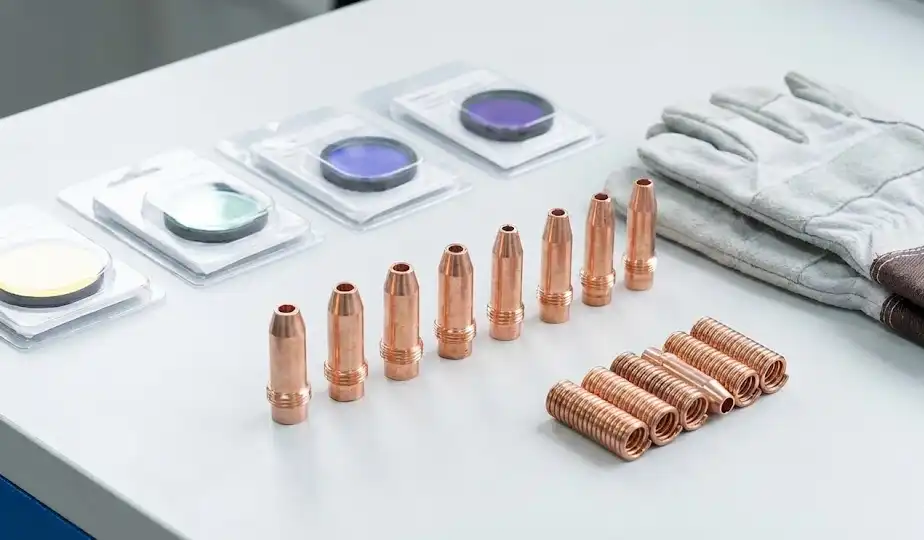
Consumables are things you use up while running the machine. These include lens savers, filters, slats, and gases. You need to replace them often. Here is a table showing common consumables, their costs, and how often you need to replace them:
| Consumable Item | Typical Cost | Frequency of Replacement |
|---|---|---|
| Lens savers (protective lens cover) | $10-$20 each | Daily |
| Sacrificial slats for work tables | $1-1.50 per pound | Every 2-3 days to once a month |
| Air/gas filters | $2,000 – $4,000 | Semi-annually |
| Dust collector filters | $800 – $2,000 | Every 6 months |
| Laser tube | $700-$4,000 | Every 2,000-5,000 hours |
| Assist gas (large amounts) | $3,000 – $30,000/mo | Monthly, depending on volume |
Note: Keep track of how often you replace each item. This helps you find the hourly cost of the laser machine more exactly.
Common Mistake: Forgetting to count consumables can make your cost too low.
Occupied Area Cost
The space your machine uses also costs money. This includes rent, utilities, and insurance. These costs are not direct but are still important. Facility costs are usually 10-20% of your total running costs. You need to add these when you figure out the hourly cost of the laser machine.
- Rent, utilities, and insurance are big parts of facility costs.
- These costs can change if you move or grow your shop.
Tip: Divide your total facility costs by the number of machines and hours they run. This gives you a fair hourly cost for each machine.
Common Mistake: Ignoring facility costs can make you charge too little for your work.
Profit Margin
You want your business to make money. After you add up all your costs, you need to add a profit margin. Many businesses use a cost-plus model. They add 20-30% to the total cost to set the final price. Market research helps you see what customers will pay.
- Know all your costs first.
- Add a fixed percentage (20-30%) for profit.
- Check what your competitors charge.
“Market research helps you set prices that match what customers expect and are willing to pay.”
Common Mistake: Setting your profit margin too low can hurt your business. Setting it too high can make customers leave.
By breaking down each cost, you can find the hourly cost of the laser machine with confidence. This step-by-step way helps you avoid mistakes and set the right price for your services.
Total Hourly Cost Calculation
Summing All Costs
You need to add up every cost to get the total hourly cost. Start by listing each cost component. Use a table to organize your numbers. This makes it easy to see where your money goes. Here is a simple way to group the costs:
| Cost Component | Description |
|---|---|
| Investment H.C. | Cost from buying the machine |
| Electricity or power H.C. | Cost for running the machine |
| Operator’s H.C. | Pay for the person using the machine |
| Maintenance H.C. | Money for repairs and upkeep |
| Consumables H.C. | Materials used during operation |
| Occupied area H.C. | Cost for the space the machine uses |
Add the numbers from each group. The sum gives you the total hourly cost. You can use this method to calculate the hourly cost of the laser machine for any setup.
Tip: Always check your numbers for each cost group. This helps you avoid mistakes and keeps your calculation accurate.
Example Calculation
Let’s look at a real-world example. Imagine you have a fiber laser machine. You want to know how much it costs to run each hour. Here is a sample table showing power costs for different operating modes:
| Operating Mode | Power Used (W) | Cost / hour |
|---|---|---|
| Standby | 140 | $0.0476 |
| 20% laser power setting | 250 | $0.0850 |
| 50% laser power setting | 580 | $0.1972 |
| 80% laser power setting | 690 | $0.2346 |
Now, add the other costs. For example, if your operator earns $20 per hour, maintenance costs $2 per hour, consumables cost $1 per hour, and your occupied area costs $3 per hour, you would add these to your power cost. If you run at 50% power, your total hourly cost is:
- Power: $0.20
- Operator: $20
- Maintenance: $2
- Consumables: $1
- Occupied area: $3
Total hourly cost = $0.20 + $20 + $2 + $1 + $3 = $26.20
You can use this step-by-step method to calculate the hourly cost of the laser machine for your own business. This helps you set prices and plan your budget.
Cost Optimization Tips
Reducing Operating Costs
You can lower your laser machine costs by making smart choices. Start by watching how much energy you use. Pick the right laser type for your work. Only run the machine when you need to. Use the best assist gas for each material. Change the gas flow to save money. Do regular maintenance to stop big repairs. This keeps your machine working well. Write down your costs and check them often. This helps you see where you can save money.
- Use efficient settings to save energy.
- Pick the right assist gas to stop waste.
- Do regular maintenance to avoid downtime.
- Track costs and compare them to find savings.
- Use nesting software and manage scrap to save materials.
- Train operators and use automation to work faster.
- Watch for downtime with real-time monitoring and keep spare parts ready.
- Buy good consumables so they last longer and work better.
- Use smart software like CAD/CAM and IoT tools to make work easier.
Tip: Small changes, like better training or using pure gases, can help you save a lot of money.
Using Online Calculators
Online calculators help you guess your laser machine hourly costs fast. You type in details about your machine, materials, and labor. The calculator gives you a quick estimate. You do not need to do all the math yourself. Here are some popular calculators:
| Calculator Name | Description |
|---|---|
| Laser Project Cost Calculator | Estimates project costs, labor time, material costs, and machine running costs. |
| Laser Cutting Cost Estimator | Gives cost estimates based on material type, thickness, and project needs. |
Remember, online calculators only give you estimates. Real costs can change depending on your shop. Always read the notes and rules for each calculator. Check the results with your own records to see if they match.
Note: Use online calculators to start, but trust your own records for the best results.
You have learned how to figure out your laser machine’s hourly cost. Check your numbers often. Change them when your costs go up or down. Use your hourly cost to set fair prices. This helps you make good choices for your business. If your math is right, you can:
- Pay for your equipment, workers, and extra costs to earn real profit
- Make prices that help you compete with other shops
- Watch how much you use your machine and stop charging too little
- Make smart plans for how much money your shop can make
Always count every cost and add your profit margin to get the best results.
FAQ
How often should you update your hourly cost calculation?
Check your hourly cost every six months. If electricity, wages, or maintenance change, update your numbers fast. This helps you keep prices fair. It also stops you from losing money.
What is the best way to track consumable usage?
Use a logbook or a spreadsheet. Write down each item you replace and its cost. This helps you spot patterns and plan for future spending. Tracking makes your cost numbers more exact.
Can you use the same formula for different laser machines?
Yes, you can use the same formula for any laser machine. Just change the numbers for each machine’s costs and hours. This helps you compare machines and pick the best one for your shop.
Why should you include a profit margin in your calculation?
Adding a profit margin helps your business grow. You pay all your costs and earn extra money. Most shops add 20–30% to their total cost. This keeps your business strong and ready for new things.
What mistakes should you avoid when calculating hourly costs?
Some mistakes are forgetting downtime, skipping maintenance costs, and using average rates instead of real numbers. Always check your data and update your records to get the most exact hourly cost.
What problems will arise from laser welding of galvanized sheet?
Repairing Weld Burn-Through Common Mistakes and Solutions