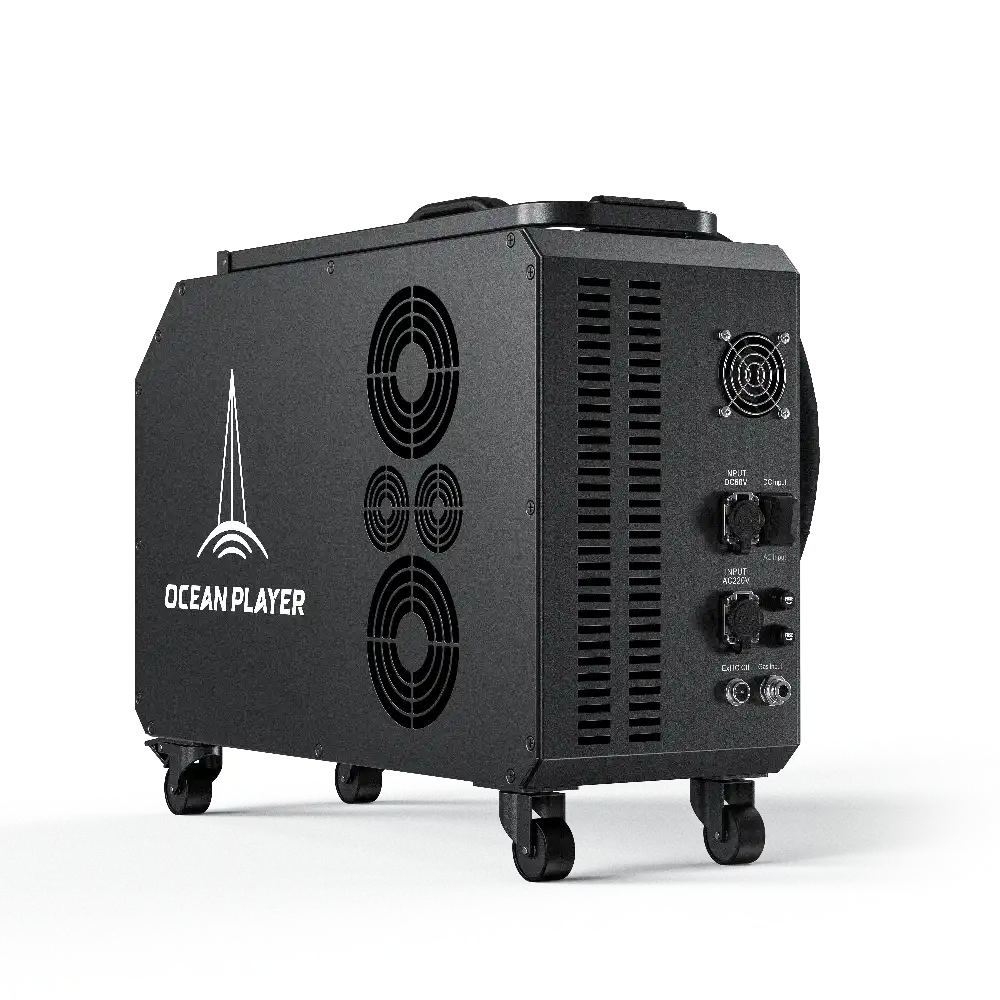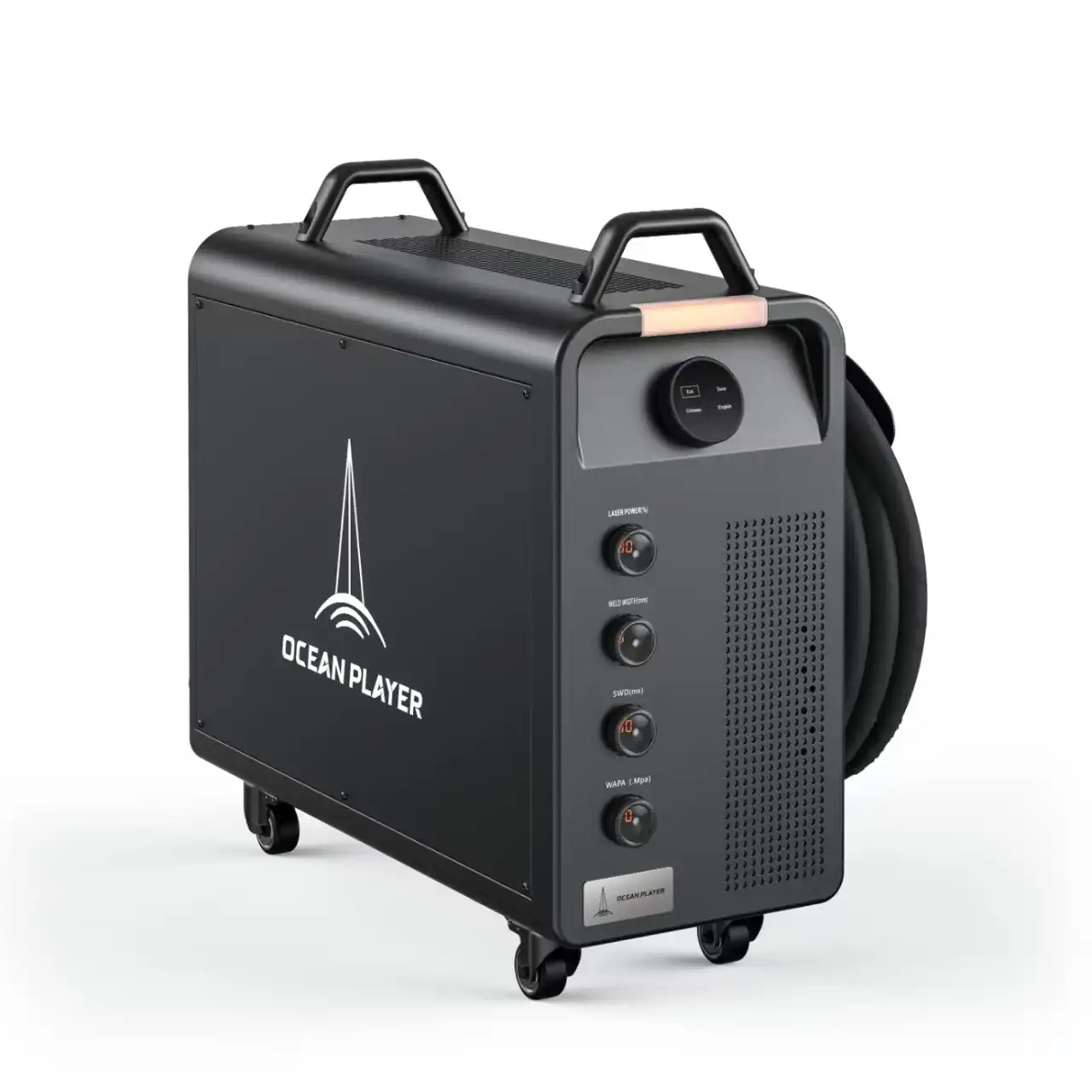
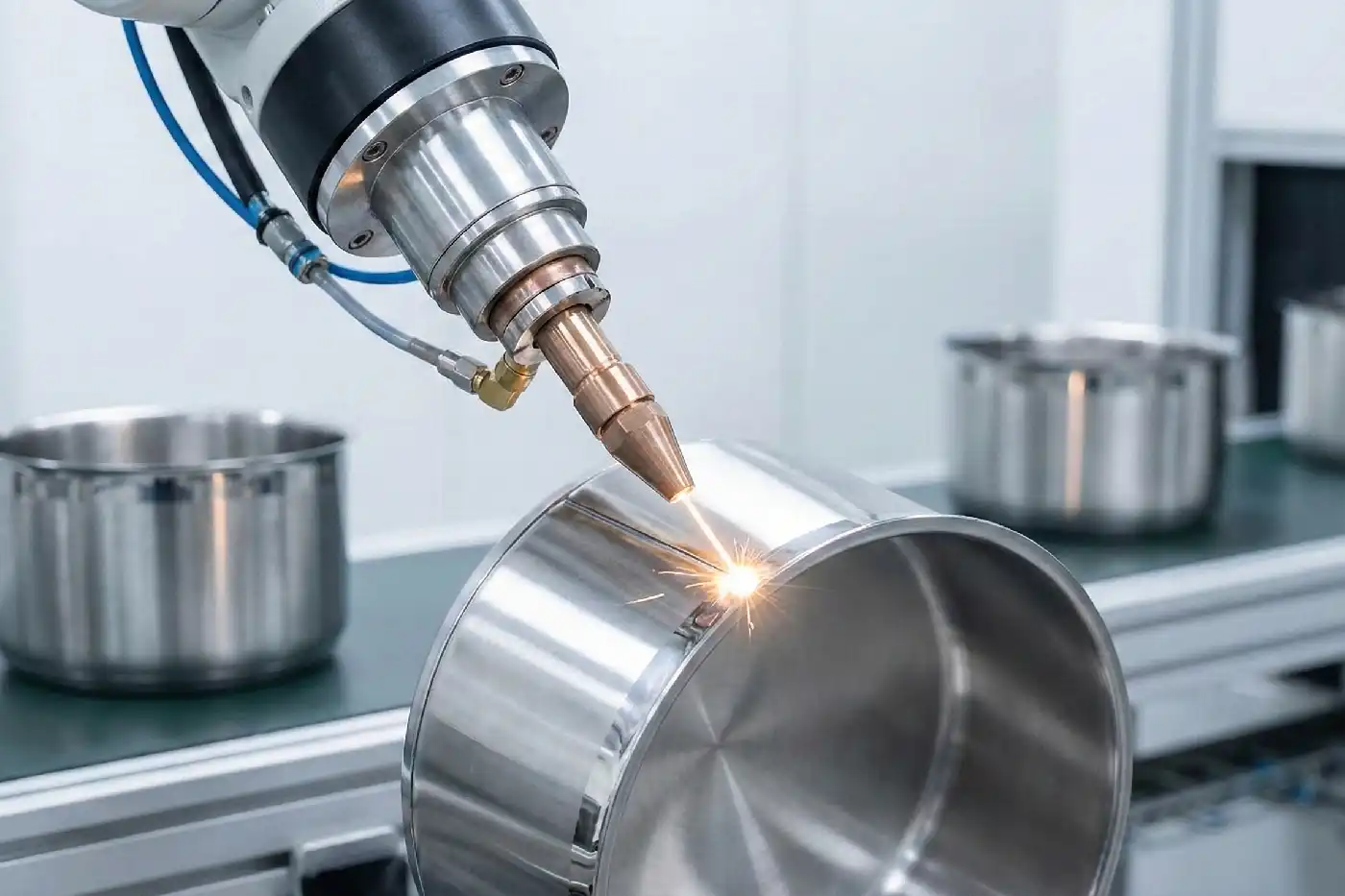
You see laser welding change the manufacturing of kitchen utensils in many ways. This method gives strong seals that stop leaks. You can see the smooth seams that look neat and shiny. People want products that last long and look nice. Laser welding helps make this happen. You get exact joins and less bending of the material. Factories use laser welding to enhance the manufacturing of kitchen utensils, making them work better and last longer.
Key Takeaways
- Laser welding makes strong joints in kitchen tools. These joints do not leak. This helps the tools last longer and stay safe.
- The process gives smooth seams. These seams look clean. They make kitchenware look modern and nice.
- Laser welding is quicker than old ways. Factories can make more utensils faster. There is less waste.
- This technology works with many metals. It works with stainless steel and aluminum. This lets designers make different kitchenware.
- Picking laser-welded kitchenware is a smart choice. These products last longer. They need less care.
Laser Welding in Manufacturing of Kitchen Utensils
Process Overview
Laser welding is a new way to make kitchen utensils. It uses a strong laser beam to join metal pieces. First, workers clean the surfaces. They line up the pieces so they fit well. This helps remove dirt and makes sure the parts match. Then, the laser beam is aimed at the joint. The laser melts the metal where the pieces touch. Workers change the power and speed of the laser. This depends on the kind of metal and the shape. When the welding is done, the metal cools down. It forms a tough bond that holds the pieces together.
Laser welding lets workers control the joining process very well. The welds are strong and do not bend much. Each step in the process helps make the product better:
| Step | Description | Contribution to Quality |
|---|---|---|
| Preparation | Workers clean and line up the metal pieces. | This removes dirt and makes sure the pieces fit right. |
| Beam Focusing | The laser beam is aimed at the joint. | This sets how strong the laser is and how big the spot is. |
| Welding Parameters | Workers set the laser’s power and speed. | These settings help make the weld strong and good for each metal and design. |
| Welding Process | The laser melts and joins the metal pieces. | This makes the weld tough and keeps the metal from bending. |
| Cooling and Solidification | The metal cools and gets hard. | This helps the weld stay strong and last longer. |
Applications in Kitchenware
Laser welding is used in many ways to make kitchen utensils. It works well for joining different parts and metals. Here are some examples:
- Handles: Workers use laser welding to attach handles to pots and pans. The welds are strong and look neat.
- Multi-ply cookware: Layers of metal are joined to make cooking surfaces that last and work well.
- Pressure cookers: Laser welding seals the joints so there are no leaks. This keeps the cooker safe.
- Sinks: The seams are welded for a smooth look and to keep water in.
- Cutlery: Knives, forks, and spoons are joined with exact welds.
Laser welding helps make each of these items better. The products last longer and look nicer. Factories use this technology to make kitchen utensils that work well and look good.
Sealing and Leak-Proof Joints
Seam Quality and Strength
You want your kitchen utensils to last and stay safe. Laser welding helps you get strong and leak-proof joints. The laser beam joins metal pieces with high speed and accuracy. This process keeps the metal from bending or warping. You see smooth seams that do not let water or air pass through. The joints stay tight, even after many uses.
Laser welding works well with advanced high-strength steels. These metals are common in the manufacturing of kitchen utensils. The welds resist rust and corrosion. You can use your pots, pans, and sinks every day without worrying about leaks or damage. The laser creates a bond that holds up under heat, pressure, and cleaning.
Industry experts test the quality of these welds. They use special methods to check for corrosion and strength. You get kitchenware that meets high standards for safety and durability.
Tip: Laser welding gives you joints that look neat and last longer. You do not see cracks or rough edges.
How do experts test corrosion resistance?
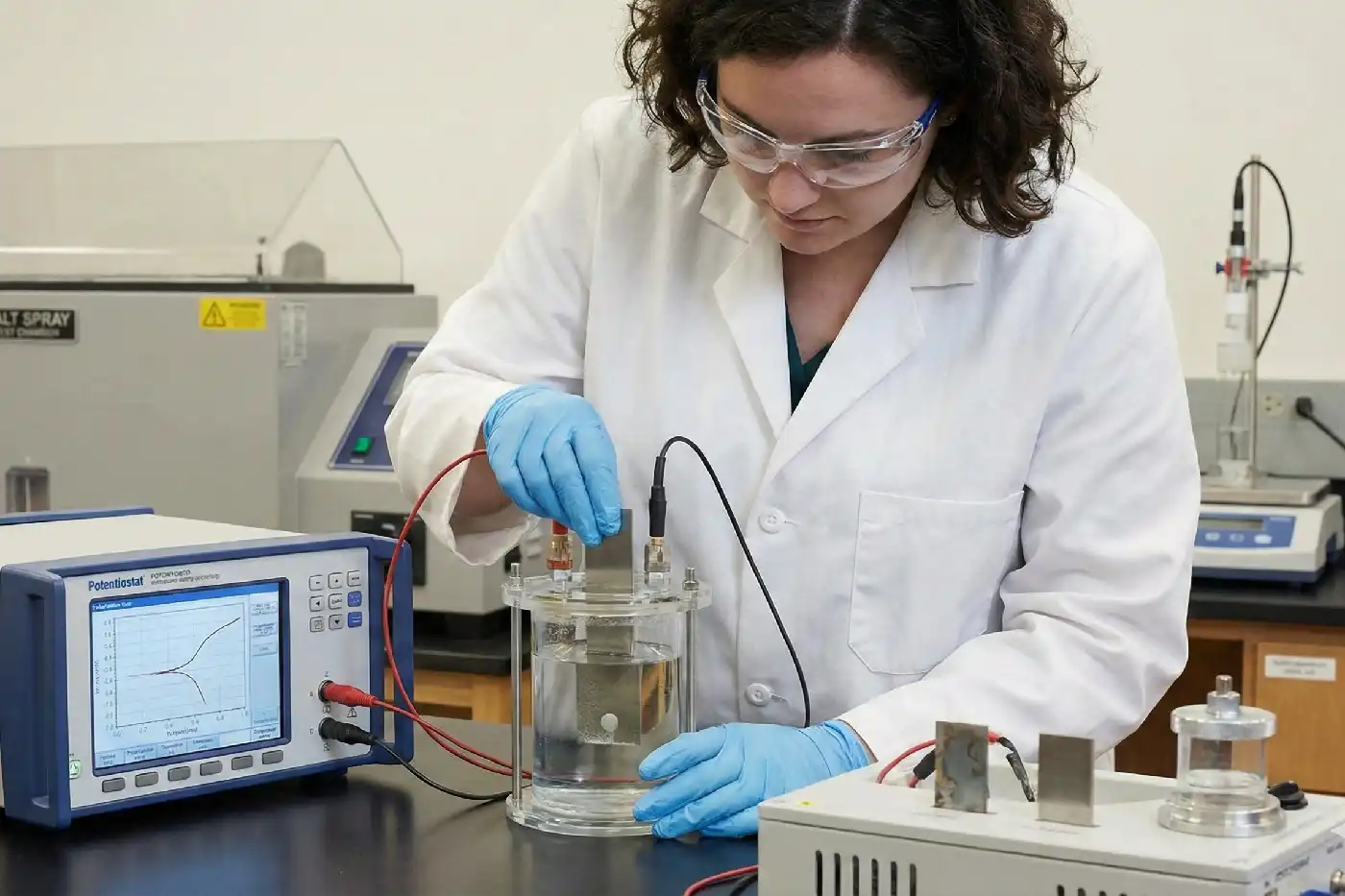
- Salt spray testing (ASTM B117) checks how well the weld stands up to salty water.
- Chloride stress corrosion cracking (ASTM G123) tests the weld in boiling salt water.
- Intergranular corrosion testing (ASTM A262) looks for weak spots between grains in the metal.
You see these tests used to make sure your kitchenware stays safe and strong.
| Evidence Type | Description |
|---|---|
| Corrosion Behavior | Experts look at how welded joints react to water and cleaning chemicals. |
| Metallurgical Analysis | They check for changes in the metal near the weld that could cause rust. |
| Testing Methods | Special machines measure how well the weld resists corrosion. |
You also find that experts use electrochemical methods to study the welds. They measure how fast the metal corrodes and how strong the weld stays over time.
- Electrochemical tests use Tafel curves to check corrosion resistance.
- Experts measure the corrosion rate at a steady temperature.
- A three-electrode system helps them get accurate results for each weld.
Comparison with Traditional Methods
You may wonder how laser welding compares to older ways of joining metal. Traditional welding uses heat and filler materials. These methods can cause the metal to bend or change shape. You often see rough seams and spots that can rust or leak.
Laser welding gives you many advantages:
- You get cleaner seams with less discoloration.
- The process uses less heat, so the metal does not warp.
- Welds resist corrosion better than those made with older methods.
- You see fewer leaks and longer-lasting joints.
In the manufacturing of kitchen utensils, laser welding helps you get products that look better and work better. You do not have to worry about weak spots or leaks. Your kitchenware stays strong and safe for years.
Aesthetic Benefits in Kitchenware Production
Smooth and Precise Seams
You notice the difference when you pick up a kitchen utensil made with laser welding. The seams look clean and narrow. You do not see rough edges or marks. Laser welding uses a focused beam that melts metal only where needed. This creates a very small heat-affected zone. The metal does not warp or bend. You get a utensil that keeps its shape and strength.
Many factories use special finishing steps after laser welding. These steps blend the welds with the rest of the metal. You can run your finger along the seam and barely feel it. The color and texture match the rest of the utensil. The welds look almost invisible. You see a product that looks like it was made from one piece of metal.
- Laser welding creates precise seams with minimal heat-affected zone.
- Welds stay clean and smooth, with little distortion or discoloration.
- Finishing processes blend the welds, making them hard to see or feel.
- The final utensil shows a consistent texture and color, even with many welds.
Laser welding also helps keep the metal strong. The low heat input keeps the stainless steel from losing its corrosion resistance. You get utensils that last longer and look better.
Impact on Product Appearance
You care about how your kitchenware looks. Laser welding helps make utensils that look modern and high-quality. The smooth seams and shiny surfaces catch your eye. You do not see dark spots or uneven lines. The utensil looks clean and well-made.
Laser welding reduces the heat-affected zone by over 90% compared to older welding methods. This means less warping and better shape. The process keeps the metal’s natural color. You do not need extra polishing or finishing. The utensil comes out of the factory looking ready for your kitchen.
Here is how laser welding improves the appearance of kitchenware:
| Feature | Benefit to You |
|---|---|
| Narrow, clean seams | Utensils look sleek and modern |
| Minimal discoloration | Surfaces stay shiny and bright |
| No warping | Utensils keep their shape |
| Consistent texture | Products feel smooth and comfortable |
You see these benefits in many products from the manufacturing of kitchen utensils. The improved look makes you want to use and display your kitchenware. You feel proud to own utensils that look and perform well. Many people choose laser-welded kitchenware because it shows quality and care.
Tip: If you want kitchen utensils that look great and last long, choose products made with laser welding. You get both style and strength.
Efficiency and Material Versatility
High-Speed Production
Factories use laser welding to make kitchen utensils fast. The laser joins metal parts in just seconds. You see more products finished quickly. Only a small spot gets hot from the laser. The rest of the utensil stays cool and does not bend.
Here is a table that shows how fast laser welding is:
| Material Type | Laser Welding Speed | Traditional Welding Speed | Speed Advantage |
|---|---|---|---|
| 0.8–1.2 mm Stainless | Up to 3–5× TIG | TIG | 3–5 times faster |
| 1.5–2.0 mm Carbon | 3–4× MIG | MIG | 3–4 times faster |
| 1–2 mm Aluminum | 2–3× Conventional | Conventional | 2–3 times faster |
You get more utensils made in less time. The welds look clean and neat. There are fewer mistakes and less waste. The utensil keeps its shape because only a small area gets hot. You do not have to worry about weak spots or warping.
- Laser welding is fast and very exact.
- Less heat means less bending.
- Better welds help factories make more products.
Tip: Laser welding lets factories make kitchenware quickly, so you get new utensils sooner.
Suitability for Stainless Steel and Other Materials
Kitchen utensils are made from many kinds of metal. Laser welding works well with stainless steel, carbon steel, and aluminum. The laser beam gives strong welds on thin or thick pieces. Even small parts get joined tightly.
The laser heats only a tiny area. This helps when using thin or delicate metals. The utensil stays strong and does not change shape. You do not see burns or marks near the weld. Laser welding is good for many kitchen tools.
| Benefit | What You Get |
|---|---|
| Works on many metals | More choices for your kitchenware |
| Precise control | Clean and strong welds |
| Minimal heat impact | Less risk of warping or damage |
You can trust laser welding to make safe and strong utensils. Your kitchenware looks good no matter what metal is used.
Challenges and Considerations
Technical Requirements
You need special machines and skills for laser welding. The machine must sit on a flat, steady table. There should be enough space around it. You put in the right software and check if it works. You set up the optical parts and test the system. This makes sure everything works well. Workers learn how to use the machine and follow safety rules. They also learn how to use the software. Safety is important, so workers wear protective gear. Only trained people can go near the machine.
| Requirement Type | Details |
|---|---|
| Equipment Specifications | Stable surface, proper alignment, and enough space for operation. |
| Software Installation | Compatible software, correct installation, and full functionality. |
| Calibration and Setup | Calibration of optical parts and system tests. |
| Operator Training | Training in machine use, software, and safety. |
| Safety Considerations | PPE, controlled access, safety features like interlocks and ventilation. |
Laser welding has some limits. It can be hard to weld thick metal. The weld may not go deep enough. Sometimes, you see holes, cracks, or weak spots. You fix these by cleaning parts and checking the machine. You also watch the welding settings. Shiny metals can cause problems. You change the settings or pick better materials.
| Common Limitations | Solutions |
|---|---|
| Porosity | Careful part preparation and understanding the process. |
| Cracking | Regular maintenance and operator training. |
| Inconsistent penetration | Monitoring and controlling welding parameters. |
| Distortion | Using preventive and mitigation strategies. |
| Reflective materials | Adjusting parameters and material selection. |
Note: Laser welding works best for thin metals and tricky shapes. For thick joints, you may need other ways to join metal.
Cost and Adoption Factors
Buying a laser welding machine costs a lot at first. The price depends on the kind of machine you pick. You also pay for fixing, cleaning, and new parts. You need to replace things like lenses and welding heads. Cleaning and checking the machine cost money too. If a big part breaks, repairs can be expensive.
- The machine costs a lot at the start.
- You pay for new parts, cleaning, and fixing.
- Lenses and nozzles need to be replaced sometimes.
- Big repairs can cost a lot of money.
You save money later because laser welding needs less work from people. You do not need much extra cleaning after welding. You can make more products faster. Most factories get their money back in one or two years.
| Aspect | Laser Welding | Traditional Joining Methods |
|---|---|---|
| Upfront Investment | Significant | Generally lower |
| Labor Costs | Reduced | Higher |
| Post-Processing Expenses | Minimized | Often substantial |
| Throughput | Increased (up to triple output) | Standard output |
| Quality of Welds | High precision, minimal spatter | Variable quality |
| Return on Investment (ROI) | Full ROI within 12-24 months | Longer payback period |
Laser welding is great for making ovens, stoves, hoods, sinks, woks, and kettles. You get neat, strong welds and save time.
| Product Type | Advantages of Laser Welding |
|---|---|
| Ovens | High precision and aesthetic finish |
| Stoves | Low thermal impact and durability |
| Hoods | Clean, narrow weld seams |
| Sinks | Effective for stainless steel and intricate designs |
| Woks | Exquisite and regular welds |
| Kettles | Less post-welding treatment needed |
- Laser welding does not touch the metal, so it does not bend much.
- It works best for thin metals and tricky shapes.
- It helps factories work faster and use less labor.
You notice that laser welding makes kitchenware strong and leak-proof. The seams look smooth and modern. Experts like laser welding because it is very exact and high quality. It also helps factories work faster with less stopping time. When you pick these products, you help the earth by making less waste and pollution. Many factories use laser welding for sinks, pots, pans, and cabinets. This is because it makes joints that are strong and look nice.
- Laser welding gives you:
- Exact welds with no mistakes
- Very little heat damage
- A better look
| Application Area | Benefit |
|---|---|
| Stainless Steel Fabrication | Clean, accurate welds for sinks, faucets |
| Cookware Manufacturing | Leak-proof, durable bonds |
| Cabinet Production | Seamless, cost-saving joints |
You can count on laser-welded kitchenware to last and look good.
FAQ
What kitchen utensils benefit most from laser welding?
Pots, pans, sinks, and cutlery get the most from laser welding. This method gives them strong seams that do not leak. The finish is smooth and looks nice. Factories use laser welding for items that must last and look clean.
Does laser welding make kitchenware safer?
Laser welding makes kitchenware safer to use. The joints are tight and do not leak. They also fight rust and corrosion. Your utensils stay strong after many washes and uses.
Tip: Pick laser-welded kitchenware for more safety and longer use.
Can laser welding work with all metals used in kitchenware?
Laser welding works best on stainless steel, carbon steel, and aluminum. Factories use it for both thin and thick metal pieces. Some shiny metals need special settings to weld well.
| Metal Type | Laser Welding Suitability |
|---|---|
| Stainless Steel | Excellent |
| Carbon Steel | Very Good |
| Aluminum | Good |
Is laser welding faster than traditional welding?
Laser welding is much faster than old welding ways. It joins metal parts in just seconds. Factories can make more utensils in less time. You get new kitchenware sooner.
Does laser welding affect the look of kitchenware?
Laser welding keeps seams neat and narrow. The utensil looks shiny and modern. You do not see rough spots or color changes. Your kitchenware looks nice and high-quality.
Why is handheld laser welding machine so popular?
How to train laser welding workers effectively
What You Should Know About Laser Welding Cold Welding Technology