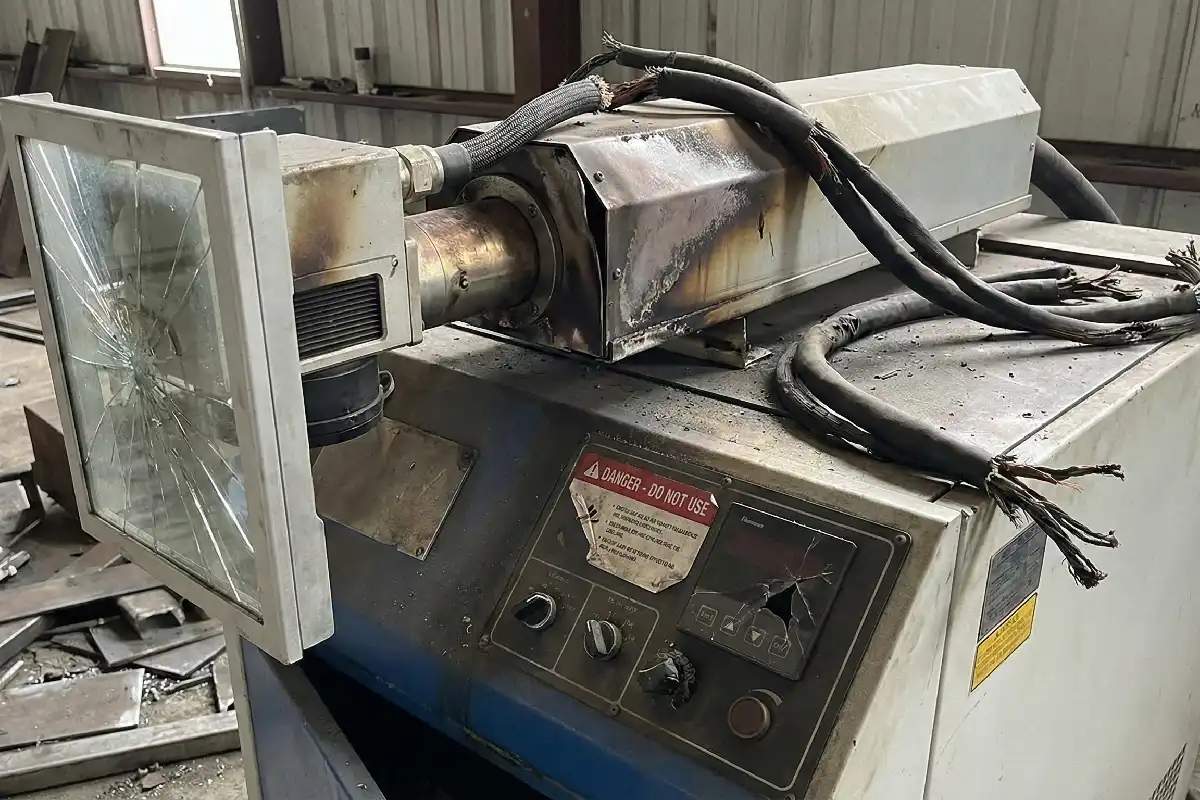
You can encounter significant issues with your laser systems if the input voltage is not steady. Fatal damage to equipment often begins with overheating, contamination, or sudden power spikes. These problems cause essential components to wear out more quickly and lead to increased costs. You may notice your electricity bills rising or find yourself needing to purchase new parts more frequently. The table below illustrates the consequences for your laser system when voltage is unstable:
| Impact on Laser Systems | Description |
|---|---|
| Core Component Lifespan | Fluctuating power causes parts to overheat and become dirty, resulting in a shorter lifespan. |
| Operational Costs | Increased electricity usage and frequent part replacements drive up expenses. |
| Maintenance Needs | Excessive power fluctuations can lead to fatal damage to equipment, necessitating more repairs. |
You can prevent these issues by learning to recognize the warning signs.
Key Takeaways
- If voltage is not steady, parts can get too hot and break. This makes laser parts not last as long.
- If you notice things like power changes or the beam moving, it could mean too much voltage. Seeing these signs early can stop expensive fixes.
- Not enough voltage can make the laser weak. This can make cuts rough and jobs not finish. It is important to check voltage often.
- Changes in voltage can make the cooling system work too hard. This can make things too hot. Watch how the cooling works to stop problems.
- Use things like voltage stabilizers and do regular check-ups. These steps help keep your laser system safe.
Overvoltage and Fatal Damage to Equipment
Voltage Spikes and Laser Component Failure
Your laser system can get damaged if voltage spikes happen. These quick jumps in voltage can break sensitive parts, like laser diodes. Many times, industrial lasers fail because of overvoltage. You might see these types of damage:
| Damage Mechanism | Description |
|---|---|
| Optical Overstress | Happens when too much optical energy hits the laser diode’s mirrors, so they lose their ability to reflect light forever. |
| Electrical Overstress | Comes from strong over-current or over-voltage, which heats up the laser diode die and can crack it. |
Voltage spikes can break laser diodes in different ways. Electrical overstress can make the P-N junction hot and damaged. Optical overstress can hurt the mirrors inside the diode. These problems can start from too much voltage or current. Low-power laser diodes are extra sensitive to electrostatic discharge (ESD).
When this kind of failure happens, your equipment can be ruined. The laser might stop working, or you may have to buy new, costly parts.
Signs of Overvoltage in Laser Systems
You can find overvoltage problems if you know what to look for. Maintenance logs can show these issues before things get worse. Watch for these signs:
- Power drift: The laser power slowly goes up or down.
- Beam pointing stability: The laser beam moves or does not stay straight.
- Mode quality: The shape of the laser beam changes.
- Spectral properties: The color or width of the laser beam changes.
- Coherence: The laser beam’s pattern or timing changes.
- Temperature: The cooling system might not work right.
You might see the laser output is not steady or the beam looks worse. These signs mean your equipment could get badly damaged if you do not fix the problem soon.
Irreversible Effects on Laser Diodes
Overvoltage can hurt laser diodes forever. The brightness might drop and never get better, even after repairs. Sometimes, you can see damage on the diode’s edges with a microscope. At first, the diode might seem okay, but it will not work like before.
- Overvoltage can cause laser diodes to lose brightness for good.
- Looking with a microscope can show damage on the diode’s edges.
- You might not see the damage right away; it can look like it will get better, but it will not.
If you ignore these problems, your equipment can break for good and you will spend more money on new parts.
Undervoltage and System Malfunction
Power Supply and Control Circuit Issues
Low voltage can hurt your laser system too. The power supply and control circuits do not get enough power. This makes them work harder and not as well. You might see the control panel blink or turn off and on. Sometimes, the laser will not start at all. If the voltage drops, sensors and safety features might stop working. This can make your equipment unsafe.
Tip: Always check your voltage before starting your laser system. You can stop many problems if you find undervoltage early.
Impact on Laser Performance and Cut Quality
Undervoltage changes how your laser works. The laser beam can get weak. The edges of your cuts may look rough or uneven. Sometimes, the laser cannot cut through the material. Watch for these signs to catch problems early. If you need your laser to be exact, even small voltage drops can mess up your work.
Here is a table that shows what you might see:
| Symptom | What It Means |
|---|---|
| Weak laser beam | Not enough power for full output |
| Jagged cut edges | Unstable energy delivery |
| Incomplete cuts | Laser cannot finish the job |
Long-Term Equipment Risks
If you ignore undervoltage, your equipment can break for good. The power supply and control circuits wear out faster. You may have to buy new parts more often. The laser system can stop working when you need it most. You might lose money if your equipment breaks during important jobs. You can stop these problems by checking your voltage and doing regular maintenance.
Note: Use voltage stabilizers and keep your system clean. These small steps can help you avoid big problems.
Voltage Fluctuations and Cooling System Failure
Cumulative Stress and Overheating
Your laser system might act weird if voltage changes a lot. These changes are called voltage fluctuations. They put stress on your equipment. Over time, this stress builds up. It can make parts get too hot. Fiber lasers are very sensitive to this problem. When voltage goes up and down, the cooling system cannot keep things cool. The main parts of the laser get hotter than they should. If this happens a lot, your equipment could get badly damaged.
Here are some common reasons for voltage changes where lasers are used:
- Turning on big machines can make voltage jump.
- Bad wiring or old breakers can cause voltage to drop.
- Lightning or storms can send voltage surges through wires.
- Starting or stopping heavy machines can make sags or spikes.
If your laser gets hot for no reason, check for voltage problems.
Cooling System Sensitivity to Voltage Instability
The cooling system needs steady voltage to work right. If voltage keeps changing, fans or pumps may speed up or slow down at the wrong times. This makes it hard to keep the laser cool. You might hear odd sounds from the cooling unit. You could see warning lights on the control panel. Sometimes, coolant flow drops and the laser gets too hot.
Tip: If the cooling system turns on and off a lot, or if the temperature display jumps, check your power supply right away.
If you ignore these signs, the cooling system can break. This can make the laser overheat and get badly damaged.
Preventing Fatal Damage from Fluctuations
You can keep your laser safe from voltage problems by using the right tools and habits. Here are some ways to stop damage:
| Preventive Measure | Description |
|---|---|
| Controlling instrumentation | Use good drivers and controllers to keep power and temperature steady. |
| Using proper mounts | Pick the right mount for your laser diode to lower noise and keep things stable. |
| Proper handling | Ground your equipment and use clean tools to stop static shocks and dirt. |
You should also check your wiring and change old parts before they break. Watch for early signs like overheating, odd noises, or warning lights. Acting early can save money and keep your laser safe.
You now know that overvoltage, undervoltage, and voltage changes can really hurt your laser system. If you check your system often and take care of it, you can find problems early. This helps your laser work well for a long time. You can use these expert tips to keep your equipment safe:
| Step | Description |
|---|---|
| Follow NFPA 70E, OSHA, and local electrical codes | Following safety rules keeps you safe and follows the law. |
| Inspect wiring and verify grounding regularly | Checking wires and grounding stops electrical problems and dangers. |
| Ensure lockout/tagout (LOTO) procedures are in place for maintenance | Lockout/tagout keeps the power off when you fix things. |
| Use insulated tools and PPE when servicing electrical systems | Insulated tools and PPE keep workers safe from shocks. |
- Look at your wiring a lot.
- Pick the right equipment.
- Teach your team about electrical safety.
If you stay careful, your laser system will be safe and work well.
FAQ
What happens if you ignore voltage problems in your laser system?
Your equipment can get ruined forever. The laser might not work anymore. You may have to spend money fixing or replacing it.
How can you tell if your laser has voltage issues?
You could see warning lights or hear odd sounds. The laser might look weak. The cuts might not look as good. Always look at the control panel for warnings.
Why do cooling systems fail with voltage fluctuations?
Cooling systems need steady power to work right. If power changes a lot, fans and pumps do not run smoothly. This can make things too hot and break the cooling system.
What tools help protect your laser from voltage damage?
- Voltage stabilizers
- Surge protectors
- Regular maintenance checks
These tools help keep your laser safe and working well.
Can you fix a laser diode after overvoltage damage?
No, you cannot fix a laser diode after overvoltage. You have to get a new diode to make it work again.
Passive vs Auto-darkening welding helmet: Is it worth it?
Selection guide for 6010 and 6011 welding rods
Top Portable Laser Welding Machines for Stainless Steel and Their Prices