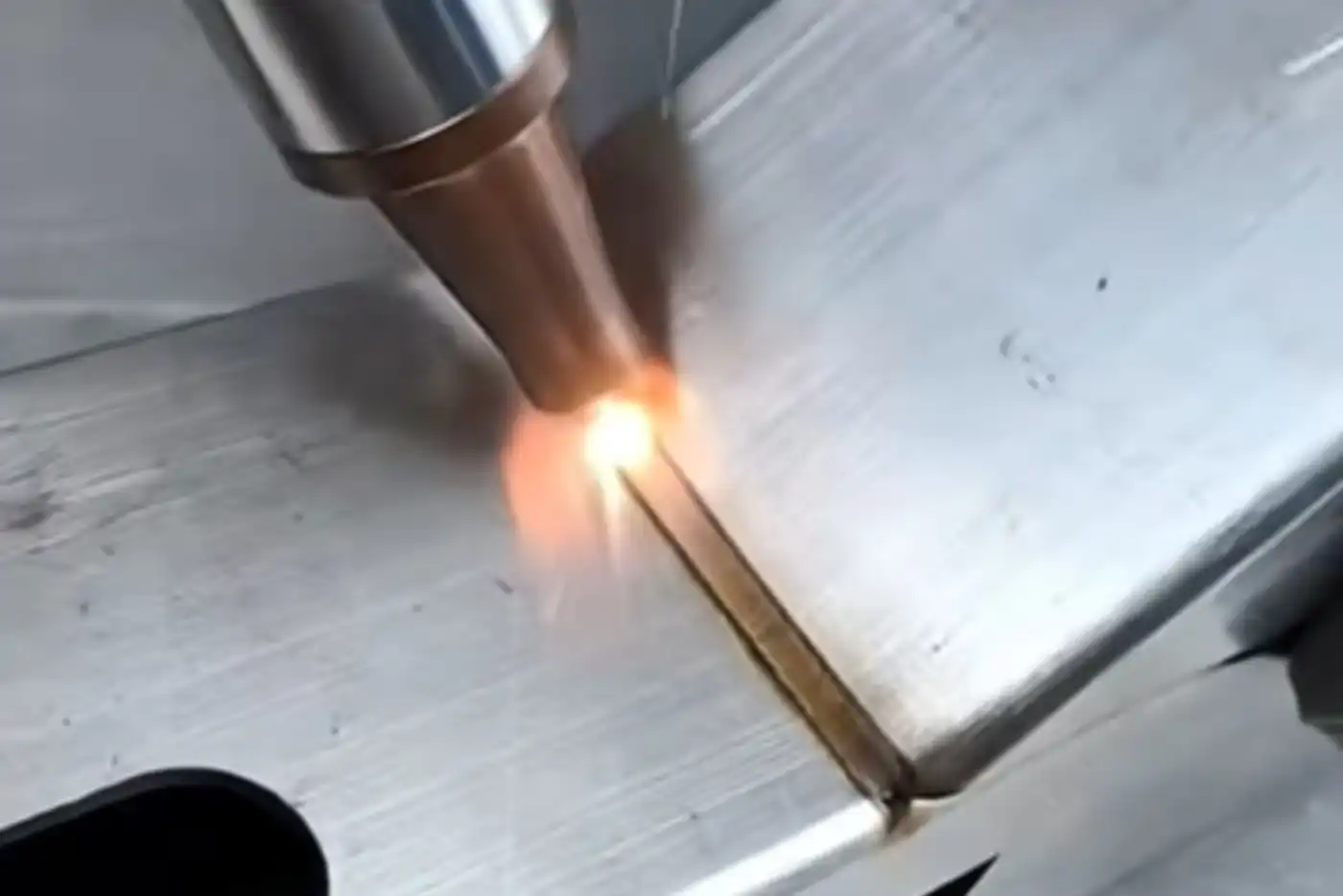
When you notice problems with air pressure during welding, act fast. Poor air pressure can cause weak welds and damage your equipment. First, check the regulator for correct settings. Next, inspect hoses for leaks or cracks. Look at filters for dirt or blockages. Make sure the compressor works properly. Quick checks help you avoid costly mistakes and keep your welding safe.
- Check the regulator settings
- Inspect hoses for leaks
- Clean or replace filters
- Test the compressor
Tip: Address issues right away to prevent poor weld results and equipment failure.
Key Takeaways
- Look at your regulator settings and hoses often so you do not have air pressure problems.
- Check for leaks and things blocking your welding system to keep your welds strong.
- Clean or change air filters each month so the air pressure stays steady.
- Adjust your gauges and regulators every year so you do not make expensive mistakes.
- Do regular maintenance checks to keep your welding tools working well.
Signs of Low Air Pressure During Welding
Welding Defects and Quality Issues
You can spot problems with air pressure during welding by looking at your welds. Low air pressure often leads to weak joints. You may see cracks or holes in the weld bead. Sometimes, the weld does not stick well to the metal. You might notice uneven surfaces or rough edges. These defects make the weld unsafe and unreliable.
Here are common welding defects caused by low air pressure:
- Porosity: Small holes appear in the weld.
- Incomplete fusion: The weld does not bond the metals together.
- Undercutting: The weld leaves grooves along the edges.
- Spatter: Tiny metal droplets scatter around the weld area.
Note: If you see these defects, check your air pressure right away. Fixing the pressure can improve your weld quality.
Visual and Audible Warning Signs
You can use your senses to detect low air pressure during welding. Watch for changes in the welding arc. A weak or flickering arc often means the pressure is too low. You may see less shielding gas around the weld. This can cause the weld to look dull or dirty.
Listen for strange sounds from your equipment. Hissing or sputtering noises may signal leaks or blockages. If your compressor runs longer than usual, it may struggle to keep up with demand.
| Warning Sign | What It Means |
|---|---|
| Flickering arc | Low air pressure |
| Hissing sound | Possible leak |
| Sputtering noise | Blocked hose or filter |
| Dull weld appearance | Poor gas coverage |
Tip: Always pay attention to these signs. Quick action helps you avoid bigger problems and keeps your welding safe.
Diagnosing Air Pressure Issues
Inspecting Regulators and Gauges
Begin by looking at your regulators and gauges. You need good readings to control air pressure when welding. Check for any damage or signs of wear. Make sure the gauge needle moves without sticking. Calibration is very important. Calibrate your gauges at least once every year. Use a very accurate reference standard for this. For important jobs, keep your gauges very close to perfect. If your gauges get bumped or face heat changes, check them more often. Always use trusted standards like NIST or ASTM E74 for calibration.
| Evidence | Description |
|---|---|
| 28% of regulator malfunctions | Many problems come from poor calibration. |
| $12,000 annual cost | Mistakes in calibration can waste money and energy. |
| 5% calibration drift | Small errors can cause big swings in air pressure. |
Tip: Calibrating your gauges often saves money and keeps welds strong.
Checking Hoses, Filters, and Connections
Now, look at all hoses, filters, and connections. Leaks or blockages can lower air pressure and hurt weld quality. Run your hand along hoses to feel for leaks. Look for cracks or worn spots on the hoses. Check filters for dirt or water. Clean or change dirty filters right away. Tighten all connections so air does not escape. Pressure loss can happen from not enough supply, old parts, blocked passages, or water problems.
- Check pressure and flow often.
- Clean filters and air passages a lot.
- Change out old or broken parts.
- Oil moving parts to stop friction.
Note: Keeping your air system clean and tight helps keep air pressure steady when you weld.
Assessing Compressor Performance
Your compressor must give enough airflow and pressure for welding. Compare your compressor’s output to what is needed. Use the tables below to see if your compressor is strong enough.
| Airflow Capacity (CFM) | Recommended Use |
|---|---|
| 5-10 CFM | Small air tools |
| 10-20 CFM | Grinders, small plasma cutters |
| 20+ CFM | Large plasma cutters, sandblasting |
| Pressure Rating (PSI) | Recommended Use |
|---|---|
| 90-100 PSI | Impact wrenches, grinders |
| 100-120 PSI | Plasma cutters (thin/medium metal) |
| 120-150 PSI | Heavy-duty cutting, sandblasting |
Set a starting point for your gas flow. Change it for temperature and humidity. Do short test welds and look at the results. Write down your final settings for next time. Watching pressure and flow in real time helps keep welding safe and steady.
Tip: Make sure your compressor is strong enough for your welding. This stops pressure drops and keeps welds even.
Fixing Insufficient Air Pressure During Welding
Adjusting Regulators and Calibrating Pressure
You must set your gas regulators the right way. This keeps air pressure steady when you weld. Regulators use a diaphragm and spring to control flow. If you use a single-stage regulator, you need to adjust it often. This is because cylinder pressure drops as you use it. Two-stage regulators are better for welding. They keep the output steady by lowering pressure in two steps.
Here are steps to adjust your regulator:
- Turn off the gas supply before you start.
- Set the regulator to the right pressure for welding. For argon, 35 psi works well and helps stop pressure creep.
- Open the gas supply and watch the gauge. If pressure drops fast when you close the valve, lower the setting.
- Test the system with a short weld and check for steady pressure.
- Write down your final settings for next time.
Calibrating your equipment often keeps air pressure safe. Calibration makes sure your machine works right. If you set amperage or voltage wrong, welds may be weak. You can avoid failed checks and safety risks by checking calibration often.
Tip: Calibrate your gauges and regulators every year. This keeps weld quality high and stops costly mistakes.
Repairing Leaks and Replacing Faulty Parts
Leaks in your welding system can make air pressure drop fast. You should check couplings, hoses, tubes, and fittings for leaks. Use soapy water to find leaks—bubbles show where air escapes. You can also use an ultrasonic detector to hear leak sounds.
Here is a table of common leak sources and how to find them:
| Leak Source/Detection Method | Description |
|---|---|
| Couplings, hoses, tubes, fittings | Look for wear and damage |
| Ultrasonic acoustic detector | Listen for leak sounds |
| Soapy water method | Watch for bubbles at joints |
| Tightening connections | Stop leaks at joints and fittings |
| High-quality fittings and sealants | Prevent leaks at connections |
To fix leaks, tighten all connections and change damaged parts. Use good thread sealants to stop leaks at joints. If you have equipment not in use, close it off with valves to stop air loss.
- Tighten loose fittings and connections.
- Change worn or cracked hoses.
- Use sealants on threads.
- Close unused equipment with shut-off valves.
Note: Fixing leaks fast helps keep air pressure steady and saves energy.
Cleaning Filters and Clearing Blockages
Dirty filters and blocked passages can lower air pressure and hurt welds. You need to clean or change filters often to keep the air system working well. Good filter care also helps control fumes and keeps your workspace safe.
Here are steps to clean and care for your filters:
- Turn off the system before you take out filters.
- Check filters for dust, dirt, or water.
- Clean reusable filters with air or water, following instructions.
- Change disposable filters if they look clogged or broken.
- Check air passages for blockages and clear them.
Clogged filters make the fan motor work harder. This can lower fume capture and even break the motor. Cleaning often keeps your system working well and protects your equipment.
Tip: Clean and check filters every month. This easy step helps you avoid downtime and keeps welds strong.
Regular care stops problems with air pressure during welding. Check and change air filters, oil moving parts, drain water from tanks, and look at hoses and connections. These steps help your equipment work well and last longer.
Preventing Future Air Pressure Problems
Routine Maintenance Tips
You can stop most air pressure problems with regular care. Check your welding tools every day and use a checklist. Look at the torch and electrode before you start. Make sure the foot pedal and gas supply work well. Check cables and connections each week or month. Do a full check of the whole system once a year to find damage.
| Maintenance Task | Frequency | Benefits |
|---|---|---|
| Inspect Torch | Daily | Keeps cooling good and parts last longer |
| Check Electrode | Daily | Makes welds better and stops contamination |
| Examine Foot Pedal | Daily | Helps control amperage and keeps welds even |
| Inspect Gas Supply | Daily | Keeps arc steady and stops overheating |
| Check Cables/Connections | Weekly/Monthly | Stops power loss and gas leaks |
| Full System Inspection | Annually | Finds damage, keeps parts strong, and stops failures |
Regular service may seem expensive, but it saves money later. Finding problems early stops long breaks and keeps welds strong. You also avoid surprise repair costs and get more use from your tools.
Tip: Keep your welding area neat and clean. Good airflow and air checks help stop fumes and keep you safe.
Setting Correct Pressure for Welding Processes
You must set the right pressure for each welding job. Small shops use simple fans and cheaper ways to move air. Put your work area where air moves well and fumes go away. Wear safety gear like respirators and keep them working right.
Big factories use special tables and air filters to catch fumes. Machines can help lower worker exposure in places with lots of fumes. Always check your regulator and compressor for enough air pressure. Change settings for heat and wetness, then test with short welds to make sure it works.
Note: Setting the right pressure and caring for your system stops future problems and keeps welds good.
You can make your welds better by checking air pressure often. Look at regulators, hoses, and filters to find problems. Clean or change parts when they get dirty or old. Plan regular checkups to keep your tools working well. Use monitors to find issues early and stay safe. The table below shows how watching your equipment helps you:
| Benefit | Description |
|---|---|
| Reduced Downtime | Monitors help stop breakdowns and fix things fast. |
| Improved Reliability | Watching your tools keeps them working right. |
| Maximum Productivity | Good tools help you finish more work. |
| Reduced Costs | Fixing problems early saves money on repairs. |
Always pay attention and keep your welding area safe. This keeps you healthy and your tools in good shape.
FAQ
What should you do first if you notice low air pressure during welding?
Check your regulator settings right away. Inspect hoses for leaks or cracks. Make sure your compressor works well. Quick checks help you find the problem fast.
How often should you clean or replace air filters?
You should check and clean filters every month. Replace them if you see dirt or damage. Clean filters help keep air pressure steady and protect your equipment.
Can you weld safely with low air pressure?
No, you should not weld with low air pressure. Low pressure can cause weak welds and safety risks. Always fix air pressure problems before you start welding.
What tools help you find air leaks in your welding system?
You can use soapy water to spot leaks. Bubbles show where air escapes. An ultrasonic detector also helps you hear leaks you cannot see.
Mobile Welding Services: Equipment list
Passive vs Auto-darkening welding helmet: Is it worth it?
Selection guide for 6010 and 6011 welding rods
Top Portable Laser Welding Machines for Stainless Steel and Their Prices