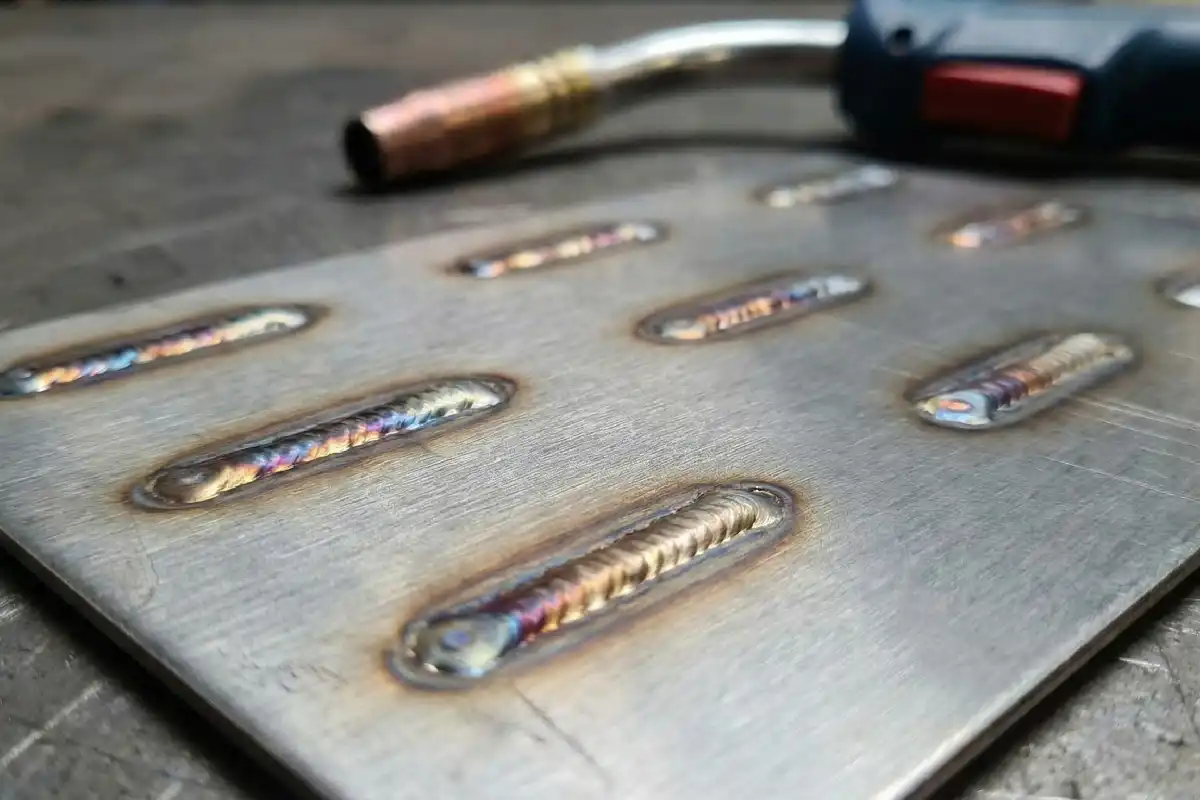
You might notice the welding spot elliptical in shape when the protective lens heats up and changes form. This happens because the lens bends light differently, causing the welding spot elliptical appearance. The thermal lens effect is responsible for this change. If you increase the power or allow dirt to accumulate on the lens, the heat builds up more quickly.
When the lens becomes hot or dirty, the welding spot elliptical shape becomes even more pronounced during welding.
Key Takeaways
- Welding spots can turn elliptical when the protective lens heats up. This happens because the lens bends light differently.
- Keep your lens clean and cool to maintain a round welding spot. Dirt and heat can cause distortion.
- Use the right lens shade for your welding job. Matching the lens to the power level helps protect your eyes and improve weld quality.
- Monitor your input power. Lower power settings reduce lens heating and help keep the welding spot stable.
- Regular lens maintenance extends its life and ensures better welding results. Check for damage and clean the lens frequently.
Heat Effects on Protective Lens
Lens Material Response
Protective lenses help keep welding safe and accurate. Different lens materials act differently when they get hot. Glass lenses can take a lot of heat, but they might crack or change shape if they get hot too fast. Plastic lenses can bend or melt at lower heat. When the lens changes shape, it bends light in new ways. This makes the welding spot look stretched out. The spot looks uneven because the lens does not focus light in a perfect circle anymore.
Thermal Expansion and Warping
Heat makes lens materials get bigger. If the lens heats up unevenly, some parts get bigger than others. This makes the lens bend out of shape. Bent lenses bend light in odd ways. The welding spot changes from round to stretched out. The more the lens bends, the more the spot stretches.
Tip: Let your tools cool off between uses to stop bending.
Contamination and Localized Heating
Dust, oil, or metal bits on the lens cause problems. These dirty spots soak up more heat during welding. Dirty areas get hotter faster than clean ones. This makes the lens bend unevenly. The welding spot looks even more stretched when the lens is dirty.
- Tests show that higher electrical signals make the lens hotter and stronger.
- Using more power makes the lens heat up faster and get hotter.
- Medium or high currents make the inside of the lens much hotter, and this does not always match the power you use.
If you keep the lens clean and use steady power, you can stop the spot from stretching. Clean lenses and steady power help keep the welding spot round and make your welds better.
Beam Path Distortion and Thermal Lens Effect
Focal Shift and Spot Shape Change
When you heat the lens during welding, the lens bends and changes the way light travels. The focal point moves, so the spot where the laser hits the metal shifts. You notice the spot does not stay round. It stretches and sometimes looks like an oval. This happens because the lens cannot focus the light in the same way as before. You see the welding spot elliptical when the lens gets hot and warps.
If you watch closely, you can see the spot change shape as the lens heats up. This can make your welds less precise.
How the Thermal Lens Effect Forms
The thermal lens effect starts when the lens absorbs heat. The center of the lens often gets hotter than the edges. The material expands more in the hot areas. This uneven expansion makes the lens act like a new lens with a different shape. Light bends differently, and the beam path distorts. You get a stretched spot instead of a perfect circle. The more heat you add, the stronger the thermal lens effect becomes.
- You can slow down the effect by letting the lens cool between welds.
- Cleaning the lens helps stop dirt from causing extra heat spots.
- Using lower power keeps the lens from heating up too quickly.
Role of Input Power in Spot Distortion
Input power changes how much the lens heats up. When you use more energy, the lens gets hotter and distorts more. This leads to greater spot distortion. You can see the difference in the table below:
| Energy Input (J/mm) | Maximum Distortion (mm) |
|---|---|
| Low | 0.24 |
| Medium | 0.27 |
| High | 0.29 |
- Higher energy input causes more thermal expansion and contraction.
- The biggest distortion happens in the upper layers of the weld seam.
- More energy leads to deeper heat spread, not just sideways stretching.
If you want to keep your welds accurate, you should watch your input power. Lower power means less distortion and a more stable spot shape.
Why Welding Spot Elliptical Shape Occurs
Light Refraction Through Warped Lens
When you use a lens during welding, heat can change its shape. The lens may bend or warp. This warping changes how light passes through the lens. Geometric optics helps you understand this process. Light travels in straight lines until it meets the lens. If the lens is flat and smooth, light focuses into a round spot. If the lens warps, light bends in new directions. The spot changes from round to oval. You see the welding spot elliptical because the lens no longer focuses light evenly.
Tip: Clean and cool your lens often. This helps keep the light path straight and the spot round.
Physics Behind Elliptical Spot Formation
Optical aberrations happen when a lens cannot focus light perfectly. These problems grow worse when the lens heats up and warps. The lens stretches more in one direction than the other. Light rays spread out unevenly. The image on the metal turns into an ellipse instead of a circle. You notice the welding spot elliptical because the lens bends light more on one side. The spot stretches along the axis where the lens warps most.
Here is a simple table to show how lens warping changes the spot shape:
| Lens Condition | Spot Shape |
|---|---|
| Flat and Clean | Round |
| Warped | Elliptical |
| Dirty and Warped | More Elliptical |
You can see that a warped lens always leads to an elliptical spot. The more the lens bends, the more the spot stretches.
Benefits of Elliptical Welding Trajectory
You might think an elliptical spot is a problem. Sometimes, it can help your welds. An elliptical welding spot can improve tensile strength and plasticity. The stretched spot covers more area. This helps the weld hold together better. You get stronger joints and more flexible seams.
- Elliptical spots spread heat more evenly.
- You can weld wider seams with less risk of cracks.
- The weld can bend and stretch without breaking.
Note: Some welding jobs need a round spot for precision. Others work better with an elliptical spot for strength.
If you understand why the welding spot elliptical shape occurs, you can use it to your advantage. You can choose the right lens and power settings for each job.
Impact on Weld Quality and Safety
Effects on Precision and Strength
You want your welds to be strong and precise. When the welding spot elliptical shape appears, it can change how the metal joins together. Uneven heating makes the metal expand and contract in different ways. This can twist or warp the welded parts. If you control the heat, welding time, and electrode pressure, you keep the weld strong and the shape correct. Spot welding lets you manage the heat at the joint, so you reduce the risk of warping or misalignment. The table below shows how these factors affect weld quality:
| Description | Impact on Welds |
|---|---|
| Uneven heating causes expansion and contraction | Warping or twisting can happen, lowering weld quality |
| Managing heat, time, and pressure is important | Less distortion means stronger welds |
| Good heat control leads to high-quality, durable welds | Especially important for metals that warp easily |
| Spot welding controls heat at the joint | Reduces risk of misalignment and improves function |
Tip: Always check your welding settings before you start. This helps you get the best results.
Safety Considerations for Operators
You need to stay safe when welding. A distorted lens can make the welding spot hard to see. This increases the chance of mistakes. If you cannot see the spot clearly, you might miss defects or weld in the wrong place. Hot lenses can crack or break, which can hurt your eyes or skin. Always wear protective gear and check your lens before you begin. Clean and cool lenses help you see better and work safely.
- Wear safety glasses and gloves every time you weld.
- Inspect your lens for cracks or dirt before each job.
- Let your lens cool down between welds.
Detecting and Correcting Elliptical Spots
You can find and fix elliptical welding spots with the right tools. Several methods help you check weld quality in real time:
- Ultrasonic testing uses sound waves to find hidden problems inside the weld.
- X-ray inspection gives you images of the weld, showing defects like gaps or weak spots.
- Dynamic resistance monitoring tracks changes in welding settings, helping you spot issues as they happen.
New systems like the WELD-DETR framework help you find small defects quickly. These tools keep the weld strong and safe. Some methods miss tiny defects or struggle in busy work areas, so you need to choose the best tool for your job.
Note: Regular checks and good tools help you catch problems early and keep your welds safe.
Prevention and Solutions
Preventing Lens Overheating
You can keep your lens from getting too hot by doing a few easy things. Check and clean filters and coolant tanks often to stop clogs. Always look at coolant levels and change filters when needed. This helps your machine work well and stops sudden heat jumps. Clean your lens every month to keep it working right.
- Look at and clean filters and coolant tanks often.
- Watch coolant levels and put in new filters when needed.
- Wipe your lens each month so it stays clear.
Tip: A cool, clean lens lowers the chance of the welding spot turning elliptical and makes your welds better.
Lens Maintenance and Care
Taking care of your lens helps it last longer and keeps your welds safe. Check your lens every day for dust, oil, splashes, or burn marks before you start. Use soft, lint-free wipes to clean the lens. Change any lens that is scratched or broken. Good airflow helps keep fumes away and protects your lens.
| Frequency | Task | Inspection/Operation | Objective |
|---|---|---|---|
| Daily | Check the protective lens | Look for dust, oil, splashes, or burn marks | Keep the optical path clear and prevent damage |
| Daily | Clean the lens | Use non-abrasive, lint-free wipes | Maintain lens clarity and efficiency |
| As needed | Replace damaged lenses | Swap out scratched or cracked lenses | Ensure safety and welding quality |
- Doing regular care keeps your welding machine working well.
- You save money and make your equipment last longer.
Choosing the Right Lens
Picking the right lens for your welding job keeps your eyes safe and helps you do better work. Match the lens shade and color to your welding type and power level. For high-power welding, use a darker shade to block strong light. Make sure your lens meets safety rules like ANSI Z87.1.
| Welding Process | Amperage Range (Amps) | Recommended Shade | Best Lens Colors / Types |
|---|---|---|---|
| SMAW (Stick) | 250 – 500A+ | 13 – 14+ | Green, Gold, Grey |
| GMAW (MIG) | 250 – 500A+ | 12 – 14 | Green, Blue, True Color |
| GTAW (TIG) | 150 – 250A | 11 – 13 | Magenta, Blue, True Color |
| Plasma Cutting | 150 – 800A+ | 10 – 14+ | True Color, Blue, Green |
- Shade 10 is good for low-power stick welding.
- Shade 12 to 14 works best for high-power jobs and plasma cutting.
When you use the right lens, you keep your eyes safe and your welds neat. This also stops the welding spot from turning elliptical because of heat or the wrong lens.
You notice the welding spot looks oval because the thermal lens effect bends light in different ways. If you learn about the thermal lens effect, you can make your welds better and stop your tools from breaking down. Taking care of your lens often helps you avoid weak welds and keeps you safe. Experts say you should use lenses with high optical ratings and little distortion so you can see clearly.
- Lenses with good optical ratings help you see small details and make your welds more exact.
- Lenses with high angular dependence ratings make your eyes feel less tired and help you stay comfortable.
If you take steps to prevent problems, you can control the spot shape and even get some good results in special welding jobs.
FAQ
Why does my welding spot look oval instead of round?
You see an oval spot because the lens heats up and bends. This bending changes how light focuses. The spot stretches into an ellipse. Keeping your lens cool and clean helps keep the spot round.
Can a dirty lens cause welding problems?
Yes. Dirt on the lens makes it heat up faster. This causes uneven bending. You get a distorted spot and weaker welds. Clean your lens often to avoid these problems.
How can I prevent my lens from overheating?
You can check coolant levels, clean filters, and let your tools cool between uses. These steps help keep your lens at a safe temperature.
Is an elliptical welding spot always bad?
No. Sometimes, an elliptical spot helps make stronger and more flexible welds. You should check your project needs. For some jobs, a round spot works better.
Why drink milk after welding galvanized layers
How to weld aluminum without a TIG welder
How to prevent the welding rod from sticking to the workpiece