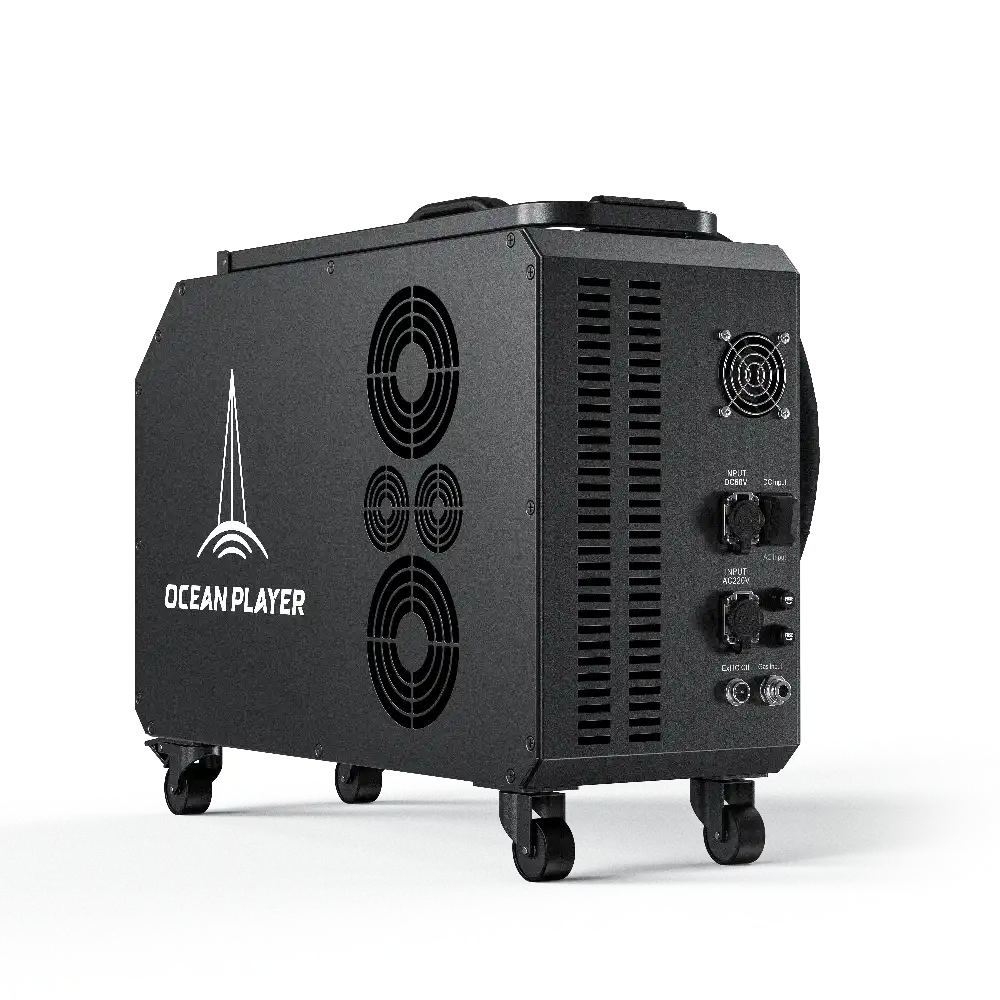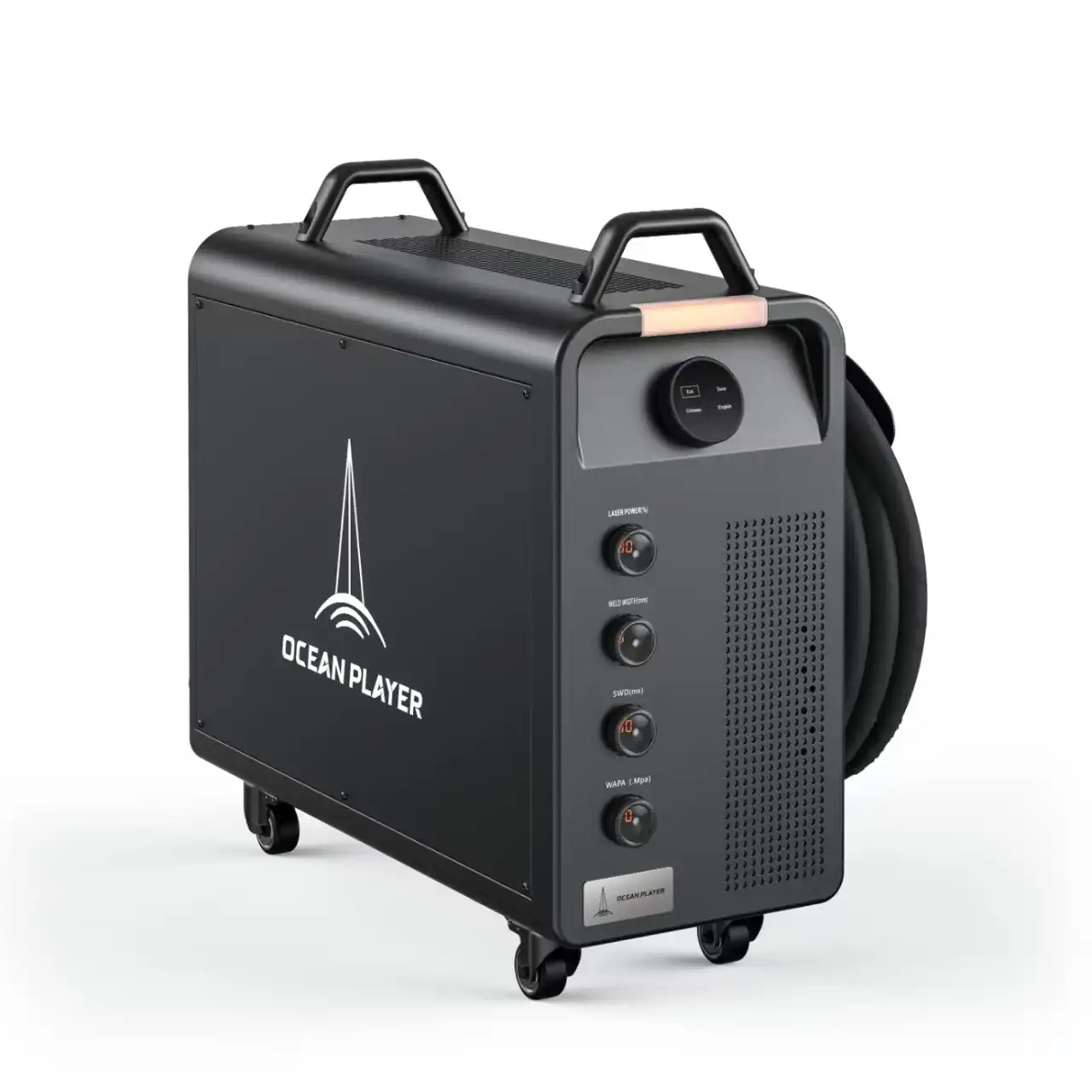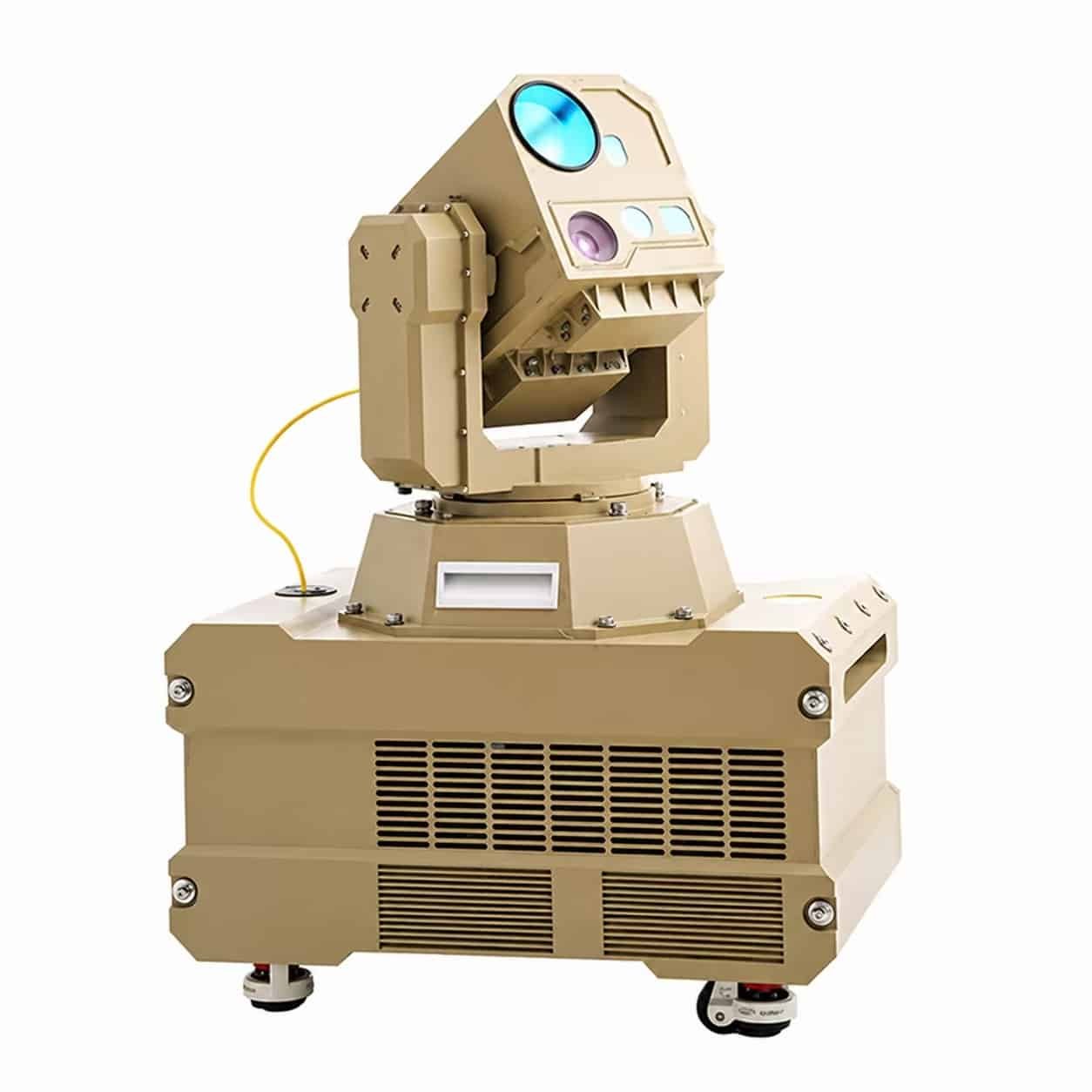
When considering laser cleaning technology versus traditional methods, you have to make informed choices. Laser systems utilize strong light to clean surfaces with great precision, while traditional methods often rely on chemicals or abrasive materials. Many companies continue to use older techniques because they are familiar with them. However, laser cleaning technology is not only faster but also generates less waste.
Understanding these differences can help you save money, repair items, and protect the environment.
| Aspect | Laser Cleaning Technology | Traditional Methods |
|---|---|---|
| Environmental Impact | Lower waste | More waste |
| Precision | High | Varies |
Key Takeaways
- Laser cleaning technology uses powerful light to clean surfaces. It does not touch the surface, so there is less chance of damage.
- This method makes less waste and does not need dangerous chemicals. This helps protect the environment.
- Laser cleaning is very exact and can remove certain dirt or stains. It keeps the material underneath safe.
- The equipment for laser cleaning costs more at first. But it can save money over time on supplies and work.
- Think about what you need to clean and if your material works with laser cleaning. This will help you choose between laser and regular cleaning methods.
Laser Cleaning Technology vs. Traditional Methods
How Laser Cleaning Works
Laser cleaning technology helps remove things you do not want on surfaces. It does this with great accuracy. The process uses science to work in a special way:
- Energy Absorption: The laser gives off short, strong bursts. The contaminant takes in this energy.
- Thermal Expansion: The contaminant gets hot very fast. It grows bigger and then breaks apart.
- Vaporization: The contaminant changes into gas or plasma. The surface underneath stays safe.
- Pressure Wave Removal: The gas makes a small wave of pressure. This wave lifts and takes away the leftover bits.
Laser cleaning technology only focuses on the contaminant. The surface does not get hurt and stays clean. You can change the laser for different jobs. Many companies use fiber lasers to clean rust, UV lasers for gentle parts, and pulsed lasers for careful work. You do not need to use chemicals or rough materials, so it is safer and cleaner.
Tip: Laser cleaning technology lets you clean without touching the surface. This helps stop damage and keeps the main material safe.
How Traditional Methods Work
Traditional cleaning uses touch or chemicals to clean things. You might use sandblasting, chemical washing, or ultrasonic cleaning. Each way has a few steps:
- Pre-Cleaning: You take off loose dirt and dust.
- Cleaning: You put items in a liquid or blast them with rough stuff.
- Rinsing: You wash items to get rid of soap and dirt.
- Drying: You dry items so they do not get water spots or rust.
- Validation and Quality: You check items to see if they are clean enough.
Traditional ways often need people to do the work and use up supplies. Chemicals and rough stuff can hurt soft surfaces. Sometimes you have to clean again to get the result you want.
Note: Traditional cleaning can work well, but it might hurt surfaces and make more waste.
Key Operational Differences
There are some big differences between laser cleaning technology and traditional ways. These differences help you pick the best way to clean.
- Contact vs. Non-Contact:
- Laser cleaning technology does not touch the surface. You clean from far away, so there is less damage.
- Traditional ways touch the surface. Rough stuff and chemicals can scratch or wear down the material.
- Selectivity and Precision:
- Laser cleaning technology is very picky. You can clean just the contaminant and leave the rest alone.
- Traditional ways are not as picky. You might clean too much and hurt small details.
| Feature | Laser Cleaning Technology | Traditional Cleaning Methods |
|---|---|---|
| Selectivity | High; targets specific contaminants without damage | Lower; may affect surrounding areas |
| Precision | Unmatched; adjustable parameters for delicate work | Limited; risk of damage to intricate surfaces |
- Process Control:
- You can change laser cleaning technology for each job. This helps keep the material safe.
- Traditional ways are harder to control. You might hurt the bottom layer by accident.
- Environmental Impact:
- Laser cleaning technology does not use strong chemicals or make much waste.
- Traditional ways often use chemicals and make more waste.
Reminder: Pick the cleaning method that fits your needs. Laser cleaning technology gives you more control and keeps your things safe. Traditional ways might be better for easy or big jobs.
Pros and Cons Comparison
Laser Cleaning – Advantages and Drawbacks
Laser cleaning technology has many good points. The table below lists the main ones:
| Advantage Type | Description |
|---|---|
| Eco-friendliness | Reduces chemical waste and has a low environmental footprint, complying with EPA regulations. |
| Cost efficiency | High power output at low cost and efficient energy consumption lead to cost savings. |
| Versatility | Works in many industries and fits on-site cleaning tasks. |
| Safety compliance | Meets OSHA standards and needs less protective gear, keeping you safer. |
| Speed and efficiency | Removes contaminants quickly, so you spend less time cleaning. |
| Non-destructive nature | Keeps the base material safe and does not change the surface texture. |
| Precision and control | Lets you clean with detail and control, so you do not damage important parts. |
| No additional waste | Leaves no extra waste, so you do not need to mask surfaces. |
| In-situ cleaning capability | Cleans parts in place, saving you time and effort. |
| Reduced risk of cross-contamination | Low risk for sensitive industries like food and medical. |
Laser cleaning technology is not perfect. There are some problems you should know about. It costs a lot to buy at first. The machines can be hard to use. Some materials do not work well with it. Sometimes, the surface can get damaged. You must be careful because lasers can be dangerous. The machines use a lot of energy. Cleaning big areas can take a long time. You also need trained people to run the machines.
Tip: Think about how much money you have and if your team can learn to use laser cleaning technology before you decide.
Traditional Methods – Strengths and Weaknesses
Traditional cleaning methods have some good sides. They work in many places and on different things. The tools are cheap and easy to get. Most people can use them. These ways are usually safer than high-pressure cleaning.
| Strength | Description |
|---|---|
| Versatility | You can use these methods in many places and on different surfaces. |
| Accessibility | Basic tools are cheap and easy to find, so anyone can clean. |
| Safety | These methods often pose less risk of damage or injury compared to high-pressure techniques. |
But there are also bad sides. Strong chemicals can hurt your skin or make it hard to breathe. Fumes can make the air inside bad. Chemicals can get into water and pollute it. Throwing away products can make the air dirty. If you do not clean well, germs can spread. Dust and allergens can cause allergies. You might waste supplies and spend more money. Messy places can make you feel stressed and unhappy.
Note: Always wear safety gear and follow the rules when using traditional cleaning methods.
Environmental, Safety, and Cost Aspects
Laser cleaning technology is better for the environment. It does not use dangerous chemicals or water. It does not make extra trash. It uses energy well and keeps things clean. Traditional ways use strong cleaners and acids. They need a lot of water and make trash. These ways can hurt the air and water.
Laser cleaning is safer. It does not make toxic fumes or dangerous waste. You do not need as much safety gear. Traditional ways can burn your skin or make it hard to breathe.
Laser cleaning costs more at first. But you save money later. You do not buy as many supplies or pay for as much work. You also save on safety and following the rules. Traditional ways are cheaper to start. But you might pay more for fixing things, health problems, and getting rid of waste.
Reminder: Look at both ways and choose the one that matches your needs, money, and safety plans.
Applications and Industry Use Cases
Where Laser Cleaning Excels
Laser cleaning technology is used in many industries. It is good when you need safety, accuracy, and speed. This method does not use dangerous chemicals or rough materials. You can control where you clean and only clean certain spots. Your machines last longer because you do not scratch them. You save money since you do not buy chemicals or rough stuff. You help the earth by making less trash. You can also use robots to clean things often.
Here are some places where laser cleaning works well:
- Car shops use it to take off rust and paint but keep the metal safe.
- Airplane companies clean parts like turbine blades and landing gear very carefully.
- Factories get surfaces ready for welding or painting by taking off grease and oxides.
- Museums and people who fix old things clean artifacts and monuments without hurting them.
Tip: Laser cleaning technology is great for gentle jobs and places that are hard to reach.
Where Traditional Methods Lead
Traditional cleaning works better for easy or big jobs. These ways are good when you do not need to be very careful. You can use them when you can reach the surface easily or need to clean a lot at once. Sandblasting, chemical washing, and ultrasonic cleaning help take off heavy dirt from big machines, ship bottoms, or building outsides.
| Method | Best Use Cases |
|---|---|
| Sandblasting | Big metal parts, building machines |
| Chemical washing | Taking off oil, grease, and stains |
| Ultrasonic cleaning | Cleaning many small parts at the same time |
Note: Traditional ways usually cost less at first and do not need special skills.
Industry Examples
Laser cleaning technology is used in many jobs:
- Airplane companies clean turbine blades to help them work better and save money.
- Car makers take off rust before welding, so welds are stronger and work goes faster.
- Shipyards clean ship bottoms, so ships move better and use less fuel.
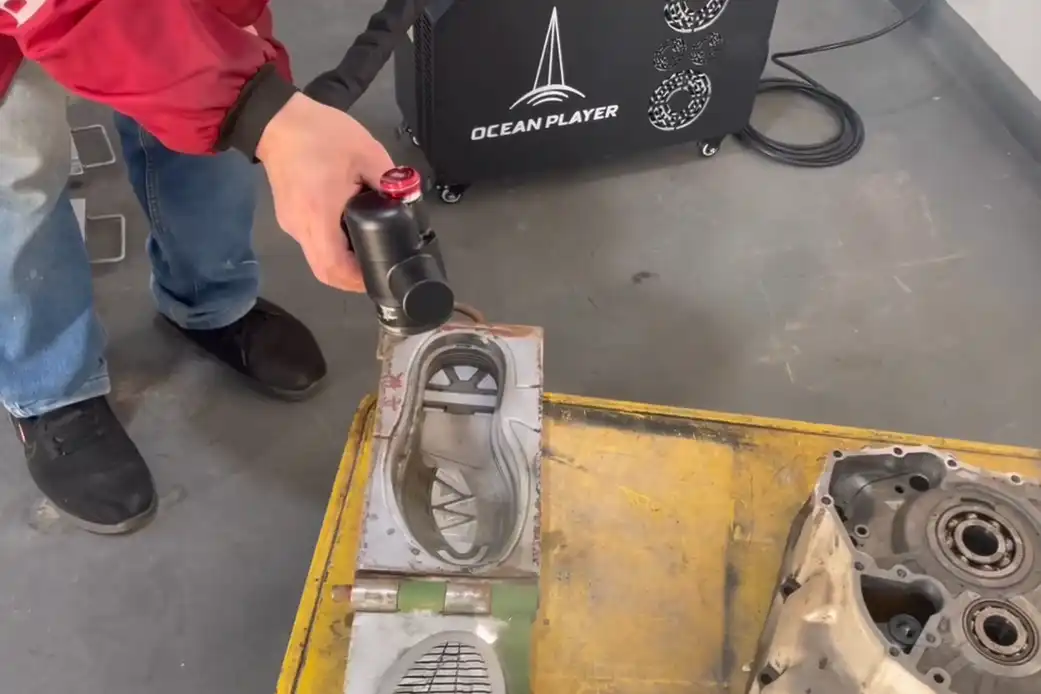
- Factories clean molds without breaking them, so making things is easier.
- Military teams clean gear carefully, so it lasts longer.
- Electronics companies take off oxide layers, so parts connect well.
- Power plants clean pipes, so dust is gone and things stay safe.
- Building managers clean tall buildings, so stains and pollution are removed.
Reminder: Pick the cleaning way that fits your job and what your industry needs.
Decision-Making for Businesses
Assessing Needs and Requirements
First, you should look at what your business needs. Every cleaning job is not the same. Think about the kind of dirt you want to remove. Some jobs need careful cleaning. Others need to be fast or cheap. The material you clean is important. Laser cleaning works best on things that take in light. Traditional methods might work better for other materials.
How dirty something is can change your choice. Heavy dirt needs strong cleaning. Light stains need gentle cleaning. The size of your business matters too. Big factories need fast and automatic cleaning. Small shops may like simple tools.
Here is a table to help you compare what matters:
| Criteria | Description |
|---|---|
| Cleaning Needs | Find out what you need to clean and how careful you must be. |
| Material Compatibility | Make sure the laser works with your material so it does not get damaged. |
| Required Power and Efficiency | Pick the right laser power for your job and see if it is fast enough. |
| Budget Considerations | Look at how much you pay at first and later to see if it is worth it. |
| Safety Features and Compliance | Make sure the machine is safe and follows the rules. |
Tip: Write down your cleaning goals before you pick a method. This helps you choose the best way for your needs.
Cost and ROI Analysis
You should look at both the price and what you get back. Laser cleaning costs more at the start. You pay for the machine and setup. Traditional ways cost less at first. You buy simple tools and supplies.
Laser cleaning saves money over time. You do not need chemicals or rough stuff. The machine only uses electricity. You spend less on workers because it can run by itself. It is easy and cheap to take care of. You do not have much waste, so it is cheaper to throw away. Traditional ways need more supplies and more people. You pay for chemicals, water, and getting rid of waste. Machines break more, so you pay to fix them.
Here is a table to show the cost differences:
| Aspect | Laser Cleaning | Traditional Methods |
|---|---|---|
| Initial Investment | Higher upfront cost | Lower upfront cost |
| Operating Costs | Minimal, mainly electricity | Higher due to consumables |
| Maintenance Costs | Lower, fewer moving parts | Higher, more frequent maintenance |
| Labor Costs | Reduced due to automation | Higher due to manual processes |
| Waste Disposal | Minimal waste, eco-friendly | Significant waste, higher disposal costs |
| ROI Timeline | Faster due to efficiency | Slower due to longer cleaning times |
Laser cleaning lets you work faster and clean more things. You save money on workers and supplies. The machines last longer, so you do not buy new ones often. You also follow the rules for the environment, so you save money on fines.
- You pay more for laser cleaning at first, but you save later.
- You do not need chemicals or rough stuff, so you pay less to use it.
- You help the earth and do not pay extra to throw away waste.
Note: Add up your costs for one year and five years. This helps you see which way saves you more money.
Implementation and Safety
You must follow steps to use laser cleaning safely. Start with a small test. Try the machine on a small spot. Check if it cleans well and does not hurt the material. Change the settings if you need to.
Put the machine in a safe place. Make sure all parts work and safety systems are ready. Set the laser for each material. Watch the cleaning and change things if needed. Put in emergency stop buttons. Teach your team how to use the machine and what to do in an emergency.
Take care of the machine often. Clean and check it a lot. Handle any waste the right way. Follow the rules to keep the earth safe.
You must also check the rules. Laser cleaning meets OSHA and EPA rules. It does not make dust or bad waste. Your team needs laser safety training. Use safety goggles and signs to keep everyone safe. Traditional ways need more safety steps. Workers must wear masks and gloves. You must control dust and fumes.
Here is a table to compare what you need to follow:
| Compliance Aspect | Laser Cleaning | Traditional Cleaning (Sandblasting) |
|---|---|---|
| OSHA Compliance | No silica dust or bad air, so it is safer. | Needs masks, fans, and checks because of dust. |
| EPA Standards | No extra waste, so it is better for the earth. | Makes waste that must be handled and thrown away. |
| Safety Measures | Works in a closed space, so it is safer for breathing. | Needs lots of safety steps for dust and bad stuff. |
- Good setup and settings keep cleaning safe.
- Watching the process and emergency stops keep your team safe.
- Taking care of the machine and waste helps you follow the law.
Reminder: Always test new cleaning ways before using them everywhere. Teach your team and check the rules to keep your workplace safe.
You can easily see how laser cleaning and traditional methods are not the same. Laser cleaning is very exact. It does not scratch or hurt surfaces. It is also better for the earth. Traditional methods use chemicals and rough things. These can harm what you are cleaning.
| Advantage | Laser Cleaning | Traditional Methods |
|---|---|---|
| Precision | Very exact, no harm | Less exact, can harm |
| Cost-effective | Uses less stuff | Needs more supplies |
| Versatility | Works on many things | Works on fewer things |
Pick the way that fits your cleaning job and business plan. Test the method first and ask experts for help. This lowers problems, helps you see if it saves money, and gives you help when you need it.
FAQ
What surfaces can you clean with laser technology?
You can clean metals, plastics, stone, and glass. Laser cleaning works best on surfaces that absorb light. You should test the laser on a small area first to make sure it does not damage the material.
Is laser cleaning safe for you and your team?
Laser cleaning is safe when you follow safety rules. You must wear protective goggles and use warning signs. The process does not create toxic fumes or dust, so you work in a cleaner environment.
How does laser cleaning help the environment?
Laser cleaning does not use chemicals or water. You create less waste and avoid polluting air or water. This method helps you meet environmental standards and protect nature.
Can you use laser cleaning for large areas?
Laser cleaning works best for small or detailed jobs. You can clean large areas, but the process takes longer. For big surfaces, you may want to use traditional methods.
Do you need special training to use laser cleaning machines?
You need training to use laser cleaning machines. You must learn how to set the laser and follow safety steps. Many companies offer training programs to help you get started.
The necessity of using pure water in laser welding water coolers
The consequences of dust entering the laser head of the welding machine
Scrap standard for protective lenses in laser welding machines
Why Laser Welding Aluminum & Copper is Expensive for Lens Protection?