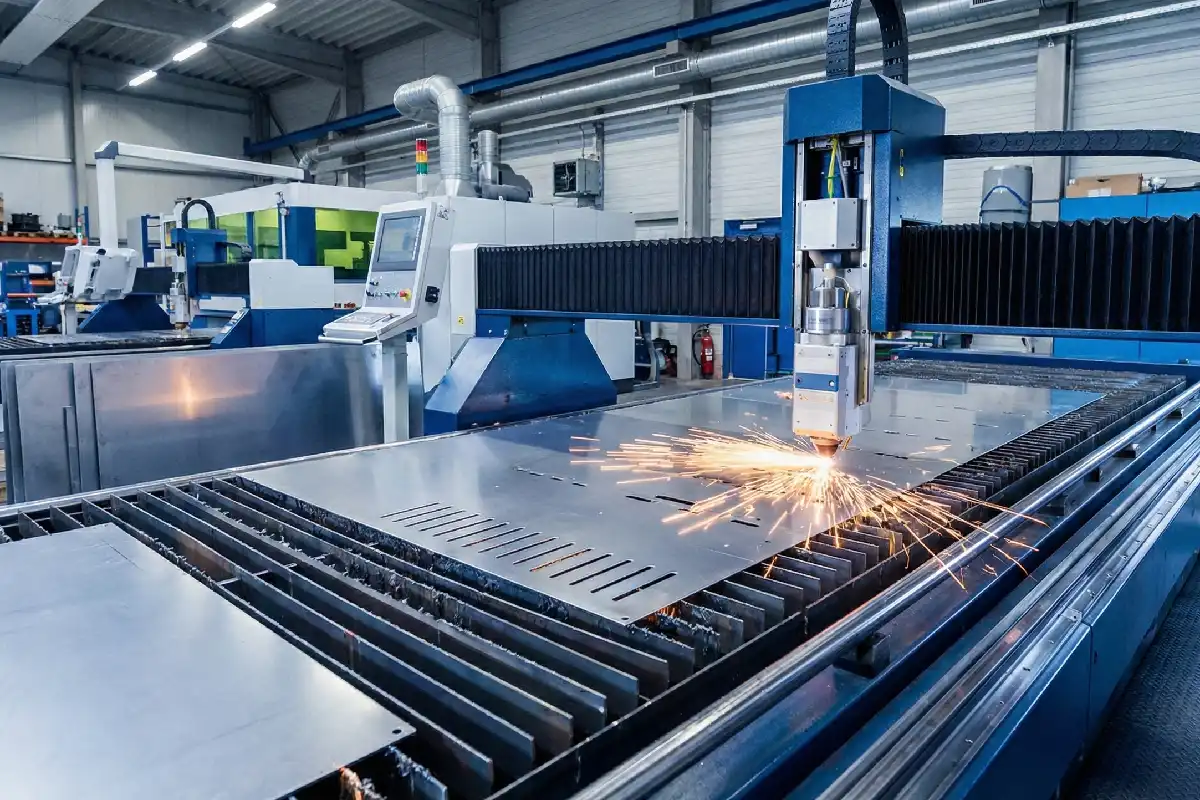
You will see that fiber laser cut works best with metals. These machines can cut steel, aluminum, copper, brass, and stainless steel. They also work with some non-metals like cardboard, paper, and natural textiles. The table below lists the most common materials used in factories:
| Material Type | Examples |
|---|---|
| Metals | Steel, Aluminum, Copper, Brass, Stainless Steel |
| Non-Metals | Cardboard, Paper, Natural Textiles |
Today, more than half of all factory cutting uses fiber laser cut for metals. The market share went up from 30% in 2016 to 60% in 2025. Knowing what materials you can cut helps keep people safe and gives good results.
Key Takeaways
- Fiber laser cutters are great for cutting metals like steel, aluminum, and copper. They make smooth edges and are very accurate.
- Always look at the material before you cut it. Do not use PVC, glass, or wood. These can make bad fumes and hurt the machine.
- Change the laser power and speed for each material. Thicker materials need more power to cut well.
- Get your materials ready before you start cutting. Make sure your workpiece is held tight. Check that the machine settings are right for your material.
- Be safe by wearing protective gear and watching the machine as it works. This helps keep everyone safe while cutting.
Metals for Fiber Laser Cut
Fiber laser cut technology works best with metals. You can use it to cut many types of metal, from thin sheets to thick plates. The focused laser beam gives you clean edges and high accuracy. You can adjust the power to match the thickness and type of metal. This flexibility makes fiber laser cut a top choice in factories and workshops.
Stainless Steel
You can cut stainless steel with fiber laser cut machines at different thicknesses and speeds. The laser power you choose affects how thick the steel can be and how fast you can cut. Here is a table that shows common settings:
| Laser Power (W) | Cutting Thickness (mm) | Cutting Speed (m/min) |
|---|---|---|
| 1500W | 1–3 | 5–15 |
| 3000W | 5–8 | 2–7 |
| 6000W | 10–16 | 1–3 |
| 12000W | 20–30 | 0.5–2.5 |
| 30000W | 35–50 | 0.4–1.5 |
You can see that higher power lets you cut thicker steel, but the speed goes down as the thickness increases. For example, with a 3000W laser, you can cut up to 8mm thick steel at a moderate speed. With a 12000W laser, you can cut up to 30mm, but you need to go slower.
Tip: Use nitrogen as an assist gas for stainless steel. This helps you get a bright, clean edge with no rust.
Carbon and Mild Steel
Fiber laser cut machines handle carbon and mild steel very well. You can cut these metals quickly and with high precision. The table below shows recommended settings for cutting carbon steel:
| Material | Power (% of total wattage) | Speed (mm/s) | Pulses per Inch (PPI) | Number of Passes | Depth (in) |
|---|---|---|---|---|---|
| Carbon steel (cutting) | 100 | 33.3 | 1000 | 1+ | 0.25 |
You should use full power for the best results. The laser cuts through the metal in one or more passes, depending on the thickness. You get smooth edges and little need for extra finishing.
Aluminum and Alloys
You can cut aluminum and its alloys with fiber laser cut, but you need to know the challenges. Aluminum reflects most of the laser energy. This can make cutting harder and may even damage the machine if you do not use the right settings. Aluminum also spreads heat quickly, which can cause problems like dross (melted metal on the edge), warping, and rough edges.
- Aluminum sheets can be cut up to 1/4″ thick with high precision.
- Under the best conditions, you can cut aluminum up to 30 mm thick.
- High-power fiber lasers can cut up to 20 mm, especially if you use nitrogen as an assist gas.
Note: Always check your machine’s manual before cutting aluminum. Use high power and proper safety steps to avoid damage.
Copper, Brass, and Titanium
You can also cut copper, brass, and titanium with fiber laser cut. These metals reflect the laser, but fiber lasers use a special wavelength that helps the metal absorb the energy better. This means you can cut these metals more efficiently than with older CO2 lasers.
| Metal Type | Max Thickness | Power (kW) | Key Notes |
|---|---|---|---|
| Copper | 0.25″ (6.35mm) | 4-6 | High thermal conductivity; needs high power |
| Brass | 0.25″ (6.35mm) | 4-6 | Reflective; needs high power |
| Titanium | Varies | Varies | Needs careful control of cutting parameters |
Fiber laser cut works well for these metals because the laser’s wavelength is absorbed better. Once the metal starts to melt, the process becomes more efficient. You can cut copper and brass up to 6.35 mm thick with a 4-6 kW laser. For titanium, you need to adjust the settings based on the grade and thickness.
Did you know? Fiber lasers can cut both ferrous and non-ferrous metals. You can use them for many types of steel and alloys.
Why Fiber Laser Cut Excels with Metals
Metals are great for fiber laser cut because they absorb the laser energy well. The focused beam lets you make detailed cuts and tight shapes. You can switch between different metals and thicknesses by changing the power and speed. This makes fiber laser cut a smart choice for many industries, from car making to electronics.
| Property | Description |
|---|---|
| Material Compatibility | Cuts many grades and types of steel and alloys |
| Handling of Metal Types | Works with both ferrous and non-ferrous metals |
| Thickness Flexibility | Adjusts to different thicknesses with the right power |
| Precision Cutting | Makes detailed shapes and smooth edges |
You get high quality, speed, and flexibility when you use fiber laser cut for metals.
Non-Metals for Fiber Laser Cut
Cardboard and Paper
Fiber laser cut machines can cut cardboard and paper very well. The laser makes clean edges and shapes. The thickness you can cut depends on the machine’s power. Low power machines cut cardboard up to 2–6 mm thick. High power machines cut more than 10 mm thick. Most people get clean cuts between 2 and 10 mm thick. Paper is easier to cut than cardboard. You can make cool designs for crafts or packaging. Always check how thick the paper is before you start. This helps stop burning or tearing.
Tip: Use less power for thin paper. This keeps the edges neat and stops burning.
Natural Textiles (Cotton, Silk, Wool)
Fiber laser cut works with natural textiles like cotton, silk, and wool. You can make patterns, logos, or shapes. The laser’s heat can melt fibers and make rough edges. Cotton can fray and get damaged easily. If you use the wrong settings, edges may burn or melt. Thicker textiles soak up more heat and can get rough edges. Blended fibers can get more heat damage.
Note: Always use exhaust systems to clear smoke and fumes. Keep your hands away from moving parts. Only trained people should use the machine. Make sure loose clothes and jewelry are safe before you start.
Plastics and Composites (Limitations)
You can mark or cut some plastics with fiber laser cut machines. Marking uses less power and etches the surface. Cutting uses more power and makes shapes.
| Feature | Fiber Laser Cutting | Fiber Laser Marking |
|---|---|---|
| Purpose | Cuts through materials | Etches or marks the surface |
| Process | Melts and vaporizes material | Modifies surface only |
| Power Requirements | High power (1000–10,000 watts) | Lower power (10–100 watts) |
| Speed | Faster process | Slower process |
| Versatility | Cuts metals, plastics, etc. | Marks various materials |
Not all plastics and composites work well. Some make toxic fumes or do not cut right.
| Material | Challenges and Risks |
|---|---|
| ABS | Does not cut well |
| Epoxy | Makes toxic gas |
| Polypropylene | Melts and sticks together |
| PVC/Artificial Leather/Vinyl | Makes toxic fumes |
| Fiberglass | Hard to keep strong |
| Polycarbonate/Lexan™ | Turns color and melts |
| Coated Carbon Fiber | Toxic fumes and hard to cut |
| HDPE/Milk Bottle Plastic | Cuts badly because it melts easily |
| Glued Materials | Risks change with glue type |
Tip: Always check what material you have before cutting. Use good ventilation and safety steps to stay safe.
What Fiber Laser Cut Can’t Handle
Glass and Transparent Materials
Fiber laser cutters do not work on glass or clear materials. These materials do not take in the laser’s light. The laser goes through them and does not heat or cut. You will not see much change on the surface. This means fiber laser cutters cannot cut glass. If you try, you will waste time and energy. It is better to use other tools like waterjet or diamond tools for glass.
Note: Always check your material before you begin. Fiber lasers are best for metals and some non-metals, but not for glass.
Wood and Organic Materials
Fiber laser cutters are not good for wood or organic materials. You might see burning, charring, or even fire. Wood with resin or oil can catch fire fast. Hardwoods like maple or birch are safer, but you should test each piece.
| Type of Wood | Risk Factors |
|---|---|
| Oily or Resinous Wood | High resin or oil can burn or char a lot. |
| Untreated Hardwoods | Maple or birch are safer choices. |
- Not testing materials can hurt the laser cutter.
- Resin or oil in organic materials can change how cutting works.
Do not cut wood you do not know. Always test a small piece first. If you see smoke or burning, stop right away.
PVC and Hazardous Plastics
Never cut PVC or dangerous plastics with a fiber laser cutter. Cutting PVC makes chlorine gas. This gas is poisonous and can damage the laser cutter. It can also make you sick and harm the machine’s parts. Repairs can cost a lot if the gas ruins the cutter.
- Chlorine gas is toxic
- Laser cutter can get damaged
- Health risks for people using the machine
Chlorine gas can hurt your lungs when cutting PVC. The gas also harms metal parts inside the cutter. Do not use PVC or similar plastics. Pick safer materials for laser cutting.
⚠️ Warning: Cutting plastics like PVC can hurt you and break your machine. Always read the material label before you start.
Advantages of Fiber Laser Cut
Precision and Speed
Fiber laser cut machines work quickly and accurately. They can cut thin materials very fast. You can use them with shiny metals and not worry about damage. The laser is very exact, so it does not hurt other materials nearby. This makes fiber laser cut good for jobs that need careful work.
- You can cut parts that fit together well.
- The process is faster than older cutting methods.
- You use less energy, so you save money.
- Fast cutting means you waste less material.
- The machine can work alone, so you do not need to watch it all the time.
Quality of Cut Edges
Fiber laser cut gives you smooth edges on your parts. It works well for thin metals and non-metals. The laser does not touch the material, so it does not scratch it. You get the same quality on every piece. Sometimes, CO2 lasers make even smoother edges, but fiber laser cut is good for most jobs. If you want extra-smooth edges, you can finish them after cutting.
Tip: Pick the right settings for your material to get the best edges.
Efficiency and Low Maintenance
Fiber laser cut saves you time and money. These machines are easier to set up than old ones. You do not need to change tools or fix problems often. Fiber lasers last a long time and do not break down much. You can finish more work without stopping. The machines use less energy, so your business runs better.
- The machines do not stop often because they are strong.
- You do not need to fix them as much as other cutters.
- The whole process is simple from start to finish.
You can use fiber laser cut for metals and non-metals. It helps you work faster, safer, and get better results.
Tips for Best Fiber Laser Cut Results
Material Preparation
You can get the best results by preparing your materials before you start. Follow these steps to make sure your project goes smoothly:
- Place your workpiece securely on the laser cutting bed.
- Load your design into the cutter’s computer system.
- Check that your file uses single lines and does not have color or layer problems.
- Set the laser power, speed, focal length, and gas assist for your material.
- Make sure the extraction and filtration systems work well.
- Keep your workspace well-ventilated.
Tip: Good preparation helps you avoid mistakes and keeps your cuts clean.
Power and Settings
You need to match your machine’s settings to the material you want to cut. Use the table below to see some common settings for different metals:
| Material | Thickness (mm) | Laser Power (W) | Cutting Speed (m/min) | Gas Pressure (bar) | Surface Roughness (μm) |
|---|---|---|---|---|---|
| Carbon Steel | 6 | 3000 | 4 | 12 | Ra6.3 – Ra9.0 |
| Stainless Steel | 6 | 2200 | 3 | 13 | Ra9.0 – Ra12.5 |
| Aluminum Alloy | 5 | 1800 | 5 | 10 | Low |
Adjust the power and speed for each material. This helps you get smooth edges and avoid burning.
Safety Practices
You must always stay safe when using fiber laser cut machines. Here are important rules to follow:
- Never leave the laser running without watching it.
- Only cut materials you know are safe.
⚠️ Always wear safety glasses and keep your hands away from the laser path.
Maintenance Tips
Regular care keeps your machine working well. Try these steps:
- Check the laser and gas pressure every day.
- Clean the cutting nozzle every 30 minutes.
- Inspect air pipe filters and lubricate moving parts each week.
- Replace worn parts and update software every month.
- Calibrate the system every quarter.
- Schedule a full check and replace major parts once a year.
Note: Clean optics and monitor the chiller to keep your machine in top shape.
By following these tips, you can make your fiber laser cut projects safer, faster, and more reliable.
You get the best results from fiber laser cut when you work with metals like steel, aluminum, and copper. You can also use it for cardboard, paper, and some textiles. Always check if your material is safe and suitable. Use the tips in this guide to improve your cuts and protect yourself.
For advanced projects, talk to an expert or read more about laser cutting technology.
- Choose the right material for your project.
- Follow safety steps every time you cut.
FAQ
What materials should you avoid cutting with a fiber laser cutter?
Do not cut PVC, glass, or wood. These can make toxic fumes or break your machine. Always read the label before you start.
How do you choose the right laser power for your material?
Pick laser power based on thickness and type. Thick metals need more power. Thin paper or textiles need less power. Look in your manual for the best settings.
Can you cut plastics with a fiber laser cutter?
Some plastics are okay, but many are not. You can cut acrylic and some composites. Do not cut PVC, polycarbonate, or ABS. These can melt, burn, or make bad gases.
What safety gear do you need when using a fiber laser cutter?
- Safety glasses keep your eyes safe.
- Gloves protect your hands.
- Wear a mask if you cut things that make dust or fumes.
How do you keep your fiber laser cutter working well?
| Task | How Often |
|---|---|
| Clean optics | Every day |
| Check gas pressure | Every day |
| Lubricate parts | Each week |
| Replace worn parts | Each month |
Taking care of your machine helps it last longer and work better.
What Are Fibre Laser Welding Machines and How Do They Work
What Makes Laser Cleaning Technology Different from Traditional Methods
How to correctly replace the protective lens of a laser welding machine
The necessity of using pure water in laser welding water coolers