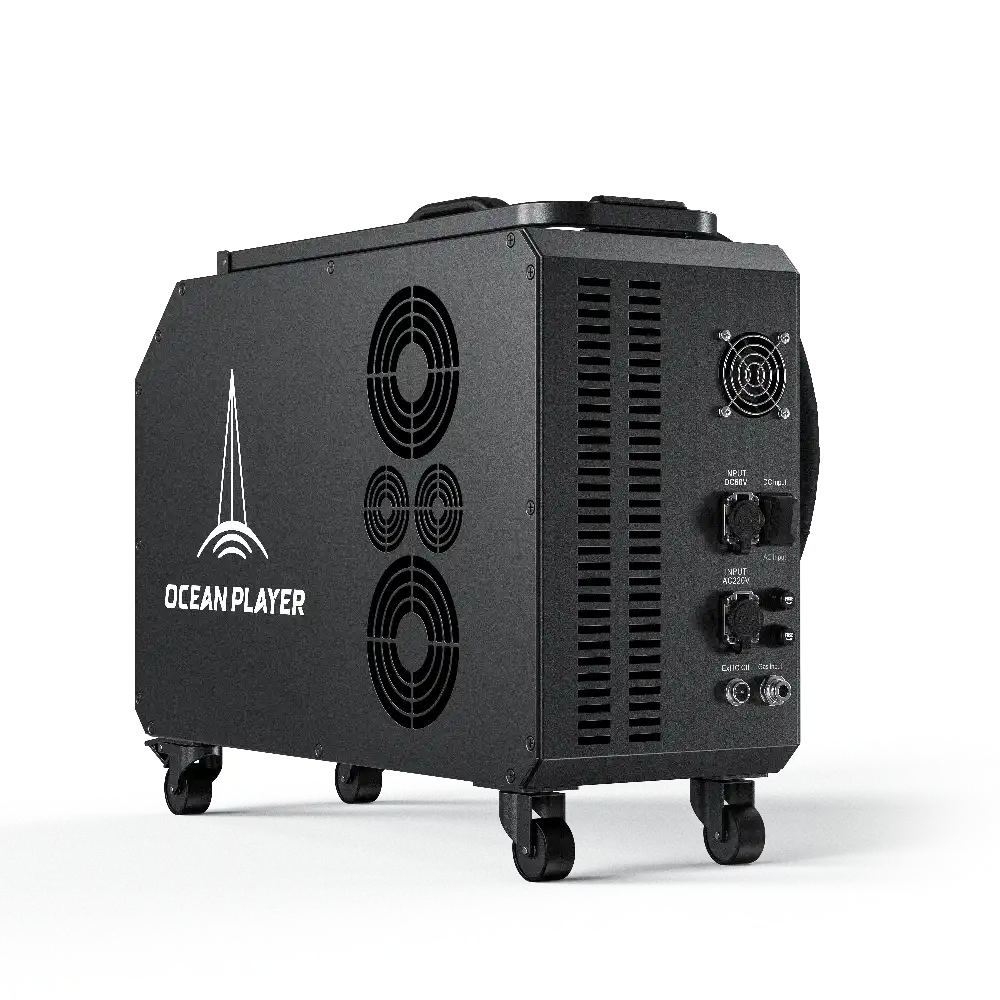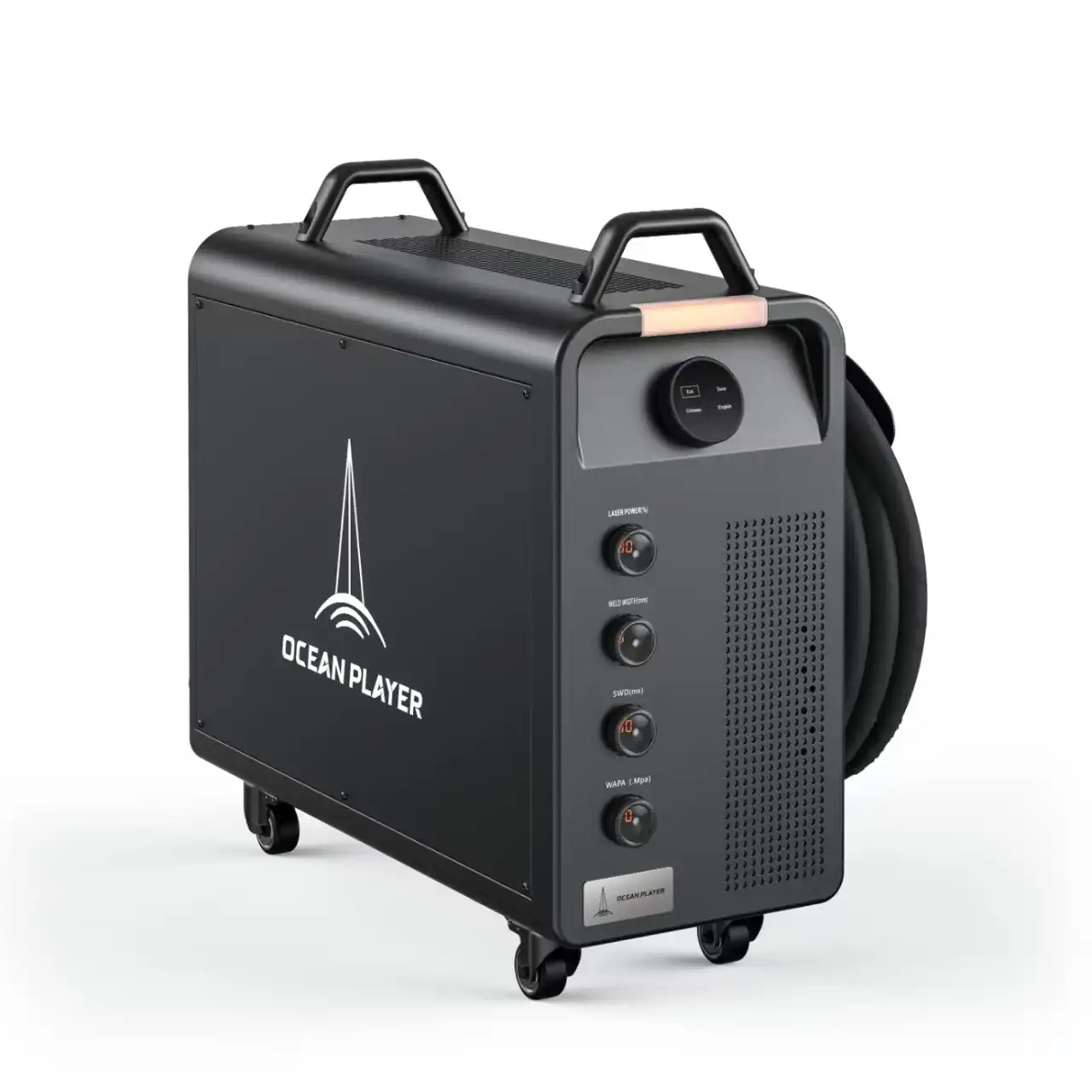
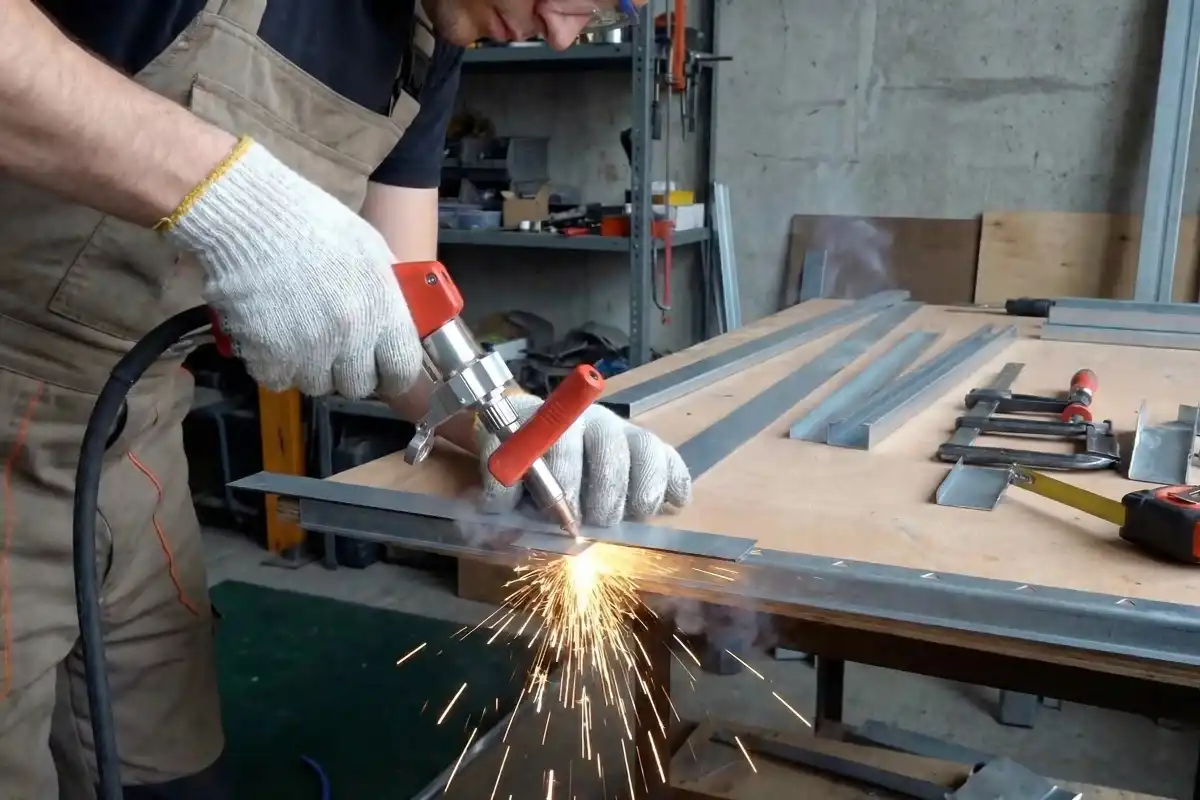
Single pendulum and double pendulum laser welding joints show how the laser moves when welding. Single pendulum joints move back and forth in one way. They work well for easy jobs and thin pieces. Double pendulum joints move the laser side to side and up and down. This helps you control the weld better. It also makes the weld stronger for hard shapes or thick parts. Picking the right type helps make welds even. It lowers errors and saves time. Think about what you need and what results you want before you choose a method.
Key Takeaways
- Single pendulum joints work well for easy jobs. They are good for thin materials. You can use them without much trouble. They are simple to take care of.
- Double pendulum joints give you more control. They are flexible for many uses. They work best for hard shapes. They are good for thick materials.
- Pick single pendulum if you want to set up fast. It costs less money. Pick double pendulum if you need strong welds. It helps you make precise welds.
- You must do regular maintenance. Single pendulum needs less time for care. Double pendulum systems need more time.
- Think about what your project needs. The right joint type makes welds strong and clean. It also saves you time.
What Are Single and Double Pendulum Joints
Single Pendulum Overview
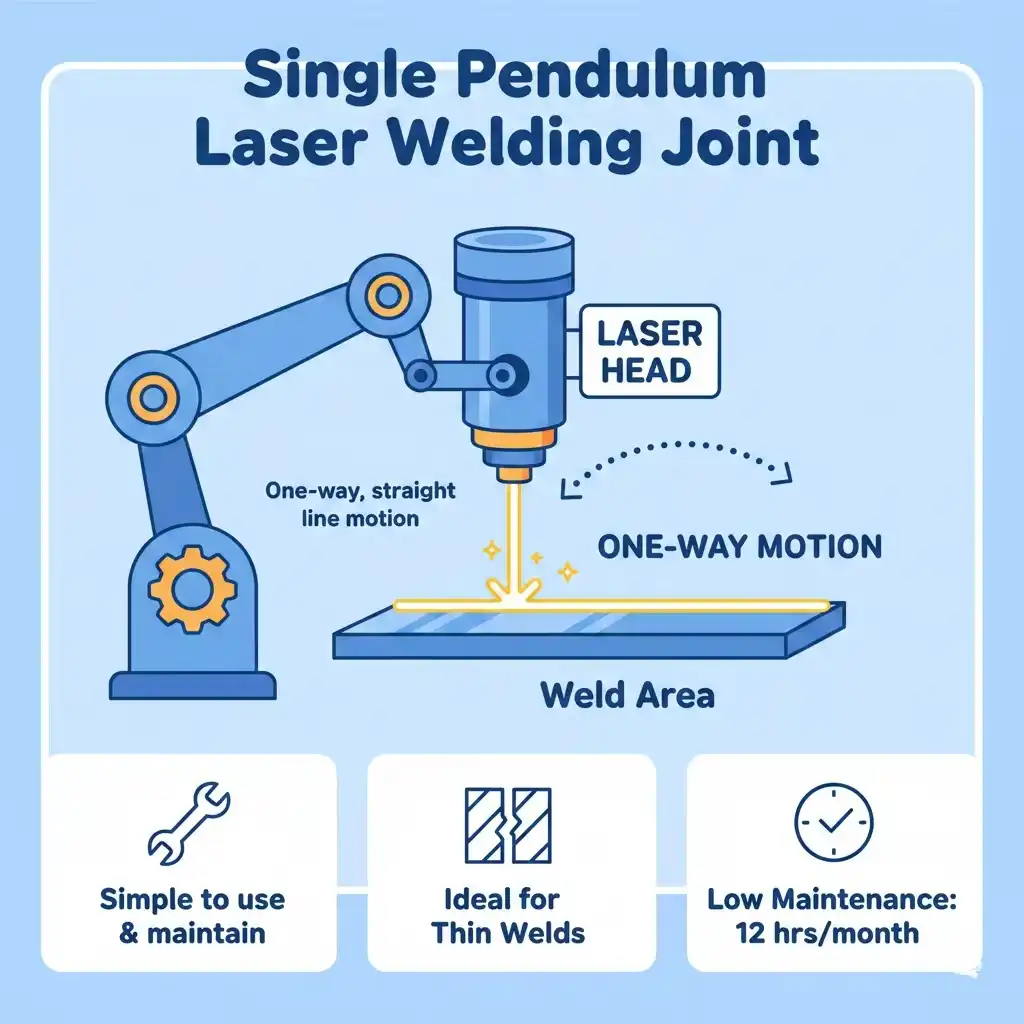
A single pendulum laser welding joint moves the laser one way. The laser swings back and forth on one line. This movement is simple. It makes the system easy to use. It is also easy to take care of. You can use single pendulum joints for straight welds. They work well with thin materials. The machine has fewer parts that move. You do not spend much time fixing it. Most jobs are cleaning, oiling, and checking the equipment. You finish these jobs in one or two hours each month.
Double Pendulum Overview
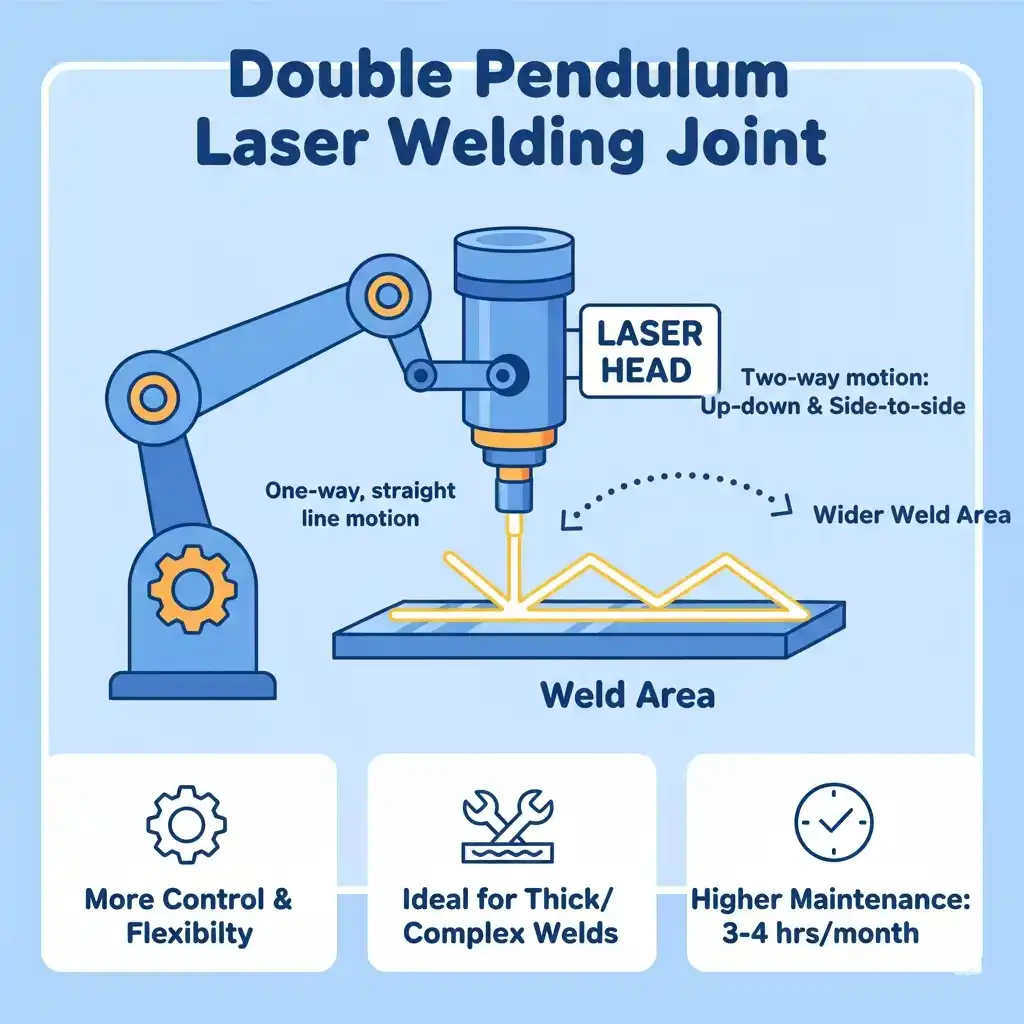
A double pendulum laser welding joint gives you more control. The laser moves side to side and up and down. This lets you weld bigger areas. You can also handle harder shapes. Use a double pendulum joint for strong welds. It works well on thick or tricky parts. The system has more special parts. You need to check and set it up more often. You may spend three or four hours each month on care. This helps the machine work well.
Tip: Pick a double pendulum joint if you want more choices. It helps when you weld parts with many shapes or sizes.
How Movement Modes Differ
There are clear differences in how these systems move:
- Single pendulum joints move the laser one way.
- Double pendulum joints let the laser swing side to side and up and down.
- Double pendulum systems give you more choices and better control.
Here is a quick look at care needs for each type:
| Type of Machine | Maintenance Requirements | Time Required | Annual Cost |
|---|---|---|---|
| Single-Pendulum Machine | Fewer moving parts, routine care means cleaning, oiling, and checking | 1-2 hours/month | $200-$500 |
| Double-Pendulum Machine | More special parts, needs checking and setting up often | 3-4 hours/month | $800-$1,500 |
You can use this chart to help pick the best joint for your project.
Methods and example parameter sets
Case 1 — AA7075‑T6 butt (single‑pass, conservative): AA7075‑T6, 3 mm, square butt, gap ≤0.1 mm. Laser: 6 kW fiber; focus −10 mm (defocused); spot ≈0.5 mm. Traverse: 6 m/min. Shielding: Ar top/bottom 15–20 L/min. Results: full fusion with reduced porosity and tensile strength approaching base metal in reported trials (see El‑Batahgy et al., 2021). Failure modes & troubleshooting: porosity appears if heat input rises—reduce power or increase speed; apply backing gas and strict fit‑up control.
Case 2 — High‑strength steel full‑penetration (single‑pass): Quenched‑and‑tempered steel, 10 mm plate, butt weld, tight fit-up (<0.2 mm). Laser: 10 kW CW fiber; focus near zero defocus; spot ~0.6–1.0 mm. Speed window: 0.5–1.5 m/min (optimize for keyhole stability). Shielding: Ar/CO2 mix per shop practice. Results: sound full‑penetration beads with narrow HAZ; cross‑sections show typical top/bottom profile and susceptibility to sag/humping outside the speed window (Zhang et al., 2022). Failure modes & troubleshooting: low speed → underfill/sag; high speed → lack of fusion; adjust power/speed balance and use edge clamping.
Case 3 — Oscillating (pendulum) example for thin aluminum (representative): 2 mm 5xxx/6xxx series, lap joint, gap 0–0.2 mm. Baseline laser settings: 500–800 W pulsed fiber, pulse width 200–400 µs, repetition 20–40 kHz; nominal traverse 0.5–2 m/min. Example oscillation (vendor reference): amplitude 0.5–2 mm, frequency 50–200 Hz — treat these as starting points and validate on coupons; delivery method: galvo or dual‑axis head. Results: improved gap bridging and more uniform energy distribution; check macro cross‑section for lack of keyhole defects. Failure modes & troubleshooting: excessive amplitude/frequency or overlap can cause local overheating/scorch—reduce amplitude or increase speed; incomplete fusion → increase pulse energy or lower speed.
Notes: Each case is a representative, conservative starting window drawn from public studies and practitioner practice; on‑part validation (DOE with logged parameters and macro/strength verification) is mandatory before production deployment.
Double Pendulum vs Single Pendulum
Key Differences
There are big differences between single pendulum and double pendulum laser welding joints. The biggest difference is how the laser moves. A single pendulum joint moves in just one way. It is best for straight lines or easy curves. A double pendulum joint moves in two ways. One part moves the laser from side to side. Another part moves it up and down. This gives you more control. You can weld many different shapes.
Here is a table that shows the main differences:
| Feature | Single Pendulum | Double Pendulum |
|---|---|---|
| Movement | One direction | Two directions (side to side, up and down) |
| Flexibility | Low | High |
| Weld Shapes | Straight lines, simple curves | Straight, curved, and irregular shapes |
| Welding Speed | Moderate | Higher |
| Gap Bridging | Up to 0.2mm | Up to 0.5mm |
| Energy Uniformity | Good for straight lines | Excellent for all shapes |
Double Pendulum Advantages
Double pendulum laser welding joints have many good points. The laser can move two ways at once. This helps you weld hard shapes and big spaces. You can use it for parts that are not regular. It works well with metals like aluminum and copper. These metals are shiny and need special care. The double pendulum system spreads energy evenly. You can finish jobs faster because the laser moves both ways.
- You can weld hard shapes and big areas.
- You can join parts with bigger gaps.
- You get strong and even welds on tough metals.
- You can use this for jobs that need high accuracy.
Note: You need more skill to use a double pendulum system. Training or practice helps a lot.
Single Pendulum Strengths
Single pendulum laser welding joints are simple and work well. You can use them for straight welds and thin pieces. The machine is easy to set up and use. You do not need much training to start. You spend less time fixing it because it has fewer moving parts. This method is good for jobs that repeat the same weld.
- You get easy use and fast setup.
- You save time on care and repairs.
- You can use it for simple jobs that repeat.
- You do not need special skills.
If you want something basic and low-cost, a single pendulum joint is a smart pick.
Applications
Best Uses for Single Pendulum
You can use single pendulum laser welding joints for many simple jobs. These joints work best when you need to weld straight lines or easy curves. You often see them in industries that make thin metal sheets or small parts. If you work with electronics, single pendulum joints help you join tiny wires or thin plates. You also find them in car factories for welding small brackets or frames.
Common uses include:
- Making battery packs
- Welding thin pipes
- Joining small metal parts in tools
- Fixing frames in electronics
Tip: Choose single pendulum joints when you want fast setup and easy care.
Best Uses for Double Pendulum
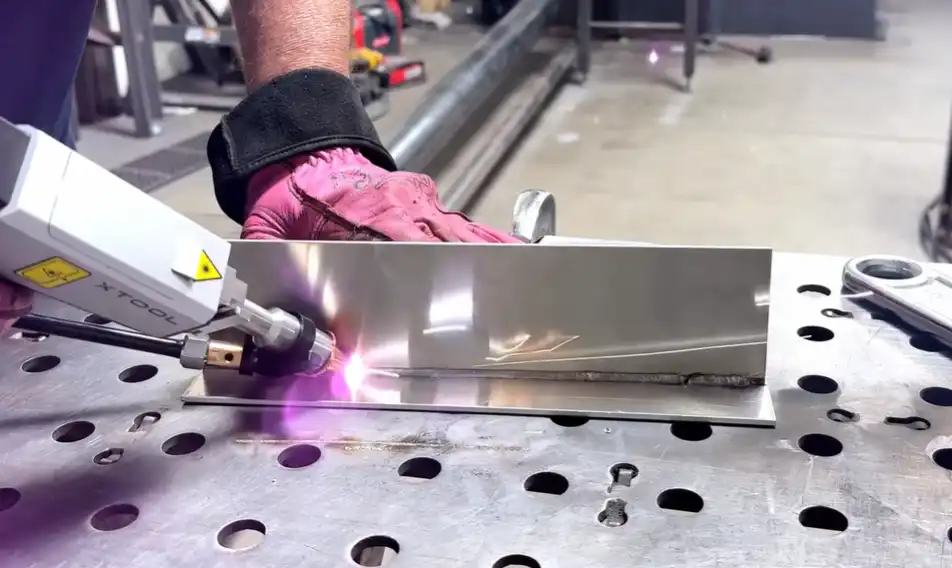
You should pick double pendulum laser welding joints for jobs that need more control. These joints help you weld parts with odd shapes or thick materials. If you work with car bodies, ship parts, or airplane pieces, you will see these joints often. They also help when you need to bridge wide gaps or weld shiny metals like aluminum.
You can use double pendulum joints for:
- Welding car doors and panels
- Joining thick metal plates in ships
- Making strong joints in airplanes
- Repairing large machines
A double pendulum joint lets you handle tough jobs that need strong and even welds.
Choosing the Right Type
You need to match the joint type to your job. If you work with thin, simple parts, single pendulum joints save you time and money. If your job needs high strength or deals with tricky shapes, double pendulum joints give you better results.
| Job Type | Best Joint Type |
|---|---|
| Thin, straight parts | Single Pendulum |
| Thick, complex shapes | Double Pendulum |
| High-speed production | Single Pendulum |
| High-precision welding | Double Pendulum |
Think about your project needs before you choose. The right joint type helps you get strong, clean welds every time.
Cost and Value
Equipment and Operation Costs
When you choose a laser welding system, you need to think about the price of the machines and the cost to run them. Single pendulum machines usually cost less because they have fewer moving parts. Double pendulum machines cost more, but they give you more options for complex jobs.
Here is a table that shows the price range for different types of laser welding machines:
| Equipment Description | Price Range |
|---|---|
| Single and Double Pendulum Automatic Platform Laser Welding Machine 300W/3000W | SG$30,056.56–31,363.36 |
| Fiber Laser Mini Welding Machine with Dual Pendulum System for Various Metals | US$3,200.00–4,200.00 |
| 2000W Laser Welding Machine Cutter, Cleaner Rust Remover | $6,900.00 |
You also need to think about operation costs. Single pendulum machines use less power and need less care. You spend less time on maintenance. Double pendulum machines use more energy and need more checks. You may need to train your team to use them well.
Tip: If you want to save money, start with a single pendulum system. If you need to weld many shapes or thick parts, a double pendulum system is worth the extra cost.
Performance vs Investment
You want the best value for your money. Single pendulum machines work well for simple jobs. They give you good welds at a lower price. You finish jobs fast and spend less on repairs. Double pendulum machines cost more, but they help you handle tough jobs. You get strong, even welds on thick or tricky parts. You also finish complex projects faster.
Think about what you need most. If you work with thin, straight pieces, a single pendulum machine gives you the best value. If you need to weld many shapes or want top quality, invest in a double pendulum system. The right choice helps you save money and get better results.
You now understand how single and double pendulum laser welding joints are different. Single pendulum joints are good for weld seams that are up to 3mm wide. They also work well with materials that are up to 3mm thick. Double pendulum joints can handle seams that are wider. They are better for thicker materials too. Look at the table below to help you decide:
| Type of Welder | Suitable Weld Seam Width | Material Thickness |
|---|---|---|
| Single Pendulum | 3mm | Up to 3mm |
| Dual Pendulum | 5mm | Over 3mm |
Choose the joint that fits your project. This helps you get the best results.
Assumptions & References
All quantitative values given above are conservative, site‑dependent starting points. Gap and seam guidance assumes common steels and aluminum alloys at thicknesses noted; see Zhang et al., 2024 (PMC) and the 2017 SCIRP study recommending gaps ~0.1–0.2 mm (<10% thickness) for verification. Maintenance cadence and inspection recommendations follow vendor practice summaries (e.g., [OPMT maintenance guide, 2025] and Laserax maintenance notes). Price ranges are indicative, compiled from vendor listings and quotes (currency/date noted where used) and must be validated with suppliers before procurement.
FAQ
What is the main benefit of using a double pendulum joint?
You get more control over the weld. Double pendulum joints help you handle tricky shapes and thicker materials. You can also bridge wider gaps with better energy spread.
Can I use a single pendulum joint for thick materials?
You should not use a single pendulum joint for thick materials. It works best with thin parts up to 3mm thick. For thicker pieces, choose a double pendulum joint.
Do I need special training to use a double pendulum system?
You need some training to use a double pendulum system well. The extra movement options make it more complex. Practice helps you get strong, even welds.
How do I decide which joint type to use?
- Check your material thickness.
- Look at the shape of your parts.
- Think about the weld strength you need.
Pick single pendulum for simple jobs. Choose double pendulum for complex or thick parts.