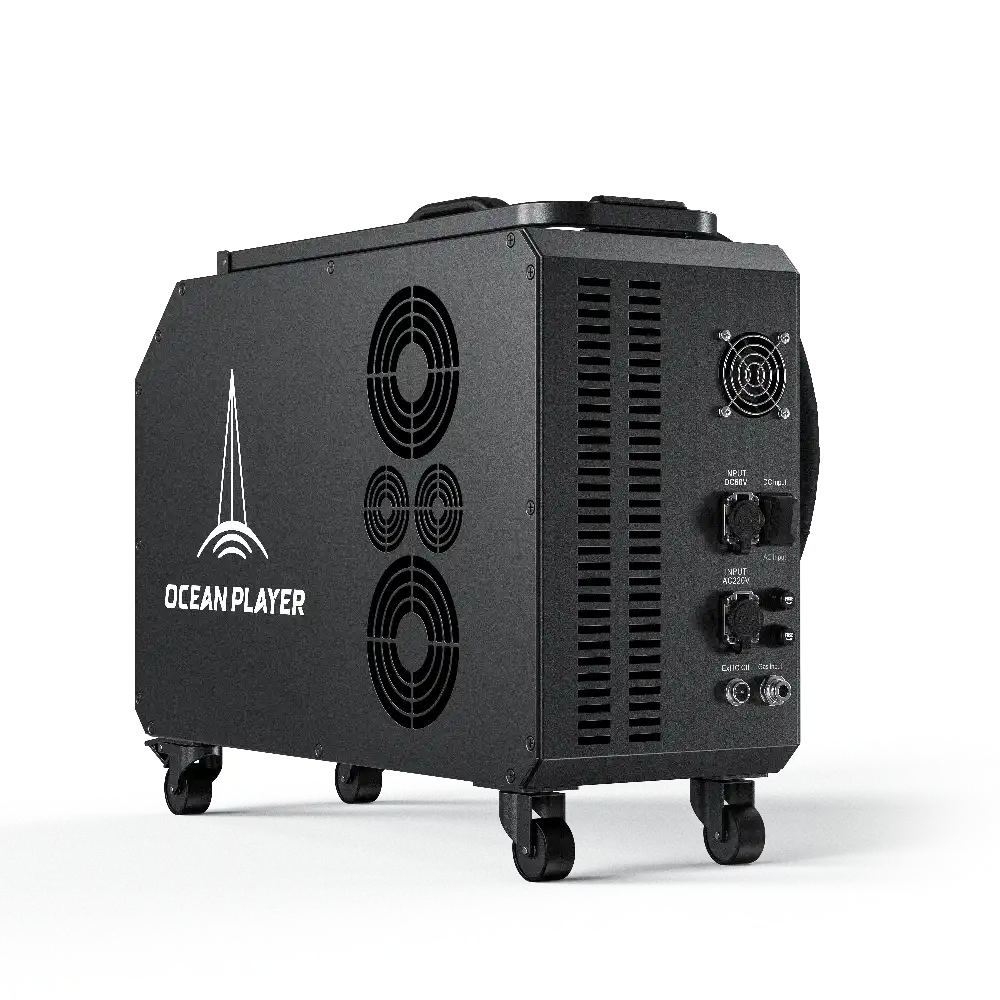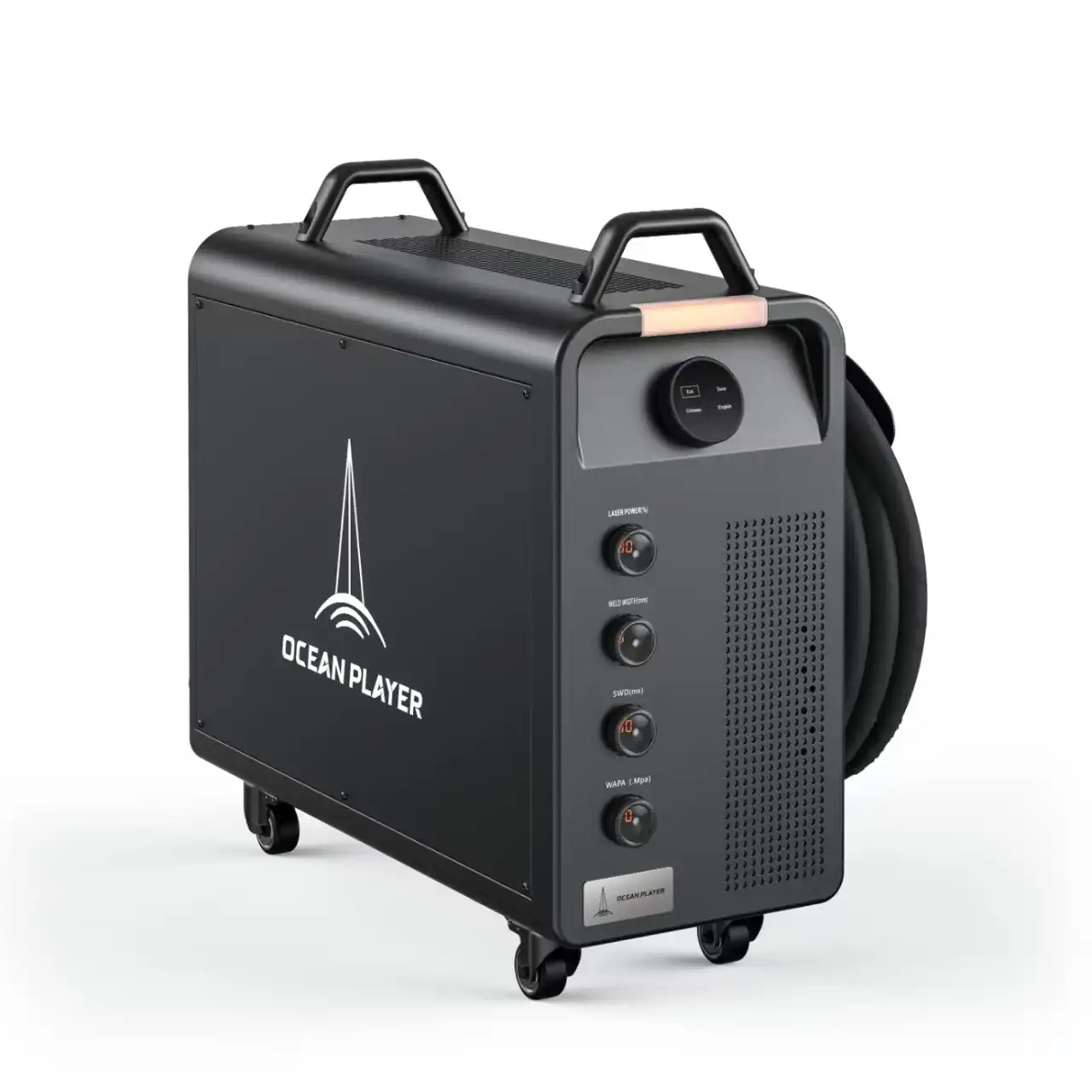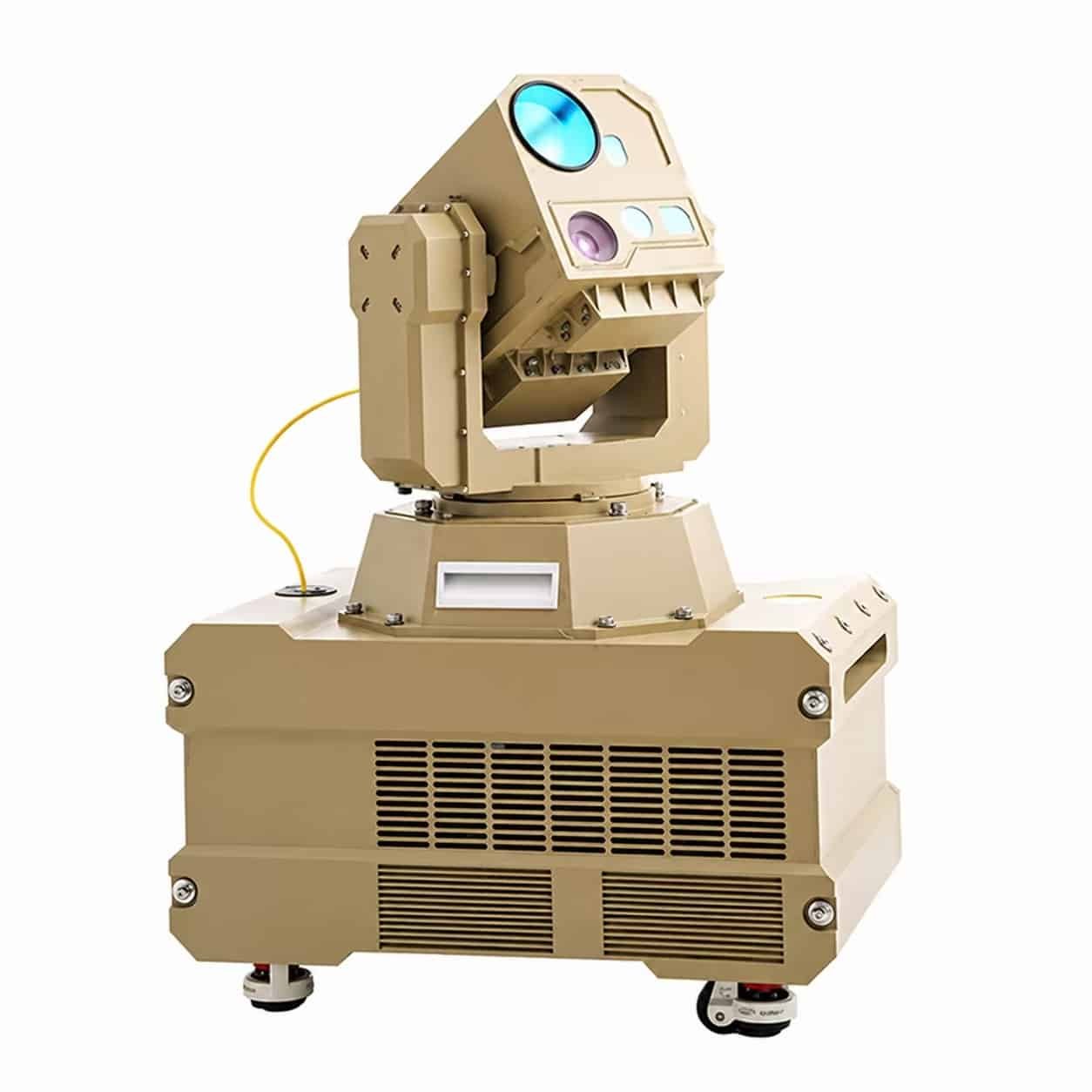
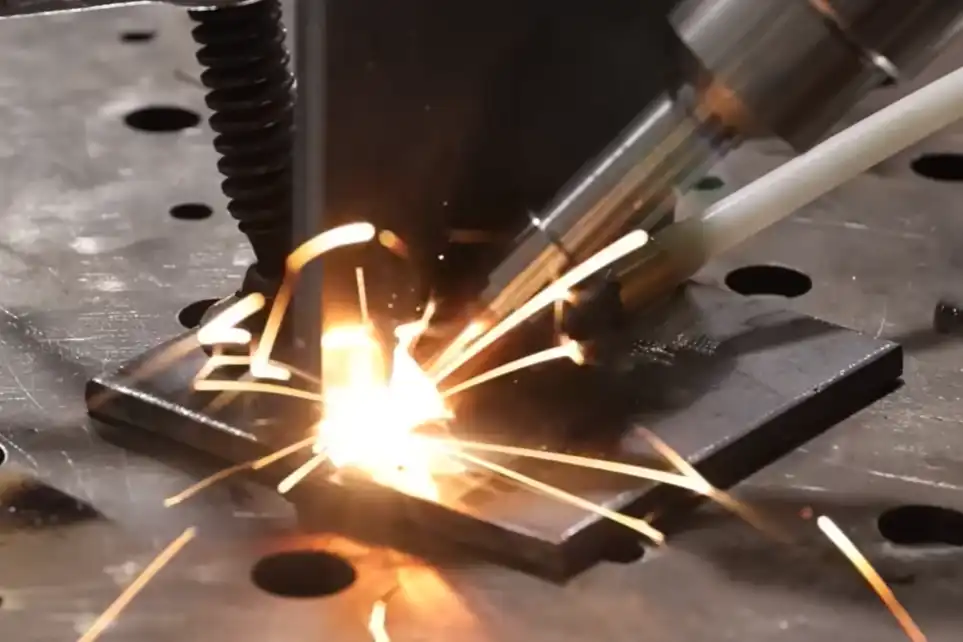
You notice the main difference between spot welding and laser welding in how they join metals. Spot welding uses electricity and pressure to stick pieces together. Laser welding uses strong light energy. It works faster and is more exact. Laser welding gives quick results, especially when making lots of things. Different laser types help weld hard materials like copper and aluminum. Both ways join metal parts, but the energy and method make them different.
Key Takeaways
- Spot welding joins metal sheets with electricity and pressure. Laser welding uses a strong light beam to join metal. Laser welding works faster and is more exact. It is good for tricky shapes and making many items. Spot welding is best for easy joints and saving money. Laser welding makes welds that are stronger, cleaner, and last longer. Think about the kind and thickness of metal before picking a welding method. This helps you get the best outcome. Safety is very important in laser welding. Always wear safety gear and follow safety rules.
Spot welding vs laser welding process
How spot welding works
You use spot welding to join metal sheets by pressing them together and passing an electric current through the joint. The process happens in three main steps:
- You position the electrodes on the metal pieces and apply pressure.
- You send a strong electric current through the electrodes. The current heats and melts the metal at the contact point.
- You keep the electrodes in place while the metal cools and solidifies, forming a weld.
Tip: The amount of pressure, the time the current flows, and the strength of the current all affect how strong your weld will be.
Here is a table showing typical values used in automotive manufacturing:
| Parameter | Value Range |
|---|---|
| Electrical Current | 5,000 to 20,000 amps |
| Secondary Voltage | 3 to 12 volts |
| Pressure | 660 pounds |
| Example Current | 9,600 amps |
| Weld Time | 8 cycles |
Note on units and baselines: “8 cycles” refers to AC mains cycles — that’s about 133.3 ms at 60 Hz and 160 ms at 50 Hz. The listed pressure 660 lbf ≈ 2.94 kN (1 lbf = 0.00444822 kN). Actual contact pressure (kN or MPa) depends on electrode face area, so convert lbf to kN and then divide by the electrode contact area to get pressure in MPa.
How laser welding works
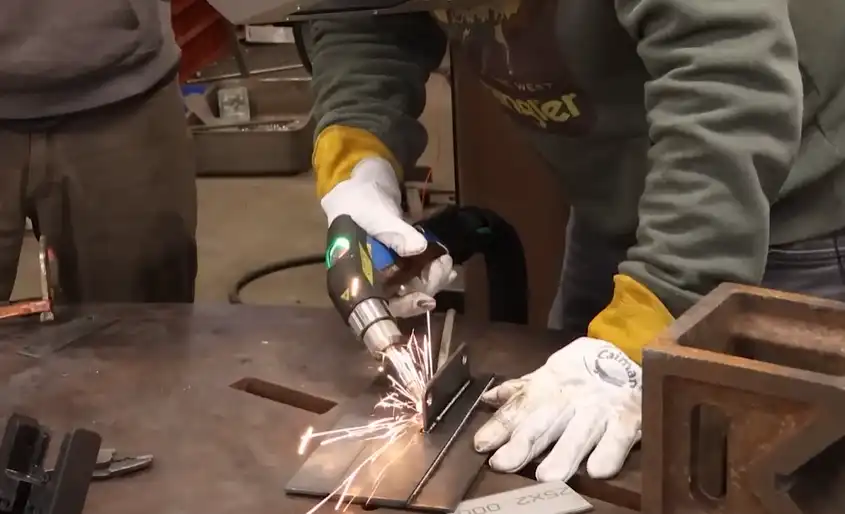
Laser welding uses a focused beam of light to melt and fuse metal parts. You do not need to apply pressure. The process includes several steps:
- You clean the metal pieces and make sure they fit together.
- You focus the laser beam on the joint.
- You set the laser power, welding speed, and beam size.
- You move the laser along the joint to melt and join the metals.
- You let the metal cool and solidify to finish the weld.
Lasers come in different types and power levels. Here is a table showing common lasers used in welding:
| Laser Type | Power Output | Characteristics |
|---|---|---|
| Fiber Lasers | Up to 50 kW | Good for aluminum, works well with robots. |
| Nd:YAG Lasers | 0.04–6,000 W | Precise, may need assist gas. |
| CO₂ Lasers | Up to 25 kW | Deep welds for thick metals, can distort thin sheets. |
| Ruby Lasers | 10–20 W | Low power, not common in factories. |
Key process differences
You notice clear differences between spot welding and laser welding:
Single‑pass deep‑penetration laser welding on carbon or stainless steel typically yields about 5–15 mm penetration in keyhole mode at ~6–12 kW with focused spots in the ~0.2–0.6 mm range; exact depth and speed depend on focus, travel rate, shielding gas and alloy—larger thicknesses normally require multi‑pass joints or other processes (PMC 2022 comparative keyhole study).
Note: Laser welding gives you more control and can handle complex shapes. Spot welding works best for simple joints and overlapping sheets.
You now understand what makes each process unique. Spot welding relies on pressure and electric current. Laser welding uses light energy and works without pressure. You can choose the right method based on your project needs.
Applications and materials
Spot welding uses
Spot welding is used in many places. It works best for thin metal sheets. Here is a table that shows where spot welding is common:
| Industry | Typical Applications |
|---|---|
| Automotive Manufacturing | Welding sheet metal to form car bodies |
| Orthodontics | Attaching molar bands to stabilize orthodontic appliances |
| Electronics | Creating strong bonds in electronic components |
| Appliance Manufacturing | Joining parts in household appliances |
| Aerospace | Fabricating components for aircraft |
Spot welding is mostly for metals between 0.020″ and 0.090″ thick. If the metal is thicker, the weld might not be strong. If the metal is thinner, it can burn through.
Laser welding uses
Laser welding gives more choices for joining metals. It is used in places that need clean and strong welds. Here is a table with common laser welding uses:
| Application Area | Key Benefits | Example Use Cases |
|---|---|---|
| Body Panels | Reduced distortion, cleaner welds | Car doors, roofs, side panels |
| Battery Pack Assembly (EVs) | High precision, no post-weld cleaning | Electric vehicle batteries |
| Exhaust Systems | High strength, heat resistance | Exhaust pipes, mufflers |
| Complex Components | Precision and durability | Sensors, connectors, brackets |
Laser welding is also used for electric motor parts and battery cells. It is used for electronics in cars too. Electric vehicles use laser welding more now because it makes strong connections.
Material and industry suitability
You pick your welding method by the metal type and thickness. Spot welding is best for thin steel sheets and other metals. Laser welding can join different metals, like aluminum and steel. It works even if the metals melt at different temperatures. You can get up to 70% of the aluminum alloy’s strength when you join aluminum and steel with a laser.
Tip: Laser welding is good for hard-to-weld materials like aluminum alloys. You can change the laser settings to make fewer cracks and stronger welds.
When you choose a welding method, think about the metal type and thickness. Think about how you want the weld to look. You should also think about speed, cost, and skill needed for each way.
For aluminum: favorable alloys include 1xxx, 3xxx and 5xxx series for laser welding, while 2xxx, 6xxx and 7xxx are more crack‑prone and need care. Use a fiber (or short‑wavelength) laser, consider beam oscillation or dual‑spot to broaden the melt pool, and apply controlled preheat (roughly 80–150°C) for thicker sections. Use Al‑Si filler when metallurgy demands and inert shielding (argon/helium). Meticulous oxide removal and tight fixturing are essential to reduce porosity and cracking (see EB Industries: Laser Welding Aluminum).
Pros and cons
Spot welding advantages and disadvantages
Spot welding has some good points for your projects:
- You can join metal pieces fast. This helps when making many items.
- The process saves money. You do not need extra filler or gas.
- The equipment is simple. This makes your setup easy.
- Welds are even and strong. Joints stay tough.
But there are some problems too:
- You can only use spot welding for certain joints, like lap joints.
- Welds are strong only at the spot. Areas between welds can be weak.
- It does not work well for thick metals, usually above 3mm.
- You need to reach both sides of the metal. This is hard for complex shapes.
- Big machines cost a lot at first.
Laser welding advantages and disadvantages
Laser welding lets you work with high precision and control. You can make neat, thin welds. This is good for thin materials. The heated area stays small. The metal keeps its strength and shape. Laser welding works for parts that need exact sizes and strong, clean joints. You can change settings while you work. This helps reduce mistakes.
But there are some limits:
| Limitation | Description |
|---|---|
| High Costs | Equipment and repairs cost a lot. |
| Limited Penetration Depth | Not good for very thick materials. |
| Sensitivity to Materials | Shiny metals like aluminum are hard to weld. |
| Safety Concerns | The laser and fumes can be dangerous without safety steps. |
| Limited Joint Access | Complex parts may need extra steps or passes. |
| Reduced Weld Strength | Fast cooling can make some welds weaker. |
Strengths and weaknesses compared
Laser welding often gives stronger and better joints than spot welding. Tests show laser welds can take more force before breaking. Laser welding has fewer mistakes because you can control the process better. Spot welding may have more mistakes from worn electrodes and bad placement. Use spot welding for quick, cheap jobs with simple joints. Pick laser welding when you need strong, exact, and clean welds.
Choosing the right welding method
Decision factors
You need to look at several things before you pick a welding method. Each project has different needs. You should think about the type of metal, the thickness, the shape of the parts, and how many pieces you want to make. You also need to think about your budget and the finish you want.
Here is a table to help you see what each welding method fits best:
| Welding Method | When to Use |
|---|---|
| Spot Welding | High-volume runs of simple, standard sheet metal parts. Good for a limited budget and conductive metals. |
| Laser Welding | When you need precision, a smooth finish, or want to join different metals. Works well for flexible, long-term jobs. |
You should also think about the type of laser if you choose laser welding. The table below shows what each laser type is good for:
| Welding Type | Suitable For |
|---|---|
| Continuous Wave | Deep welds, crack-sensitive metals, and high-volume production |
| Pulsed Laser | Shiny metals, heat-sensitive parts, spot welds, and airtight seals |
Tip: Laser welding works well for thin stainless steel sheets in electronics. It gives you clean welds with little distortion.
You can tell spot welding and laser welding are not the same. Spot welding needs pressure and electric current. Laser welding uses a strong light beam instead. The table below shows how they are different:
| Feature | Spot Welding | Laser Welding |
|---|---|---|
| Process Type | Touches metal, uses pressure and current | Does not touch, uses a laser beam |
| Speed | Not as fast | Works faster |
| Heat-Affected Zone | Makes a bigger hot area | Makes a smaller hot area |
| Best Use | Good for simple, many metal parts | Good for careful work in electronics, medical |
Use spot welding when you want a fast, easy job. Use laser welding if you need neat and exact work. Always look at your metal, the joint shape, and what your project needs. This helps you make strong welds that last.
References
- AWS C1.1M/C1.1:2019 — Recommended Practices for Resistance Welding (American Welding Society). Available from the AWS publications store: AWS C1.1M/C1.1:2019.
- AWS C7.2:1998 — Recommended Practices for Laser Beam Welding, Cutting, and Drilling (American Welding Society): AWS C7.2:1998.
- ISO 4063 & ISO 13919-2 — process classification and guidance on laser-weld imperfections (International Organization for Standardization): ISO catalog.
- IPG Photonics — Laser Welding Guide / Battery Welding Guide (application notes & brochures, various years): IPG Laser Welding Guide.
These standards and vendor guides support weld-process definitions, test limits, and best-practice recommendations cited in the article.
FAQ
What is the main difference between spot welding and laser welding?
You use spot welding with pressure and electricity. You use laser welding with a focused light beam. Spot welding works best for simple joints. Laser welding gives you more precision and speed.
What metals can you join with spot welding?
You can join steel, nickel, and some aluminum sheets with spot welding. The metal must conduct electricity well. Thin sheets work best.
What safety steps should you follow for laser welding?
You must wear safety goggles. You should keep your skin covered. Always use shields to block the laser beam. Never look at the laser directly.
What makes laser welding better for complex shapes?
You can control the laser beam with robots. The laser reaches tight spots. You do not need to touch the metal. This helps you weld small or tricky parts.
What are the limits of spot welding?
You cannot use spot welding for thick metals. You need to reach both sides of the joint. The welds only hold at the spots, not along the whole seam.