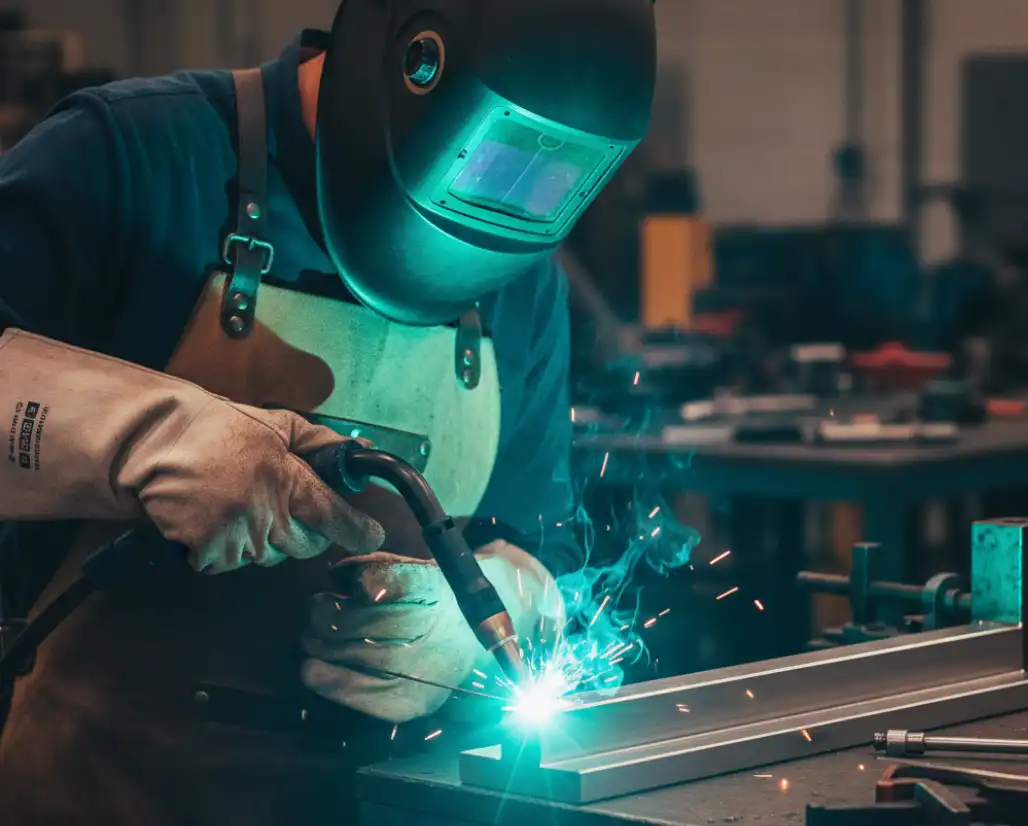
You often see two metal pieces joined at a right angle. The part of the weld that runs from the root to the toe is called the Fillet Weld Leg. This leg acts like the side of a triangle in the weld. If you choose the right size for this leg, your weld will hold strong and stay safe. Too small or too big can cause problems.
Key Takeaways
- The fillet weld leg is very important for strength. You measure it from the root to the toe. This helps keep things safe.
- Use a fillet weld gauge to check the leg size. Getting the right measurement stops weak joints and failures.
- Always follow industry rules for leg size. This helps you avoid expensive mistakes. It also keeps you safe and follows the rules.
- Pick the correct leg size for the material thickness. A good tip is to make it about three-fourths of the thinner material’s thickness.
- Do not make welds too big or too small. Both can cause problems and cost more money.
Fillet Weld Leg Basics
Definition and Anatomy
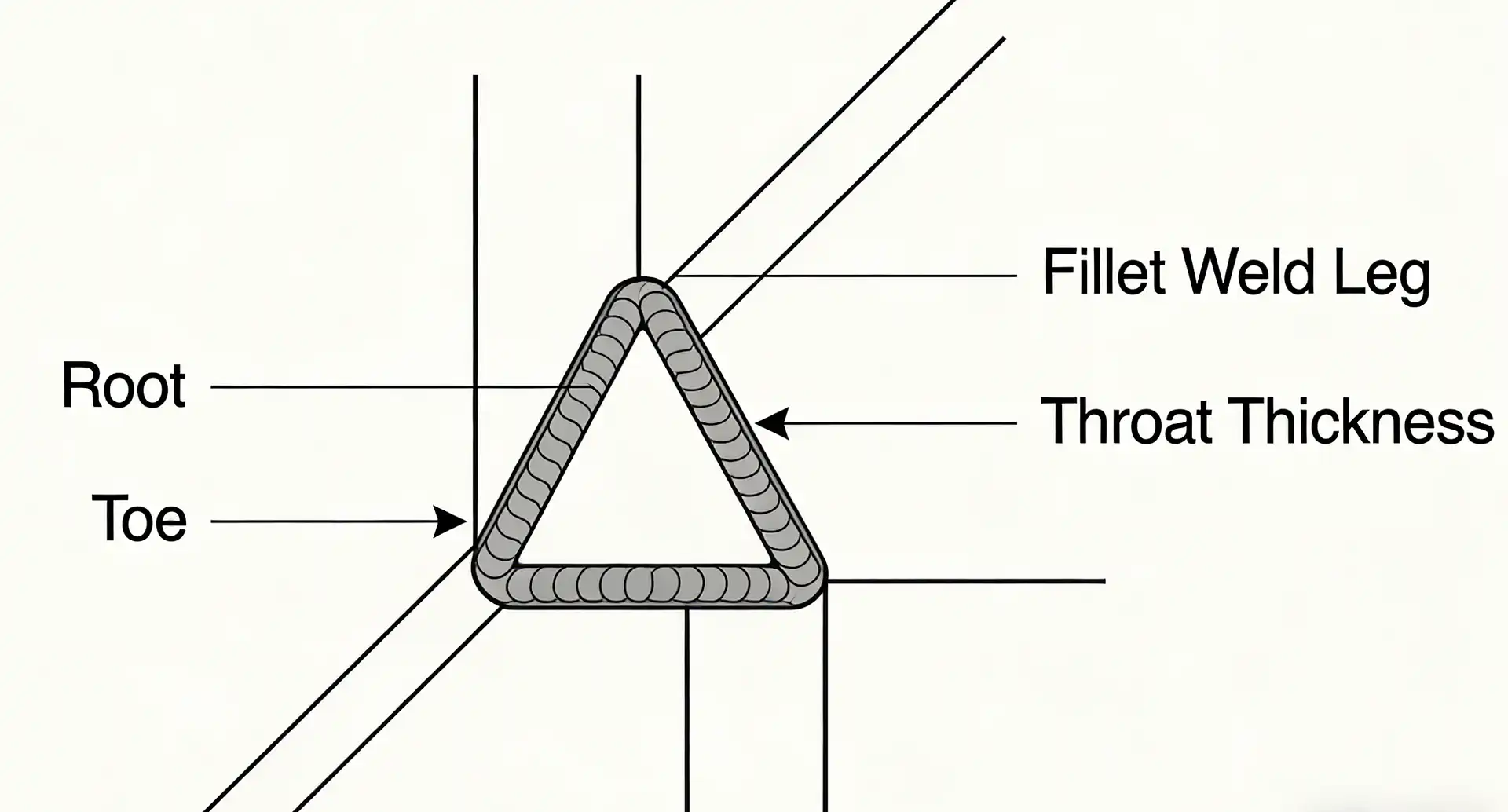
When you look at a fillet weld, you see a triangle shape where two metal pieces meet. The fillet weld leg is the straight line that runs from the root (the point where the two metals touch) out to the toe (the outer edge of the weld). You measure this leg to check if your weld meets the needed size for strength and safety.
- The root is the corner where the two metal pieces join.
- The toe is the end point of the weld on the surface of the metal.
- The fillet weld leg is the distance from the root to the toe.
Tip: Always check both legs of the weld, especially if the materials have different thicknesses.
Leg Size and Throat Thickness
You measure the fillet weld leg using a ruler or a weld gauge. The leg size tells you how much weld metal supports the joint. The throat thickness is the shortest distance from the root to the face of the weld. This measurement is important because it shows how much of the weld actually carries the load.
Here is a simple table to help you understand the relationship between leg size and throat thickness:
| Description | Formula | Explanation |
|---|---|---|
| Throat Thickness from Leg Length | a = 0.707 × z | Throat thickness is about 70.7% of leg length. |
| Leg Length from Throat Thickness | z = 1.414 × a | Leg length is about 1.414 times the throat thickness. |
- Leg Length (z): This is the distance from the root to the toe of the weld.
- Throat Thickness (a): This is the shortest distance from the root to the face of the weld.
You can use a simple rule of thumb when sizing a fillet weld leg. Set the leg size to about three-quarters (¾) of the thickness of the thinner material you are joining. For example, if you weld a 1/4-inch plate to a 3/8-inch plate, use a fillet weld leg size of about 3/16 inch.
As the thickness of the base material increases, you need a larger fillet weld leg. Thicker materials pull heat away from the weld faster. If the weld is too small, it may not bond well, and the joint could fail. A larger weld helps create enough heat for a strong connection.
Note: Many new welders think bigger is always better. Oversized welds use more material and take longer to make. This can raise costs and slow down your work. Always follow the specified size for the fillet weld leg to avoid waste and ensure safety.
Why Leg Size Matters
Strength and Load Capacity
You need the right fillet weld leg size to make sure your weld holds up under stress. The size of the weld leg directly affects how much weight and force the joint can handle. If you use the correct size, your weld will have the strength needed for the job.
- Engineering studies show that the leg size, throat thickness, and shape of a fillet weld all play a big role in how strong the joint is.
- Research shows that a better weld shape can help the joint last longer, especially when it faces repeated stress.
- A larger weld toe radius and a bigger weld size can help the joint resist breaking when pulled or bent.
- Deeper weld penetration increases the ultimate strength of the welded joint.
If you make the weld leg too small, the joint may not support the load. If you make it too large, you waste material and time. You want to match the weld size to the job for the best results.
Safety and Compliance
You must follow welding codes and standards to keep your work safe and legal. These codes tell you the minimum fillet weld leg size for different materials and jobs. If you do not meet these rules, you risk weak joints and possible failure.
| Code | Minimum Fillet Weld Size Requirement | Reference Table |
|---|---|---|
| AWS D1.1 | Based on material thickness | Table 7.7 |
| AISC 360-16 | Based on material thickness | Table J2.4 |
Different standards may use different ways to measure weld size. For example:
| Standard | Measurement Type | Description |
|---|---|---|
| AWS | Leg Length | Measured from the root to the toe of the weld. |
| ISO | Throat Thickness | Measured as the shortest distance from root to face. |
“A platform such as this was used to provide offshore accommodations. All it took was a poor 1/4 (6mm) flux cored fillet weld to influence a structural component fatigue failure, the platform collapsed into the ocean with 123 lives lost with billions in costs.”
“Every year in calm seas or what’s considered normal ocean weather, hundreds of ships will break apart, usually around the weld seams.”
“Many lives lost, and over a billion dollars down the drain due to a weld failure on an oil platform, weld issues that could have been avoided if the management and engineers responsible for the rig construction understood the concepts and benefits of weld process ownership.”
You see that failing to use the correct fillet weld leg size can lead to disaster. Welds that do not meet code can cause structures to break, ships to sink, and even loss of life. You protect people and property when you follow the rules and check your weld sizes.
Measuring Fillet Weld Leg
Tools and Techniques
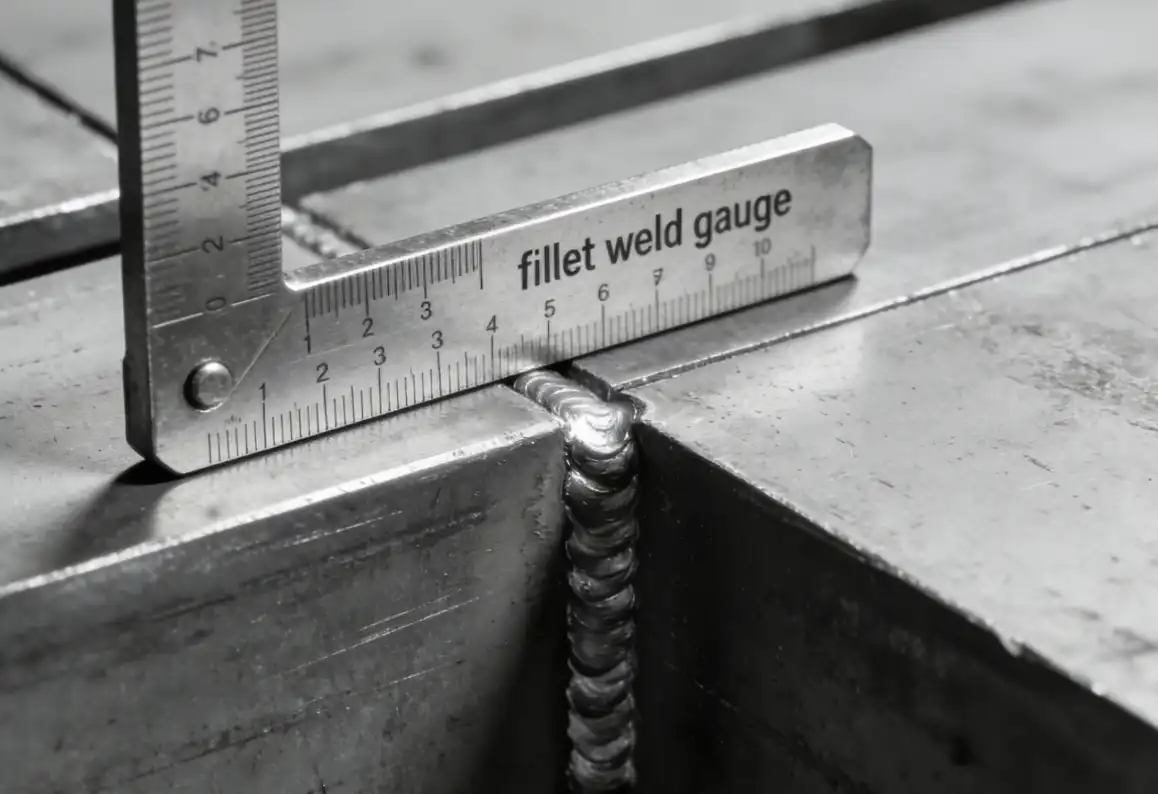
You need the right tools to measure a Fillet Weld Leg accurately. The most common tools include:
- Fillet weld gauges: These measure both leg length and throat thickness. You can quickly check if your weld meets the required size.
- Contour gauges: These help you match the weld’s profile for more precise measurements.
- Digital weld inspection gauges: These provide digital readouts, making it easier to get exact numbers.
Regular calibration of these tools is important. If you do not calibrate your gauges, your measurements may be off. Always handle and store your tools with care to keep them reliable.
Common Measurement Errors
Measuring a weld is not just about using the right tool. You also need to follow a clear process. Here is a simple step-by-step method:
- Clean the weld area. Remove any dirt or debris.
- Use a fillet weld gauge or ruler to measure the leg length. Place the gauge at the root and check the distance to the toe.
- Measure the throat depth. This is the shortest distance from the root to the face of the weld.
- Compare your measurements to the welding standards for your project.
You should also look for visible defects. Cracks, incomplete fusion, or an uneven surface can affect your results. Make sure the weld surface is smooth and consistent.
Welding speed can change the size of the weld leg. If you move too fast, the weld may be too small. If you move too slowly, the weld may become oversized. Both can lead to problems with strength and safety.
Tip: Always double-check your measurements and inspect the weld for any irregularities. Accurate measurement helps you meet standards and avoid costly mistakes.
Consequences of Incorrect Leg Size
Undersized Welds
If you use a fillet weld leg that is too small, your project can be in danger. The weld might look okay, but it cannot hold the weight it should. Small welds often break at the root, which is hard to see and fix. Cracks can start inside the weld and cause sudden breaks. These cracks make the joint weaker over time. You might see the structure bend or change shape more than it should. Sometimes, the weld can snap without warning and cause big safety problems.
Small welds also create spots where stress builds up. These spots can make the weld fail sooner. If you do not use enough weld metal, the joint cannot hold the load. This problem is often missed until something breaks.
Action: To avoid these problems, always check your weld size with the project rules. Use a weld gauge to measure both legs and make sure they are the right size.
Oversized Welds
Using a fillet weld leg that is too big can also cause trouble. Too much weld metal costs more and wastes materials. Big welds can bend the structure in ways you do not want. These bends can make stress build up and cause cracks, especially if the weld goes too deep.
Big welds can make the joint too stiff. This can change how the structure handles weight and sometimes make it break in new ways. You might see flaws or weak spots if the electrode angle is wrong or the weld is not even.
| Issue | Impact on Durability |
|---|---|
| Uneven stress distribution | Reduces load-carrying capacity |
| Incorrect electrode angle | Leads to visual flaws and weak points in joints |
| Critical weld size | Prevents fatigue failures; deviations cause issues |
Tips to Avoid Common Mistakes
- Always use the weld size shown in the project plans.
- Check both weld legs with a fillet weld gauge to see if they match.
- Do not just trust old habits or what you remember.
- Clean off all slag and holes before you measure or fix a weld.
- If a weld is not the right size, fix it the right way, like grinding, welding from the easy side, or using backing straps.
Paying close attention to weld size makes your project stronger, safer, and better. You save money and protect your work by doing it right the first time.
You now know that the correct fillet weld leg size is key for strong, safe welds. Industry guidelines show that the right leg size and shape help prevent defects and improve weld quality. Always measure both legs and use a weld gauge for accuracy. Check your welds every time. Proper weld size protects your project and keeps everyone safe.
FAQ
What is a Fillet Weld Leg?
A Fillet Weld Leg is the straight distance from the root of the weld to the toe. You use this measurement to check if your weld has enough size for strength and safety.
What tools do you use to measure a Fillet Weld Leg?
You use a fillet weld gauge or a ruler. These tools help you check the leg size quickly and make sure your weld meets project requirements.
What happens if you make the Fillet Weld Leg too small?
If you make the leg too small, your weld may not hold enough weight. This can lead to weak joints and possible failure of the structure.
What is the rule of thumb for sizing a Fillet Weld Leg?
You should set the leg size to about three-quarters of the thickness of the thinner material you are joining. This helps ensure a strong and safe weld.
What does the throat thickness mean in a fillet weld?
Throat thickness is the shortest distance from the root to the face of the weld. It shows how much of the weld actually carries the load.