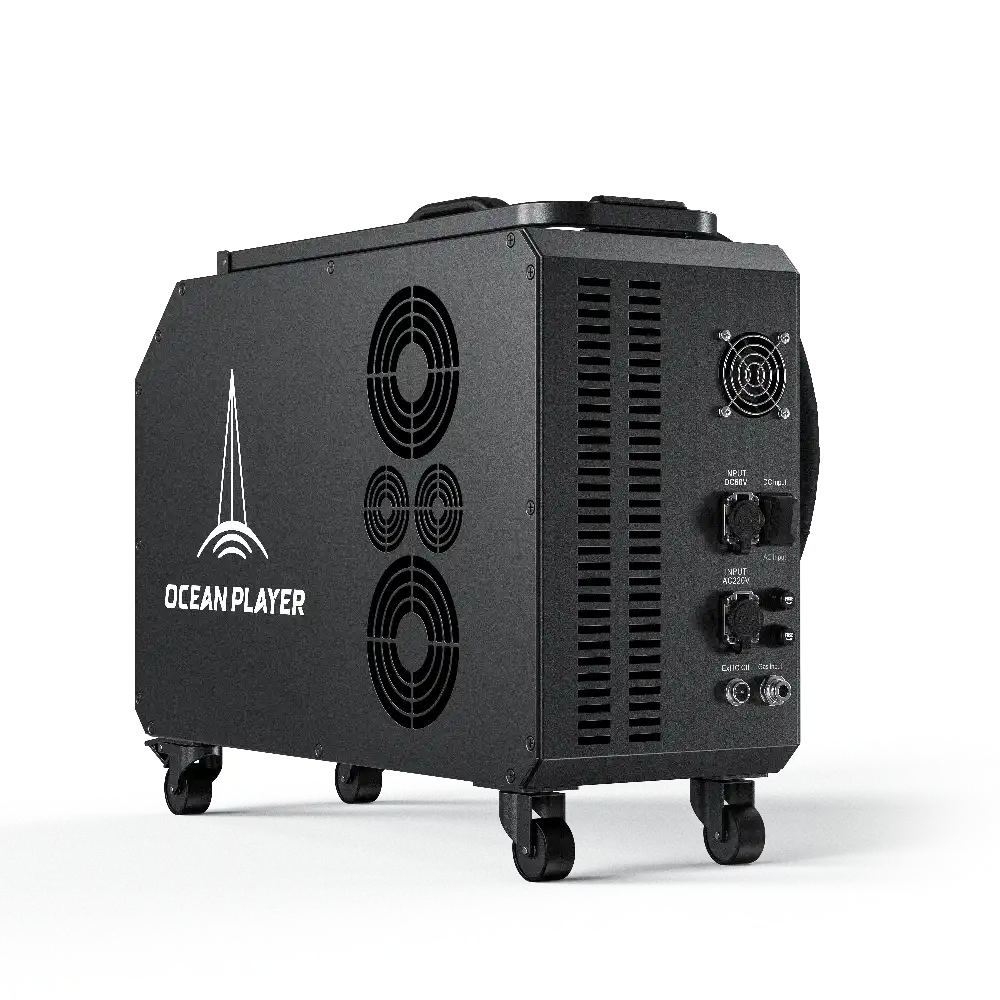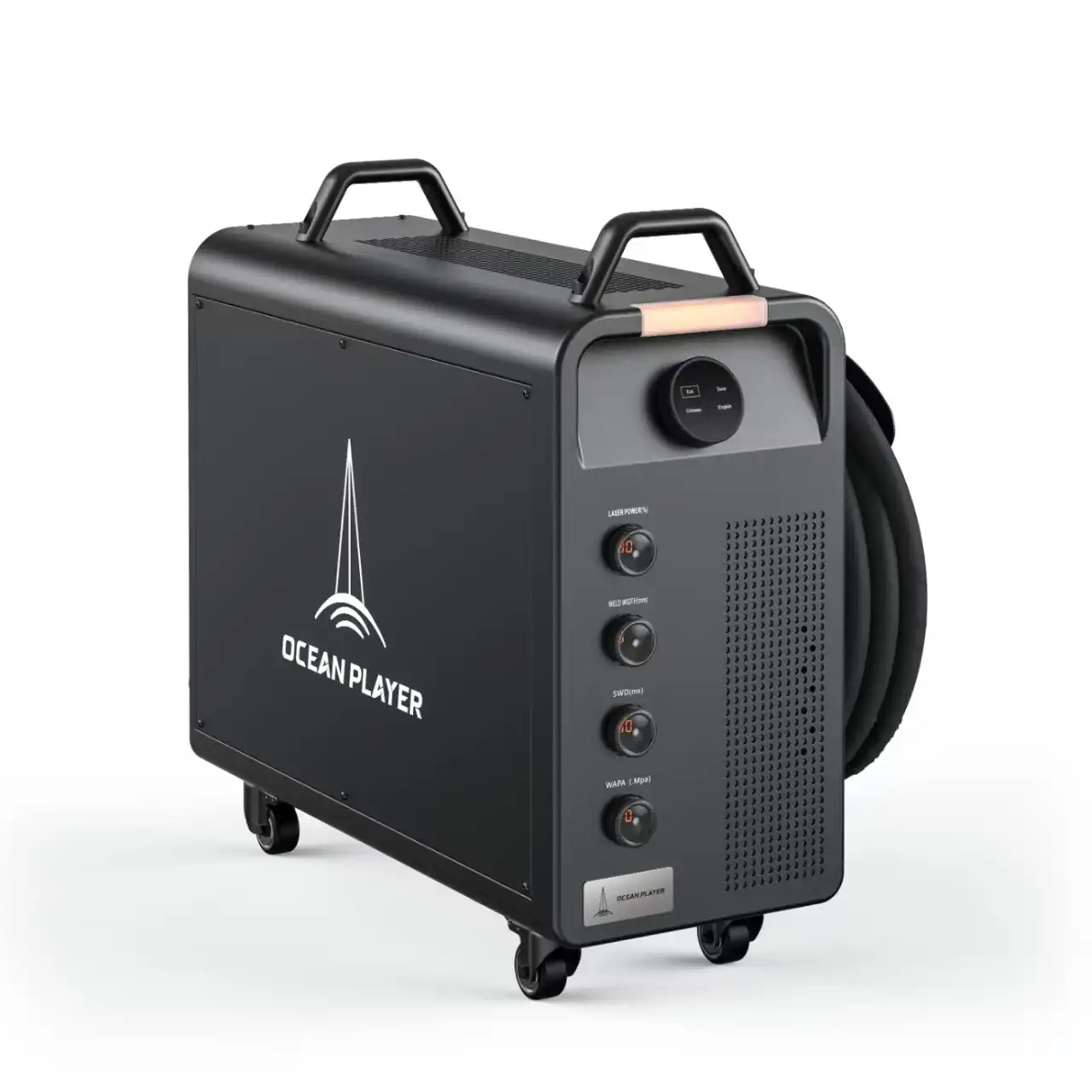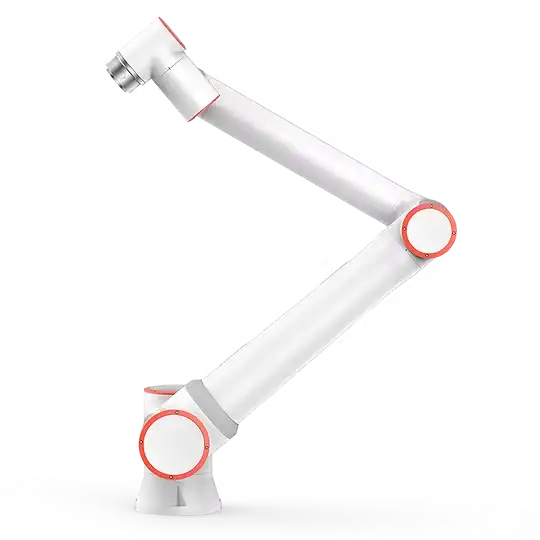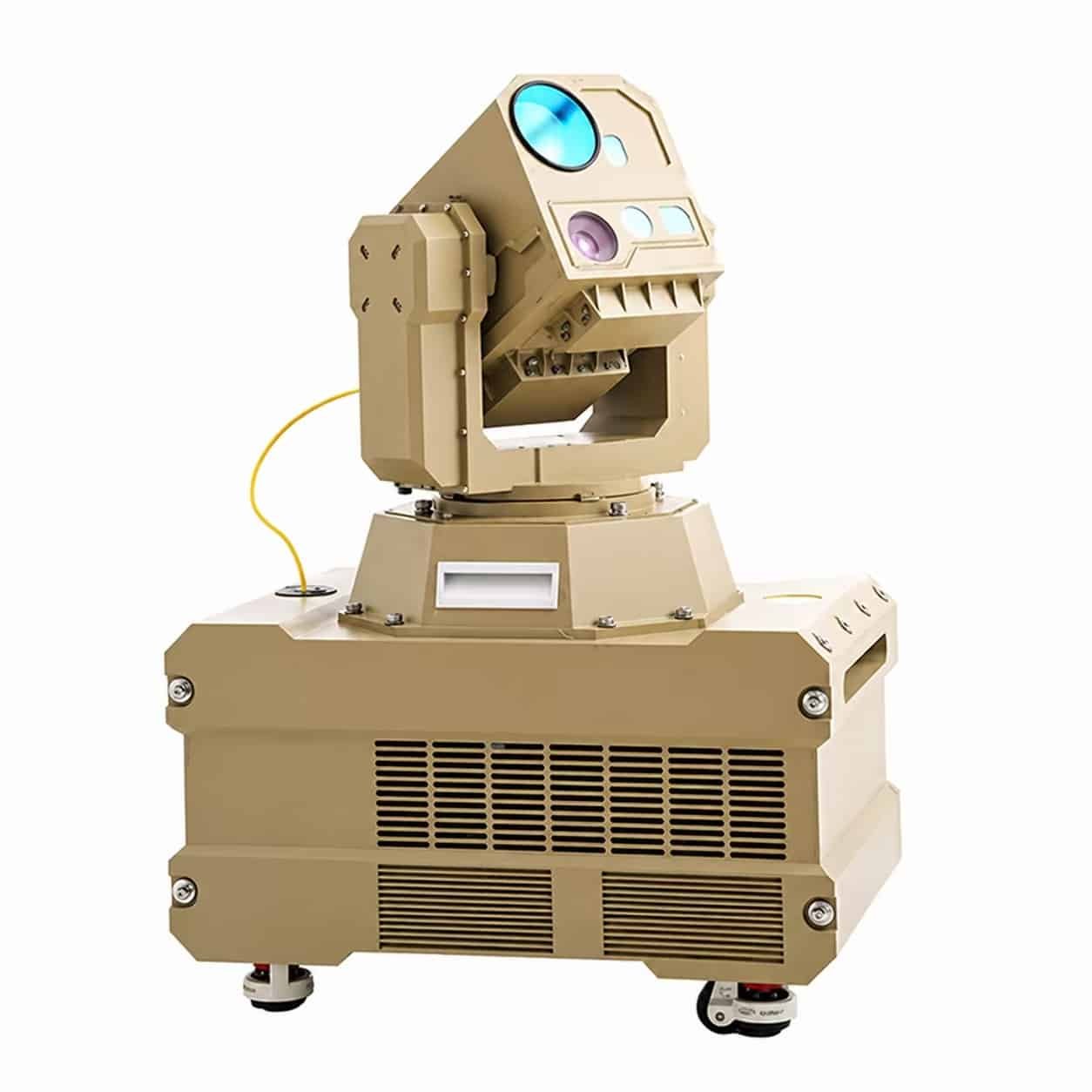
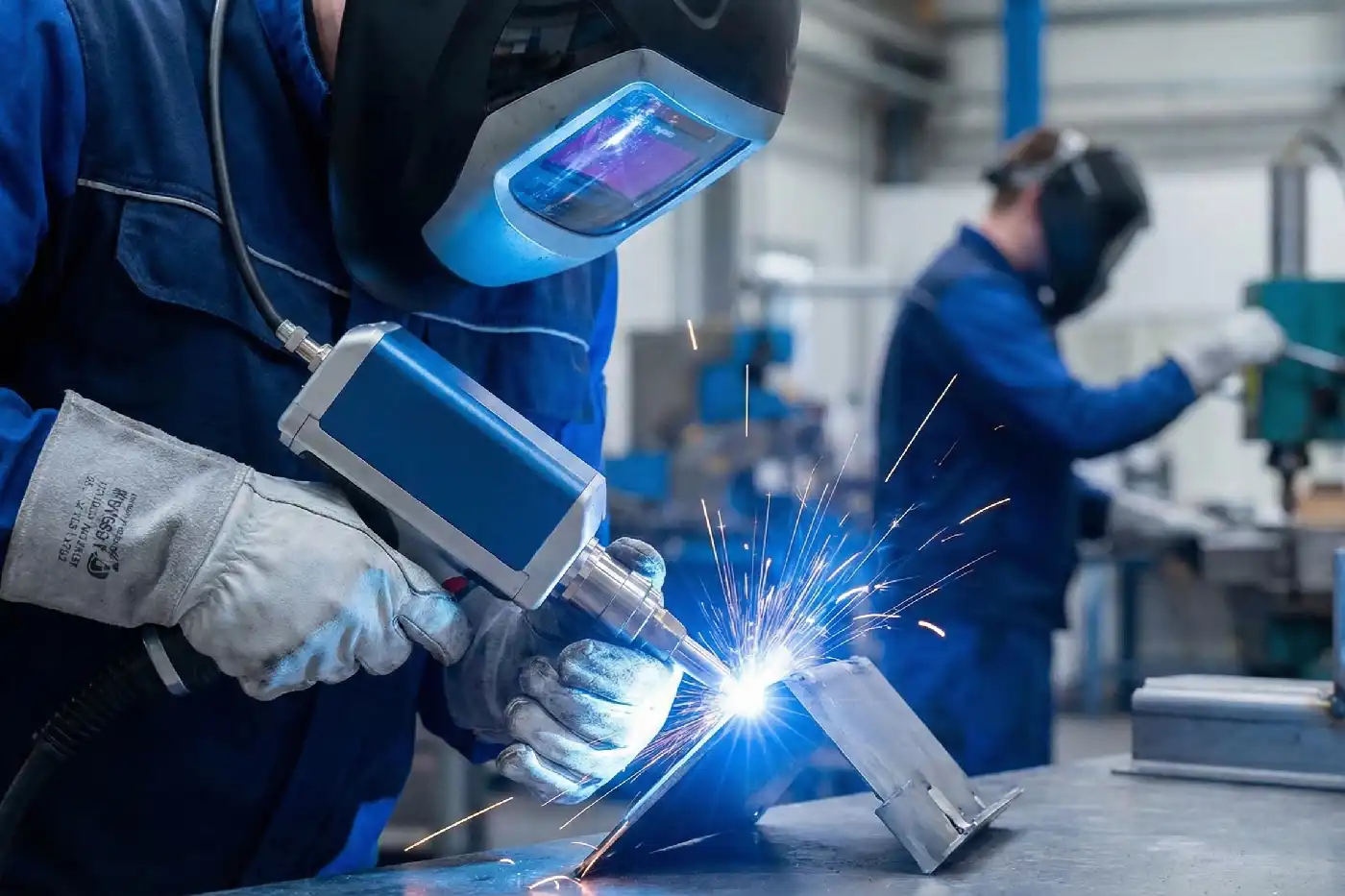
Laser welding cold welding technology uses focused laser beams to join metals with little heat. You see this method in modern factories because it gives precise results and keeps parts from warping. The market for these machines reached $2.7 billion in 2024 and will keep growing. With speeds up to 10 meters per minute, you get fast and accurate welds. You may wonder what this technology is, how it works, what materials fit, and where you can use it. This article helps you decide if it matches your needs.
Key Takeaways
- Laser welding cold welding technology uses strong laser beams to join metals. It uses little heat, so the metal does not bend. This helps make the welds very exact.
- This method works best on clean and smooth surfaces. It works well for metals like aluminum, copper, stainless steel, and titanium.
- The technology lets you weld quickly. It also makes a small area hot, so it is good for small or tricky parts.
- Always clean the metal before welding. This helps make strong welds and stops problems like cracks or holes.
- Think about the kind of metal, how thick it is, and how you want to join it. This helps you pick the best way to use laser welding cold welding technology for your work.
Laser Welding Cold Welding Technology Explained
What Is Cold Welding?
Cold welding joins two metal surfaces without melting them. You do not need heat or any filler. Pressure pushes clean, flat metal surfaces together. When they touch, their atoms bond because of metallic bonding. Free electrons and metal ions pull each other close. This makes a strong connection. The surfaces must be very clean and smooth. Dirt or oxide can stop the bond. Cold welding works best with metals like aluminum, copper, and some alloys.
How Does Laser Cold Welding Work?
Laser welding cold welding technology uses a focused laser beam. It joins metals with very little heat. The laser cleans and prepares the surface. This helps the metals bond. The metal does not melt. The laser removes surface oxides. It creates good conditions for atomic contact. The temperature stays low. The parts do not change shape. You can use different lasers for this technology:
- Direct-diode lasers: These are efficient and small. You can use them for fast jobs and deep welds.
- Fiber lasers: These give high precision and flexibility. Many factories use them for detailed work.
- Gas lasers (CO2): These use a gas mix to make a strong infrared beam. They work well for many metals.
Laser welding cold welding technology is special. It mixes the benefits of cold welding with laser control. You get strong bonds without problems from high heat.
Key Features
Laser welding cold welding technology has features that make it different from traditional welding:
| Feature | Laser Cold Welding | Traditional Fusion Welding |
|---|---|---|
| Temperature | Works at lower temperatures | Needs high heat |
| Heat-Affected Zone (HAZ) | Smaller HAZ, less thermal distortion | Bigger HAZ, can cause warping and discoloration |
| Welding Speed | Faster welding speeds | Slower speeds for proper fusion |
| Precision and Control | High precision for delicate parts | Harder with small or tricky components |
Laser welding cold welding technology uses much less heat. This means the heat-affected zone is smaller. Your parts will not warp or discolor much. The process is faster and gives more control. It works well for small or complex parts.
Note: Using little heat in laser cold welding changes the microstructure of the welded area. You often see a martensitic structure. This makes the weld harder but can lower its toughness. The metal cools quickly and no filler is used.
It helps to know how cold welding compares to other methods. Cold welding uses pressure. TIG welding uses heat. Cold welding needs very clean surfaces. TIG welding can work with less cleaning. Spot welding uses heat and some pressure. It is better for mass production but not as precise.
Laser welding cold welding technology gives a solid-state bond with little heat. You get strong, precise welds. This is good when you want to avoid heat damage or work with delicate parts.
Materials and Joint Types
Suitable Metals
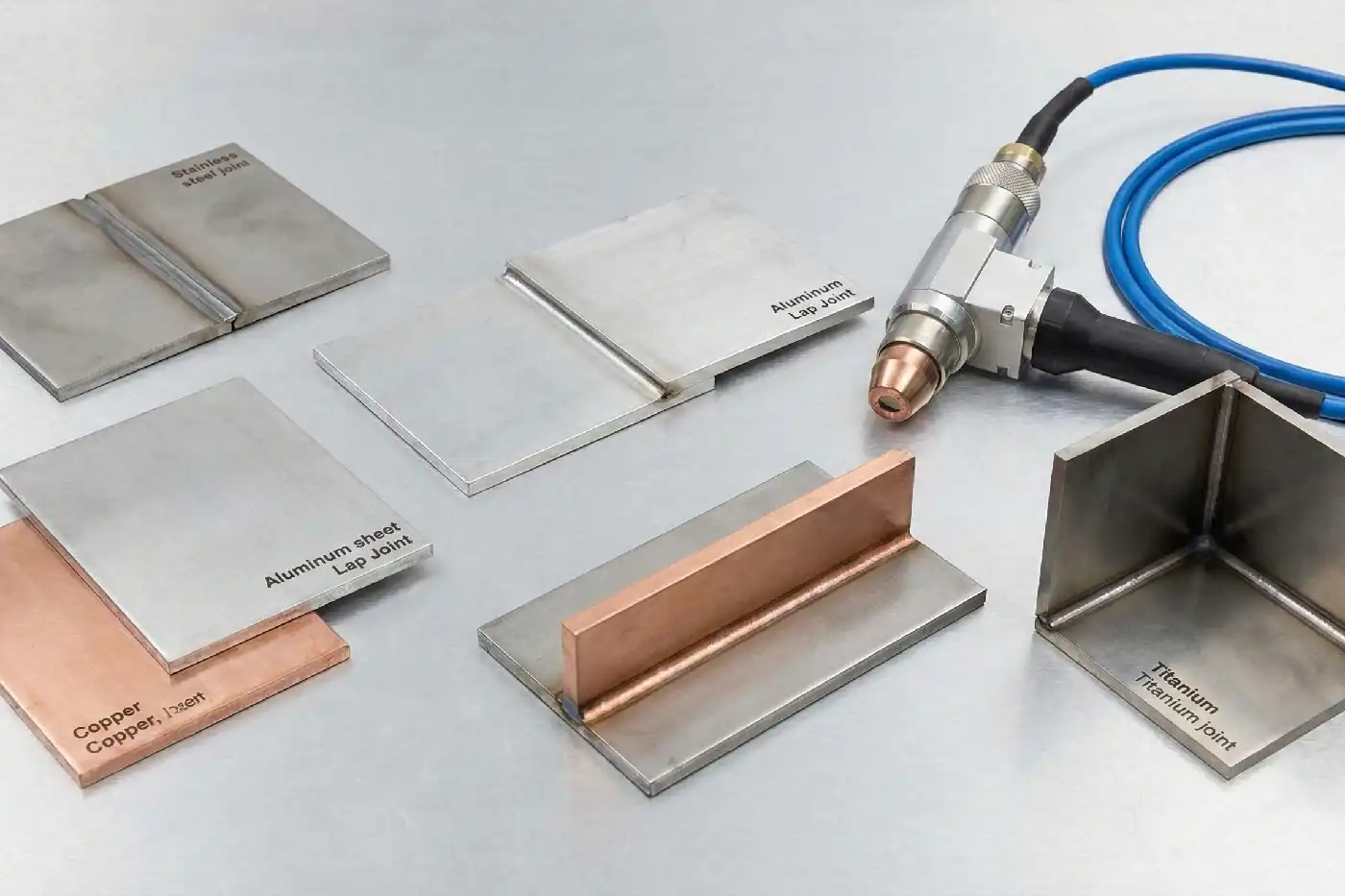
You can use laser welding cold welding technology on many metals. Aluminum and copper work well because they have clean surfaces and bond easily. Stainless steel and titanium also join with this method. You may want to use high-strength alloys, but these metals need careful control. If you use high-strength aluminum alloys, you may see cracks that run across the weld. These cracks are different from the ones you find in other welding methods. You must watch for defects like porosity and cracking. Uneven heating and cooling can cause cold cracking. Low fracture toughness and low load carrying capacity can be problems if you do not set the right welding parameters.
- Aluminum
- Copper
- Stainless steel
- Titanium
- High-strength low-alloy steel (with special care)
Tip: Always clean the metal surfaces before welding. Dirt or oxide can stop the bond from forming.
Dissimilar Metal Welding
You can join different metals with laser welding cold welding technology. This method works well when you need to connect aluminum to copper or stainless steel to titanium. You must control the heat input and cooling rate. If you do not, you may see defects like cracks or weak joints. You should test the welds before using them in important projects. Some metals need special settings to avoid problems.
- Aluminum to copper
- Stainless steel to titanium
- Copper to nickel
Joint Types
You can use several joint types with this technology. Butt joints are common because they give a strong bond. Lap joints work well for thin sheets. You may use edge joints for small parts. T-joints and corner joints are possible, but you need to make sure the surfaces are clean and flat.
| Joint Type | Description | Best Use Case |
|---|---|---|
| Butt Joint | Two pieces joined end to end | Pipes, rods, flat sheets |
| Lap Joint | One piece overlaps another | Thin sheets, foils |
| Edge Joint | Edges of two pieces joined | Small or delicate parts |
| T-Joint | One piece joins at a right angle | Frames, supports |
| Corner Joint | Pieces meet at a corner | Boxes, enclosures |
Note: You should choose the joint type based on the shape and thickness of your materials.
Advantages and Disadvantages
Benefits
Laser welding cold welding technology has many good points for joining metals. You can control the welding process very well. The laser makes a small heat-affected zone. This means your parts do not bend or change shape. You can weld tiny and fragile pieces with great accuracy. This method works for both ferrous and non-ferrous metals. It joins stainless steel, titanium, aluminum, and even precious metals.
- You see less bending and damage because the heat is low.
- Welded joints are strong in pull tests, often stronger than resistance welding.
- You can use this for micro-welding, which is hard with old methods.
- The process works for many types of metals.
- Clean, oxide-free surfaces help you get better welds.
- Laser cleaning puts energy in the right spot, which helps with conductive metals.
Tip: Always clean the metal before welding. This step helps stop problems like holes or trapped stuff.
Drawbacks
You should know the downsides before picking laser welding cold welding technology. Some problems can affect your work.
| Drawback | Description |
|---|---|
| Limited penetration depth | You can weld up to 6mm thick metal. Thicker pieces do not work well with this method. |
| Safety concerns | You must wear safety gear to protect your eyes and skin. Safety rules are strict. |
| Complex maintenance | You need to check and clean the laser often. This can make labor costs go up. |
| High initial costs | The machines cost more than old welding tools. Small shops may have trouble buying them. |
| Heat-affected zones (HAZ) | The area near the weld can get weaker or change because of heat. |
| Limited efficacy on thick materials | You cannot use this for heavy or thick metal jobs. |
| Operator skill requirements | You need trained workers to use the machines. Training can cost a lot. |
| Tolerances and fit-up | You must line up parts well and keep gaps small. This can make building things harder. |
Note: How thick the metal is changes how well the laser works. Thicker metals need more power and slower speeds.
Comparison with Traditional Welding
You might wonder how laser welding cold welding technology stacks up against older ways. The differences help you pick what fits your needs.
| Aspect | Laser Welding Cold Welding Technology | Traditional Welding Methods |
|---|---|---|
| Precision | High, good for small parts | Lower, hard for tiny welds |
| Heat-Affected Zone | Small, less bending | Big, more warping and color change |
| Mechanical Strength | Same or better than the base metal | Strong, but can bend parts |
| Surface Preparation | Needs very clean, oxide-free surfaces | Not as strict, but cleaning helps |
| Material Thickness | Best for thin to medium metals | Works for thin and thick metals |
| Energy Efficiency | Lower, needs more energy for melting | Higher, uses old ways |
| Cost | High starting price | Cheaper equipment |
| Operator Skill | Needs skilled workers | Easier for new workers |
- Laser welding cold welding technology gives strong welds with less heat and more control.
- Old welding works better for thick metals and costs less at first.
- You need to match the method to your project, metal, and money.
Tip: Welded samples often break away from the weld, showing the weld is strong. The weld bead can be harder, but the area around it may get softer.
Applications of Laser Welding Cold Welding Technology
Industrial Uses
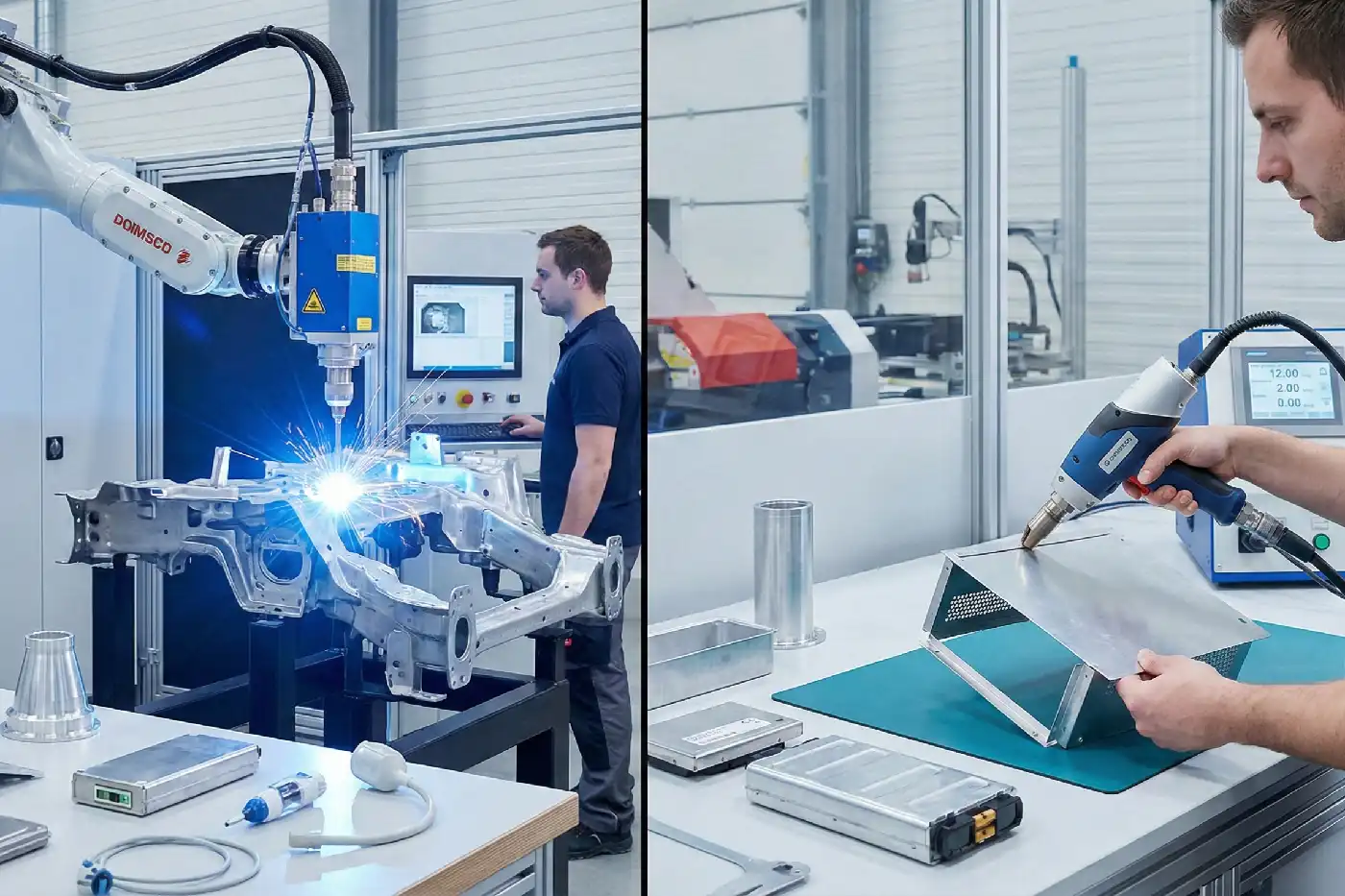
Laser welding cold welding technology is used in many industries. It helps make strong and exact joints. This method works well for joining different metals. It is good for delicate parts too. Factories use it to make products with clean welds.
- You can join metals like aluminum, copper, and stainless steel. These metals are used for machines and tools.
- Manufacturers use this technology to build medical devices. Clean welds are important for safety in these devices.
- The technology helps make sensors and measuring tools. These need tight seals to work well.
Note: You can fix worn parts with this method. It rebuilds edges or fills gaps. This saves time and money.
Automotive and Aerospace
The automotive industry uses laser welding cold welding technology a lot. It is popular in making electric vehicles and batteries. High production and new manufacturing needs help this trend grow.
- Car makers use it to join battery cells and light frames. They also use it for electrical contacts.
- Asia Pacific has almost half of the global market. The market keeps growing there.
- North America and Europe use this technology too. It is used for high-end cars.
Aerospace companies use this technology for building and fixing parts. Precise welds are needed for space travel and launches.
- NASA and other groups use it for spacecraft parts.
- You can restore titanium parts with the right laser settings. This brings back their strength.
- The laser can rebuild worn edges and missing shapes. This is important for aircraft safety.
Electronics and Precision Work
Laser welding cold welding technology helps make smaller electronics. You can create tiny joints that are strong. Sensitive parts do not get damaged.
- The process makes strong joints with little heat. This helps make smaller circuits.
- You get exact energy delivery. Delicate parts stay safe.
- Modern systems can place parts within ±2μm. They work fast and help make more products.
- Careful control and cleaning make microelectronic devices last longer.
Tip: Always clean surfaces and set the laser right. This gives the best results for electronics.
Laser welding cold welding technology helps you make strong joints. It uses less heat and does not waste much material. You can use it on metals like stainless steel, aluminum, and copper. When you choose this method, think about a few things. Check the type of metal and how thick it is. Decide how exact you need the welds to be. Look at the joint design and how the parts fit together.
- Material type and thickness
- Precision needs
- Joint design and fit-up
| Aspect | Traditional Welding | Laser Welding |
|---|---|---|
| Energy Use | High | Low |
| Emissions | More | Less |
| Material Waste | Higher | Lower |
If your project is tricky or special, ask an expert or learn more.
FAQ
What makes laser welding cold welding technology different from regular welding?
You use less heat with laser welding cold welding technology. The process keeps parts from warping. You get cleaner and more precise welds. Regular welding uses more heat and can change the shape of your parts.
What metals work best with this technology?
You can use aluminum, copper, stainless steel, and titanium. These metals bond well when you clean them first. High-strength alloys also work, but you must control the process carefully.
What should you do before starting a weld?
You should always clean the metal surfaces. Remove dirt, oil, and oxides. This step helps you get a strong bond. Dirty surfaces can stop the weld from forming.
What safety steps do you need to follow?
You must wear safety glasses and gloves. The laser can hurt your eyes and skin. Always follow safety rules in your workspace.
What happens if you try to weld thick metals?
You may not get a strong weld. This technology works best for thin to medium metals. Thick metals need more power and slower speeds, which can cause problems.
Formula for calculating the cost of laser welding processing
How to Calculate Your Labor Cost Savings from Laser Welding