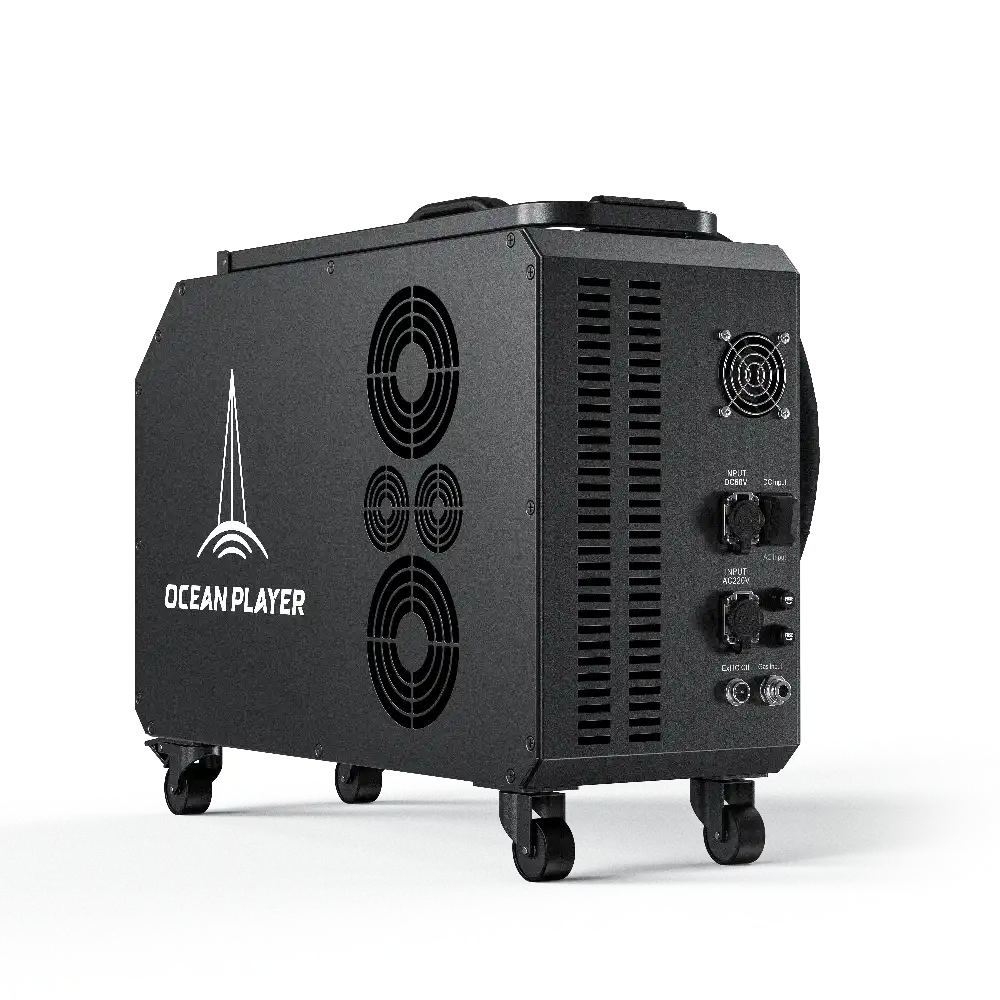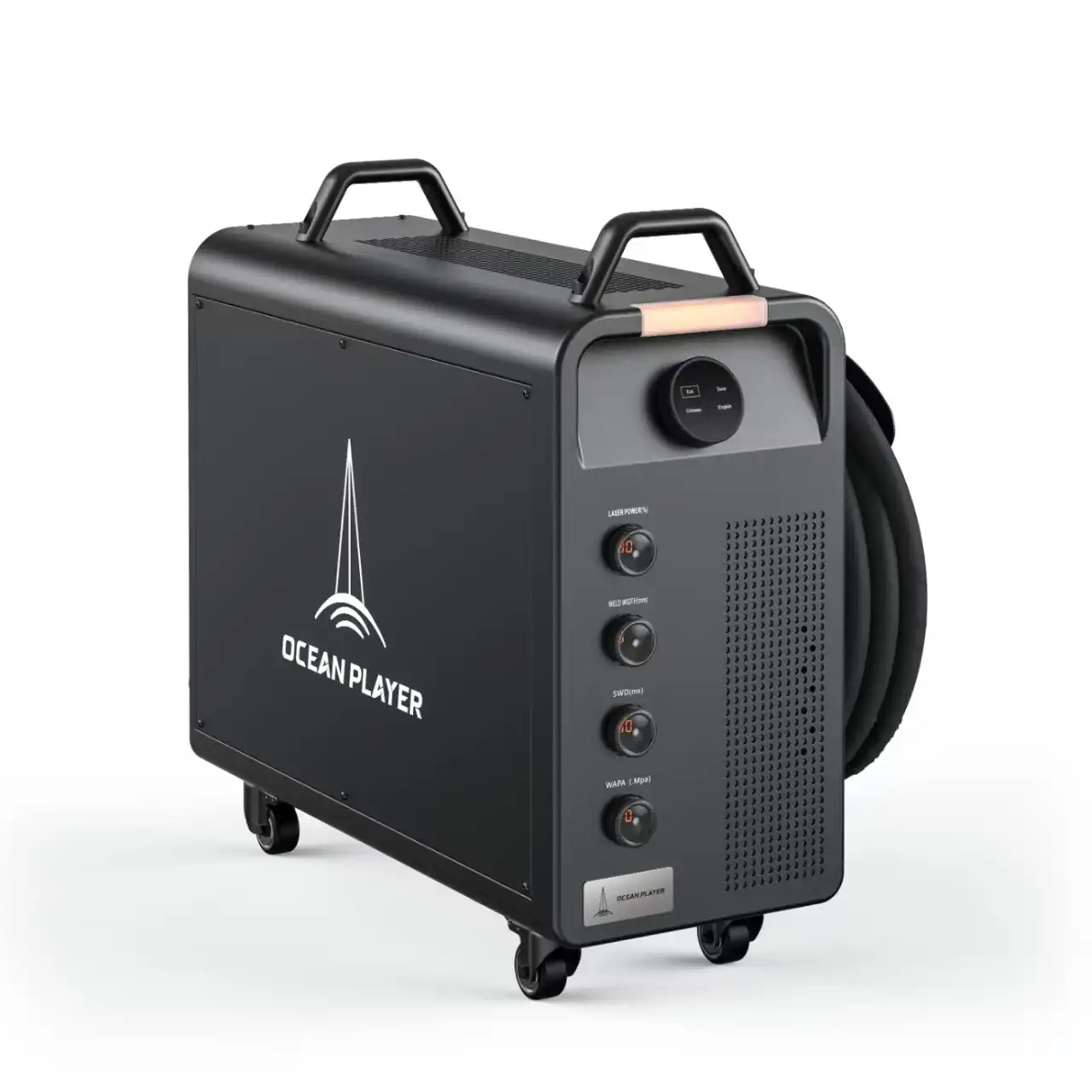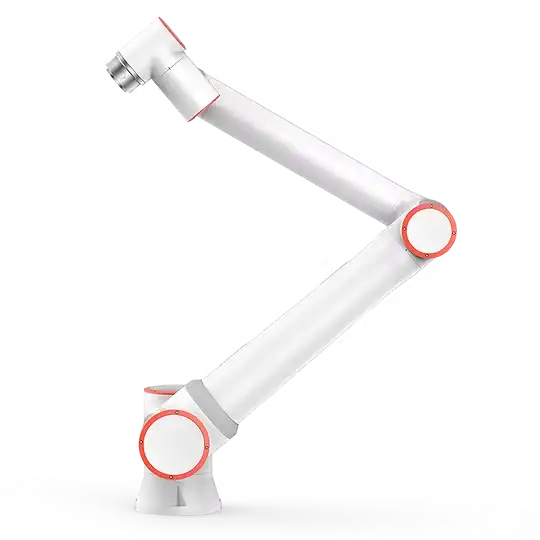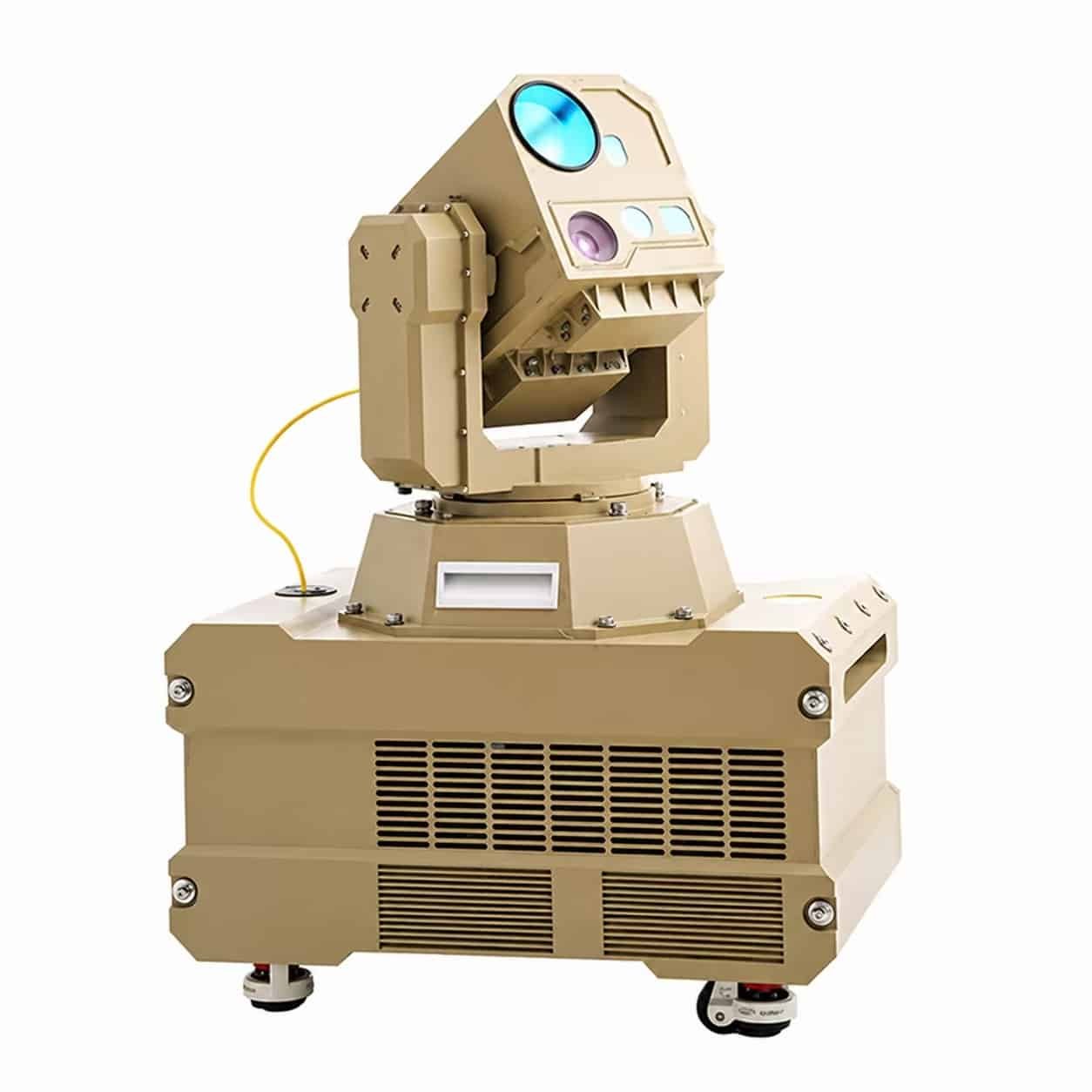
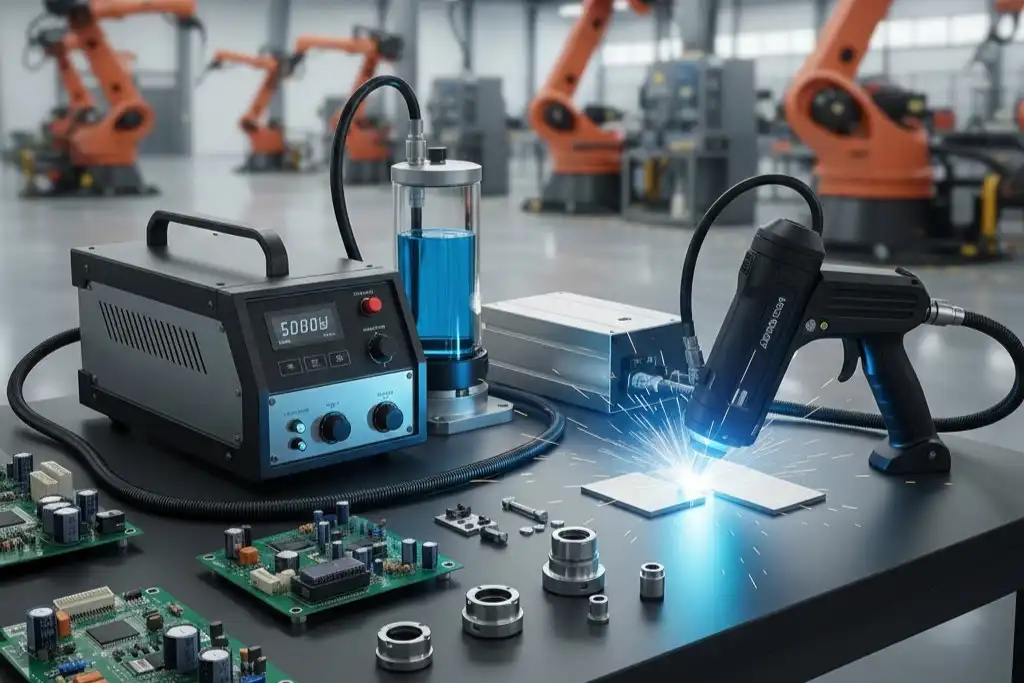
Laser welding machines consist of various components, including the laser source, beam delivery system, welding head, control system, cooling system, shielding gas supply, and safety enclosures. Each of these laser welding machine components plays a crucial role in producing strong and precise welds. Fiber laser welding machines are particularly noteworthy due to their high beam quality and efficient energy usage. They are capable of welding metals such as aluminum and copper. Additionally, you can incorporate extra features into the laser welding machine components if needed, such as wire feeders or monitoring systems, to better tailor the machine to your specific requirements.
Key Takeaways
- Laser welding machines have important parts. These are the laser source, beam delivery system, welding head, control system, and cooling system. Each part helps make strong welds.
- The laser source is very important. It makes the laser beam for welding. Picking the right type and power of laser source is needed for good welding.
- The beam delivery system keeps the laser beam focused and steady. This changes how good the weld is. It also helps the energy reach the metal well.
- Shielding gas is needed. It keeps the weld safe from air and dirt. This makes the weld clean and strong. Different gases can make the weld better.
- Safety enclosures are needed. They keep users safe from laser light. They help make the work area safe. Always follow safety rules.
Laser Welding Machine Components
Laser welding machines have several main parts. These parts work together to make strong and accurate welds. The main parts are the laser source, beam delivery system, welding head, control system, and cooling system. Each part has its own job in the welding process. Knowing how these parts work together helps you use your machine better.
The way the laser beam hits the metal is very important. This helps make the weld strong. If you know the science behind this, you can control the weld better. The filler wire also matters when it meets the laser beam. This is especially true for jobs like welding low alloyed steel.
Here is a table that lists the main parts and what they do:
| Component | Function |
|---|---|
| Laser Source | Changes electrical energy into laser light and sends it to the beam delivery system. |
| Beam Delivery System | Moves the laser beam from the source to the welding head and keeps it focused and steady. |
| Welding Head | Focuses the laser beam on the metal and controls the weld. |
| Control System | Sets and changes how the welding works, depending on the material and what you want. |
| Cooling System | Stops the machine from getting too hot and keeps it working well. |
These parts are found in almost every laser welding machine. You will see them in most setups. Next, you will learn more about each part and why it is important for your welding work.
Laser Source
The laser source is the main part of the machine. It makes the laser beam that does the welding. There are different types of laser sources. Each type has its own good points. Here is a table that shows the most common types and what they are used for:
| Laser Type | Wavelength | Efficiency | Application | Typical Mode |
|---|---|---|---|---|
| Fiber Laser | ~1060 nm | High | Metals (SS, CS, Al) | Continuous Wave |
| CO₂ Laser | 10.6 µm | Medium | Plastics, thin metals | Pulsed or CW |
| Nd:YAG Laser | 1064 nm | High | Precision welding | Pulsed (mainly) |
| Diode Laser | 808–980 nm | Very High | Plastics, low-temp metal | Continuous Wave |
Most new machines use fiber lasers. These work well with metals like stainless steel and aluminum. The power of the laser source is also important. Here is a quick guide:
| Power Output | Suitable Applications |
|---|---|
| 1000W | Thin plates (up to ~3 mm), good for small metal work, electronics, and decorations. |
| 1500W | Medium plates (up to ~5 mm), a mix of power and accuracy. |
| 2000W+ | For big jobs that need deep welds and fast work, like car frames or big machines. |
When you pick a laser source, think about what you want to weld and how thick it is. The right laser source will help you make clean and strong welds.
Beam Delivery System
The beam delivery system moves the laser beam to the welding head. This part keeps the beam steady and focused. There are different ways to deliver the beam:
| Method | Description |
|---|---|
| Fiber Optics | Moves the laser beam from the source in a flexible way. |
| Mirrors | Direct the laser beam and help save energy. |
| Lenses | Help focus the beam for accurate welding. |
The way you deliver the beam changes how well the energy gets to the metal. Fiber optics are common because they are easy to use and work well. Mirrors and lenses help make the beam sharp for good welds. The quality of this part can change the shape and depth of your welds. It also affects how much energy the metal takes in.
| Aspect | Description |
|---|---|
| Beam Delivery System | Changes how well the laser beam is focused and how much energy the metal gets. |
| Variations in Configuration | Different setups can change how the weld forms and how good the joint is. |
| Material Reflectivity | Some metals like aluminum and copper reflect the laser, making welding harder. |
Welding Head
The welding head is where the laser beam hits the metal. This part focuses the beam and controls the weld. The design of the welding head can change how well the machine works. Here are some important features:
- Laser focusing and introduction unit: Changes the focus and distance for the right spot size.
- Shielding gas introduction and distribution unit: Makes sure gas covers the weld to protect it.
- Cooling system: Keeps the welding head cool.
- Lens protection system: Stops dust from hurting the lens.
- Gas flow geometry: Helps the gas cover the weld area and stops rust.
Some welding heads can be changed for different jobs. You can use special lenses to keep the laser spot in focus over a big area. This helps you get even welds every time.
Control System
The control system is like the brain of the machine. It lets you set and change how the welding works. You can change things like power, speed, and focus. Modern control systems often have:
| Component Type | Role in Automation |
|---|---|
| Laser Beam | Joins materials in a controlled way without touching. |
| Monitoring Systems | Use sensors and cameras to check weld quality and find problems. |
| Vision Systems | Check if parts are lined up and move the laser if needed. |
| Software and Feedback | Connects all parts for good welds, even in big factories. |
You will also find easy-to-use features like remote control and special screens. These let you program the machine and watch the weld safely.
| Feature | Description |
|---|---|
| Remote Control | Lets you use the machine from far away, making it safer. |
| Human-Machine Interface (HMI) | The software and controls that help you set up and watch the welding. |
A good control system helps you automate welding and make better welds. It also makes the machine safer and easier to use.
Cooling System
The cooling system stops the machine from getting too hot. This is important because high heat can break the laser source and other parts. There are different ways to cool the machine:
| Cooling Method | Description | Ideal Use Case |
|---|---|---|
| Air Cooling | Uses fans to move air and cool the machine. | Lasers under 1,000W in cool places |
| Water Cooling | Moves cold water through the machine to take away heat. | Medium to high-power lasers |
| Industrial Chillers | Gives very good temperature control for big jobs. | Big factories with high-power lasers |
Water cooling is best for strong lasers. It keeps the temperature steady and helps the machine last longer. Air cooling is simple and works for small machines. Industrial chillers are used in big factories for the best control.
Water cooling works very well for strong lasers. It moves cold water to important parts and stops them from getting too hot. This keeps the welds good and helps the machine last longer.
When you know how each part works, you can pick the right machine for your job. You can also keep your machine working safely and smoothly.
Shielding Gas and Safety
Shielding Gas Supply
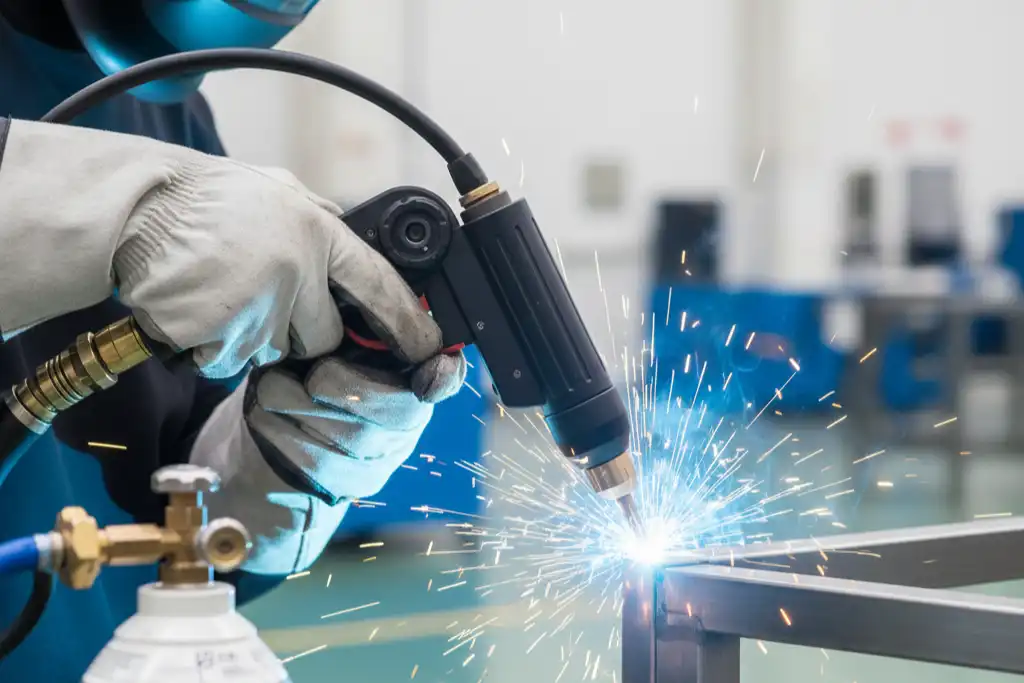
Shielding gas protects the weld from air and dirt. The right gas keeps the weld clean and strong. Each gas can change how good the weld is. Here is a table to help you pick:
| Gas Type | Properties | Effects on Weld Quality |
|---|---|---|
| Argon | Inert, affordable | Keeps weld smooth and spatter-free, but poor heat conduction |
| Helium | More expensive, better for high-power welding | Produces minimal plasma absorption, ideal for thick materials |
| Nitrogen | Not inert, enhances penetration | Can strengthen weld but may make it brittle if not used carefully |
Argon is good for most welding jobs. Helium is better for thick metal or deep welds. Nitrogen can make welds stronger, but you need to be careful.
The shielding gas makes a safe bubble around the hot weld. This bubble keeps out oxygen, nitrogen, and other things that can hurt the weld. The weld stays clean and strong. This helps the two pieces of metal stick together better.
You also need to control how the gas moves. Here are some ways to give shielding gas:
- Coaxial Nozzle: Puts gas all around the laser beam for deep welds.
- Side Jet or Cross-Jet: Blows gas from the side to keep the weld area clean.
- Trailing Shield Shoe: Covers the weld after the laser to stop rust.
- Double Shield: Uses two gas streams for extra safety.
How fast the gas moves is important, too. Here is a quick chart:
| Shielding Gas | Recommended Flow Rate (liters per minute) |
|---|---|
| Helium | 20–40 |
| Argon | 12–25 |
| Nitrogen | 15–25 |
| Helium + Argon | 20–35 |
If you use the right speed, you get a better weld and do not waste gas.
Safety Enclosures
You need to stay safe from laser light. Safety enclosures keep the laser inside the work area. They also help you follow safety rules. Here are some things you will see in a good safety enclosure:
| Design Feature | Description |
|---|---|
| Warning Signs | Show dangers and tell you what to do, like Laser Radiation Warning Signs. |
| Safety Interlocks | Turn off the laser if the door opens. |
| Fume Extraction | Takes away bad fumes and cleans the air with HEPA filters. |
| Shielding | Stops extra laser light with curtains or walls. |
| Worker Monitoring | Lets you watch workers with cameras. |
| Intercom Systems | Lets people talk inside and outside the enclosure. |
You must also follow the law. In the United States, enclosures must meet ANSI Z136.1 and OSHA rules. These rules help keep everyone safe when using laser welding machine components.
Optional and Advanced Features
Wire Feeder
A wire feeder adds filler material during welding. It pushes wire into the weld area by itself. This makes welding faster and more exact. You can change how fast and hard the wire moves. This helps you do different welding jobs. The wire feeder keeps the wire moving smoothly. This means you make fewer mistakes.
| Function | Description |
|---|---|
| Wire Feeding | Pushes welding wire into the weld area for steady work. |
| Speed Control | Changes wire speed and pressure for each job. |
| Quality Assurance | Keeps wire moving right, so welds are better and mistakes are fewer. |
You can use one wire or two wires. One wire is good for easy jobs. Two wires help with hard or thick jobs.
Tip: A wire feeder helps fill spaces, stop cracks, and make welds stronger.
Monitoring Systems
Monitoring systems let you watch welding as it happens. They use sensors and cameras to check the weld. You can see problems like bad welds right away. Some systems use special sensors for light and heat. This helps you keep welds good and avoid mistakes.
- Sensors watch the weld pool and find problems like wire jams.
- Real-time data helps you fix things fast and save material.
- Monitoring systems help you make every weld safe and strong.
Automation Features
Automation features make welding easier and faster. You can connect the machine to robots or other systems. Robots move the laser very accurately. This gives you neat and even welds every time. Automation means you need fewer workers.
- Automated systems load, weld, and check the work.
- Robots use vision systems to put the laser in the right place.
- You can do more welds in less time and get more done.
Advanced Safety Features
Advanced safety features keep you and others safe. These features stop the laser if something is wrong. Some machines have interlock systems that turn off the laser if the cover opens. Emergency stop buttons let you turn off the machine fast. Some machines use special goggles to protect your eyes.
| Safety Feature | Description |
|---|---|
| Laser Interlock Systems | Turns off the laser if the cover opens or something is unsafe. |
| Emergency Stop Buttons | Lets you stop the machine quickly in an emergency. |
| Auto-dimming Protective Goggles | Keeps your eyes safe from laser light while you work. |
| Access-Controlled Interfaces | Only trained people can use the machine. |
Remember: Advanced safety features help stop accidents and keep your workspace safe.
If you know what each part does, you can use the laser welding machine better and safer. Every part has its own job to help make good welds. The table below shows what each part does to help you get strong and clean welds:
| Component | Role in Welding |
|---|---|
| Laser Source | Gives the power for welding. |
| Beam Delivery System | Focuses and guides the laser beam. |
| Motion Control System | Moves the laser or metal for accurate welds. |
| Shielding Gas Supply | Keeps the weld clean and free from rust. |
| Cooling System | Stops the machine from overheating. |
| Safety Enclosures | Protects you from harm. |
Extra features like wire feeders or monitoring systems can help you work faster and safer. If you set up your machine the right way, you save time and materials. You also get better welds each time.
FAQ
What is the most important part of a laser welding machine?
The laser source is the most important part. You need it to create the laser beam that melts and joins the metal. Without a good laser source, you cannot make strong welds.
How does the cooling system help the machine?
The cooling system keeps the machine from overheating. You need it to protect the laser source and other parts. A good cooling system helps your machine last longer and work better.
Can you weld all metals with a laser welding machine?
You can weld many metals, like stainless steel, aluminum, and copper. Some metals, such as highly reflective ones, need special settings or lasers. Always check your machine’s manual for the best results.
Why do you need shielding gas during laser welding?
Shielding gas protects the weld from air and dirt. You need it to keep the weld clean and strong. Without shielding gas, the weld can become weak or rusty.
Are safety enclosures required for all laser welding machines?
Yes, you need safety enclosures to protect yourself from laser light and fumes. Safety enclosures help you follow safety rules and keep your workspace safe.
What tests are required for laser welding seams
Are Smoke and Dust Unavoidable in Laser Welding