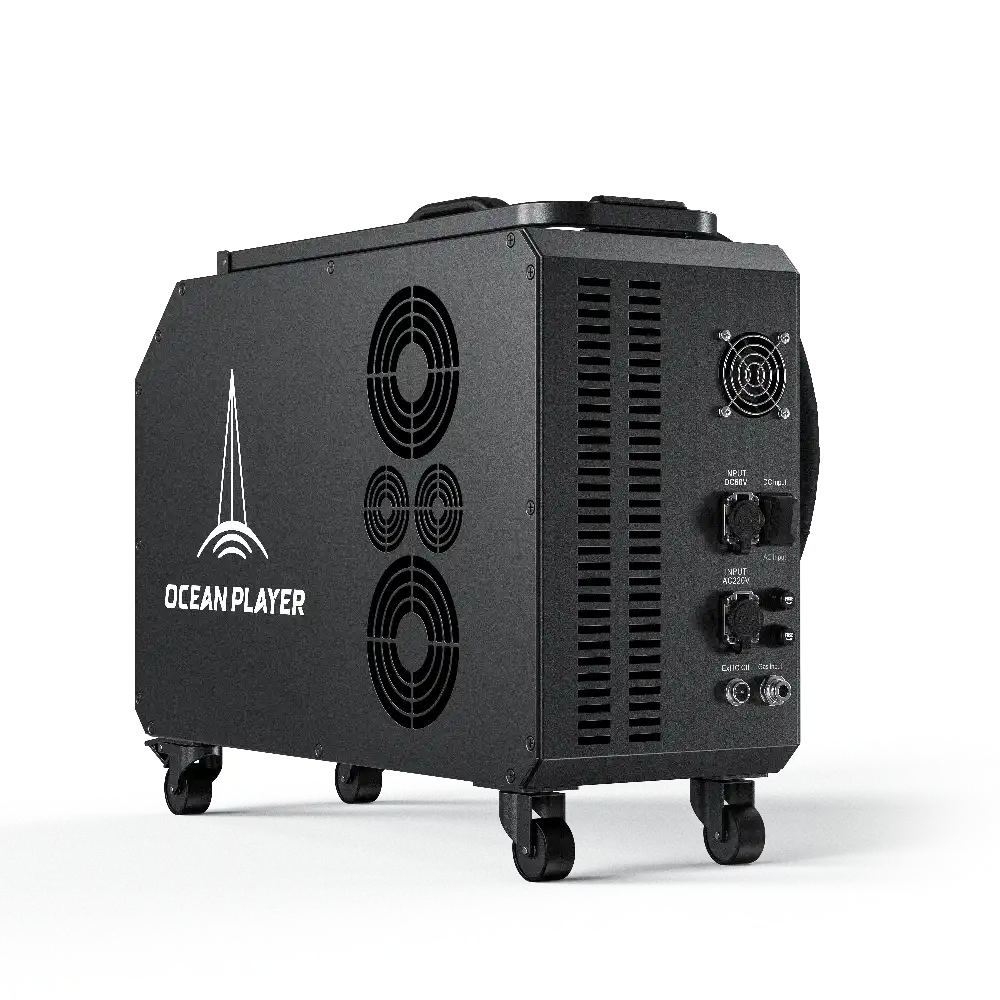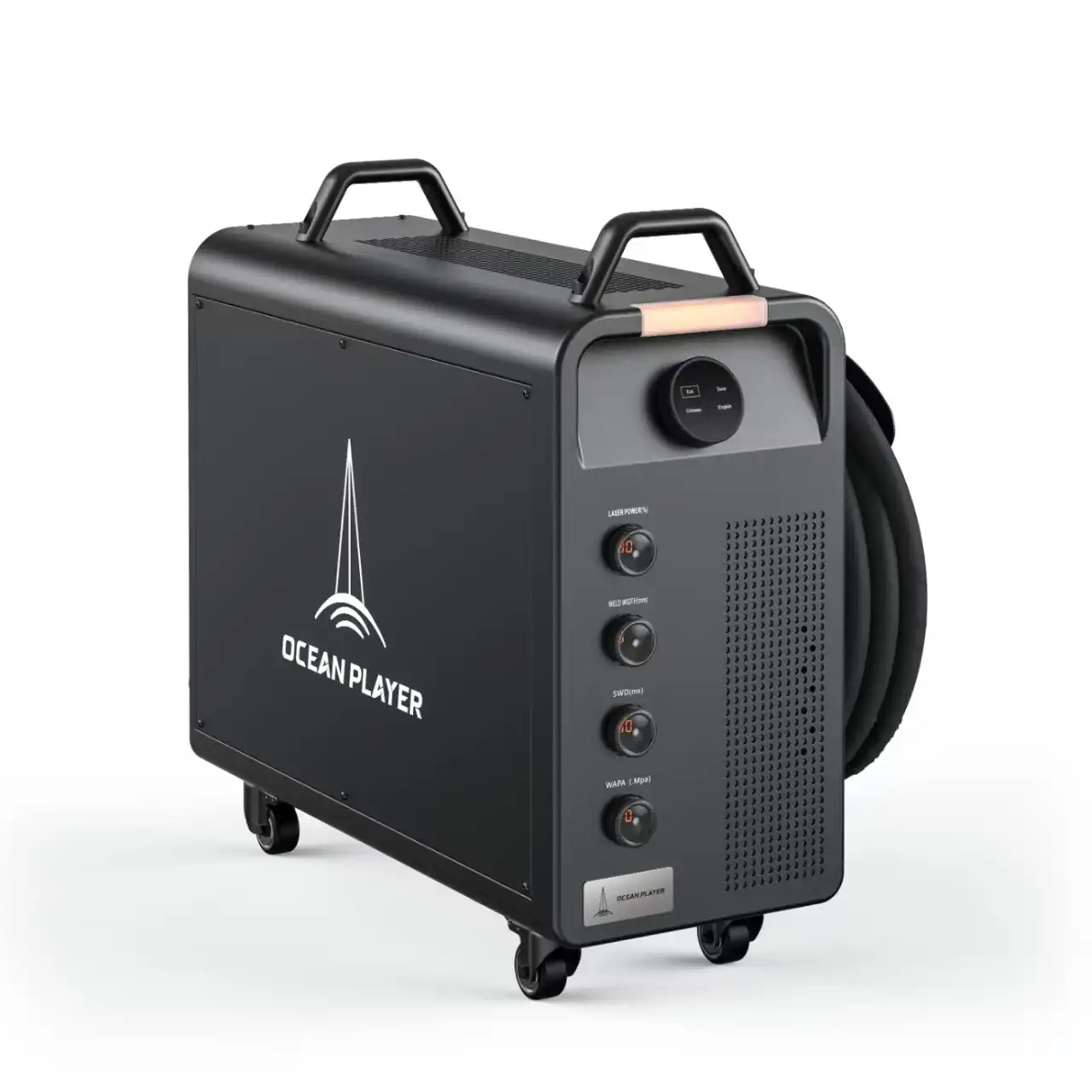
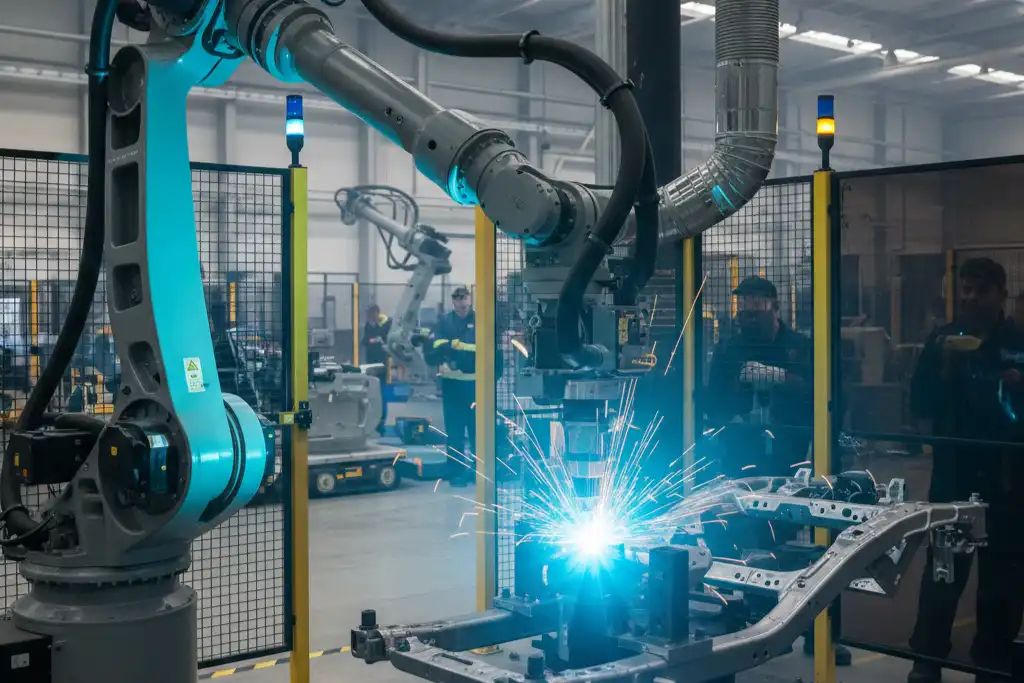
Wobble laser welding moves the laser beam in a special way. The laser follows a set pattern by shaking back and forth. This spreads heat over a bigger area. It helps make a larger weld pool and gives better welds. You can fix fit-up gaps more easily with this method. The shaking changes how the laser power hits the metal. This lets you weld thicker pieces and have fewer mistakes. Almost 30% of weld problems come from bad fit-up. Wobble welding helps stop these problems. Swing laser welding also uses movement to make welds better.
Key Takeaways
- Wobble laser welding uses a shaking motion to spread heat. This makes welds stronger and wider.
- This method fills fit-up gaps well. It helps connect metal pieces better. The pieces do not need to line up perfectly.
- Wobble laser welding lowers problems like cracks and holes. This makes welds better and more reliable.
- It works on many kinds of metals. This is good for car, plane, and electronics industries.
- Picking wobble laser welding instead of old ways saves time. It also means less cleaning after welding.
Wobble Laser Welding Basics
How Oscillation Works
Wobble laser welding uses a special movement called oscillation. The laser beam moves in a set pattern. It shakes back and forth over the metal. This helps spread heat over a bigger area. The laser does not stay in one place. It follows a path that covers more of the joint. This makes a bigger molten pool. The metals mix together better.
Tip: Oscillation lets you control the heat and how the metal melts. You can stop problems like overheating or burning holes in the metal.
Here is a table that shows the main ideas behind controlled oscillation in wobble laser welding:
| Core Principle | Description |
|---|---|
| Dynamic Energy Distribution | The moving laser beam changes how heat spreads in the molten pool. |
| Periodic Thermal Input | The energy comes in cycles, so heating is smoother and easier to control. |
| Enhanced Molten Pool Flow | The extra movement helps mix the metals, which is good for joining different metals. |
| Controlled Solidification | Slower cooling stops problems like spatter and bubbles, so the weld is better. |
When you use wobble laser welding, the oscillation stirs the molten pool. This spreads the heat more evenly. You get deeper welds and a wider seam. The welds are stronger and have fewer problems.
Bridging Fit-up Gaps
Fit-up gaps happen when two metal pieces do not touch just right. These gaps are common in factories. Wobble laser welding helps fill these spaces. The laser beam moves in a circle or spiral. This lets the laser cover more area and fill the gaps.
- Wobble laser welding can handle bigger gaps than regular laser welding.
- If you use more laser energy or scan the beam more, the seam gets thicker and wider. This makes the weld stronger.
- The spiral movement makes the beam travel farther, which helps the weld quality.
Wobble laser welding makes the weld seam wider than normal laser welding. The laser beam moves along a set path, so it covers more space. This helps join the metals better. You see fewer problems and stronger welds.
Swing laser welding also uses movement to help welds, but wobble laser welding gives you more control. You can pick the pattern and speed to fit your job.
Key Features and Benefits
Improved Weld Quality
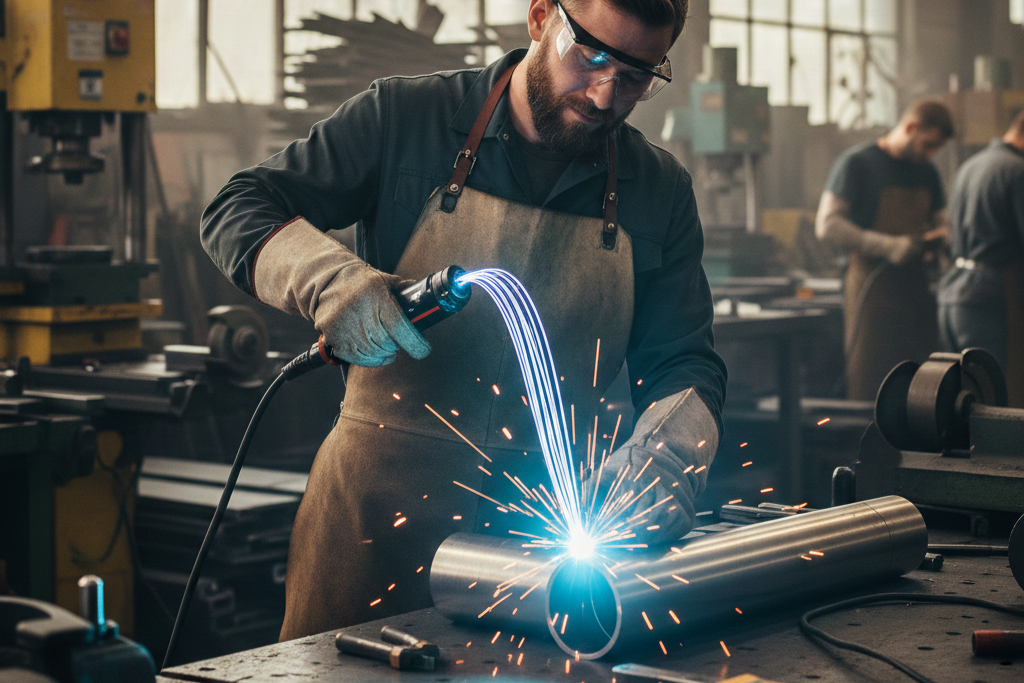
Wobble laser welding makes welds better. The laser moves in special patterns. This makes the weld wider and smoother. It helps stop cracks and weak spots. You can see this in the table below:
| Feature | Contribution to Weld Quality |
|---|---|
| Oscillation Patterns | Makes welds wider and more even. |
| High-Quality Welds | Stops cracks and holes, making welds stronger. |
| Excellent Gap Tolerance | Works well even if parts do not line up. |
| Consistent Results | Gives even welds with fewer mistakes. |
Swing laser welding also uses movement to help welds. But wobble laser welding lets you pick the pattern and speed.
Heat Control and Reduced Porosity
Wobble laser welding lets you control heat better. The laser spreads heat so the metal does not burn. It keeps the molten pool steady. This means fewer bubbles and less porosity. The table below shows how it helps:
| Key Findings | Description |
|---|---|
| Stabilization of molten pool | Wobble laser welding keeps the molten pool steady and stops bubbles. |
| Dynamic behavior | The method changes how the molten pool and keyhole act, making welds better. |
| Grain refinement | Fine grains form at the weld edge, which lowers porosity. |
Swing laser welding can help with heat too. But wobble laser welding makes it easier to get fine grains and clean welds.
Efficiency in Gap Bridging
Wobble laser welding can fill bigger gaps. The laser covers more space and fills up to 0.5mm gaps. You do not need to change your parts from MIG or MAG welding. Here are some main points:
- Wobble laser welding fills bigger gaps than old ways.
- You can use it in car factories for many parts.
- Slower speeds help stop seam collapse and undercut.
- Wobble welding works better than static welding for different thicknesses and flaws.
Swing laser welding helps with gaps too. But wobble laser welding gives you more choices and better welds.
Swing Laser Welding vs. Wobble Welding
Technology Comparison
You may wonder how swing laser welding is different from wobble welding. Both use movement to make welds better, but they move the laser in different ways. Swing laser welding moves the beam back and forth in a straight line. Wobble welding moves the beam in shapes like circles or spirals. This changes how heat spreads and how gaps get filled.
Here is a table that shows how single-wobble and double-wobble fiber laser welders are different:
| Feature | Single-Wobble Fiber Laser Welder | Double-Wobble Fiber Laser Welder |
|---|---|---|
| Motion Pattern | Oscillates in a single direction | Oscillates in two perpendicular directions |
| Heat Distribution | Spreads heat evenly across the weld seam | Provides enhanced control over heat |
| Applications | Good for thin materials and precision work | Works for many materials and thicknesses |
| Heat-Affected Zone (HAZ) | Larger HAZ | Smaller HAZ, better for sensitive metals |
| Weld Quality | Makes consistent weld beads | Improves bead shape and lowers porosity |
Double-wobble welders let you control the weld more. They help you work with more types of metal. Swing laser welding is good for easy jobs, but wobble welding gives you more choices.
Note: Wobble welding can make the weld seam wider and stronger. It works well when you need to fill gaps or join thick parts.
Application Differences
Swing laser welding is used for quick, straight welds. It works best on thin metal and small pieces. You might use it for electronics or tiny metal parts. Wobble welding is better for filling gaps or joining thick metal. It is used in car factories, planes, and custom metal work.
- Swing laser welding is good for:
- Thin sheets
- Small, simple welds
- Fast production
- Wobble welding is good for:
- Filling fit-up gaps
- Welding thick or mixed metals
- Jobs that need strong, wide seams
Pick your welding method based on your job. Wobble welding gives you more control and better welds for hard jobs. Swing laser welding is fast and easy for simple work.
Applications
Automotive Uses
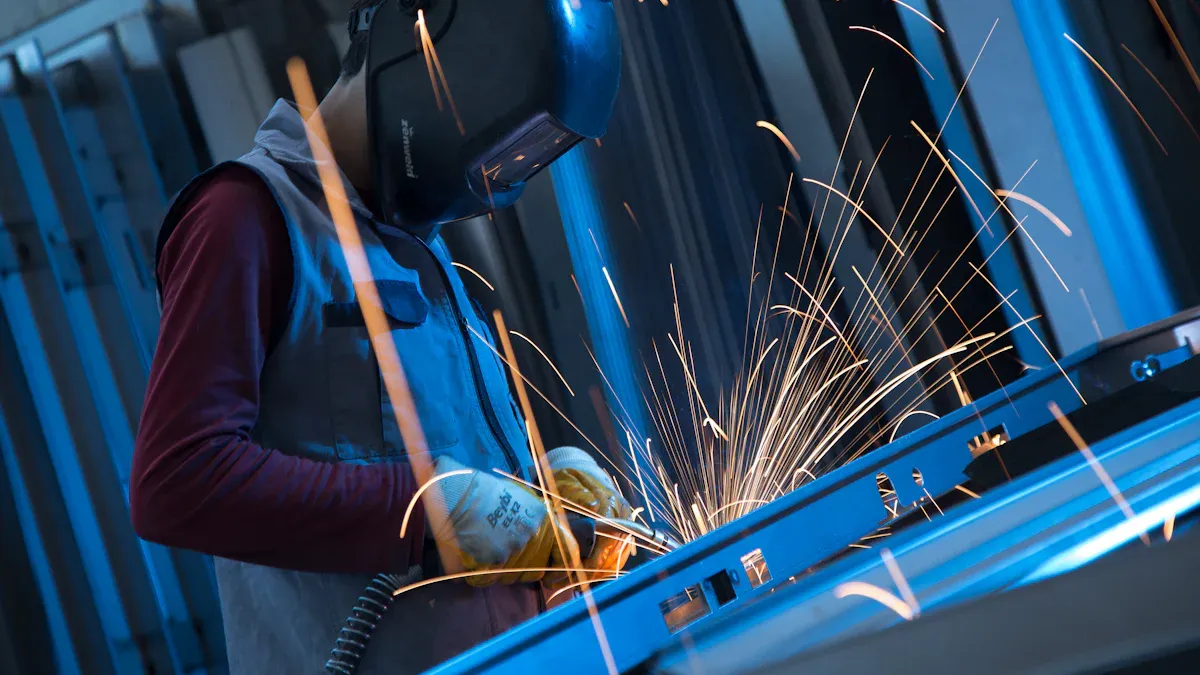
Wobble laser welding is used a lot in making cars. This technology helps fix problems with battery packs and car parts. Car companies say welds are better and there are fewer mistakes. When you use wobble laser welding, you can get:
- Yield rates that are up to 40% better than old IR lasers.
- Battery pack assembly can reach 99.2% yield because there is less spatter and porosity.
- Joints are stronger for car frames, battery tabs, and fuel cell parts.
Swing laser welding is also used in cars. But wobble laser welding lets you control gap filling and seam width more.
Aerospace and Electronics
Wobble laser welding is important in aerospace and electronics. These jobs need high precision and low heat. This method helps join thin metals and delicate parts without hurting them.
| Benefit | Description |
|---|---|
| Precision | Wobble laser welding gives high precision, which is needed for electronic parts. |
| Low Thermal Impact | The process keeps heat low, so sensitive parts stay safe. |
| Strong, Reliable Joints | It makes strong and reliable joints, which is important for battery tab welding. |
You can use this method for welding copper and aluminum. It helps with reflectivity problems and gives controlled energy. You get good electrical connections with almost no spatter.
Custom Manufacturing
Wobble laser welding helps with special jobs in custom manufacturing. You can keep welds strong, lower spatter, and get the right depth. The moving laser beam spreads heat well. This is important when you work with different materials and shapes.
Many custom projects use this technology. For example, electric car battery welding now uses wobble laser welding to get more good parts and less waste. The Eureka Project at Fraunhofer Labs shows that moving beam lasers make welding faster and more accurate for fuel cell plates. Civan Lasers and Fraunhofer Institute also use this method to weld bipolar plates faster and more exactly for clean energy engines.
You can fix fit-up gaps with wobble and swing laser welding. These ways help make welds better. They lower workpiece distortion by more than 80%. They also meet tough ISO rules for gap width. The moving beam makes grains smaller and stops pores. This gives you stronger welds. Experts say to use high-definition vision systems. Small focal spots help keep things safe and precise.
| Future Benefit | Statistic |
|---|---|
| Faster travel speed | Up to 40% |
| Less heat input | Around 30% |
| Less post-weld cleanup | About 25% |
You should use these methods for hard welding jobs. They make welds strong and clean. You can also finish your work faster.
FAQ
What is the main advantage of wobble laser welding?
You get better welds with wobble laser welding. The moving laser covers more area. This helps fill gaps and makes the weld stronger. You see fewer cracks and less porosity.
What types of materials can you weld with this method?
You can weld many metals, such as steel, aluminum, and copper. Wobble laser welding works well for both thick and thin pieces. It also helps when you join different metals together.
What makes wobble laser welding different from regular laser welding?
Wobble laser welding moves the laser in patterns like circles or spirals. Regular laser welding keeps the beam still. The movement lets you fill bigger gaps and control heat better.
What industries use wobble laser welding the most?
You find this method in car factories, aerospace, and electronics. Custom manufacturing shops also use it. These industries need strong, clean welds and often work with tricky gaps.
What should you check before using wobble laser welding?
You should check the fit-up gap size and the type of metal. Make sure the laser settings match your job. Using a vision system helps you keep the weld safe and precise.
How to train laser welding workers effectively
What You Should Know About Laser Welding Cold Welding Technology