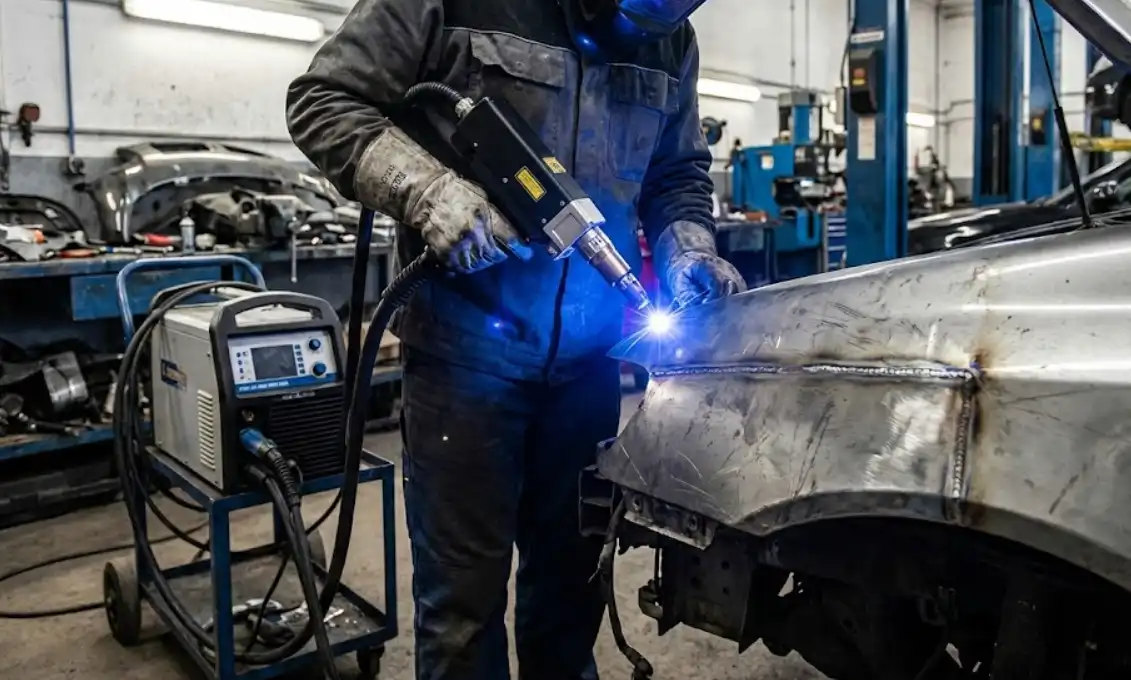
When you work on automotive sheet metal repair, you run into problems with old welding methods. These ways can make the surface look bad and cause it to bend. Laser welding is different. It lets you work very carefully, as close as 0.1mm. Old ways are not always this exact.
| Welding Method | Precision Level |
|---|---|
| Laser Welding | As small as 0.1mm |
| Traditional | High, but variable |
Think about fixing up an old car. Laser welding helps you with automotive sheet metal repair by addressing rusty spots without hurting the rest of the metal. You keep the car worth more and make it look perfect.
Key Takeaways
- Laser welding is very accurate, up to 0.1mm. It helps stop bending and keeps the sheet metal strong.
- This way is much faster than old welding. It can finish repairs in 8 minutes, not 2 hours. This helps workers get more done.
- Laser welding can be used on many metals, like steel and aluminum. This makes it good for fixing many car parts.
- Laser welding makes repairs look better. The welds are smooth and clean, which makes the car look nicer.
- Using laser welding can save money on work and energy. This makes it a smart pick for car repair shops.
Laser welding in automotive sheet metal repair
Precision and minimal distortion
You want repairs to look great and last long. Laser welding gives you more control. This tool makes a small heat-affected zone. The metal near the weld does not get too hot or change shape. You avoid warping and keep the surface flat.
Laser welding is good for thin and delicate parts. You can fix body frames, door frames, trunks, and car hoods without hurting other areas. It also works well with high-strength steel or aluminum alloys. The metal keeps its strength and looks the same.
Here is a table showing how laser welding and traditional welding affect sheet metal:
| Welding Method | Heat Input | Distortion Level |
|---|---|---|
| Laser Welding | Low | Minimal thermal distortion |
| Traditional Welding | High | Significant thermal distortion |
Laser welding helps you join different materials. You can connect lightweight structures and battery systems without cracks or weak spots. This is important for new cars that use many metals.
Tip: Try laser welding if you want to keep the car’s shape and strength, especially for thin or visible parts.
Speed and efficiency in repairs
You save time by using laser welding for automotive sheet metal repair. It is much faster than old ways like MIG or TIG welding. Laser welding can be two to ten times quicker. You finish repairs sooner and get cars back on the road faster.
| Welding Method | Speed Comparison |
|---|---|
| Laser Welding | 2 to 10 times faster than conventional methods |
| Conventional | Slower than laser welding |
Laser welding makes your work easier. You can weld from one side, which helps in tight spots. You use less material because you do not need wide flanges. It works well for multi-layer joints, so you can fix complex parts in one step.
If you use laser welding instead of resistance spot welding, the car gets stronger. Vehicle stiffness can go up by 20%. This makes the car feel safer and more solid. The better design also helps with fuel use and electric car range.
Here are some main uses for laser welding in automotive sheet metal repair:
| Application | Description |
|---|---|
| Body Frames | Precise welding of tricky parts like body frames, door frames, trunks, and car hoods. |
| Advanced Materials | Works well for high-strength steel and aluminum alloys, making narrow, deep welds. |
| Lightweight Design | Helps make light but strong cars, which improves safety and performance. |
| Battery Systems | Makes strong electrical connections without hurting fragile materials. |
| Material Bonding | Joins different materials with little bending or change. |
- Laser welding makes the car body stiffer and stronger.
- You get less heat damage, so the car keeps its shape.
- You can work faster and have more design choices.
Automotive sheet metal repair is easier, quicker, and more dependable with laser welding. You get better results and happier customers.
Laser welding capabilities
Flexible weld patterns and techniques
Laser welding lets you make many kinds of weld patterns. This makes it easy to fix different car parts. You might need a smooth weld for thin metal. For thick parts, you may need a deep weld. The table below lists some weld patterns you can use:
| Weld Pattern Type | Description |
|---|---|
| Conduction | Good for thin materials, gives a smooth weld. |
| Keyhole | Makes deep welds, best for thick materials. |
| Spot | Used for small areas, good for local welding. |
| Seam | Makes long welds, joins edges together. |
You can pick from several welding techniques. Each one changes how the weld looks and how strong it is. Here is a simple guide:
| Welding Technique | Description | Ideal Use Case |
|---|---|---|
| Conduction Welding | Heats the top, works for thin metals with shallow welds. | Thin metal repairs |
| Keyhole Welding | Makes deep, narrow welds for thick parts. | Strong welds in thick materials |
| Transition Welding | Mixes conduction and keyhole for many uses. | Medium thickness materials |
- Each technique gives a different weld depth, so you can choose what fits.
- The heat-affected area stays small, so the metal is safe.
- The weld’s strength depends on the technique you use.
Tip: Try out different weld patterns and techniques to get the best repair.
Versatility with metals and alloys
Laser welding works with many metals and alloys. You can use it for:
- Carbon steel
- Alloy steel
- Stainless steel
- Copper and its alloys
- Aluminum and its alloys
This means you can fix many car parts. The table below shows how laser welding helps with different car parts:
| Component Type | Application Description |
|---|---|
| Body Panels | Joins parts to make light car bodies |
| Exhaust Systems | Makes strong connections for safety and performance |
| Fuel Tanks | Makes tanks safer and stronger |
| Electric Vehicle Batteries | Helps make smooth joints for better efficiency |
Laser welding works for both old and new cars. You can use it with many materials to make strong repairs that last.
Automated solutions for repair
Robotics integration
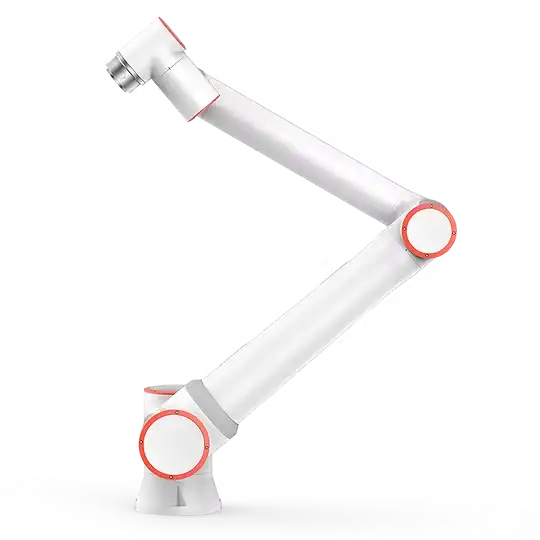
Robots are common in car factories today. Companies use robotic welding to stay ahead. Robots help fix automotive sheet metal better. Their arms can move to hard-to-reach places. They weld with high accuracy. You can tell robots to follow tricky paths. This makes every weld look the same.
Here are some ways robots help your work:
- Robots weld faster and more exactly than people.
- Every weld is the same quality.
- Robots do not need breaks, so work goes faster.
- You spend less money on workers.
- Robots do dangerous jobs, so people stay safe.
- You can change what robots do for new jobs.
- Robots use less heat and filler, so there is less waste.
- Robots give you lots of data to check weld quality.
Note: Robotic systems are great for making many car parts. They help every part meet strict rules.
Custom setups for complex tasks
Some car parts have odd shapes or small spaces. Custom setups for laser welding help with these hard jobs. You can make special tools to hold parts still. This lets you weld very carefully, even on tricky pieces.
Custom setups give you these good things:
- You get strong seams that keep car parts safe.
- Repairs are quicker, so cars leave the shop sooner.
- You can weld doors, hoods, and panels with smooth finishes.
- Custom setups help with parts that have sharp angles or curves.
- The car stays looking nice and works well.
| Benefit | Description |
|---|---|
| Precision | Welds stay exact, even on tricky shapes |
| Speed | Repairs and building go fast |
| Quality | Welds look smooth and make parts strong |
| Flexibility | You can fix many kinds of car parts |
Tip: Use custom setups for parts with special shapes or needs. This helps you get the best results each time.
Handheld and scalable systems
Portability for mobile repairs
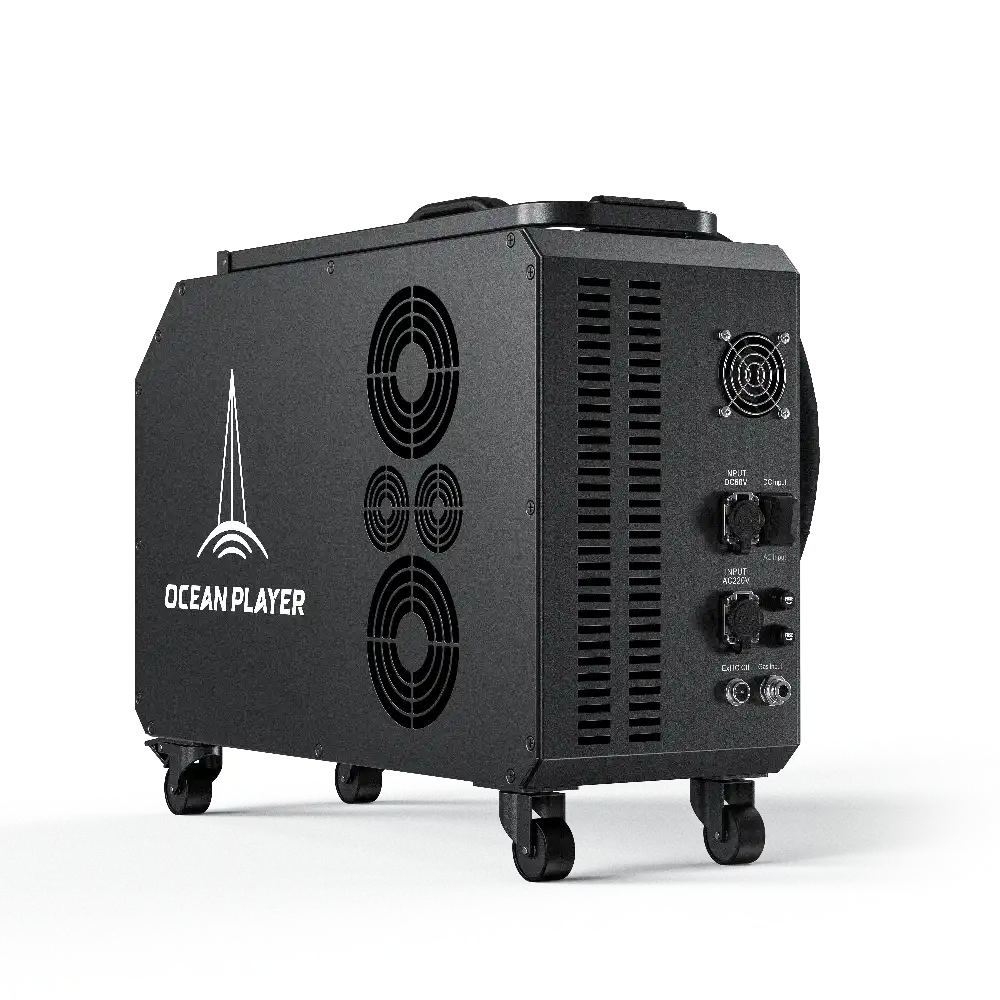
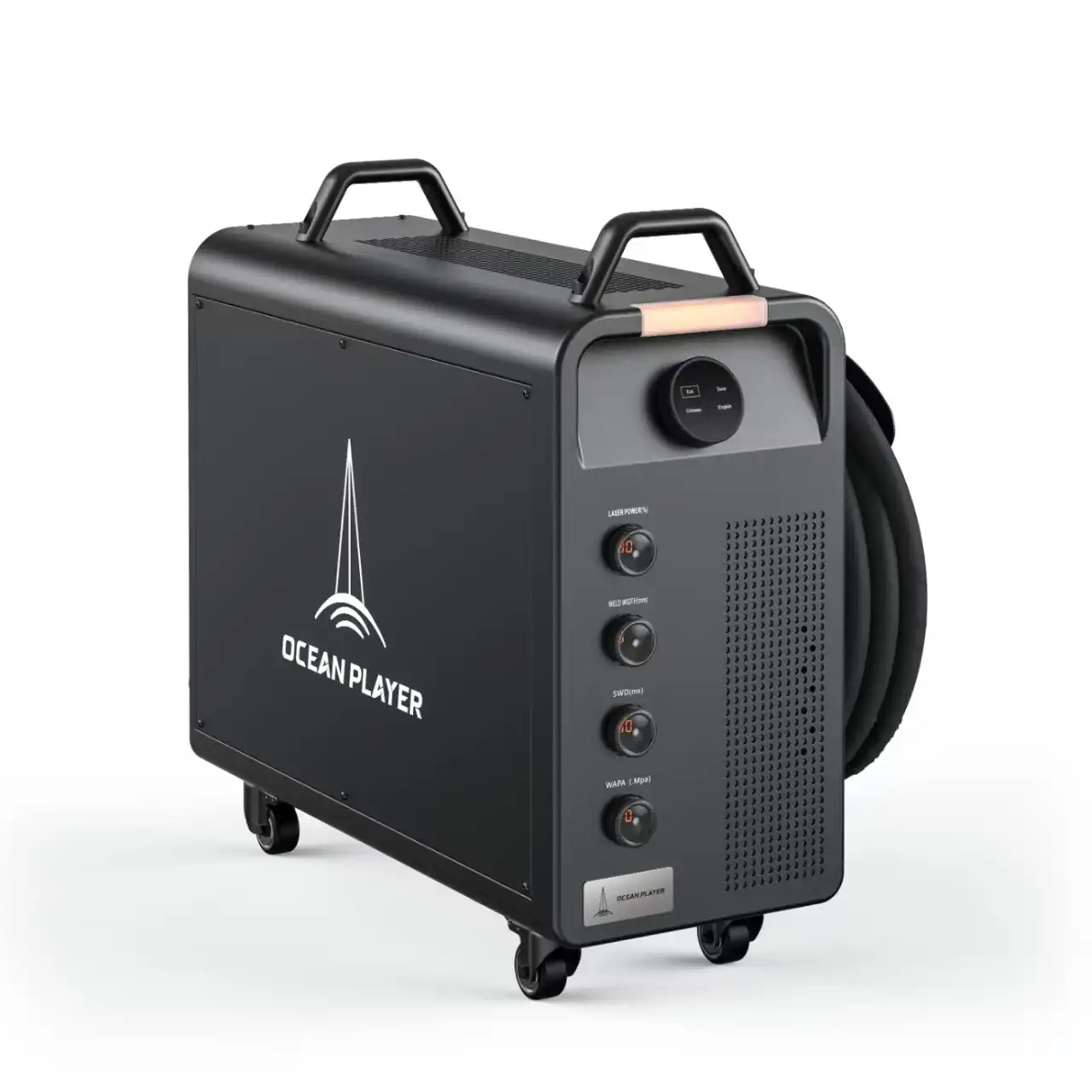
Sometimes you need to fix cars outside the shop. Handheld laser welding systems make this easy. These tools are small and light. You can carry them to the car. It does not matter if the car is in a parking lot or at someone’s house. You do not have to move the car to a special place. This saves you time and hard work.
You can use handheld laser welders for many jobs:
- Fixing small dents or cracks on body panels
- Repairing door edges or trunk seams
- Working on spots that are hard to reach
These portable tools help you finish jobs fast. You do not need big machines to start. You can begin repairs right away. This makes your work easier and lets you help more people.
Tip: Pick a handheld laser welder if you want to fix cars in different places or need to work in small spaces.
Adaptability for different job sizes
Scalable laser welding systems let you do many kinds of jobs. You can change between different welding styles. Use conduction welding for gentle joints. Use keyhole welding for strong, deep welds. This means you can fix both small and big parts with one system.
The table below shows how these systems fit different jobs:
| Application Type | Description |
|---|---|
| Small-scale repairs | Easy to use, great for repairs, testing, and custom car parts. |
| Large-scale production | Good for making many parts at once with special holders for accuracy. |
| Integration in production | Fits into factory lines for full automation and tough jobs. |
You can use scalable systems for one car or many cars. In a shop, you can set up machines for big jobs. For custom work, you can change the system for small fixes. This flexibility makes laser welding a smart pick for fixing car sheet metal.
- One system can handle many job sizes.
- You can switch welding styles for each job.
- You finish repairs faster and with better results.
Note: Scalable laser welding systems help your business grow and let you take on more repair jobs.
Practical benefits and applications
Cost and time savings
Laser welding helps you save money and time. It uses less energy than older ways. You do not need to fix machines as often. This means you spend less on repairs. Jobs finish faster, so you can help more people each day. The table below shows how laser welding is better than old methods:
| Operational Savings Aspect | Details / Metrics |
|---|---|
| Manufacturing Cost Reduction | 25% decrease |
| Production Time Reduction | 20% faster |
| Labor and Maintenance Savings | Savings can cover initial cost of entry-level units within 5 years |
| Energy Efficiency | Modern laser welders consume less energy |
| Maintenance Requirements | Lower maintenance needs lead to fewer breakdowns |
Laser welding can make a repair take only 8 minutes. That is much faster than the 2 hours it used to take. This is a 93% time savings. Cars get fixed and returned to owners much sooner. You can do more jobs in one day.
- You pay less for workers.
- You use less power.
- You do not have to wait long for repairs.
Tip: Fast repairs make customers happy and bring more work to your shop.
Improved aesthetics and durability
Laser welding makes welds look smooth and neat. There are fewer marks or bumps on the metal. The car looks better after you fix it. Laser welding is quick and exact, so thin panels do not bend. The finish looks almost new, even with steel or aluminum. Custom car builders use laser welding to make every part look just right.
Repairs are also stronger. Laser welding joins different types of steel together. The metal stays strong where it should and bends where needed. Repairs last longer and hold up to daily use.
- Speed and accuracy help you avoid errors.
- Strong, clean welds keep the car safe.
- Very little bending keeps thin metal looking nice.
Note: Laser welding makes every repair look better and last longer.
Future trends in automotive sheet metal repair
Advances in laser technology
Laser technology is changing fast in car repair. New laser cutting tools help shape metal parts better and faster. You can use these tools for chassis, body panels, and custom jobs. It is easier to make new parts quickly. You also waste less metal.
Laser welding uses a strong beam to melt and join metals. This way, you get deep, narrow welds with little heat damage. Parts stay strong and keep their shape. Dynamic Beam Lasers and AI systems can change the weld as you work. These smart tools check the metal and fix settings for each weld.
AI and machine learning help make welds perfect. You get fewer errors and stronger fixes.
Advanced laser technology helps in many areas:
- Body-in-white structures
- Electric vehicle parts
- Transmission parts
- Exhaust systems
- Battery trays and modules
- Inside car frames
- Fuel and fluid lines
Laser welding lets you join different materials. This is important for new cars, especially electric ones. You get better matches and stronger results.
Industry adoption and standards
More shops and factories are using laser welding now. The market for this technology is growing quickly. Experts think it will grow by 4.8% each year from 2025 to 2034. This shows more people trust laser welding for making lots of cars.
| Evidence Description | Details |
|---|---|
| Projected CAGR from 2025 to 2034 | 4.8% growth rate |
| Technology advancements | Real-time beam control and adaptive monitoring |
| Demand from electric vehicle makers | Need for precise, fast welding of battery packs and components |
| Automation in North America | More factories use automated laser welding for mass production |
| Precision in EV manufacturing | Laser welding creates battery packs with low resistance and high strength |
Car makers want repairs that are strong and exact. Laser welding helps meet tough rules, especially for electric cars. You can make battery packs that last longer and work better. Automation and real-time checks make work safer and faster.
Laser welding will soon be the main way to fix car sheet metal. This technology helps you keep up with new cars and industry rules.
Laser welding gives you better quality, faster repairs, and more ways to fix cars. You can work with many metals and get strong, smooth results every time. This technology keeps changing and brings new tools for your shop.
- You save time and money.
- You get repairs that last longer.
- You can handle tough jobs with ease.
Think about using laser welding for your next repair. Explore new tools or talk to a professional to see how you can improve your work.
FAQ
What makes laser welding better than traditional welding for car repairs?
Laser welding gives you more control. You get cleaner welds and less heat damage. You finish jobs faster. The car keeps its shape and strength. You see better results on thin and visible parts.
Can you use laser welding on all types of car metals?
You can use laser welding on steel, aluminum, copper, and many alloys. This method works for both old and new cars. You get strong, lasting repairs on many different materials.
Is laser welding safe for automotive sheet metal repair?
Laser welding is safe when you follow safety rules. You wear protective gear and use shields. The process creates less heat and fewer fumes than older methods. You keep your workspace cleaner.
How does laser welding help with electric vehicle repairs?
Laser welding lets you join battery packs and lightweight frames. You get precise, strong welds. Electric cars need exact repairs. You meet safety standards and improve performance.
Do you need special training to use laser welding equipment?
You need training to use laser welding tools. You learn how to set up machines and follow safety steps. Many shops offer classes. You get better results and avoid mistakes.
Shielding Gas: Nitrogen vs. Argon in Laser Welding
How Much Should You Pay for Laser Welding Services
Three in one laser machine really worth your money
How Does Laser Wire Feeding Technology Improve Welding Precision