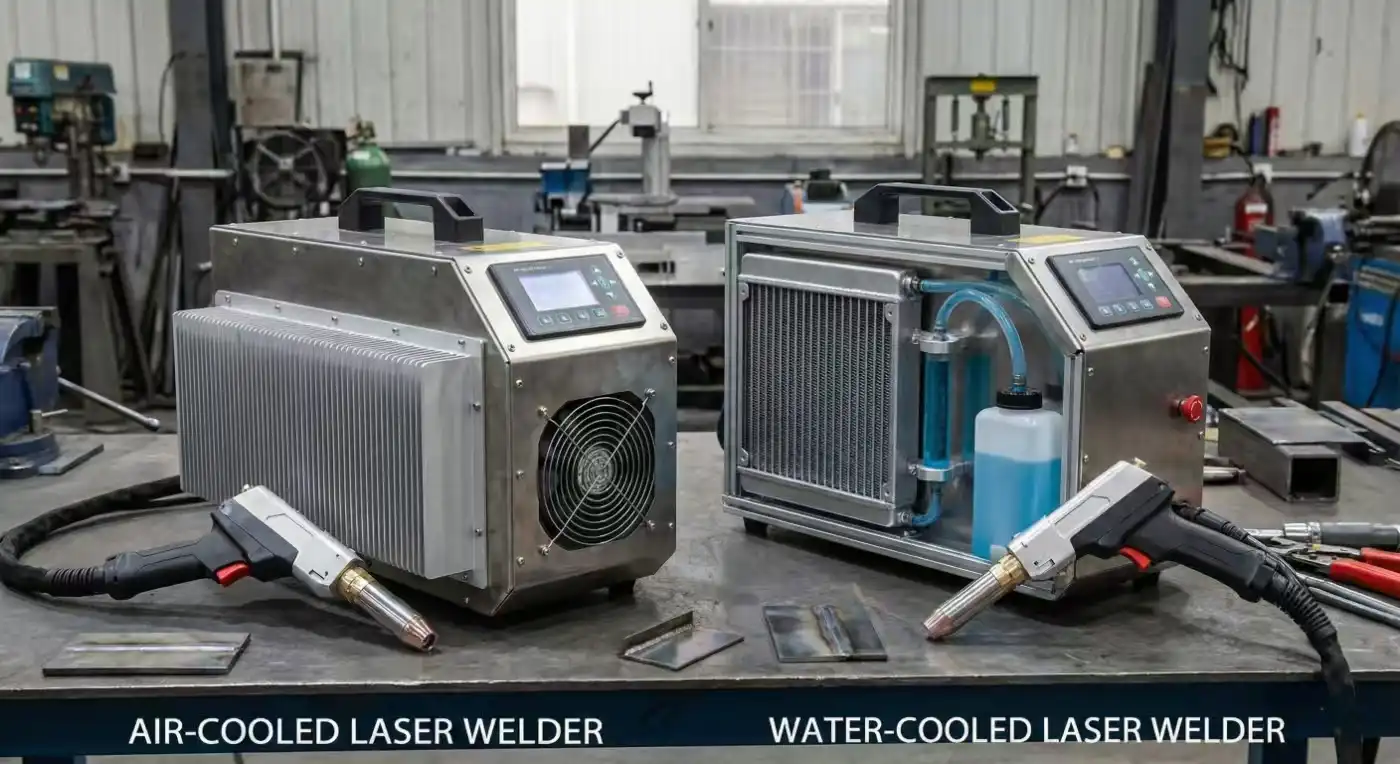
When you choose between air-cooled and water-cooled systems for handheld laser welders, you should think about how you work and what you need. If you want a small and light tool that is easy to set up and does not need much care, an Air-cooled Handheld Laser Welder is a good choice. For big jobs or if you weld for a long time, water-cooled machines cool better and deal with heat well. Look at the main points in the table below to help you pick:
| Factor | Air-Cooled Machines | Water-Cooled Machines |
|---|---|---|
| Cooling Efficiency | Not as good; can get too hot if used long. | Very good; works well for tough jobs. |
| Size and Portability | Small and simple to carry. | Bigger and heavier. |
| Installation Process | Easy to use right away. | Harder; needs a water tank. |
| Maintenance Requirements | Needs little care. | Must check the water tank often. |
Think about what you need for work, how much money you have, and how much care you want to do before you decide.
Key Takeaways
- Air-cooled welders are light and easy to carry. They work well for small jobs. You can move them without trouble.
- Water-cooled welders stay cool during long or hard jobs. They keep working well and make better welds.
- Think about your workspace and what you need to do. Air-cooled welders are good for short jobs. Water-cooled welders are best for tough jobs.
- Taking care of each type is different. Air-cooled welders need little care. Water-cooled welders need you to check water often.
- Price matters when you choose. Air-cooled welders cost less at first. Water-cooled welders may save money later because they last longer.
Quick Comparison
Main Differences
Air-cooled and water-cooled handheld laser welders are not the same. They work in different ways and are different sizes. Each type is best for certain jobs. Air-cooled welders use fans to cool the laser parts. Water-cooled welders use water to take away heat. This changes how much heat each system can handle.
Here is a table that shows the main technical differences:
| Feature | Air-Cooled Handheld Laser Welders | Water-Cooled Handheld Laser Welders |
|---|---|---|
| Cooling Method | Uses air for cooling | Uses water for cooling |
| Size | Smaller, portable | Larger, heavier |
| Noise Level | Noisy | Low noise |
| Temperature Control | No temperature control | Adjustable temperature |
| Maintenance | Needs fan cleaning | Needs water replacement |
| Suitable Power Levels | Low-power lasers | High-power lasers |
| Cooling Effectiveness | Weaker cooling effect | Stronger, more stable cooling |
| Welding Quality | Lower quality | Higher quality |
You will see that cost and care are different too. Air-cooled systems cost less to buy and use. They need less care, so you save time and money. Water-cooled systems cost more at first. They need more checks, like making sure the water is clean and full.
| Type of Welder | Initial Cost | Long-term Operating Costs | Maintenance Needs |
|---|---|---|---|
| Air-Cooled | Lower | Lower | Low |
| Water-Cooled | Higher | Higher | Increased |
Water-cooled welders can handle more heat. They work better for long jobs. They keep the laser cool all day. Air-cooled welders are good for short jobs. They are easy to move from place to place.
Which Is Better for You?
Pick your cooling system based on how you use your welder. If you want something easy to carry and simple to use, choose an Air-cooled Handheld Laser Welder. This type is good for small shops, mobile jobs, or short welding times. Many small businesses and hobbyists like air-cooled welders. They cost less and need less care.
If you work in a factory or weld for many hours, water-cooled welders are better. Water-cooled systems keep the laser at a steady temperature. They work well in hot places and for long jobs. You get better welds and your machine lasts longer. Water-cooled welders are best for high-frequency welding in manufacturing, the automotive industry, and other places that need strong, steady work.
Tip: If you move your welder a lot or work in different places, air-cooled systems are easier to carry and set up. If you need the best cooling and weld for hours, water-cooled systems give you more power and better results.
Air-cooled Handheld Laser Welder Overview
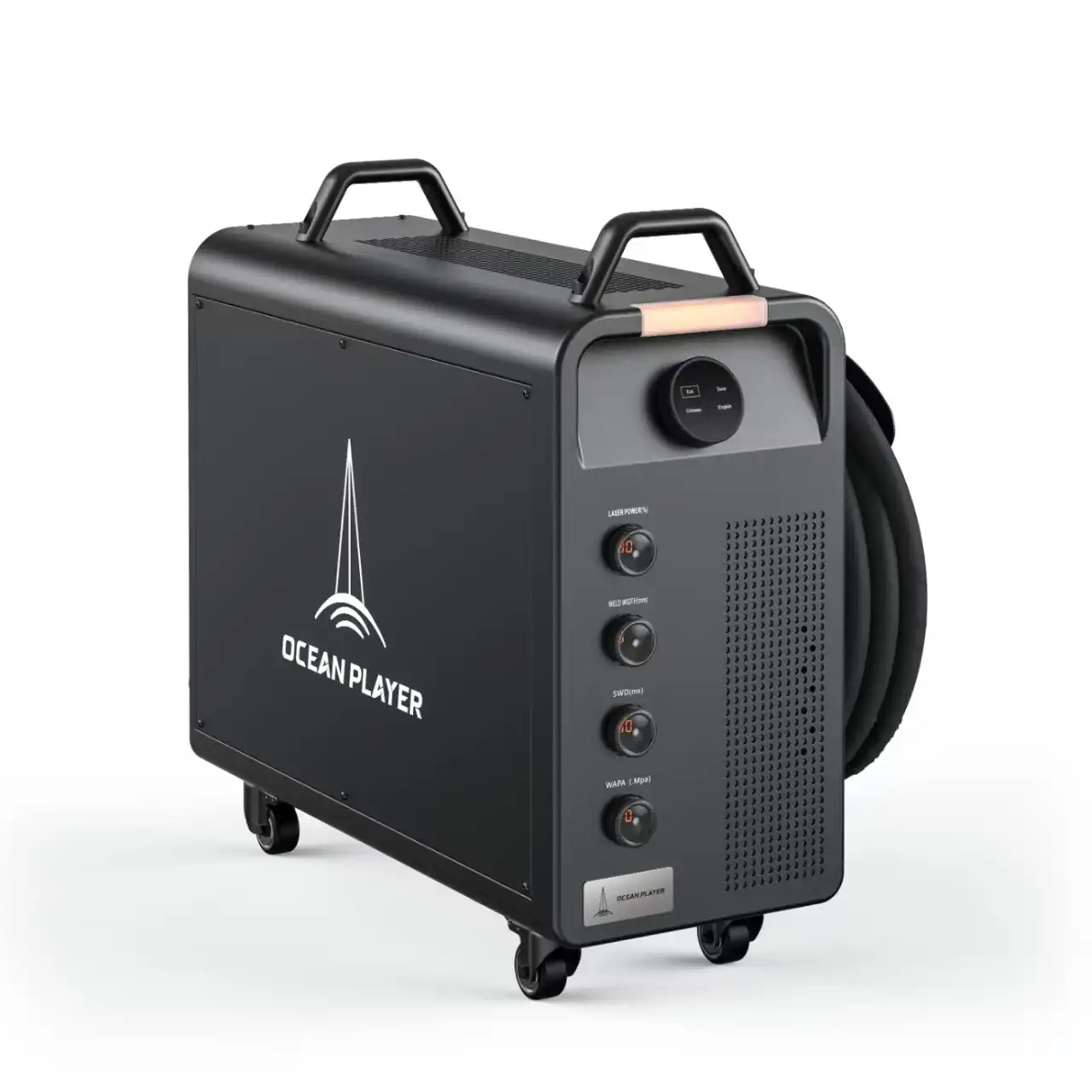
How Air Cooling Works
An Air-cooled Handheld Laser Welder uses a fast fan to blow air over the laser parts. This moving air takes away heat from the laser. It helps the laser stay cool and safe. The system is simple. You do not need water tanks or hoses. The fan keeps the laser from getting too hot. This helps the machine last longer.
| Aspect | Explanation |
|---|---|
| Temperature control | The fan blows away heat fast. This keeps the laser cool. |
| Overheating protection | The fan lowers the chance of overheating. Your welder stays safe and works longer. |
| System simplification | The design has fewer parts. This means less can break and it is easy to care for. |
Air cooling depends on the room’s temperature. If the room is hot, the fan cannot cool as well. High heat can make the laser chip too hot. This can make it wear out faster or stop working.
Pros and Cons
Air-cooled Handheld Laser Welders have many good points. They are great for small jobs and moving around. Here are some main things to know:
- The welder is light and small. You can carry it to many places.
- The controls are easy to use, even for beginners.
- The machine is good for quick jobs. You can move around your work area easily.
- You only need to clean the fan and air ducts to care for it.
These welders are used in many fields. Some common uses are:
- Car factories use them for fixing and building car bodies.
- Jewelry makers use them for small, careful metal work.
- People who build electronics use them for circuit boards, even in different places.
- Workers in aerospace use them to fix parts where safety is important.
- Small factories and people making new things use them for fast changes and small jobs.
But there are some downsides:
| Feature | Advantages | Disadvantages |
|---|---|---|
| Simplicity | Fewer part mean less can break | Cooling is weaker than water-cooled systems |
| Cost | Cheaper and needs less care | Can be loud in quiet rooms |
| Maintenance | Just clean the fan and air ducts | Cooling is not as good in hot rooms |
Tip: If you want a welder that is easy to carry and use for short jobs, an Air-cooled Handheld Laser Welder is a good pick. For long or tough jobs, you might need something else.
Water-cooled System Overview
How Water Cooling Works
Water-cooled handheld laser welders use a special system to keep cool. Chilled water moves through tubes around the laser parts. The water takes away extra heat from the laser. This keeps the laser from getting too hot. It helps the welder work for a long time.
- The water cooling system uses cold water to stop damage from heat.
- Temperature sensors watch the water and warn you if it gets too hot or cold.
- Flow protection systems check the water flow. If the water slows down, the system can sound an alarm or turn off the welder.
Water cooling gives steady temperature control. You can weld for hours without stopping. Most workshops and factories use water-cooled welders. They work best in rooms with steady temperatures.
| Feature | Details |
|---|---|
| Cooling Method | Water cooling is the most common way to cool handheld laser welders. |
| Advantages | It cools well and keeps the temperature steady. |
| Disadvantages | It only works in certain temperatures (5°C–50°C); you must change the coolant often; there can be scale, clogs, or leaks. |
| Maintenance | You need to clean and check the system often to keep it working well. |
| Best For | These welders are best for workshops and factories with steady room temperatures. |
Pros and Cons
Water-cooled handheld laser welders have many good points, but there are also some problems.
| Benefit/Drawback | Description |
|---|---|
| High-Speed Welding | You can weld much faster than with old ways, so you get more done. |
| Automation and Integration | Many water-cooled welders work well with machines that do the work for you. |
| High Initial Investment | You have to pay more money at first, which can be hard for small shops. |
| Sensitivity to Joint Fit-Up | You must line up the parts very carefully or you can make mistakes. |
| Limited Thickness Penetration | It can be hard to weld deep into thick materials. |
| Safety Concerns | You must wear safety gear to stop burns and protect your eyes. |
Water-cooled welders come in different power levels. You can pick the right one for your job:
| Power Level | Power Rating (W) | Applications |
|---|---|---|
| Low-Power | 100W–500W | For light jobs, thin materials, and careful welding. |
| Medium-Power | 500W–1000W | For fixing cars and general metal work. |
| High-Power | 1000W–3000W+ | For big jobs in factories and thick materials. |
Many industries use water-cooled welders. Here are some examples:
| Industry Applications |
|---|
| Manufacturing and heavy industry |
| Shipbuilding |
| Steel structure building |
| Bridge making |
| Aerospace |
| Military and defense |
| New energy and battery making |
| Automotive |
| Medical devices |
| Energy and power plants |
| Electronics |
| Oil and gas |
| Machinery making |
| HVAC (Heating, Ventilation, and Air Conditioning) |
| Railways |
Tip: If you need to weld for a long time or work with thick materials, a water-cooled handheld laser welder gives you the cooling and dependability you need.
Feature Comparison
Cooling Efficiency
Cooling efficiency is important for your laser welder. Air-cooled Handheld Laser Welders use fans to blow heat away. This works for most jobs, but not for hard work. Water-cooled welders use cold water to keep the temperature steady. They work well for long or tough jobs.
| Feature | Air-Cooled | Water-Cooled |
|---|---|---|
| Cooling Efficiency | Good for most jobs | Very high |
| Ideal Usage | Portable, low or medium power jobs | High-power, long welding |
If you do not control heat, your welder can get too hot. This can break parts inside and make the welder not last as long.
Note: Water-cooled systems keep your welder safe for long jobs. Air-cooled systems are best for short or easy jobs.
Duty Cycle & Performance
You should think about how long you want to weld. Air-cooled systems are good for small or medium jobs. They cost less and work well for short times. Water-cooled systems are better for big jobs that do not stop.
- Air-cooled systems can weld for 24 hours, but may not work well if pushed too hard.
- Water-cooled systems can weld longer. They keep the welder cool and steady.
- Air cooling uses fans. Fans may not work well for long jobs, so welds can be uneven.
- Water-cooled welders handle heat better and keep working well.
| Feature | Air-Cooled Welders | Water-Cooled Welders |
|---|---|---|
| Cooling Efficiency | Not as strong, less cooling | Strong, keeps best temperature |
| Suitability | Low or medium power jobs | For hard or long jobs |
| Performance Under Load | Gets worse if used too long | Stays good even with hard work |
| Risk of Overheating | High risk, can hurt parts | Low risk, handles heat well |
Maintenance & Cost
You want to know how much care and money each needs. Air-cooled welders cost less at first. They are simple and need little care. You may need to clean the fan and air ducts. If you use them for hard jobs, you might need more repairs.
Water-cooled welders cost more because they have extra parts. These machines last longer and need fewer new parts later. You must check the water and clean the system often, but you save money on repairs over time.
Tip: If you want to spend less money and do easy care, pick air-cooled. For better work and fewer repairs, water-cooled is a smart pick.
Size & Portability
Size and weight matter if you move your welder a lot. Air-cooled machines are small and light. You can carry them easily. Some models weigh only 30-40 kilograms and do not take up much space. Water-cooled welders are bigger and heavier because of the water tank. Some weigh up to 400 pounds, but many have wheels to help you move them.
- Air-cooled welders are small and great for outdoor jobs.
- Water-cooled welders are bigger but work better for big jobs in one place.
- The 3-in-1 air-cooled machine is easy to move and set up.
Note: If you need to move your welder a lot, air-cooled models make it easier.
Use Cases
When to Choose Air-cooled
You should pick an air-cooled system when you need a tool that is easy to move and quick to set up. If you work in small shops or travel to different job sites, you will find this type very helpful. You can finish short welding jobs without waiting for the machine to cool down. Many people who do repairs, light fabrication, or hobby projects choose an Air-cooled Handheld Laser Welder.
Here are some situations where air-cooled welders work best:
- You need to carry your welder to different places often.
- You work on small or thin metal parts.
- You want a machine that is simple to use and maintain.
- You have a limited budget and want to save money.
- You do not weld for long hours at a time.
Tip: If you work in a place with good airflow and mild temperatures, air-cooled welders will perform well.
When to Choose Water-cooled
You should choose a water-cooled system when you need to weld for long periods or work with thick materials. Water-cooled welders keep the machine cool even during heavy use. If you work in a factory, auto shop, or large workshop, you will benefit from the extra cooling power.
Common reasons to pick water-cooled welders include:
- You weld for many hours each day.
- You work with high-power lasers or thick metals.
- You need steady performance and high-quality welds.
- You want to avoid overheating and downtime.
- You have space for a larger machine and can handle more maintenance.
Note: Water-cooled welders work best in places where you need strong, reliable performance for big jobs.
Choosing the Right System
Matching to Your Needs
You want your handheld laser welder to match your work style and job requirements. Picking the right cooling system helps you get better results and saves you money. Experts suggest looking at three main things when you choose:
- Power Requirements: If you use high-power welding machines, you need a cooling system that handles more heat. Water-cooled or liquid-cooled systems work best for these jobs. Air-cooled systems fit low-power tasks.
- Duty Cycle: If you weld all day or for long periods, you need a cooling system with high cooling capacity. Water-cooled welders keep your machine safe during continuous use. If you weld for short times or take breaks, air-cooled systems can work well.
- Environmental Conditions: If you work in a hot shop or outside in summer, air-cooled systems may not cool enough. Water-cooled systems perform better in warm places.
You should ask yourself these questions before you decide:
- How much power does your welder use?
- How long do you weld each day?
- Where do you work most often?
Tip: If you work with thick metals or need strong welds, water-cooled systems give you more power and safety. For light jobs or mobile work, air-cooled welders are easier to carry and set up.
Common Mistakes
Many people make mistakes when choosing a cooling system. You can avoid problems by knowing what to watch for.
- You pick an air-cooled welder for heavy jobs. The machine overheats and stops working.
- You buy a water-cooled welder for small tasks. You spend more money than needed and deal with extra maintenance.
- You forget to check your shop’s temperature. Your air-cooled welder cannot keep up in hot weather.
- You ignore the duty cycle. Your welder breaks down because it cannot handle long jobs.
| Mistake | Result |
|---|---|
| Wrong system for job type | Poor welds, machine damage |
| Overlooking environment | Overheating, downtime |
| Ignoring duty cycle | Short machine life |
🛠️ Note: Always match your cooling system to your job needs, work hours, and shop conditions. This helps you get the best results and keeps your welder running longer.
You now know how air-cooled and water-cooled handheld laser welders are different. Air-cooled welders are easy to move and set up. Water-cooled welders keep cool better for long jobs.
- Use air-cooled welders for small and quick jobs.
- Use water-cooled welders for big jobs that last a long time.
Remember: Pick a welder that fits your work, money, and how much care you want to do. If you are not sure, talk to an expert before you buy one.
FAQ
What is the main difference between air-cooled and water-cooled handheld laser welders?
You will find that air-cooled welders use fans to remove heat. Water-cooled welders use water to keep the machine cool. Water cooling works better for long or heavy jobs.
Can I use an air-cooled welder for thick metal?
You should not use an air-cooled welder for thick metal. Air cooling cannot handle the extra heat from thick materials. Water-cooled welders work better for this type of job.
How often do I need to maintain a water-cooled welder?
You need to check the water level and quality often. Clean the tank and replace the water as needed. This keeps your welder running well and prevents damage.
Are air-cooled welders noisy?
Yes, air-cooled welders can be noisy. The fan makes a loud sound when it runs. If you need a quiet workspace, you may want to choose a water-cooled model.
Three in one laser machine really worth your money
How Does Laser Wire Feeding Technology Improve Welding Precision
What is Wobble Laser Welding? Solving Fit-up Gaps
Wire Feeding vs No Wire Feeding Laser Welding: Which Is Better?