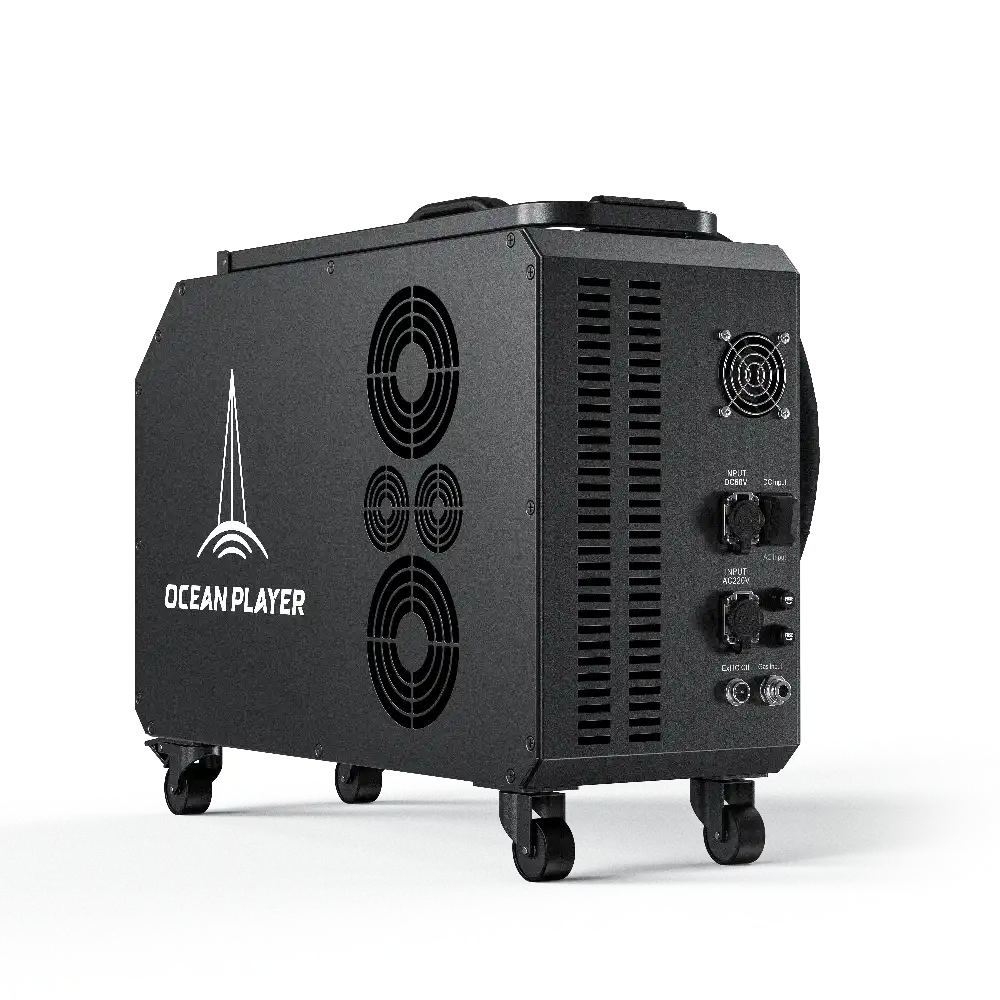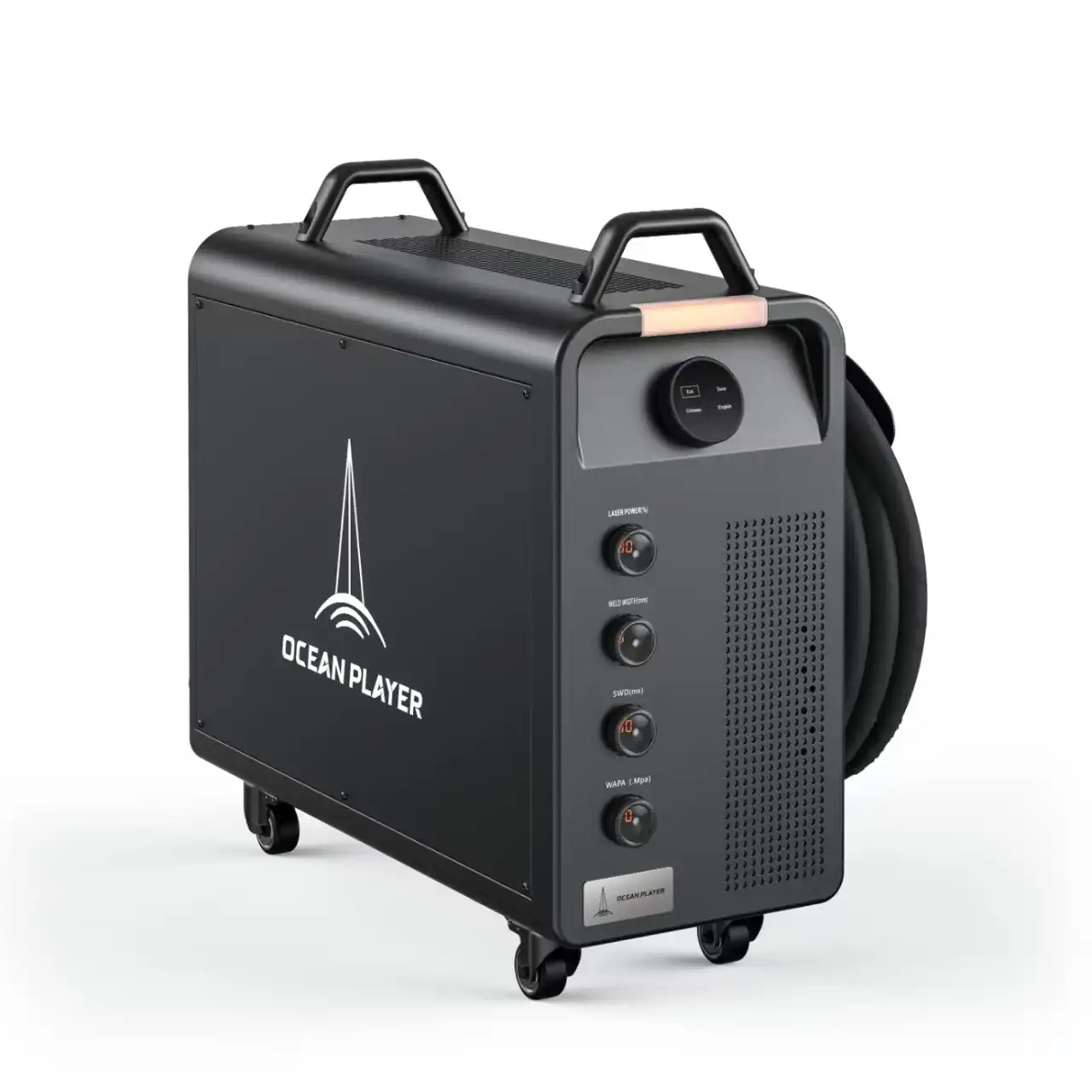
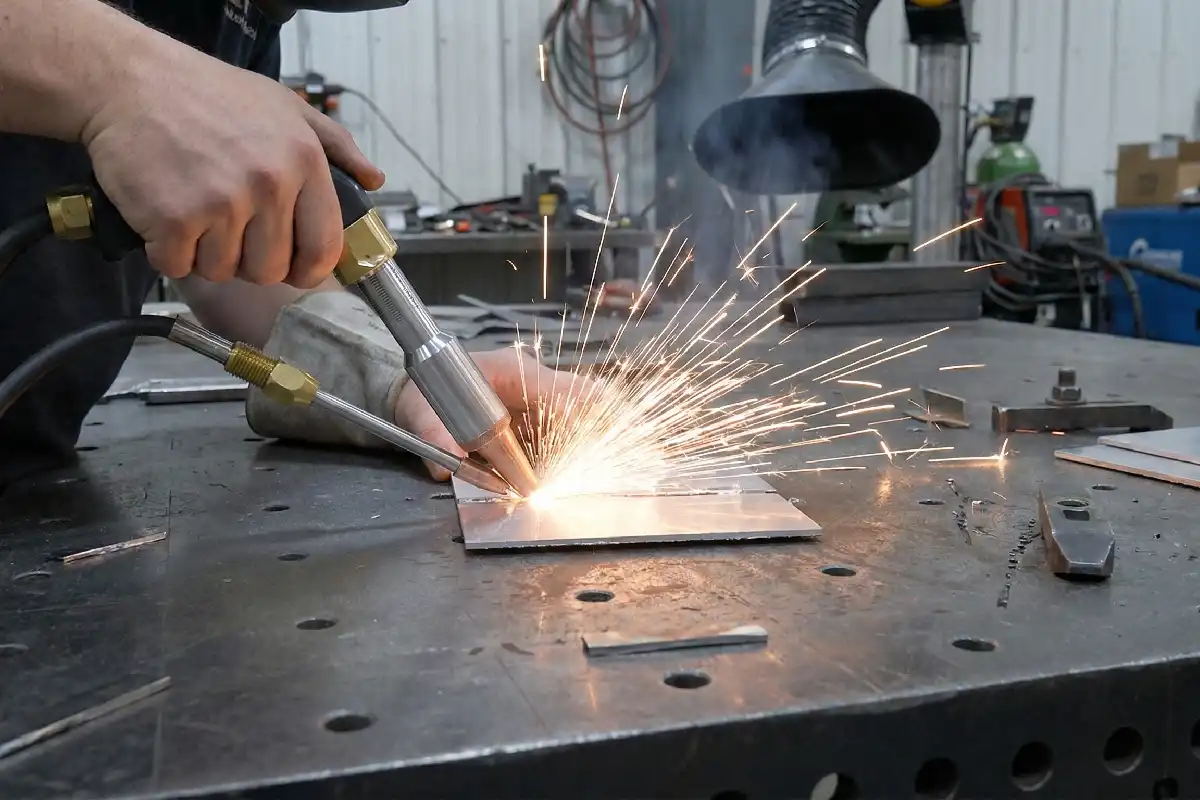
You spend a lot of money when you use laser welding to protect lenses with aluminum and copper. These metals bounce back a lot of the laser’s energy, so the process does not work as well. You need strong machines and special systems to solve this problem. The price is high for many reasons:
- Laser machines cost a lot
- The safety and automation systems are hard to set up
- You need to keep fixing the machines and train people
All these things make the price go up, so this process costs more than welding other metals.
Key Takeaways
- Laser welding aluminum and copper costs a lot because it needs strong machines and special tools. These metals bounce back laser energy, so we need better technology and stronger lasers to weld them well. We must get the surface ready and use protective coatings to keep the lens safe, which makes it cost more. Aluminum and copper make more dirt and wear out lenses faster, so we have to clean and replace lenses often. Welding steel is cheaper than welding aluminum and copper because it needs less power and easier lens protection.
Laser Welding System Complexity
Specialized Equipment Needs
It is harder to use laser welding for aluminum and copper. These metals bounce back a lot of the laser’s energy. You need special machines to make the welds work well. Regular welding machines do not work with these metals. You must use advanced systems with real-time power feedback and heat control. These features help you change the laser as you weld. They also keep the process steady.
Tip: Special lasers are very important. Fiber lasers are best for aluminum and copper. They have short wavelengths and high beam quality. Nd:YAG lasers can help too, but you might need assist gas for better results. CO₂ lasers can weld thick pieces, but they may cause problems with thin sheets.
Here is a table that shows the types of lasers and what they do:
| Laser Type | Application | Advantages |
|---|---|---|
| Fiber Lasers | Aluminum, Copper | Short wavelength, high quality |
| CO₂ Lasers | Thick materials | Good for some uses |
You often need extra steps like surface treatments. These steps help the laser welding work better. They also make the system cost more and get more complex.
Higher Power and Energy Loss
You need more power to weld aluminum and copper. These metals reflect a lot of the laser’s energy. You must use stronger lasers to get enough heat. High-power fiber lasers are best for copper. They absorb more energy and weld deeper. You may also use continuous wave lasers for better welds.
- The first cost for laser welding systems is higher. This is because you need advanced technology and very precise optics.
- You spend more money at the start, but you save later. Laser welding gives you better results and less rework.
You lose more energy with these metals. You must use more electricity and stronger machines. This makes the process cost more than welding other metals.
Material Challenges in Aluminum and Copper
High Reflectivity Risks
Laser welding aluminum and copper is risky. These metals bounce most of the laser’s energy away. The strong light and heat go back to the lens. This can hurt the lens or make it wear out faster. You need special coatings and shields to keep the lens safe from this energy. These extra steps cost more money and make things harder.
Note: Because of high reflectivity, you need stronger lasers. You also have to check the lens often for damage. If you skip these steps, you might have to buy new lenses more often.
Oxide Layer Formation
Aluminum and copper quickly get oxide layers. These layers block the laser’s energy and make welding tough. You must clean the metal before you start welding. If you leave the oxide layer, the weld will be weak. The lens can also get hurt by splatter and heat.
Here is a table that shows how thick oxide layers make joints weaker:
| Oxide Layer Thickness (nm) | Joint Strength Reduction (%) |
|---|---|
| 1 to 4 | 15 |
| 21 | 75 |
Thicker oxide layers make the weld much weaker. You need special ways to get rid of or control these layers:
- Cleaning before welding takes away oxide layers and makes welds stronger.
- Getting the surface ready helps the laser energy reach the metal.
- Shielding gases like argon or helium stop new oxide from forming. Helium also helps the laser go deeper.
- Preheating lowers the chance of cracks and keeps the weld strong.
| Method | Description |
|---|---|
| Surface preparation | Take away oxide layers so energy goes into the metal better |
| Shielding gases | Argon or helium stop oxidation; helium helps the laser go deeper |
| Preheating | Makes the heat spread out and lowers the chance of cracks |
You must do these steps every time you weld aluminum or copper. These steps keep the lens safe and make the weld better, but they also cost more.
Rapid Cooling Effects
Aluminum and copper cool down very fast after welding. Fast cooling can make cracks and weak spots in the weld. You need to slow down the cooling to keep the weld strong and protect the lens from quick temperature changes.
Here is a table that shows how different things affect weld quality:
| Factor | Influence on Weld Quality |
|---|---|
| Melting Temperature | Big differences can cause stress and weak welds. |
| Thermal Conductivity | High conductivity in copper can melt small areas and hurt weld strength. |
| Coefficient of Thermal Expansion | Differences can make gaps and cracks in the joint, lowering strength and raising the risk of damage. |
You must watch these things closely. If you do not, you can get bad welds and more lens damage. You need better cooling controls and more lens protection. These steps make welding aluminum and copper cost more and get more complicated.
Lens Protection Requirements

Advanced Coatings and Shields
It costs a lot to protect lenses when welding aluminum and copper. These metals bounce back most of the laser’s energy. You need special coatings and shields to keep the lens safe. The coatings and shields must handle strong light and heat.
- Protective coatings, like anti-reflective and tough layers, help stop damage from bright reflections.
- High-quality glass matches the laser’s color and strength. This glass keeps the laser from hurting the lens.
These features help your equipment last longer. If you skip these steps, your lens can break more often. Fixing or replacing lenses costs a lot of money.
Tip: Always check if the coating is good and fits your laser. Good coatings last longer and protect better.
Here is a table that shows why these coatings are important:
| Feature | Description |
|---|---|
| Coating Quality | Even, thick layers stop weak spots and bubbles. |
| Adhesion | Strong glue keeps coatings from peeling off too soon. |
| Coating Process | Each lens gets one side coated, and it takes at least 6 hours. |
| Laser Damage Threshold | High numbers mean the lens can take more power before breaking. |
| Peak Transmission Rate | Coatings let almost all energy pass through, making things work better. |
| Protection Against Contamination | Coatings block dust and smoke, so the lens stays clean while welding. |
Maintenance and Replacement Costs
You pay more for cleaning and changing lenses when welding these metals. Aluminum and copper make more reflections. This dirties and wears out lenses faster than other metals. You have to clean and change lenses often to keep things safe and working well.
Here is a table that shows what makes costs go up:
| Factor | Recommendation/Impact |
|---|---|
| Material Processed | Aluminum and copper make lenses dirty faster. |
| Usage Intensity | Using the machine a lot makes lenses wear out sooner. |
| Environmental Conditions | Dust and wet air mean you need to clean more. |
| Replacement Frequency | Change lenses every 40–80 hours for best results. |
| Warning Signs for Replacement | Look for bad cleaning, weak laser, or system warnings. |
| Risks of Delayed Replacement | Waiting too long can break the lens and cause danger. |
You also see some common problems with protective lenses:
- Lenses get damaged if settings are wrong or power is too high.
- Dust or smoke can make lenses dirty.
- Aluminum can turn black if the laser is not strong enough.
- Lenses can break if the focus is not right.
Use the lowest power you can when welding aluminum. This helps lenses last longer. If you do not clean and check lenses, you might have bigger repairs and safety problems. Safety rules like ANSI Z136 and OSHA Class 4 Laser say you must use safety gear and good air flow. These rules cost more but keep everyone safe.
Comparing Laser Welding Costs With Other Metals
Aluminum and Copper vs. Steel
Laser welding costs are not the same for every metal. Steel is easier to weld with lasers. Steel takes in laser energy well. You do not need strong lasers or special coatings for steel. Lens protection is cheaper because steel does not bounce back much energy. The steps are simple, and you do not have to clean oxide layers a lot.
Aluminum and copper are harder to weld. You need stronger lasers and better shields for the lens. You must clean the metal more and watch out for fast cooling. These extra steps take more time and money. Welding steel costs less to start and to keep running. You do not have to change lenses as much, and you spend less fixing things.
Tip: Steel is a good choice if you want to save money. It is easier to weld and helps your equipment last longer.
Here is a table that shows how these metals are different:
| Metal | Laser Power Needed | Lens Protection Cost | Maintenance Level |
|---|---|---|---|
| Steel | Low | Low | Basic |
| Aluminum | High | High | Advanced |
| Copper | Very High | Very High | Advanced |
Unique Protection Expenses
Welding aluminum and copper costs more to protect the lens. These metals bounce back more energy, so you need better coatings and shields. You also have to clean and change lenses more often. These things make the cost go up over time.
- You use more energy because the lasers are stronger.
- You pay more for cleaning and changing lenses.
- You spend extra on special coatings and gases.
When you buy a laser welding system, you should think about all the costs. Maintenance can get expensive and change your budget. Systems for aluminum and copper cost 20–30% more at first. You pay more for better protection and easier maintenance. Over time, you might save money because these systems last longer and break less.
Here is a table that shows how protection costs change the total price:
| Aspect | Impact on TCO |
|---|---|
| Initial Price | 20-30% premium for maintenance-optimized systems |
| Lifetime Ownership Costs | 15-40% lower due to reduced maintenance and higher uptime |
| Operational Efficiency | Improved through advanced maintenance strategies |
If you want to spend less, you need to plan for these extra costs. Check your equipment often and use the right coatings. This helps your system last longer and work better.
Laser welding aluminum and copper costs a lot. These metals bounce back most of the laser’s energy. You need strong lasers and special systems to weld them. You also need good lens protection to keep things safe. High peak power and short focal lengths are important for good welds. Surface treatments help the laser work better on these metals. Automated CNC machines and new laser technology can make things cheaper. Real-time controls also help you get better welds. If you want to weld these metals, check all your costs. Always look for better ways to protect your lenses.
FAQ
Why do you need special coatings for lenses when welding aluminum and copper?
You need special coatings because these metals reflect most laser energy. The coatings keep the lens safe from heat and bright light. If you do not use coatings, the lens can break faster. You will have to buy new lenses more often.
Why does laser welding aluminum and copper require higher power?
Aluminum and copper bounce back a lot of the laser’s energy. You need stronger lasers to make enough heat for welding. This makes the whole process cost more money.
Why do lenses wear out faster when welding aluminum and copper?
Lenses wear out faster because more energy bounces back. Metal splatter also hits the lens more often. You must clean and change the lens a lot to keep things safe.
Why is maintenance more expensive for these metals?
Maintenance costs more because you clean and change lenses often. Strong reflections and dirt from these metals make lenses wear out faster. Checking the lens often helps stop big problems.
Why does welding steel cost less for lens protection?
Steel takes in laser energy better than aluminum or copper. You use less power and do not need as many safety steps. This means you spend less money on cleaning and changing lenses.
Why cold cracks are more likely to occur during welding in winter
How to Choose the Right Protective Gas for Laser Welding
How Nozzle Hole Size Affects Laser Welding Wire Feeding
How to Adjust Laser Welding Wire Feeding Speed for Better Results