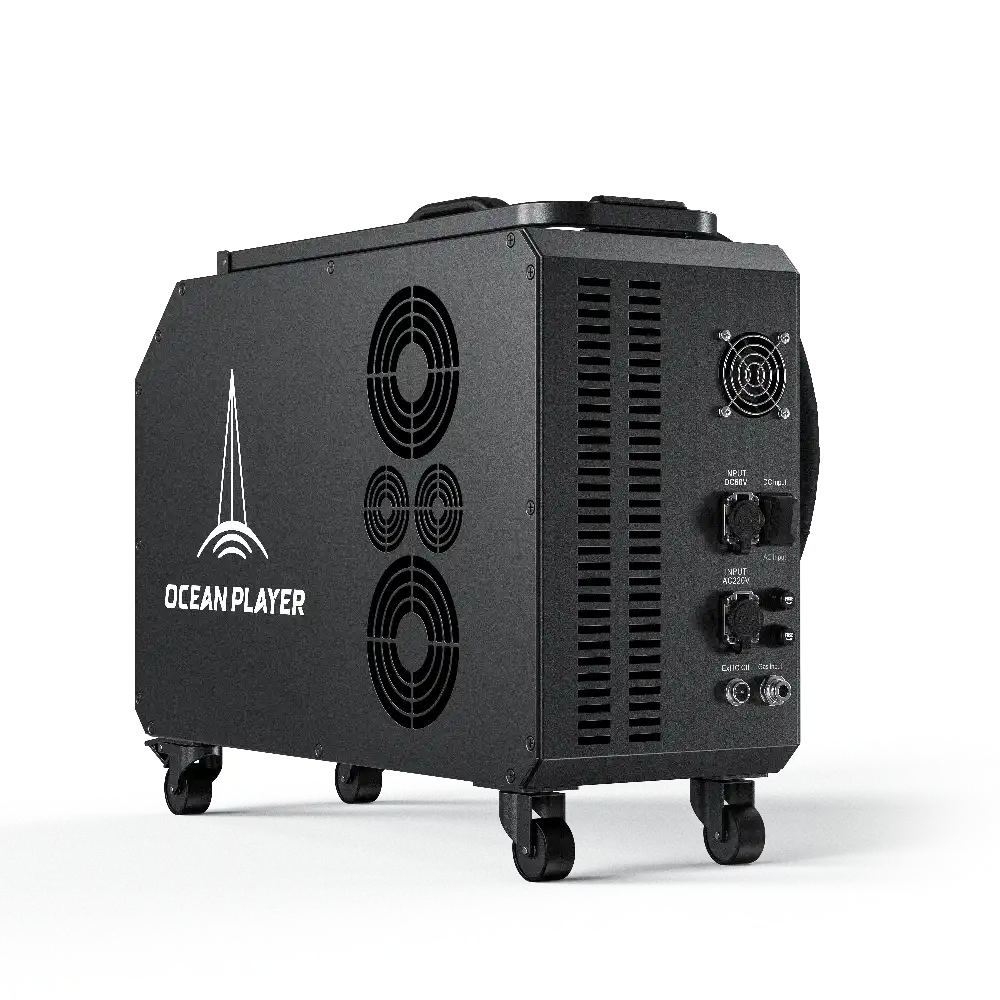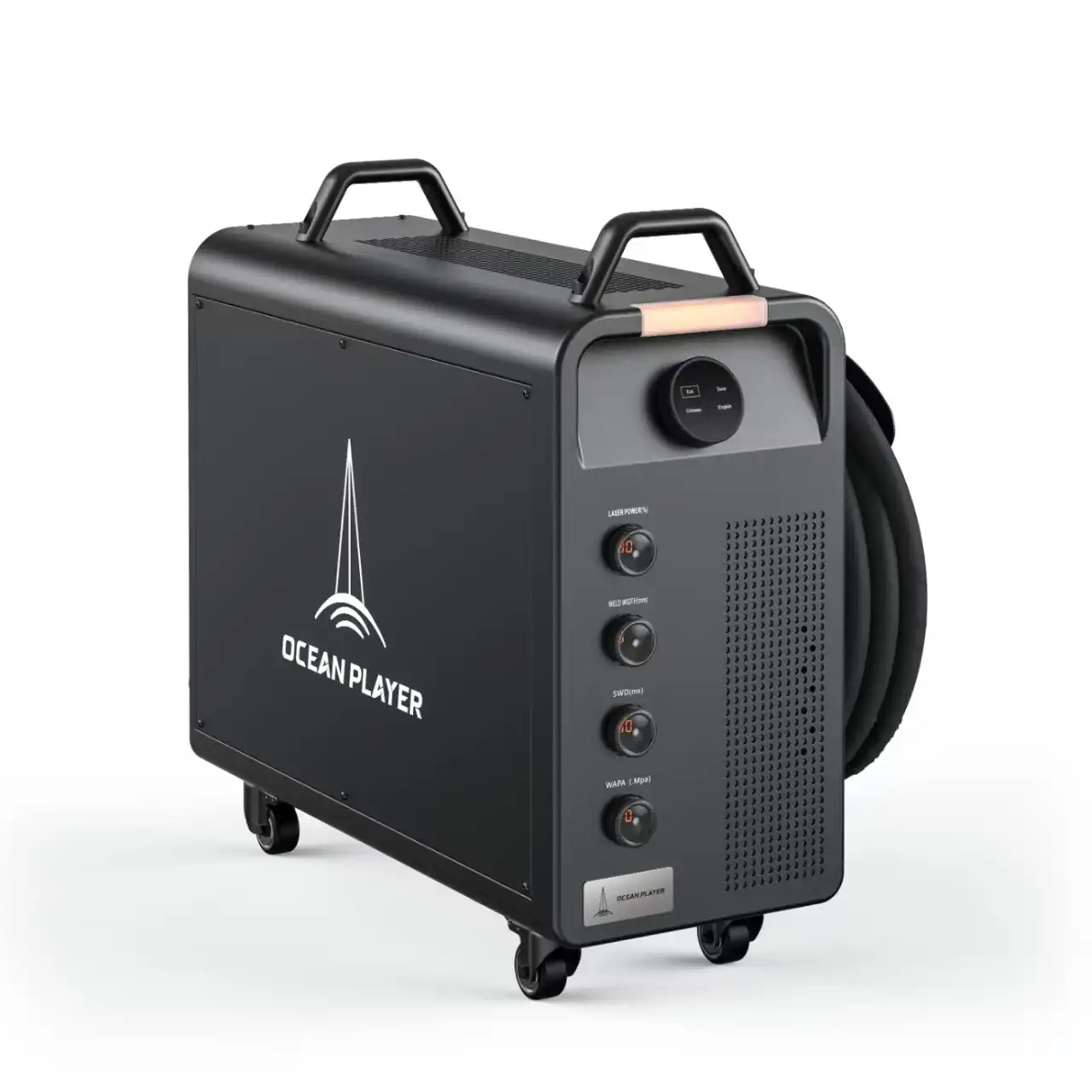

You need pure water in your laser welding water cooler. This keeps your equipment safe and working well. Tap water has minerals and other things that cause problems. These things can make scale, rust, and even algae inside the machine. Pure or deionized water helps you avoid these problems. It keeps the cooling system clean. This means your laser welding water cooler works better and lasts longer.
Key Takeaways
- Use pure or deionized water in your laser welding water cooler. This stops scale, rust, and algae from building up.
- Check and change the water every month. This keeps your cooling system clean and working well.
- Flush the system when you change the water. This helps get rid of old dirt and keeps the system working its best.
- Watch for signs of bad water, like cloudy water or algae. Fix these problems early to avoid damage.
- Pick the right water, like distilled or deionized. This makes your equipment last longer and cool better.
Risks of Impure Water in Laser Welding Water Coolers
Scale and Clogging Issues
Using tap water in your laser welding water cooler can cause trouble. Tap water has minerals like calcium, magnesium, and iron. These minerals can build up inside the cooler. They make hard layers called scale. Scale sticks to pipes and cooling plates. It can block water from moving. The cooler then has to work harder.
Tap water has minerals such as calcium, magnesium, and iron. In a closed-loop chiller system, these minerals can pile up and turn into scale. Scale forms on the inside of pipes, cooling plates, and heat exchangers. This makes the cooler not work as well. It can block water and cause overheating or even make the system stop working.
When scale grows, water cannot flow easily. The cooler might get too hot. You may have to stop and clean or fix the machine. This takes time and costs money.
Corrosion and Algae Growth
Impure water can also cause corrosion. Corrosion damages metal parts inside your laser welding water cooler. There are different types of corrosion:
- Intergranular corrosion
- Pitting corrosion
- Stress corrosion cracking
Corrosion makes the cooler weak and can cause leaks. If water leaks, the cooler cannot protect your laser welding machine. You might have to buy new parts.
Dirty water can also help algae grow. Algae are tiny plants that like warm, wet places. If algae grow inside, they can block water paths. This makes the cooler not work as well. You might see green slime or smell something bad. Algae mean you need to clean the cooler more often.
Reduced Cooling Efficiency
If you use impure water, the cooler cannot cool as well. Scale and corrosion block water. Algae slow down the system. The cooler does not work as well. Your laser welding machine can get too hot. Hot machines do not work right and can break.
- Impure water can block the cooling system and make it not work well, which can hurt the machine.
- Using tap water that is not treated can cause scale, corrosion, and clogs, which makes the cooler not work as well.
- Dirty water can hurt the inside parts of the welding machine, making it not work as well.
- Bad water can damage the cooling system and make welding not work as well.
You should keep your laser welding water cooler clean and free from dirty stuff. This helps your machine stay cool and work its best.
Benefits of Pure or Deionized Water
Clean Water Channels
When you use pure or deionized water, your laser welding water cooler works well. Tap water has things in it that can block the water channels. These blockages slow down the water and make cooling worse. Using purified or distilled water helps stop these problems. Clean water channels help your cooler work better and need less cleaning.
- Tap water can block water channels.
- Blocked channels slow water and hurt cooling.
- Pure or distilled water keeps channels clean.
Longer Equipment Life
You want your laser welding water cooler to last a long time. Pure water helps make this happen. If you do not let minerals build up, you stop scale and blockages. These problems can hurt the inside parts of your cooler. Using distilled or cold water lowers the chance of damage. You also do not have to fix or clean the cooler as much.
- Minerals can cause scale and blockages.
- Scale and blockages can hurt inside parts.
- Less damage means less fixing and a longer life.
You should also check the water quality. Watching things like pH and salt levels keeps the water safe. This helps stop scale and corrosion.
Tip: Use tools like the Langelier Saturation Index (LSI) to check your water and keep your system safe.
Stable Cooling Performance
Your laser welding water cooler needs steady cooling to work well. Good cooling keeps the laser at the right heat. This helps the laser make strong and steady welds. If the temperature changes a lot, the laser beam can get weak or change shape. Even small changes can change how deep the weld goes or how smooth it looks.
- Steady cooling keeps the laser working well.
- Good cooling stops the laser from getting too hot.
- The right temperature helps your machine last longer and work better.
A strong water chiller with pure water lets you control the temperature well. This means your laser welding water cooler can do hard jobs without trouble.
Maintaining Water Purity
Best Water Types for Coolers
You should always choose the right water for your laser welding water cooler. Using the wrong water can damage your equipment. Most laser welding equipment manufacturers recommend these types of water:
- Distilled Water: This water is very pure and has a neutral pH. It works well for most laser systems.
- Deionized Water: This water has no minerals or ions. It does not conduct electricity, which helps protect your machine.
- Reverse Osmosis Water: This water is filtered under pressure. It has very few impurities and helps stop scale from building up.
- Laser-Grade Chilled Water: This water is made just for laser cooling. It meets strict quality standards.
Choosing one of these water types helps keep your cooler clean and safe.
Tip: Always check your equipment manual to see which water type the manufacturer suggests.
Flushing and Replacement Tips
You need to keep your water pure by changing it often. Most experts say you should replace the water every month. This stops algae and other tiny things from growing inside your cooler. If you let water sit too long, it can get dirty and block the cooling paths. Clean water helps your laser welding machine stay cool and last longer.
You should also flush the system when you change the water. Flushing removes old water and any dirt or scale. To flush, drain all the water, fill the system with fresh pure water, and run it for a few minutes. Then drain and refill with new water. This keeps your cooler in top shape.
Signs of Water Quality Problems
You can spot water problems if you know what to look for. Here are some signs:
- The water looks cloudy or has a strange color.
- You see green slime or smell something bad.
- The cooler does not keep the laser as cool as before.
- You notice leaks or rust on the machine.
If you see these signs, check your water right away. You may need to flush and replace it.
| Advantage | Deionized Water | Distilled Water |
|---|---|---|
| Mineral Buildup | No mineral buildup, preventing clogs | May have some mineral content |
| Corrosion | Reduced corrosion due to lack of minerals | Potential for corrosion due to minerals |
| Cooling Efficiency | Maintains optimal flow and efficiency | Generally good, but less optimal than DI |
Deionized water removes all minerals and impurities. It does not conduct electricity, which is important for some laser systems. Distilled water is also pure, but it may have a small amount of minerals. Both types help your cooler work well, but deionized water gives the best protection.
When you use pure or deionized water, you keep your laser welding water cooler safe. If you use impure water, it can cause problems like minerals building up, rust, and bad cooling. Look at the risks in the table below:
| Key Risk | Description |
|---|---|
| Reduced Cooling Efficiency | Minerals can block the system and make it work worse. |
| Mineral Buildup | Pipes can get clogged and water moves slower. |
| Increased Corrosion | Metal parts can get damaged and not last as long. |
Pure water helps your system stay clean and work well. Change the coolant often, flush out old water, and check the water to keep it good. Doing these things helps your machine last longer and do a better job.
Tip: Try to check and change your coolant every few months so your machine does not get damaged.
FAQ
What happens if you use tap water in your laser welding water cooler?
You risk scale, corrosion, and algae. These problems can block water flow and damage your machine. You may need more repairs and cleaning.
How often should you change the water in your cooler?
You should change the water every month. Fresh water keeps your system clean and working well. If you see cloudy water or smell something odd, change it sooner.
Can you mix different types of pure water?
You should not mix distilled, deionized, or reverse osmosis water. Mixing can change water quality. Always use one type for best results.
How do you know if your water quality is poor?
- You see cloudy or colored water.
- You notice green slime.
- The cooler does not cool as well.
- You smell something bad.
If you spot these signs, flush and replace the water.
How to Choose the Right Protective Gas for Laser Welding
How Nozzle Hole Size Affects Laser Welding Wire Feeding
How to Adjust Laser Welding Wire Feeding Speed for Better Results