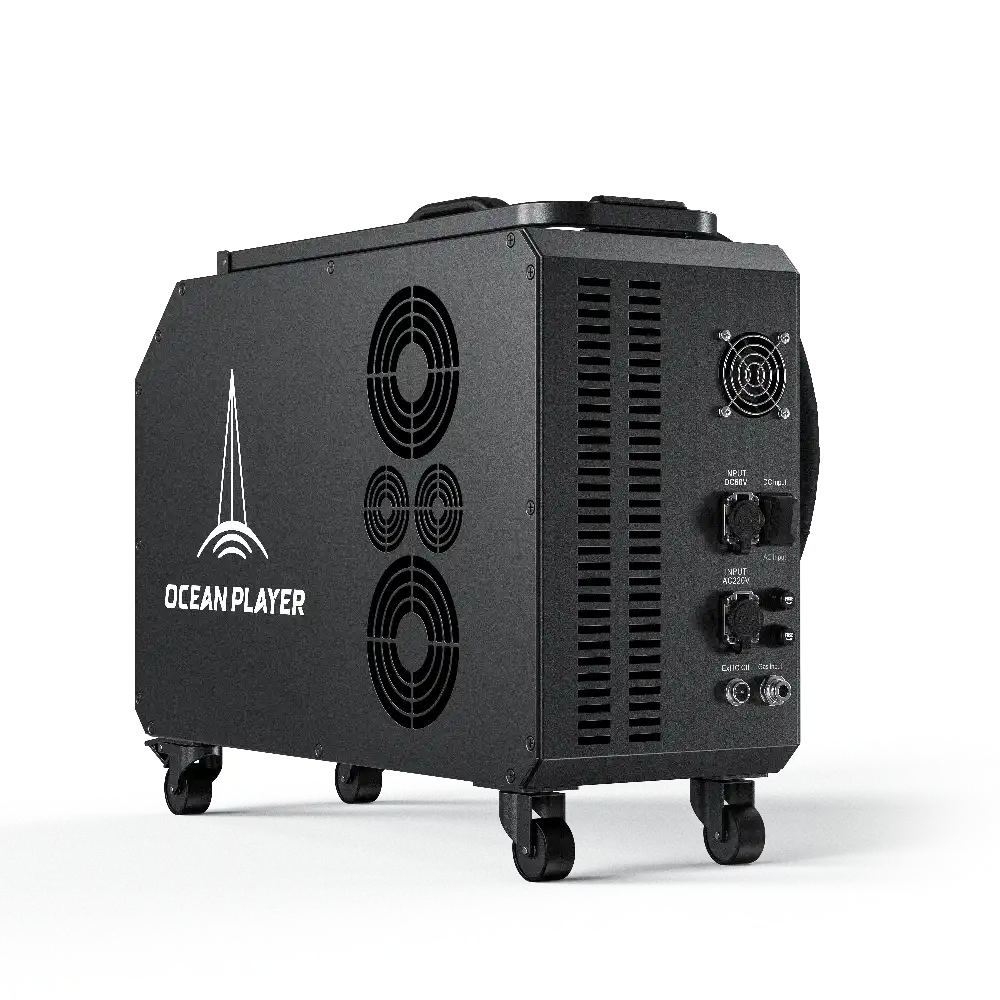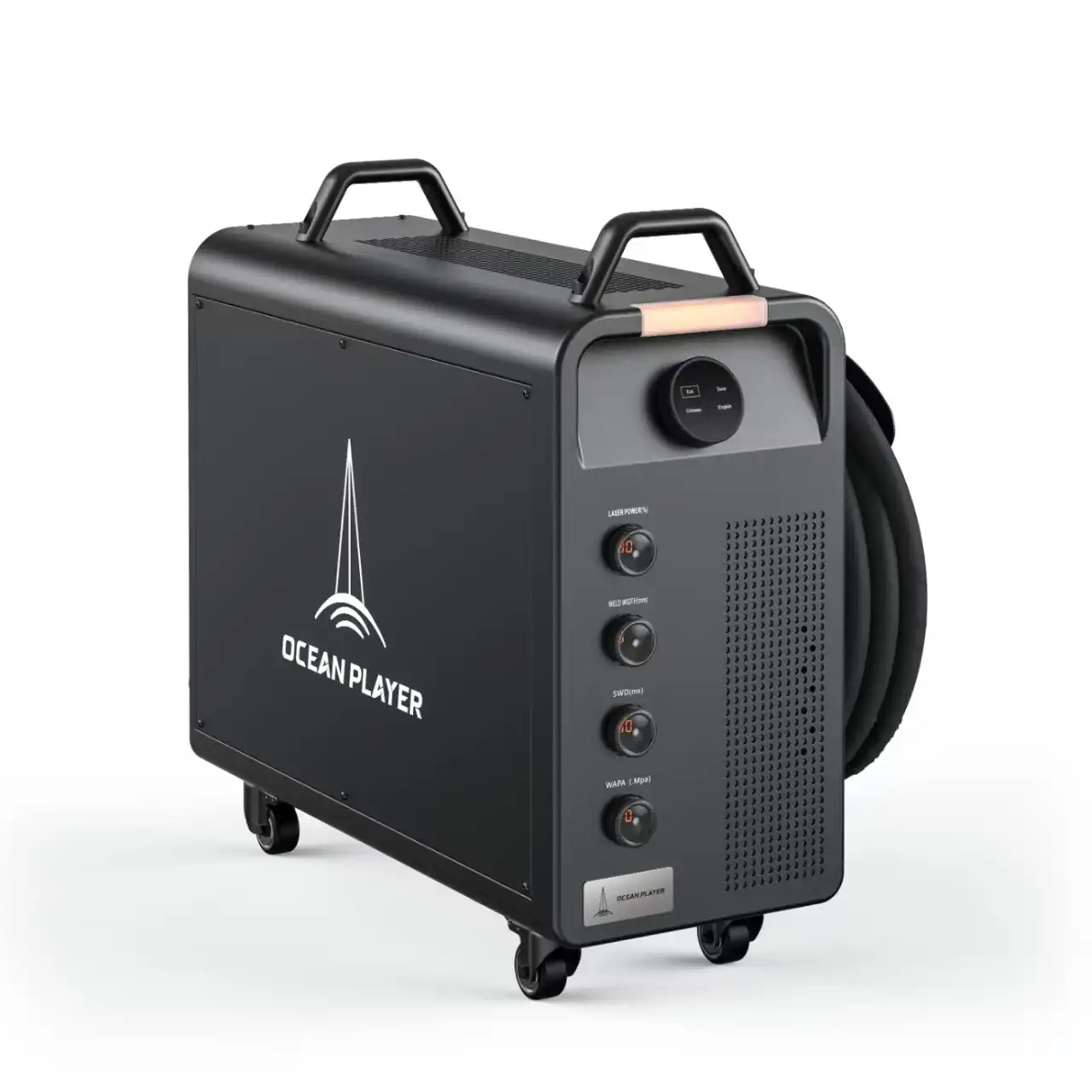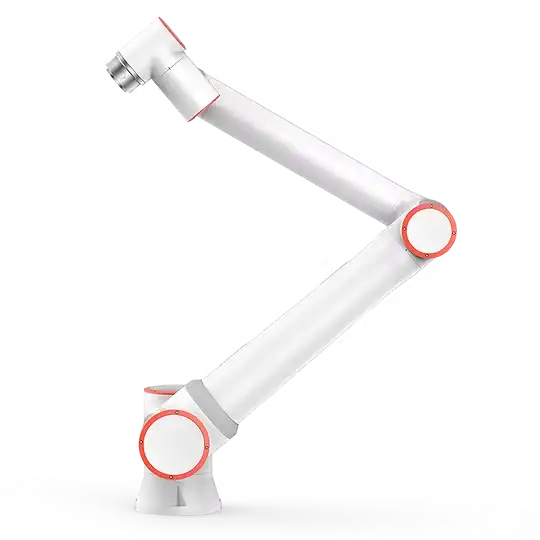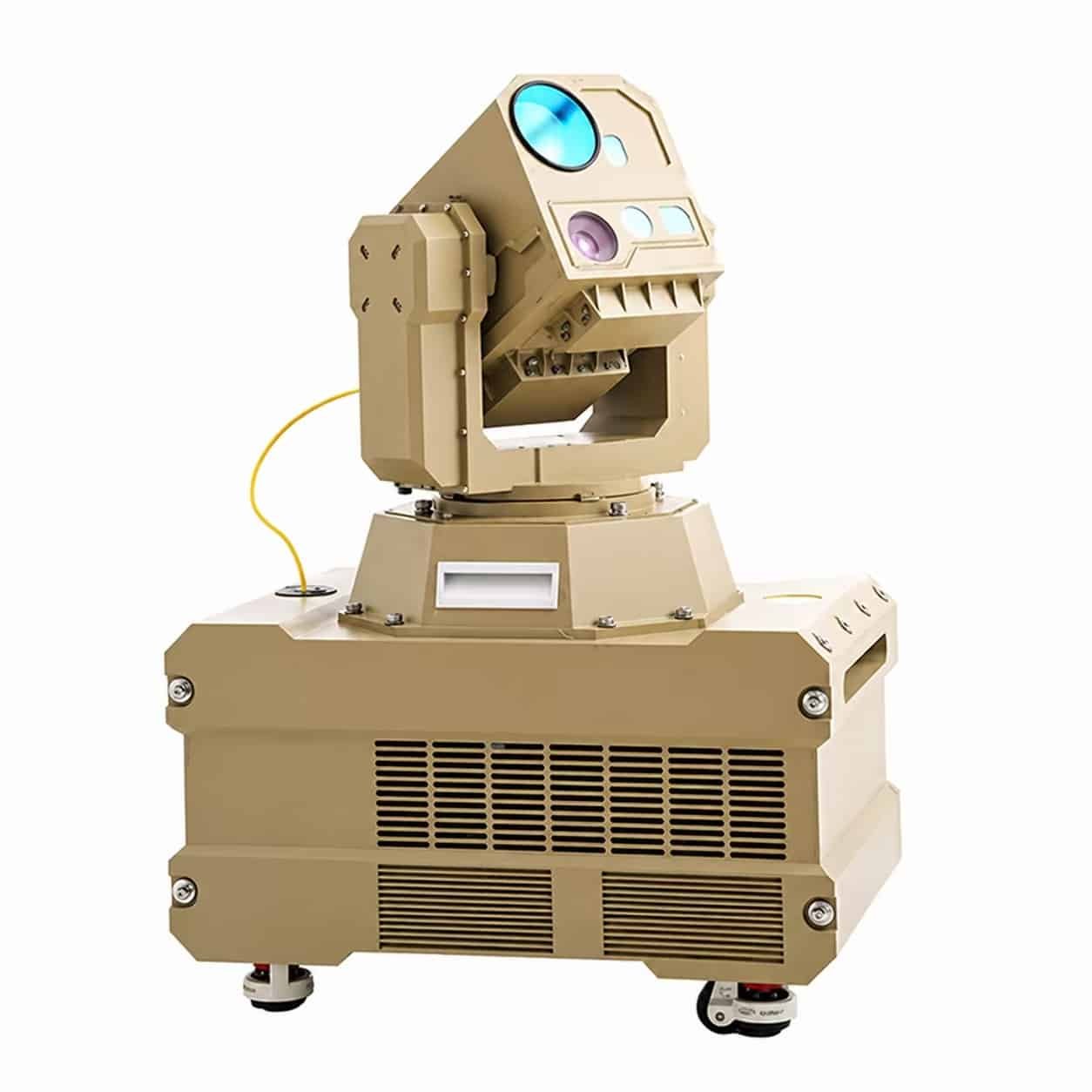
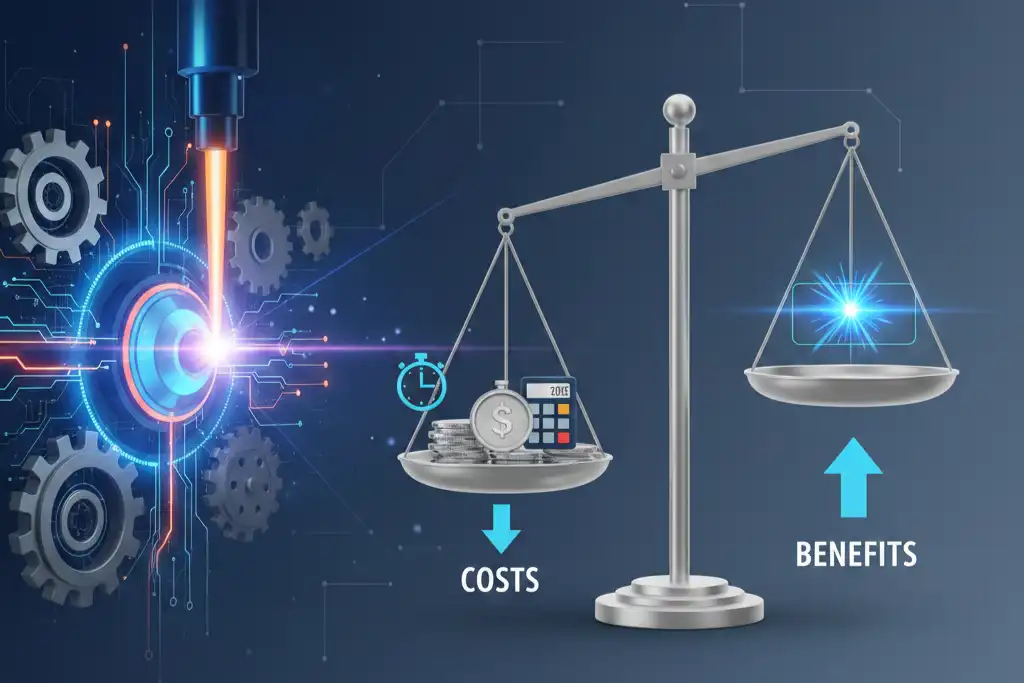
When you conduct a laser welding cost analysis, it’s important to consider more than just the initial price. You should evaluate the first payment, ongoing running costs, cost for each meter, and cost per hour. Many companies utilize metrics such as total cost of ownership, return on investment, and operational costs to guide their decision-making process.
| Metric | Description |
|---|---|
| Total Cost of Ownership (TCO) | Assesses all expenses associated with owning and operating the equipment throughout its entire lifespan. |
| Return on Investment (ROI) | Analyzes all costs and compares them to the revenue generated by the equipment. |
| Operational Costs | Encompasses energy consumption, consumables, and maintenance costs related to using the laser. |
Additionally, you should compare these factors with traditional welding methods. Consider aspects such as speed, precision, and suitability for your specific job before making a final decision.
Key Takeaways
- Think about both starting and future costs when looking at laser welding.
- Laser welding gives very exact and good results, so you do not need to fix mistakes as much.
- Using machines in laser welding can help save money on workers and make things faster.
- Look at laser welding and older ways to see which one works best for you.
- Real-life stories show laser welding can help save a lot of money.
Laser Welding Cost Analysis
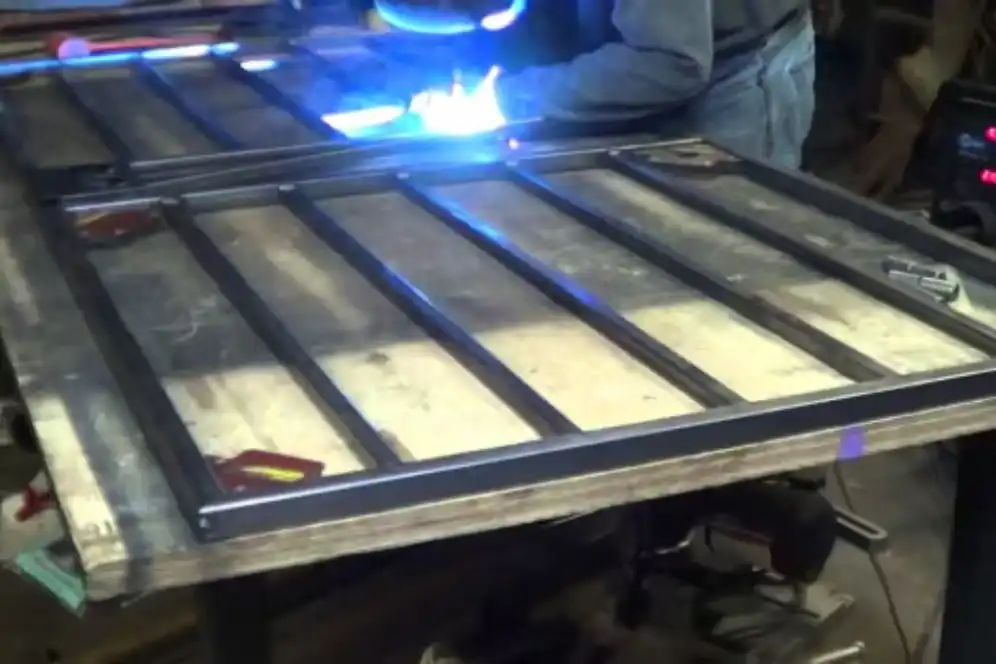
Initial Investment
TCO / ROI quick calculation box
- Key variables: CAPEX (purchase + installation), OPEX (annual energy, consumables, maintenance), Useful life (years), Salvage value, Discount rate (r), Tax rate.
- Formulas: TCO ≈ CAPEX + Σ_{t=1..n} OPEX_t/(1+r)^t – TaxShield (depreciation×tax). NPV = Σ_{t=0..n} CF_t/(1+r)^t (CF_0 = -CAPEX). ROI (%) = (Σ benefits – TCO)/TCO ×100.
- Depreciation (straight line) = (CAPEX – Salvage)/n; Tax shield ≈ Depreciation × Tax rate.
- Example assumptions (North America, USD, 2024): CAPEX = $300,000; OPEX = $40,000/yr; life = 5 yrs; salvage = $60,000; r = 10%; tax = 25%.
When you start looking at laser welding costs, check the machine price first. The price changes based on the equipment you pick. Here is a table that lists prices for different machines in 2024:
Handheld/portable laser welders in North America typically retail for about $3,000–$50,000 USD (market reports and vendor listings, 2023–2025) — see Coherent Market Insights, Laser Welding Machine Market (2025) for market context.
Clarify that the $2,000–$5,000 figure refers to MIG/TIG power sources only (the welding power supply unit). By contrast, the $50,000–$150,000 range refers to a fully equipped workstation or production‑cell that includes the power source plus fixtures, fume extraction/ventilation, safety systems, tooling, and professional installation (North America, 2022–2025); see supplier listings such as Lincoln Electric POWER MIG 260 listing (Linde Canada) and market analysis for production cells like Cognitive Market Research, Automotive Welding Market (2025).
Tip: Spending more at first can save you money later if you use the machine a lot or for hard jobs.
Cost per Meter
It is important to know the cost to weld each meter of material. The price changes with the thickness and type of metal. Here is a table that shows the average cost per meter for steel:
| Material Thickness | Cost per Meter (USD) |
|---|---|
| 1mm Steel | $0.80 |
| 3mm Steel | $1.20 |
| 6mm Steel | $2.00 |
| 10mm Steel | $3.50 |
Thicker materials need the laser to work harder. You might need a stronger laser or more passes to finish the weld. This makes the cost per meter higher for thick materials. If the weld is simple, it costs less than welding tricky shapes or corners.
Hourly Rates
You should also think about the hourly rate when checking laser welding costs. The price depends on the machine’s power and the material type. Here is a table that shows common hourly rates:
| Factor | Lower Power Machines | Higher Power Machines |
|---|---|---|
| Power Consumption | $50/hour | $150/hour |
| Material Type | Standard Metals | Specialty Materials |
| Machine Maintenance | Lower | Higher |
| Complexity of the Weld | Simple | Complex |
Lower-power machines (800W to 1500W) usually cost $50 to $80 per hour. Higher-power machines (1500W to 3000W) cost $100 to $150 per hour. If you weld special materials or do complex welds, the price can go up.
Operating Cost Factors
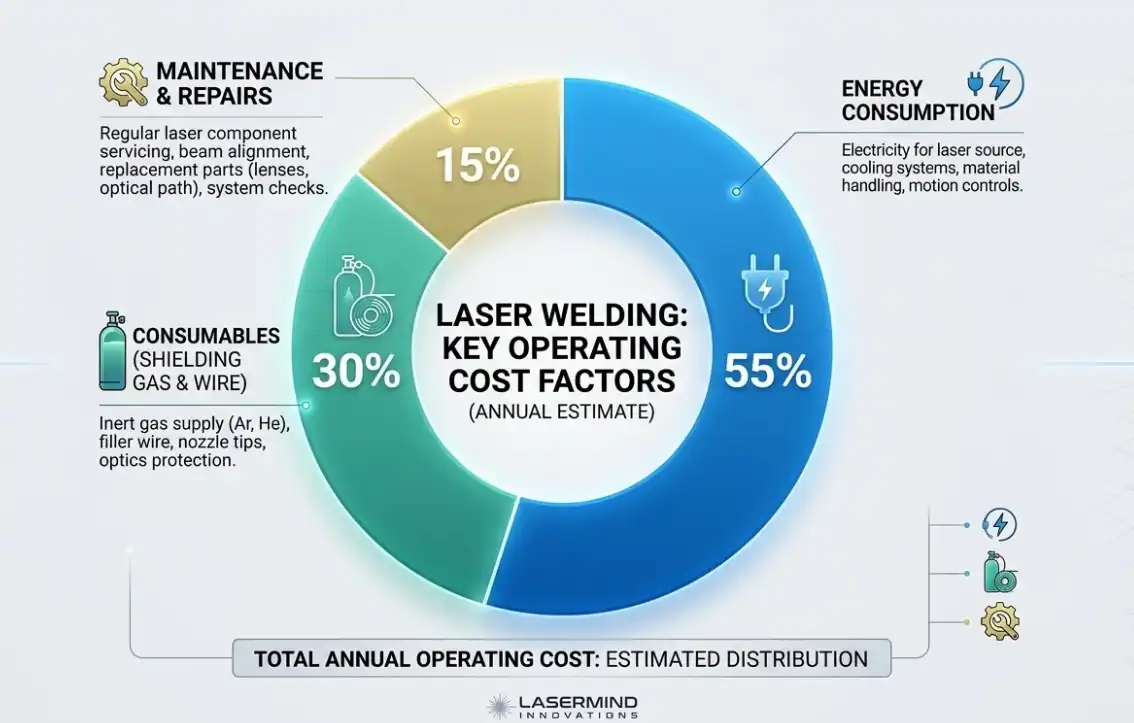
Many things change the operating costs for laser welding. You should focus on these main points:
- Energy Consumption: Fiber lasers use up to half as much power as CO2 lasers. If you use energy wisely, you can save 10% to 30% on electricity each year.
- Consumables: You need shielding gases and other supplies. These can cost $500 to $2,000 every month. Each year, you might spend $7,000 to $27,000 on consumables.
- Maintenance and Repairs: You need to keep your machine working well. Yearly maintenance costs are usually $2,500 to $6,000. If something breaks, repairs can cost $2,000 to $10,000.
Note: Picking the right machine and taking care of it can lower your costs and help you get better results.
When you finish a laser welding cost analysis, look at all these things. Compare the first cost, cost per meter, hourly rates, and operating costs. This helps you see if laser welding is the best choice for your business.
Comparing Laser and Traditional Welding
Upfront vs. Long-Term Costs
Laser welding costs a lot more at first than traditional welding. Laser welding machines can cost from $150,000 to $500,000. Regular welding machines like MIG or TIG cost much less, about $2,000 to $5,000.
| Welding Method | Upfront Cost Range |
|---|---|
| Traditional (MIG/TIG Power Source) | $2,000–$5,000 * |
| Traditional (Complete Workcell) | $50,000–$150,000 * |
*Price ranges are illustrative for North America (USD), covering typical retail/quote ranges between 2022–2025. “Power Source” refers to the welding power unit only (bench or shop‑floor machine); “Complete Workcell” includes fixtures, ventilation, safety interlocks, accessories, and professional installation and is commonly quoted by systems integrators. Exact pricing depends on features and site scope; obtain vendor quotes for firm estimates (source placeholder).
Laser welding is expensive because it uses advanced technology and needs special safety parts. But over time, you can save money with laser welding. It uses less energy, needs fewer supplies, and does not need as much fixing. The price of laser welding machines is also going down by 10-15% each year.
Evidence snapshot (prices and quality, 2019–2024):
Industry data shows sustained price erosion in fiber lasers used for materials processing. Average selling prices fell by about 10–15% in Laser Focus World’s 2024 “Laser Markets” review, with additional pricing pressure noted in IPG Photonics’ Q4 2023 results (2024). In high-volume automotive lines, first‑pass yields of 98–99% (rework ≤2%) have been reported after process optimization, as documented in TWI’s automotive laser welding case analysis (2019–2022).
Power and Efficiency
Laser welding lets you work faster and better. Robotic laser welders can run all day and night. This means you can finish more work in less time. The welds are cleaner, so you do not have to clean up much after. Laser welding machines use energy well, so your power bills are lower. This helps your business save money over time.
- Robotic laser welders make jobs faster and increase production.
- Automated lasers make strong and even welds.
- Clean welds mean you do not need to do much extra work.
Precision and Quality
Laser welding makes very neat and exact welds. You can use it for small jobs or parts that must look perfect. The laser only heats a small spot, so your parts do not bend or get hurt. Here is a table that shows how laser welding and traditional welding are different:
| Aspect | Laser Welding | Traditional Welding |
|---|---|---|
| Precision | Very high, great for fine work | Moderate, TIG is most precise |
| Heat-Affected Zone | Small, less warping | Large, more risk of distortion |
| Weld Quality | Clean, smooth, little finishing needed | Rougher, more finishing needed |
Laser welding also means you do not have to fix mistakes as much. For example, fixing mistakes drops from 15-20% with MIG welding to less than 2% with laser welding. Scrap rates also go down to less than 1.5%.
Case Studies
Many companies switched to laser welding and saved a lot of money. In car factories, laser welding made more products and lowered costs. One company got its money back in two years by saving $50,000 a year on workers and $20,000 on scrap. In airplane factories, fiber laser welding made welds four times faster. A medium machinery company needed 75% fewer workers and cut waste to just 1% after using laser welding.
Tip: When you check laser welding costs, remember to look at both the first price and the money you save later. Real examples show laser welding can pay off fast if you make a lot of products.
Laser Welding Technology Value
Key Components
A laser welding system has many important parts. Each part makes the total price higher. Most industrial setups have these main parts:
- High-Precision Lasers: These lasers do the welding job. They cost more because they use smart engineering.
- Control Systems: These systems help you use the machine well. They make sure your welds are correct.
- Safety Features: These keep workers safe. Safety is needed in every shop and adds to the price.
There are different machines you can pick. Handheld laser welders cost $10,000 to $30,000. CNC laser welding machines are more exact and cost $30,000 to $100,000. Industrial laser welding robots are the most costly at $100,000 to $500,000.
| Component/Feature | Cost Range |
|---|---|
| High-powered laser sources | $50,000 to $500,000 |
| Automation level | Varies |
| Additional features (e.g., cooling systems) | Included in price |
| Entry-level systems | More affordable |
| Industrial-grade machines | Higher prices |
Why Costs Are High
Laser welding costs more than regular welding. You pay extra for better equipment, skilled workers, and special training. Training a team costs $3,000 to $15,000. You also pay for expert maintenance. The price is higher because laser parts are expensive. Automation like robot arms makes the cost go up even more.
| Factor | Description |
|---|---|
| High Equipment Cost | Laser welding machines cost much more than regular ones. |
| Specialized Training Requirement | You need skilled workers, so costs go up. |
| Operational Complexities | Using laser welding is tricky, so it costs more to run. |
| Energy Conversion Efficiency | Lasers do not use all energy well, so power costs more. |
| Safety Concerns | Strong lasers need extra safety steps and gear. |
Note: Small companies often think these costs are too high. The price of laser parts makes it hard for some businesses to use laser welding.
Customization and Versatility
Laser welding systems give you lots of choices. You can change them for your job. This helps you do special projects and make better welds. You also work faster and get more done.
| Aspect | Benefit |
|---|---|
| Tailored Solutions | Fits special project needs |
| Enhanced Precision | Makes welds better |
| Overall Efficiency | Makes production smoother |
Many industries use laser welding because it is flexible. Car makers use it for strong, light cars. The medical field uses it for tiny, exact parts. Airplane companies use it for tough metals and safe frames. Electronics makers use it for small, careful jobs.
- Laser welding makes building things easier.
- You save money and finish work faster.
- You can weld many shapes and materials with good accuracy.
Tip: If you need very exact welds and want to change your process, laser welding gives you what you need.
Industry Benefits
Automotive Applications
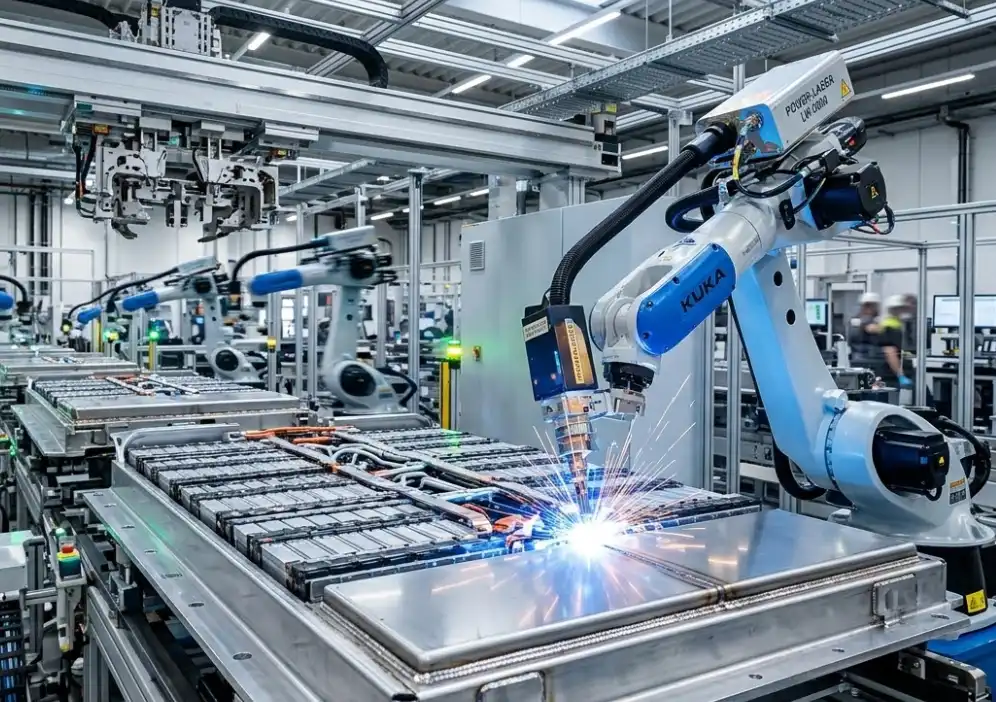
Laser welding is used a lot in making cars. Car companies use it to make cars strong and safe. It helps join roof panels, trunk lids, and doors with great accuracy. Laser welding is also used for battery packs and exhaust systems.
- The world market for industrial laser welding could be $2.9 billion by 2025. Car making is a big part of this, making up 38% of the growth.
- Car makers get joints that are 30% stronger. They can also make cars up to 75% faster than with old welding.
- More car companies use laser welding every year. The growth rate is 5.2%, especially for batteries.
- Adaptive beam oscillation helps when parts do not fit perfectly.
- Real-time monitoring checks over 200 things to keep welds good.
- You can join different materials with little bending. Automated inspection systems help check the welds.
Laser welding makes building cars quicker and more dependable. Welds are cleaner and joints are stronger, so cars are safer.
Drone Manufacturing
Laser welding helps make drones lighter and tougher. It lets you work with very small limits, like ±0.001 inches. You can join aluminum alloys and carbon fiber, which helps keep drones light and strong.
- Laser welding is up to five times faster than old ways. You can finish more drones in less time.
- You save money because you need fewer workers and machines.
- You can join thick parts for tricky drone pieces.
- Laser welding can take the place of riveting in aircraft. This saves money and makes joints stronger.
- You fix fewer mistakes and get better welds, so there are fewer errors.
Laser pendulum welding helps join fuel tanks with more strength and speed. You spend less fixing things and get drones that work better.
Reduced Rejects and Costs
Laser welding helps you have fewer bad products and save money. You waste less and pay less for warranties. In electronics and medical devices, laser welding lowers bad product rates by 40-60% compared to spot welding. One company had 35% fewer rejected devices after using femtosecond fiber laser systems.
| Cost Saving Mechanism | Description |
|---|---|
| Decreased Labor Hours | Automation and accuracy mean less hand work. |
| Minimized Material Waste | Accurate welding wastes less material. |
| Lower Energy Consumption | Efficient lasers use less power than old ways. |
| Reduced Post-Weld Work | Clean welds need less extra work and cleaning. |
You can also make more products without hiring more people. Laser welding gives you better welds, fewer mistakes, and lower costs.
When you look at laser welding cost analysis, you should balance the first payment with long-term savings. You need to check machine prices, running costs, and how much you save over time. Consider how new technology and industry needs can help your business.
- Use real-world data and case studies to make smart choices.
- Focus on both costs and benefits for your specific job.
Remember, careful planning helps you get the most value from your investment.
FAQ
What factors affect the cost of laser welding?
You need to think about the machine you use. The thickness of the material matters too. Power level is important for the price. If the job is hard, it can cost more. All these things change how much you pay.
How does laser welding save money over time?
You spend less money because it uses less energy. There is not as much waste. You do not need to fix the machine as often. Automation means you do not need as many workers.
Is laser welding better for thin or thick materials?
| Material Type | Laser Welding Suitability |
|---|---|
| Thin Metals | Very good |
| Thick Metals | Works, but costs more |
Can you use laser welding for small parts?
You can weld tiny parts with great accuracy. It is good for electronics and medical tools. People also use it for jewelry.