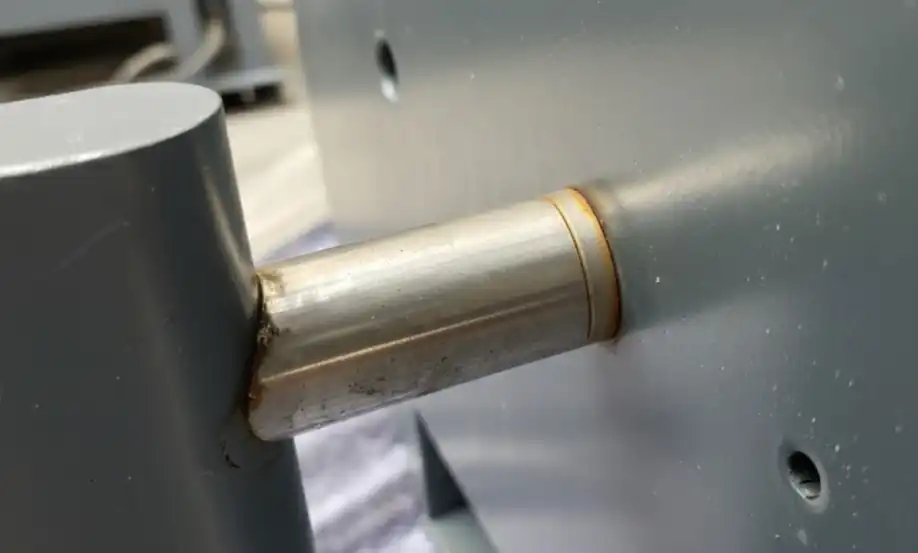
You might think 304 stainless steel does not rust, but it can. Sometimes, you may see reddish spots on it in some places. This happens when it is near saltwater or in warm areas with chloride. The protective layer can break down in these spots. 304 stainless steel usually fights rust well in most places. But, if there is a lot of chloride or heat, it can get pitting and corrosion. 304 stainless steel resists rust better than 430. But, it does not do as well as 316 in tough places.
Key Takeaways
- 304 stainless steel can rust. This happens more in tough places with salt, chlorides, or high heat.
- The chromium oxide layer protects the steel. It stops rust by keeping water and air away from the metal.
- You need to clean and take care of the steel often. This keeps the protective layer strong and stops rust from forming.
- Do not use the same tools on other metals and stainless steel. This helps stop rust from spreading from other metals.
- You can use special coatings to protect the steel. You can also use better stainless steel, like 316, in places where rust is a big problem.
Why 304 Stainless Steel Rusts
Protective Chromium Layer
304 stainless steel does not rust easily. This is because it has chromium. Chromium mixes with oxygen in the air. It makes a thin layer called chromium oxide. This layer protects the steel. It stops water and air from touching the metal. More chromium means a stronger shield. This process is called passivation. Passivation keeps the steel shiny and new.
- Chromium makes a thin shield of chromium oxide.
- The chromium oxide layer stops rust and corrosion.
- More chromium means better protection from rust.
Many people think stainless steel never rusts. That is not true. Rust can happen if the shield breaks. Sometimes, rust comes from dirt or other things. It does not mean the steel is bad. Most rust happens in tough places, not in normal air.
- Stainless steel can rust in harsh places.
- Rust does not always mean fake steel.
- Stainless steel is not totally rust-proof.
When the Layer Fails
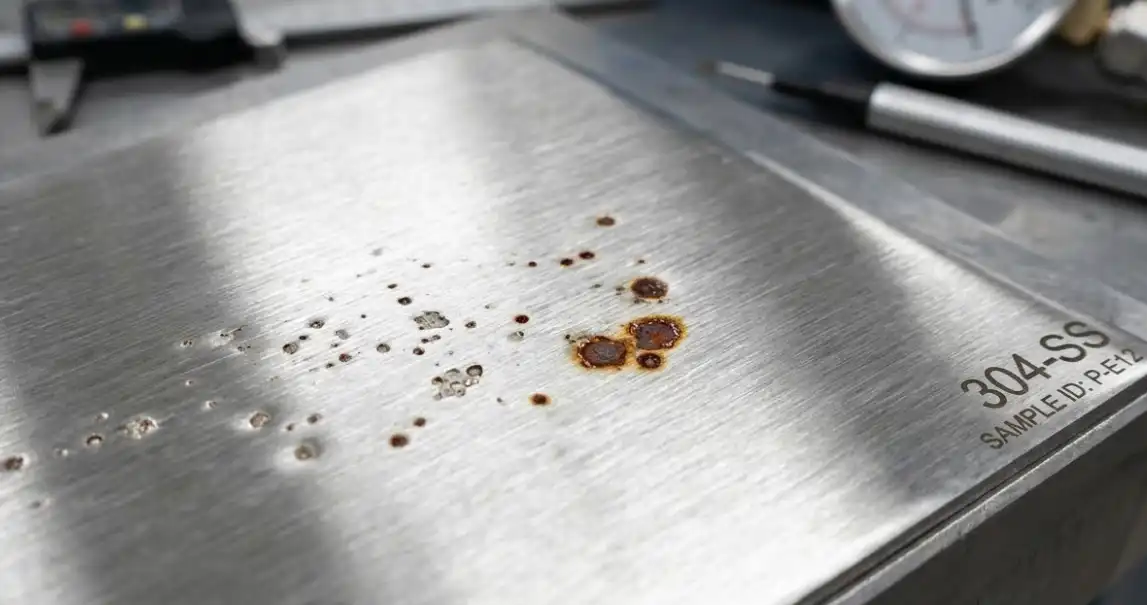
The shield can break in some situations. Salt, chlorides, or high heat can damage it. Then water and air can reach the metal. This causes rust. Welding can also make weak spots. Heat and stress from welding change the steel. These changes make rust more likely.
SCC is very dangerous because it can make parts break suddenly. Welding creates all three things needed: a weak microstructure, high stress, and a surface that reacts with chlorides.
You might see small holes or cracks. Tiny bits inside the steel can dissolve and start pits. Carbide particles can make spots lose chromium. These spots get weaker. D-ferrite can also change how well the steel fights rust.
- The shield can break and cause rust in small areas.
- Small holes and cracks may form.
- Changes from welding or tiny bits can cause rust.
- Chlorides and stress make rust more likely.
If you keep stainless steel away from harsh things and stress, the shield stays strong. You can stop rust by knowing what breaks the shield.
Main Causes of Rust on 304 Stainless Steel
Salt and Chloride Exposure
Rust can show up on 304 stainless steel if it touches salt or chloride. Chloride ions hurt the chromium oxide layer that protects the steel. This damage makes tiny holes called pits. These pits can get deeper as time goes on. You often see this near the ocean or where salt is used on roads in winter.
Tip: Keep stainless steel away from salt and chlorides to lower rust risk.
Here are some things in the environment that cause rust:
- Being around chloride
- Having moisture nearby
- Needing good surface care and cleaning
Chloride ions make it hard for the steel to fix itself. This causes rust in small spots. Pitting and crevice corrosion happen where there is not much oxygen, like under bolts or gaskets.
| Chloride Concentration (g/m²) | Corrosion Observations |
|---|---|
| 0.1 | Only a few small rusty spots |
| 1 | Lots of rust and cracks |
Test & source — Chloride concentration table
- Standard: ASTM G48 (Methods A/B) — “Standard Test Methods for Pitting and Crevice Corrosion Resistance of Stainless Steels by Use of Ferric Chloride Solution.”
- Medium: 6 wt% FeCl3 in deionized water (pH ≈0.4–1.3).
- Conditions: typical test temperatures 22°C or 50°C; exposure 24–72 h (project‑dependent).
- Surface: cleaned/pickled or ground (e.g., ~600 grit). Sample size: n=3–5; report mean ± SD and inspection method (visual/microscopy/weight loss).
- Reference: see ASTM G48 standard summary for method details.
Test & source — Temperature vs. weight‑loss table
- Standard: ISO 9227 (Neutral Salt Spray, NSS) — “Corrosion tests in artificial atmospheres — Salt spray tests.”
- Medium: 5% NaCl (50 ±5 g/L), pH 6.5–7.2; continuous salt fog per ISO 9227.
- Conditions: chamber temperature 35°C ±2°C; exposure times user‑defined (report hours used); specimens mounted 15–25° from vertical; avoid specimen dripping/contact.
- Surface: cleaned/degreased; report surface finish and prep (e.g., polished to ~600 grit). Sample size: n=3–5; report mean ± SD and measurement method (mass change/TGA/image analysis).
- Reference: see ISO 9227 summary for test parameters and reporting guidance.
If you use 304 stainless steel where there is lots of salt, rust is more likely. Places near the sea are very tough on steel. Seawater has sodium chloride, which makes rust happen faster. Splash zones and places with salt spray are risky. You might want to use 316 stainless steel, which has more molybdenum, in these places.
High Temperatures
High heat can hurt the protective layer on stainless steel. When the metal gets hot, the shield cannot fix itself well. This lets rust form more quickly. You see more rust as the temperature goes up.
| Temperature (°C) | Weight Loss (mg/cm²) |
|---|---|
| 500 | 1.61 |
| 600 | 1.80 |
| 700 | 8.12 |
Note on test conditions: reported weight‑change figures depend strongly on test atmosphere and specimen prep. Typical lab methods include isothermal TGA or furnace exposures in air (oxidation) or salt‑bearing media (NSS/FeCl3) with durations from hours to hundreds of hours, and specimens mechanically polished and cleaned before testing. Differences in medium, temperature profile, exposure time and surface finish materially change mass‑change results and limit direct field extrapolation (see ASTM G48 and ISO 9227).
Note: The temperature–weight‑loss figures depend strongly on test conditions. Standard laboratory methods differ — e.g., ASTM G48 ferric‑chloride pitting tests typically use a 6 wt% FeCl3 solution (sometimes with 1% HCl), polished/deburred specimens and immersion times of 24–72 hours, while ISO 9227 (NSS) uses a 5% NaCl solution (pH ~6.5–7.2) at 35°C ±2°C for 48–500 hours. Surface finish, test medium, temperature and exposure time materially change mass‑loss results and limit direct transfer to field performance (ASTM G48, ISO 9227 NSS).
304 stainless steel can handle heat up to 870°C. If you use it with water or chemicals at high heat, rust can start. Using steel with more chromium or molybdenum helps stop rust.
Note: High heat makes rust more likely, especially with water or chemicals.
Contamination from Other Metals
Rust can happen if regular steel or iron touches stainless steel. Free iron from these metals can stick to the surface. This iron turns to rust and makes spots. The iron breaks the protective layer and makes the steel weaker.
This often happens when tools or machines touch both mild steel and stainless steel without cleaning. Grinding dust or welding bits can also move iron. Even sweat can cause trouble if you do not clean the steel.
- Regular steel or iron can leave free iron on stainless steel.
- Free iron turns to rust.
- Iron left behind hurts the protective layer and raises rust risk.
- Using the same tools for different metals without cleaning can cause this.
Tip: Always clean tools and surfaces before working with stainless steel to stop cross-contamination.
Humid and Marine Environments
Humidity and being near the sea make rust more likely. High heat and moisture speed up rust. If you keep humidity at 20% RH, you can stop stress corrosion cracking. Dry places do not cause as much rust as wet or salty ones.
- 304 stainless steel fights rust well but can still rust.
- Wet or salty places raise the risk because of high chloride and moisture.
- Dry places are less likely to cause rust.
In chloride‑bearing environments, lowering relative humidity (for example toward ≤20% RH) can significantly reduce the risk of chloride‑induced stress‑corrosion cracking (SCC), but the effect is conditional on temperature, salt type/concentration (deliquescence RH), time‑of‑wetness and applied stress; see AMPP/NACE review on chloride SCC for context.
Near the sea, small areas on the metal can get rusty pits. Chloride ions in seawater attack these spots. The pits can grow and cause damage. Rust can also form in tight spaces with little oxygen, like under gaskets.
You do not see much rust on 304 stainless steel in normal air. The chromium oxide layer keeps the metal safe. In most places, rust happens slowly. Problems show up in tough places with lots of moisture or salt.
Reminder: If you use stainless steel in dry, clean air, rust is rare. Most problems happen in harsh places.
Preventing Rust on 304 Stainless Steel
Cleaning and Maintenance
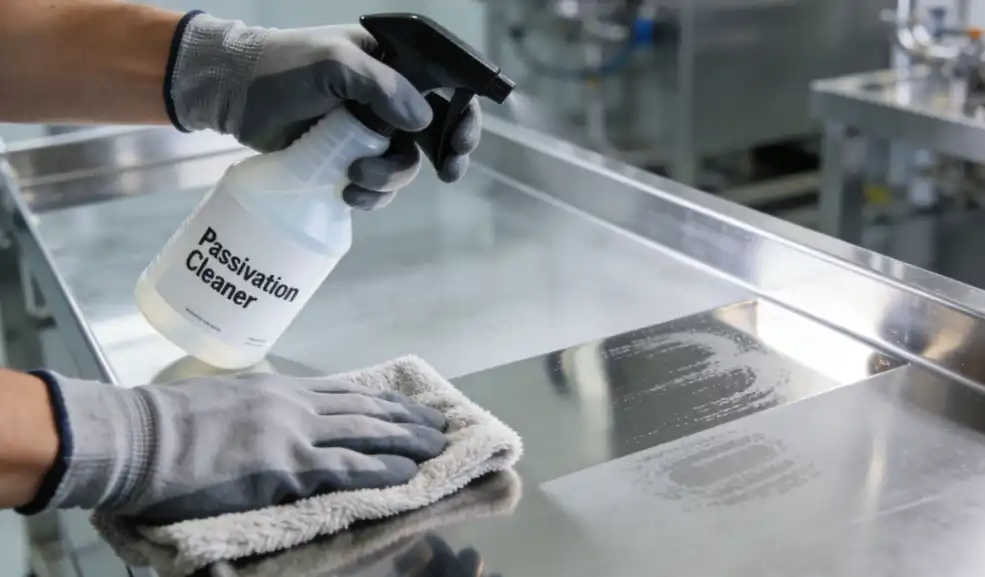
You can stop rust on 304 stainless steel by cleaning it often. Dirt, salt, and grime can hurt the shield that protects the metal. If you live near the ocean or use it outside, rinse the steel with fresh water every day. Use gentle soap and do not use cleaners with chlorine, because they can harm the metal. After dry weather, scrub the steel to get rid of salt. Buff the metal with a shinola kit before you see any rust. Passivation makes the shield stronger, especially after welding. Citric acid cleaners work well and do not need much buffing. If you see rust, use phosphoric acid to remove it without hurting the steel. For bigger rusty spots, acetic acid works, but always rinse with distilled water after using any acid.
Safety and chemical checklist (short)
- PPE: chemical‑resistant gloves (nitrile/neoprene), splash goggles plus face shield, chemical‑resistant apron/coveralls; use an N95 or respirator per the product SDS if mists or strong fumes are present.
- Dilution examples: citric acid ~4–10% (pH ≈2–3); phosphoric passivation commonly ~20–25% for elevated‑temperature baths—always follow vendor WPS/SDS.
- Mixing rule: always add acid to water, never water to acid; measure pH after mixing.
- Neutralize spills with sodium bicarbonate solution and rinse thoroughly with deionized or fresh water for 2–5 minutes; verify rinse pH is neutral.
- Follow the chemical SDS, provide local exhaust for strong acids, and train operators before single‑operator use.
Tip: Check your stainless steel often for rust. If you find rust, fix it right away so it does not spread.
Maintenance frequency and tools
| Environment | Suggested frequency | Tools & inspection points |
|---|---|---|
| Inland (low salt) | Rinse/wipe: every 3 months; spot‑check after storms | Fresh water rinse, neutral pH cleaner, microfiber cloth; inspect for salt film, new spots or weld discoloration |
| Coastal (near shore, <5 km) | Rinse: weekly; full clean & inspect: monthly | Fresh water rinse after exposure, soft brush, citric/phosphoric cleaner, pH strips, PPE (gloves/goggles); check for tea‑staining, crevice pitting, fastener corrosion |
| Splash / splash‑zone (direct spray/submersion) | Rinse: daily; full clean & inspect: monthly | Fresh water flush, 3M light scrub pad, phosphoric rust cleaner, heat‑shrink and terminal checks; verify no new pitting, secure fasteners and seals |
Follow these simple schedules and checks to make maintenance actionable by environment and reduce the chance of early pitting or tea‑staining.
Chemical safety checklist (PPE & steps)
- PPE: chemical‑resistant gloves (nitrile or neoprene), splash goggles plus face shield, chemical apron, and ventilation or local exhaust. Use an approved respirator if fumes are present.
- Dilution example: citric passivation ~4–6% w/v (follow vendor SDS); always add acid to water, never water to acid. Keep working temperatures 20–60°C (68–140°F) as vendor specifies.
- Neutralize spills/used bath with a dilute sodium bicarbonate solution, then rinse thoroughly.
- Final rinse: flush with deionized or fresh tap water for 2–5 minutes and dry.
- Coastal guidance: rinse exposed parts with fresh water 1–3×/week depending on proximity and Cl− exposure to lower pitting risk.
For full process ranges and acceptance tests, see ASTM’s A967/A967M-17 passivation specification for stainless steel and ASTM’s A380/A380M-17 practice for cleaning, descaling, and passivation, which outline solution compositions (citric/nitric), process temperatures, rinsing protocols, and verification methods (e.g., water-break and copper sulfate tests).
Avoiding Cross-Contamination
Rust can start when other metals touch stainless steel. You should use different machines and tools just for stainless steel. Keep each part apart so they do not touch. Do not use iron tools in a shop that is not very clean. Never passivate more than one kind of stainless steel at once. Mixing stainless steel with carbon steel tools or parts can cause rust. Store your things in dry places and keep them away from salty air. Pick the right grade for where you use it. If you use 304 stainless steel near the sea, rust can happen faster.
| Procedure Type | Recommendation |
|---|---|
| DO | Use certain machines only for stainless steel; use the same coolant for stainless steel, not for other metals. |
| DO | Keep parts apart during treatment so they do not touch, especially with free-machining stainless steels. |
| DON’T | Do not use tools with iron in shops that are not very clean. |
| DON’T | Do not passivate more than one stainless steel at once to stop mixups and reactions. |
Protective Coatings
You can keep 304 stainless steel safe by using special coatings. Epoxy, polyurethane, and acrylic coatings make a barrier against water, salt, and chemicals. STAINLESS SHIELD® works well near the sea and keeps out salt and dirt. Silicon coatings like Silcolloy® and Dursan® help the steel last longer, even in salty places. Coatings slow down rust and stop it from starting. If you need more protection, pick a higher grade like 316 or 2507 for tough places. These grades fight rust better because they have more molybdenum.
| Coating Type | Description |
|---|---|
| Epoxy | Gives great protection from scratches, chemicals, and hits. |
| Polyurethane | Is strong and protects against weather and other things. |
| Acrylic | Is easy to use and gives good protection. |
Note: In tough places, coatings help, but sometimes you need a better stainless steel grade for long use.
Rust can show up on 304 stainless steel if the chromium oxide layer gets damaged. Salt, chemicals, or scratches can hurt this layer. Cleaning the metal helps stop rust from forming. Try not to scratch the surface or let it touch harsh things. Using coatings can also protect the steel. Check your items often and pick the right grade for where you use them. Taking care of your stainless steel makes it last longer and stay strong.
Main reasons for rust:
- The protective layer is lost
- The steel is in tough places
- Scratches or other metals touch it
Remember: If you take good care of your stainless steel, it will stay shiny and strong for a long time.
FAQ
Why does 304 stainless steel rust near the ocean?
Salt in ocean air contains chloride. Chloride attacks the protective layer on your stainless steel. This causes rust to form, especially in small pits or cracks.
Why should you clean stainless steel often?
Dirt and salt can damage the shield that protects your steel. Regular cleaning helps you remove harmful particles. This keeps your stainless steel shiny and strong.
Why does rust spread if you do not treat it quickly?
Rust weakens the protective layer. If you leave rust alone, it grows and damages more of your steel. Quick treatment stops rust from spreading.
Why is 316 stainless steel better for harsh environments?
316 stainless steel has more molybdenum. This extra element helps your steel resist rust from salt and chemicals. You should choose 316 for places with lots of moisture or chloride.