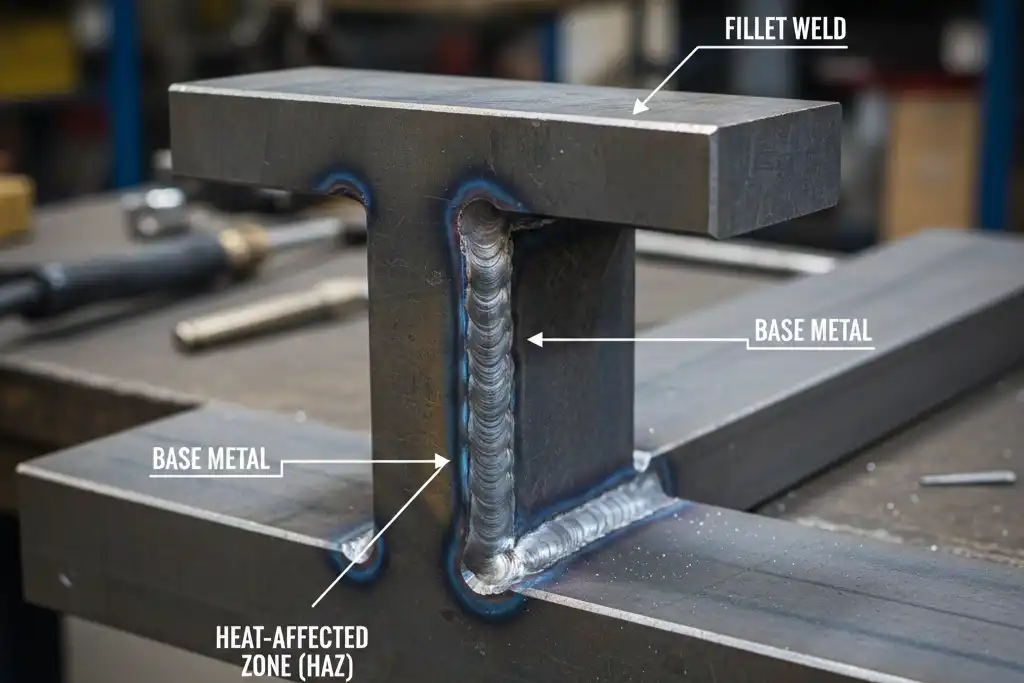
A welded T-Joint is also called a tee joint. It connects two metal pieces at a right angle. One piece stands up on the flat surface of another. This makes a clear “T” shape. The joint gives a strong connection. It can hold weight from many directions. You see this shape when two metal parts meet at 90 degrees. It helps the structure stay stable and firm.
Key Takeaways
- A welded T-Joint joins two metal pieces at a right angle. This makes a strong ‘T’ shape that gives support.
- Fillet welds are often used in T-Joints. They fill the space between the upright and flat pieces. This makes a strong connection.
- T-Joints can hold different types of weight. They can handle pulling, pushing, and sliding forces. This makes them good for building and metalwork.
- Good welding and regular checks keep T-Joints strong and safe.
- T-Joints are used a lot in building, ship making, and factories. They are good because they can take force from many directions.
T-Joint Definition
What Is a T-Joint
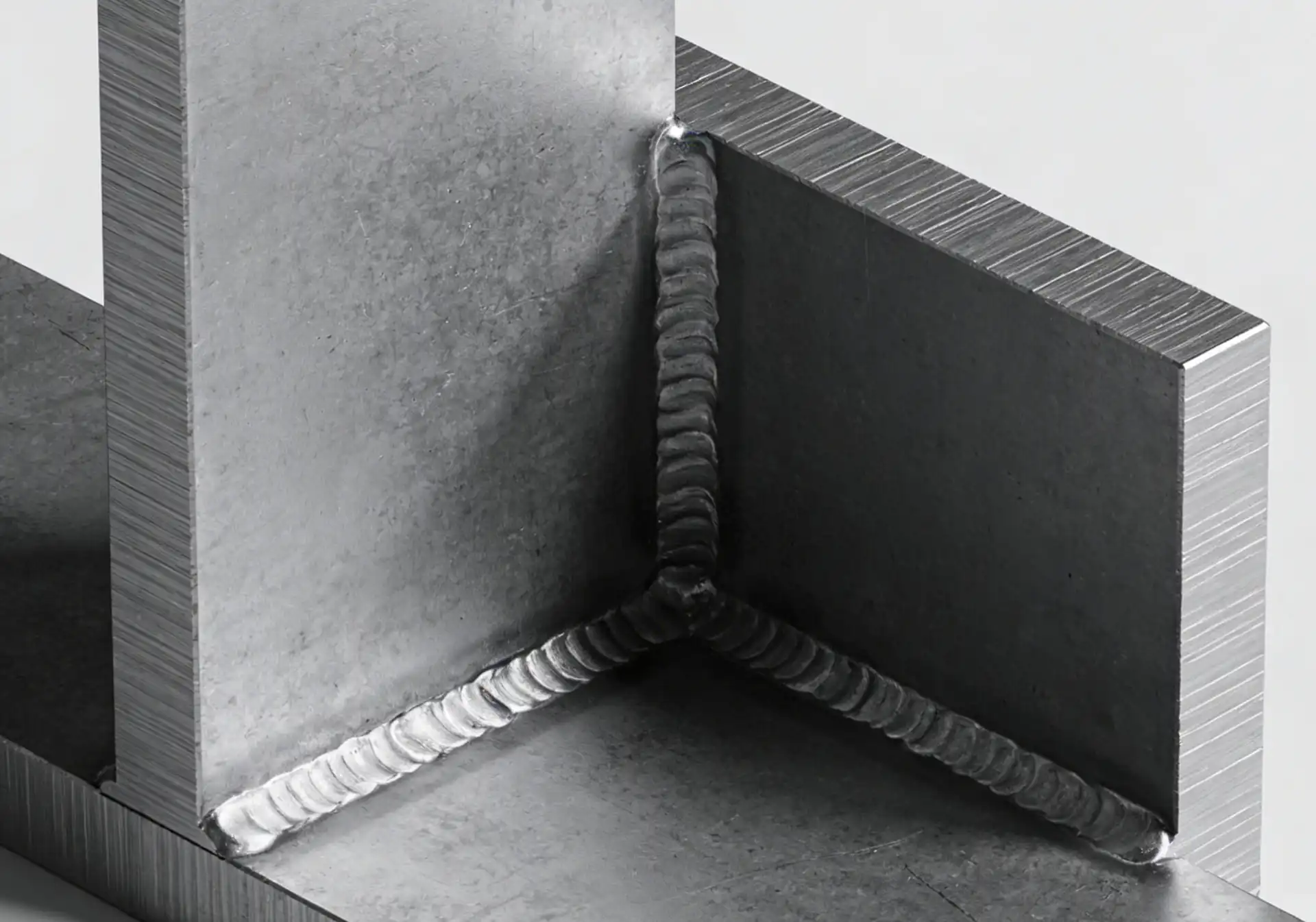
A T-Joint is a type of welded connection where two metal pieces meet at a right angle. You place one piece upright on the flat surface of another, forming a shape that looks like the letter “T.” People also call this a tee joint. You often see this joint in metal structures because it gives a strong and stable connection. The 90-degree intersection helps the joint handle different forces that act on the structure.
Key Features
You will notice several important features when you look at a T-Joint:
- Most T-Joints use a fillet weld. This weld fills the space between the two metal pieces and creates a solid bond.
- You can add extra welds or reinforcement to make the joint even stronger.
- T-Joints can support different types of loads. These include:
- Forces that push or pull straight on the joint (tensile or compressive loads).
- Shear forces that try to slide the pieces past each other.
- Loads that come from the side (transverse loads) or along the length of the joint (longitudinal loads).
- The weld area often faces shear stresses, especially in fillet welds. This means the weld must resist sliding forces.
- Engineers design T-Joints to meet certain strength standards, such as those found in building codes.
Tip: You can find T-Joints in many places, like frames, supports, and brackets. Their simple shape and strong weld make them a popular choice in construction and metalwork.
T-Joint Diagram
Appearance of a T-Joint
When you look at a T-Joint, you see two metal pieces meeting at a right angle. One piece stands upright, while the other lies flat. This creates a clear “T” shape. The upright piece forms the vertical part of the “T,” and the flat piece forms the base. You often find this joint in frames, supports, and brackets.
If you imagine a simple diagram, you can picture the horizontal piece as a straight line. The vertical piece sits on top of it, crossing at the center or near the edge. The intersection forms a perfect 90-degree angle. This shape helps you spot a T-Joint quickly in any metal structure.
Note: In real projects, the pieces may not always look perfect. Small gaps or overlaps can appear because of cutting and welding. These differences happen due to material size changes and the way metal expands when heated.
Weld Area Description
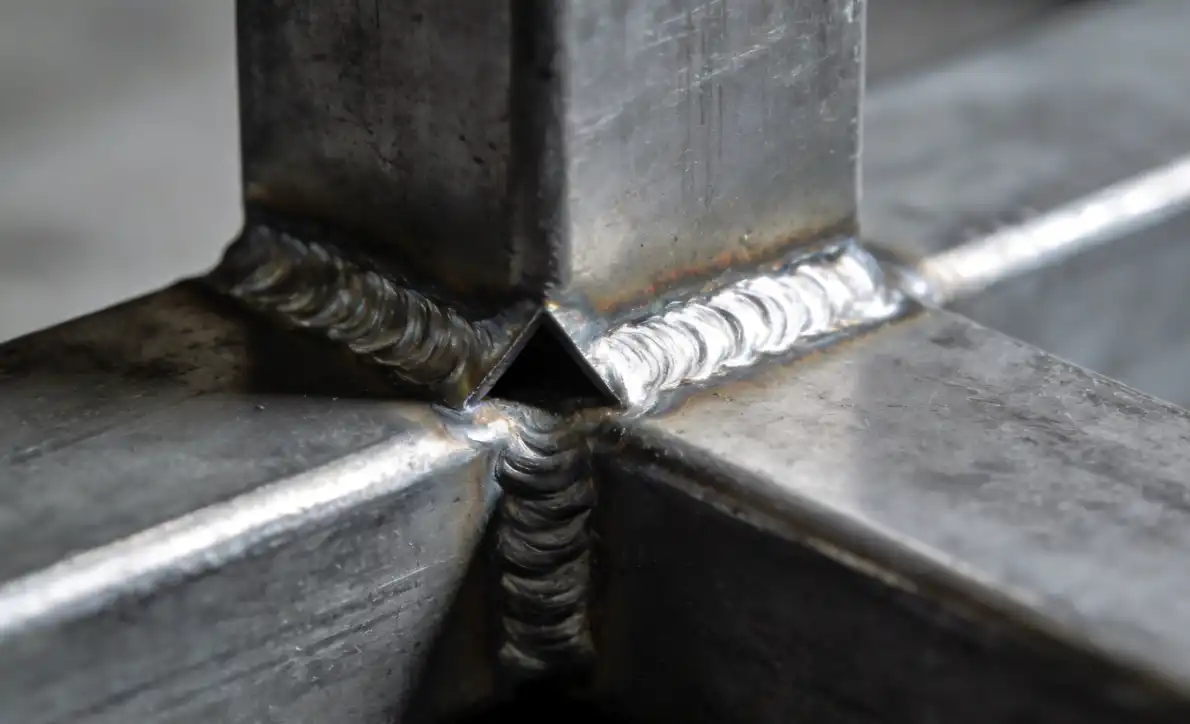
The weld area is where the two pieces connect. You usually see a fillet weld filling the space between the upright and flat pieces. This weld looks like a triangle in the corner where the metals meet. The fillet weld runs along both sides of the upright piece, making a strong bond.
You may notice that the weld does not cover the whole surface. It only fills the joint where the two pieces touch. The size and shape of the weld depend on the thickness of the metal and the strength needed for the joint. In structural steel fabrication, you must follow certain tolerances. These tolerances allow for small changes in size because of cutting, heating, and building steps. Good welding practices help keep the joint strong and safe, even if the pieces are not exactly the same size.
A typical T-Joint diagram highlights three main parts:
- The flat base plate
- The upright plate or bar
- The fillet weld at the intersection
You can use this diagram to understand where the weld goes and how the joint supports weight. The weld area is important because it holds the two pieces together and helps the structure stay stable.
Making a T-Joint
Common Welding Methods
You can use several welding methods to make a T-Joint. Each method has its own process and best uses. The table below shows the most common welding methods for this type of joint:
| Welding Method | Description | Applications |
|---|---|---|
| MIG Welding | Uses a wire feed to create a weld pool. You need to set the machine for voltage, wire speed, and gas flow. | Works well for many materials and thicknesses. Often used for T-joints. |
| TIG Welding | Uses a non-consumable tungsten electrode. You must choose the right electrode and gas flow. | Makes high-quality welds. Good for steel and aluminum T-joints. |
| Stick Welding | Uses a coated electrode to make the weld. This method works well outdoors. | Common in construction, shipbuilding, and pipelines for T-joints. |
Tip: You should always wear safety gear like welding helmets, gloves, and flame-retardant clothing. Keep your workspace clean and free of fire hazards.
Safety notice and PPE
Follow applicable welding safety rules and local regulations (for example, OSHA 1910.252 and AWS D1.1). Welding risks include arc radiation, molten spatter, fumes, electrical shock, and fire—use qualified personnel and site risk assessments. Required PPE: auto‑darkening helmet and safety glasses, flame‑resistant jacket and pants, insulated welding gloves/gauntlets, respiratory protection (as needed), steel‑toe boots, and hearing protection.
Steps to Weld a T-Joint
You can follow these steps to create a strong T-Joint using a fillet weld:
- Clean the metal pieces. Remove rust, scales, and dirt. File the edges smooth.
- Set up your welding machine. Attach the ground clamp to the plates and hold the electrode in the holder.
- Place the pieces on the table to form a “T” shape.
- Tack weld both ends of the joint. This keeps the pieces from moving.
- Weld along both sides of the upright piece. Keep a small gap between the rod and the metal.
- Let the weld cool in the air. Remove any slag with a chipping hammer.
- Clean the finished weld with a wire brush.
You should also check your welds after you finish. Visual inspection is quick, but you can use other methods like ultrasound or dye penetrant for better results. Always watch for common defects such as oxide contamination or expulsion. Cleaning the workpieces and using the right welding settings can help prevent these problems.
| Material thickness (steel) | Fillet leg (typical) | MIG — wire / current / voltage | TIG — current / voltage | Typical travel speed (approx.) |
|---|---|---|---|---|
| 3–6 mm | 3–4 mm | 0.8–0.9 mm wire · 80–140 A · 17–22 V | 30–90 A · 10–14 V | MIG: 5–10 mm/s · TIG: 2–5 mm/s |
| 6–10 mm | 5–6 mm | 0.9–1.2 mm wire · 140–200 A · 22–26 V | 60–150 A · 12–16 V | MIG: 4–8 mm/s · TIG: 2–4 mm/s |
Notes: These ranges are for orientation only. Always qualify parameters with a written WPS, specific material/alloy, joint fit‑up, and shop trials. Adjustments may be needed for plate geometry, backing, positional welding, and environmental conditions.
Note: Weather can affect your welds. Wind, moisture, and dust can cause defects. Try to work in a clean, dry area for the best results.
T-Joint Applications
Where T-Joints Are Used
You can find T-joints in many places where strong and stable connections are important. Construction sites use them to build steel frames for buildings and bridges. Factories use these joints to make equipment, supports, and machine bases. Shipyards rely on them for ship hulls and decks. You also see T-joints in vehicles, trailers, and storage racks. These joints help connect beams, columns, and brackets. They give support to heavy loads and keep structures from bending or twisting.
Tip: If you look at a metal shelf or a welded gate, you will likely spot a T-joint holding the parts together.
Why Choose T-Joints
You might choose a T-joint when you need a connection that can handle forces from different directions. This joint supports both vertical and horizontal loads. It resists bending and shearing, which helps keep your project safe and stable. The fillet weld in a T-joint spreads the force across a wide area. This makes the joint strong and reliable.
T-joints work well in projects that need rigid frames or supports. They help you build structures that last a long time. However, you should know that using T-joints can cost more than using simpler joints like butt or lap joints. T-joints need more filler material and take more time to weld. Labor and preparation also add to the cost. When you plan a large project, you must think about these factors before choosing the joint type.
Note: T-joints give you strength and stability, but you should balance these benefits with the extra cost and time needed for welding.
T-Joint Considerations
Types of Welds
Replace the previous SMA claim with the following paragraph:
“Shape‑memory alloys (SMAs) have been studied as reinforcements in hybrid composite laminates and for prestressing/repair in concrete structures, where embedded SMA elements can improve stiffness or provide active recovery (see the review in ACS Omega, 2022 and a 2024 overview of SMA structural uses on PubMed Central). These approaches are material‑system specific; we found no peer‑reviewed guidance recommending SMA tufts as a general retrofit for conventional metallic welded T‑joints, so the earlier percentage claims have been removed.”
Other welds, like groove welds and plug welds, are also used. You might pick these for special jobs or when you need more strength. The weld you choose depends on the load, material, and design.
Tip: Using advanced methods like SMA tufts can help your structure last longer and handle more stress.
Strengths and Weaknesses
A T-Joint has many strengths. It gives a strong connection that holds loads from different directions. The joint resists bending and shearing. You can use it in frames, supports, and brackets. Butt joints allow full penetration welds and make a uniform bond. A T-Joint is stable but may not be as strong as a perfect butt weld. Corner joints are also strong and let you join metals of different thicknesses. But they can be hard to weld because of gaps and heat changes.
Welded T-joints can fail in a few ways. Common problems are weld toe cracking and weld root cracking. Weld root cracking often means the joint will not last as long. Things like weld size, penetration, and misalignment affect when these problems happen.
You can keep joints strong by doing good maintenance. Check them often with certified welders. Protect joints from weather and do not overload them. Use post-weld treatments like stress relief and passivation to lower stress and stop rust. Non-destructive testing, like ultrasonic and radiographic testing, helps find problems early.
Note: Picking the right weld and reinforcement helps avoid problems and makes welded joints last longer.
You now know what a T-Joint is and how it looks. You see two metal pieces joined at a right angle, forming a strong “T” shape. You should understand how welders make this joint and where you find it in real projects. When you work with T-joints, check the weld type, strength, and design. These steps help you build safe and stable structures.
References & Standards
- AWS D1.1 — Structural Welding Code — Steel (latest edition). Use for fillet-weld leg and throat definitions, minimum sizes (see Table 5.8/7.7) and profile tolerances; authoritative for structural fabrication. https://pubs.aws.org/p/1676/d11d11m2025-structural-welding-code-steel-2025
- ASME Boiler and Pressure Vessel Code (BPVC) — Sections VIII & IX. Refer for effective throat definition, welder qualification and NDT/acceptance requirements for pressure‑retaining and coded fabrications. https://www.asme.org/codes-standards/bpvc
- EN ISO 5817 — Welding — Quality levels for imperfections. Use to interpret visual/NDT acceptance levels for fillet welds (quality grades B/C) and permitted imperfections. https://www.iso.org/standard/80437.html
- EN ISO 9606-1 — Qualification testing of welders (steels). Use for fillet-weld test-piece dimensions and acceptance criteria when qualifying personnel. https://www.iso.org/standard/68668.html
(Where clause or table references are cited above, consult the full standard documents for exact wording and permitted tolerances.)
FAQ
What does a welded T-joint look like?
You see two metal pieces joined at a right angle. One stands upright on a flat base. The weld fills the corner, making a clear “T” shape.
What type of weld do you use for a T-joint?
You usually use a fillet weld. This weld fills the space where the two pieces meet. It creates a strong bond along both sides of the upright piece.
What materials can you join with a T-joint?
You can join steel, aluminum, or stainless steel. Most metals used in construction or fabrication work with T-joints. Always check the material type before welding.
What problems can happen with T-joints?
You might see cracks at the weld toe or root. Misalignment and poor weld size can also cause weak spots. Regular inspection helps you find these issues early.
What industries use welded T-joints most?
You find T-joints in construction, shipbuilding, automotive, and manufacturing. These joints help build frames, supports, and brackets in many projects.