

15 Sheet Metal Finishes and Surface Treatments Ranked
There is no universal best sheet metal finish. The right choice depends on the base metal, exposure, appearance, electrical contact, fabrication sequence and proof you need from the supplier.


Carbon steel, stainless steel, aluminium and zinc-coated sheet do not share the same preparation or protection route.
Cut edges, bends, weld heat tint, spatter, seams and repairs can become the first failure sites.
Cleaning, pretreatment, finish, cure or seal, masking, test method and acceptance all belong in the RFQ.
Accelerated corrosion tests can support quality control, but they are not a direct outdoor-life conversion.
Rank the job first, not the finish name.
A good finish system protects the real substrate and still works after cutting, forming, welding, handling, assembly and service exposure.
For example, anodizing can be a strong aluminium appearance system. Stainless passivation removes suitable fabrication contamination but is not paint. Powder coating can be durable and decorative, but only when pretreatment, film build, edge coverage and cure are controlled.
That complete chain is the product. A short label such as “black powder,” “brushed,” “anodize” or “galvanized” leaves too many decisions undefined.
Finish, treatment, coating and plating are not the same thing.
Suppliers may use the words loosely. Your drawing and RFQ should state the base metal, the full process family and the acceptance evidence—not rely on one shorthand label.
Mechanical finish
Changes roughness, grain, gloss, burrs or edge feel by brushing, blasting, polishing or mass finishing.
Examples: satin grain, mirror polish, bead blast, tumbling. It does not automatically add corrosion protection.Chemical treatment
Modifies, cleans or stabilizes the surface through a controlled reaction or electrochemical process.
Examples: conversion coating, stainless passivation, electropolishing and anodizing. Each has a different purpose.Organic coating
Adds a polymer film over the metal for color, barrier protection, texture or a primer foundation.
Examples: wet paint, powder coat and e-coat. Pretreatment and cure are part of the system.Plating or zinc coating
Adds a metal layer that may provide barrier and sacrificial protection to steel.
Electroplated zinc, continuous galvanized sheet and post-fabrication hot-dip galvanizing are different supply routes.Sheet Metal Finish Finder
Choose the closest production case. The tool returns two or three starting options plus the questions your supplier must answer. It does not issue a coating specification or approve a finish.
Compare qualified barrier systems
Start with the complete finish stack and protect every cut edge, weld zone and masked interface.
No JavaScript? Use the selection matrix below and send the same six input fields with your RFQ.
A practical map of sheet metal finishes
Each option below answers a different production need. “Best for” is a starting context, not an approval. Final performance depends on the named substrate, supplier process, geometry and acceptance plan.
Mechanical and bare-metal options
Use these to control cost, texture, glare, burrs or visual grain. On carbon steel, they normally need another system if corrosion protection matters.
Mill / as-rolled finish
The incoming sheet surface may retain oil, scale, protective film or local handling marks. It is useful when another supplier owns cleaning and the final finish, or when a controlled indoor part truly needs no added cosmetic process.
- Best for
- Hidden parts, later painting or plating, or an intentionally uncoated interface.
- Main limit
- Cosmetics vary, and bare carbon steel can corrode during storage or shipment.
- Buying note
- An uncoated electrical interface still needs engineered cleanliness, oxide condition, contact pressure, corrosion control and contact-resistance verification.
Brushed or satin finish
Abrasive belts or wheels create a directional grain. The result changes with abrasive grade, pressure, lubrication, alloy, grain direction and how bends or welds are blended.
- Best for
- Visible guards, trim, appliance panels and architectural details.
- Main limit
- Cross-grain scratches and repairs remain visible. Brushing alone does not remove deep heat tint or restore stainless corrosion performance.
- Buying note
- Show grain direction, visible faces, blend zones and an approved physical limit sample on the drawing.
Bead-blasted finish
Fine media creates a non-directional matte surface. Media, pressure, nozzle angle, dwell, cleanliness and the starting surface all affect the final appearance.
- Best for
- Low-glare housings and panels that need a soft, even texture.
- Main limit
- Rougher surfaces can retain soils. Contaminated media can damage stainless or aluminium performance.
- Buying note
- Identify media, masking, roughness or appearance reference and the same-alloy production sample.
Mechanical polish or mirror finish
Successively finer abrasives and buffing compounds reduce visible scratch size. The incoming sheet, weld distortion, flatness and access determine whether a mirror result is realistic.
- Best for
- Premium visible stainless and selected cleanable components.
- Main limit
- Labor, waviness, fingerprints, compound residue and future scratching.
- Buying note
- Define gloss or an approved master, lighting, viewing distance and acceptable distortion. See the 304 stainless mirror-polishing guide.
Vibratory or tumbling finish
Parts move against media and compound to reduce burrs, soften edges and even out surface texture. A production batch trial is important because part-to-part contact can alter cosmetic faces.
- Best for
- Stamped brackets, clips and small components before plating or coating.
- Main limit
- Thin flanges, crisp edges, trapped media and damage from part impact.
- Buying note
- Require retained-media checks for holes, seams, threads and blind features.
Chemical treatments and oxide control
These processes change surface chemistry, cleanliness or oxide structure. Do not collapse them into the vague term “chemical finish.”
Chemical conversion coating
A conversion layer reacts with the surface to support coating adhesion and corrosion control. It is often one step in a complete coating line, not the final decorative layer.
- Best for
- Preparing aluminium, steel or zinc-coated surfaces for a qualified organic coating.
- Main limit
- Chemistry, rinsing, dry-off, soils and time before topcoating all matter. Market restrictions may control allowed chemistry.
- Buying note
- Name the substrate, approved pretreatment family, process controls and topcoat system it has been validated with.
Stainless-steel passivation
A specified chemical treatment removes suitable exogenous iron from an already clean stainless surface and supports verification of passivation effectiveness. It does not add a thick barrier film or upgrade the alloy.
- Best for
- Clean stainless parts exposed to carbon-steel dust, tools or handling contamination.
- Main limit
- Heat tint and scale must first be removed by an appropriate ASTM A380/A380M-compatible cleaning, descaling, pickling, qualified mechanical or electropolishing route.
- Buying note
- State alloy, fabrication history, permitted chemistry, cleanliness target and ASTM A967/A967M verification method.

Passivation is a controlled treatment—not a universal recipe.
This image shows pipe fittings from one specific nitric-acid experiment. It illustrates that surface condition can change, but it does not establish the correct chemistry, time or acceptance method for your sheet-metal part.
Image: Kees08 / Wikimedia Commons, CC BY-SA 4.0.

Electropolishing
The stainless workpiece is anodic in a controlled electrolyte, so microscopic high points are preferentially removed. On suitable parts, this can smooth the surface and support a bright, cleanable finish.
- Best for
- Cleanability-focused stainless components and complex parts where mechanical polishing is difficult.
- Main limit
- A mirror look, electropolishing or a low roughness value alone does not certify hygienic performance; welds, crevices, drainage, access and the cleaning method also control the result.
- Buying note
- Validate real welds and recesses; external visual approval cannot prove hidden-surface condition.

Why electropolishing can smooth microscopic peaks
The diagram is conceptual and not to scale. A production result still depends on alloy, fixturing, current distribution, bath control and access to the surfaces that matter.
Diagram: LaurensvanLieshout / Wikimedia Commons, CC BY-SA 3.0.

Aluminium anodizing
Anodizing grows an oxide layer from the aluminium surface. Alloy, temper, prefinish, anodizing route, thickness, dye or color, sealing, rack marks and local geometry all influence the delivered part.
- Best for
- Branded panels, trim and architectural parts needing a controlled metallic appearance.
- Main limit
- Alloy-to-alloy color variation, contact marks, abrasive wear, cleaners, crevices and galvanic coupling.
- Buying note
- Specify alloy/temper, prefinish, type or class, color range, sealing and permitted rack-contact locations.

Color is visible. Process quality is not.
Anodized aluminium can support many colors, yet this image does not reveal alloy, oxide thickness, sealing quality, abrasion behavior or architectural suitability. Approve a same-alloy production sample and measurable requirements.
Photo: Schumi4ever / Wikimedia Commons, CC BY-SA 3.0.

Organic coating systems
Paint, powder and e-coat are complete process systems. Cleaning, pretreatment, application, coverage, cure and repair are not optional details.
Liquid wet paint
Wet paint may be a primer, topcoat or multilayer system. It is useful for large assemblies, low volumes, field repair or parts that cannot tolerate a powder-coat oven cycle.
- Best for
- Oversized fabrications, custom colors and multi-layer corrosion systems.
- Main limit
- Cleaning, spray technique, solvent control, flash time, film build, cure and recoat windows.
- Buying note
- List every layer, dry-film thickness, edge treatment, cure, color/gloss, repair and test requirement.
Powder coating
Dry powder is commonly electrostatically applied to a grounded part and heated to form a continuous film. Chemistry, pretreatment, geometry, film build and the actual cure profile work together; not every powder chemistry is suitable for exterior service.
- Best for
- Repeat-production enclosures and components needing controlled color and texture.
- Main limit
- Faraday-cage recesses, sharp edges, weld spatter, poor pretreatment, hanging points, threads and grounding zones.
- Buying note
- Name the approved resin/product, pretreatment, cured-film range, part-metal cure, UV/weathering target and repair. See powder coating vs painting sheet metal.

Spraying is only one step.
The visible application stage cannot prove surface cleaning, pretreatment, target film build, cure or edge coverage. Those records belong in a production approval package.
Photo: Hardcoreraveman / Wikimedia Commons, public domain.

Electrocoat (e-coat)
An electrically conductive part is immersed in a charged bath so coating deposits under electrical control. The route includes pretreatment, electrical contact, deposition, rinsing, drainage and bake.
- Best for
- Complex, repeat-volume parts with seams or cavities.
- Main limit
- Cathodic epoxy e-coat is commonly a primer and generally needs a qualified UV-resistant topcoat for exterior appearance; acrylic e-coat can be a qualified topcoat. Do not treat all e-coat chemistries as one system.
- Buying note
- Define chemistry, final or primer role, topcoat, drainage, electrical-contact/rack zones and post-cure dimensions.
Metallic zinc protection
All three routes use zinc, but they protect different part conditions. The point at which zinc is applied—before or after fabrication—changes coverage.
Zinc electroplating
Zinc is electrodeposited on eligible iron or steel, often with a supplementary treatment. It is common on brackets and small parts, but is not the same process as galvanized sheet or hot-dip galvanizing.
- Best for
- Eligible small formed steel parts requiring controlled zinc thickness and appearance.
- Main limit
- ASTM B633-23 states that steels above 1700 MPa tensile strength should not be zinc electroplated to that specification. Relief baking reduces risk but does not guarantee elimination of hydrogen embrittlement.
- Buying note
- Mechanical fasteners should use the applicable fastener standard, such as ASTM F1941/F1941M-16(2025), rather than assuming B633 covers every fastener.
Continuously galvanized sheet / prepainted coil
Continuously galvanized or galvannealed sheet and prepainted coil are different purchased material systems. Specify the metallic coating designation separately from any organic primer and topcoat.
- Best for
- Roll-formed and stamped panels designed around qualified coil material.
- Main limit
- Cut edges, holes, weld zones, aggressive bends and scratches interrupt the incoming protection. ASTM A755/A755M has a defined building-product scope and should not be generalized to every industrial prepainted product.
- Buying note
- Use the applicable sheet/product standard, exact coating designation, forming limits, welding sequence, repair policy and edge strategy. Review the galvanized steel guide.
Post-fabrication hot-dip galvanizing
Eligible completed steel fabrications can be cleaned and immersed in molten zinc at roughly 443 °C. Because treatment follows welding, zinc can cover many finished corners and weld zones more completely than a pre-galvanized sheet route.
- Best for
- Eligible fabricated iron and steel articles covered by the adopted specification.
- Main limit
- ASTM A123/A123M-24 does not cover continuously galvanized sheet or steel below 0.76 mm. Heat, zinc flow and immersion can affect distortion, dimensions, threads and precision interfaces.
- Buying note
- Galvanizer-approved vent and drain paths are a safety requirement for hollow or overlapping work; trapped liquid can flash to steam. Involve the galvanizer before drawing release.

The assembly must be designed for the process.
Hollow sections need safe venting and drainage. Thin or asymmetric parts may distort. Precision fits and threads need allowances or planned post-processing.
Photo: jimpg2_2015 / Wikimedia Commons, CC BY-SA 2.0.


Visible zinc spangle is not a grade label.
Spangle size and appearance vary with material and process. Approve coating and inspection requirements from the adopted specification—not from a photograph.
Photo: TMg / Wikimedia Commons, public domain.

Plan the manufacturing sequence before choosing the system.
A supplier can apply an excellent coating to the wrong surface at the wrong time. Put the actual cut, bend, weld, cleaning and finishing order into the controlled process plan.
Incoming finish
Pre-galvanized, prepainted or mill-finish sheet arrives with a surface condition before fabrication. Cutting and welding can interrupt it, so the drawing needs edge, weld-zone and repair rules.
Post-fabrication finish
Powder, wet paint, passivation, electropolishing or hot-dip galvanizing can address the completed part, but only if geometry, drainage, masking, cleaning and dimensional change are planned.
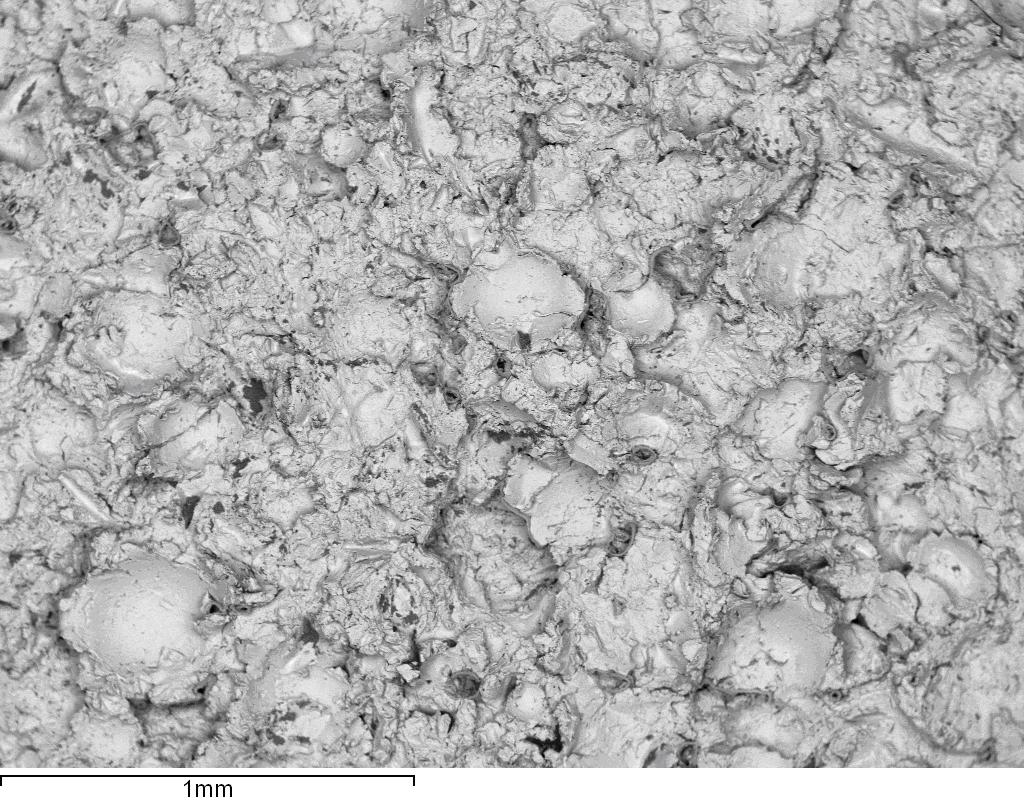

The same finish name means different work on different metals.
Carbon steel
Mechanical texture is usually not a corrosion system. Common routes include paint or powder, zinc electroplating for smaller parts, zinc-coated sheet for volume panels and post-fabrication galvanizing for suitable welded assemblies.
Release question: Which surfaces, cut edges and weld zones receive protection after the last heat-producing operation?
Stainless steel
Brushing controls appearance; passivation targets suitable contamination; electropolishing changes microtopography and cleanability. None can correct the wrong alloy or a moisture-trapping crevice.
Release question: How will heat tint, embedded iron, weld blending and chemical treatment be verified?
Aluminium
Conversion coating, anodizing, powder and wet paint are different routes. Alloy and temper influence color and response. Dissimilar-metal contact, cleaners, UV and repair all affect the final choice.
Release question: Does the sample use the production alloy, prefinish, color process, sealing or cure and real rack-contact plan?
Welded or laser-cut assemblies
Heat and cutting can change oxide, geometry, coating and contamination. Surface preparation should reach welds, starts/stops, seams and repaired edges without hiding cracks, lack of fusion or dimensional problems.
Release question: Is the finish an incoming material condition, a post-fabrication operation, or both?
Match the finish to the decision you actually need to make.
The table is a screening map. It does not replace the adopted product standard, exposure classification or production sample.
| Application need | Starting options | Why they enter the shortlist | Questions before release |
|---|---|---|---|
| Dry indoor hidden carbon-steel part | Mill finish; low-cost paint; zinc plate for small hardware | Cost and handling may matter more than long-term weathering. | Humidity, packaging, fingerprints, grounding and later assembly exposure. |
| Outdoor welded steel enclosure | Pretreatment + powder; primer + wet topcoat; zinc-plus-coating system | Needs protection across welds, edges and water-trap geometry. | Exposure, edge radius, masking, cure, repairs, electrical bonds and corrosion test. |
| Visible stainless guard | Brushed; polished; passivated or electropolished route | Appearance and contamination control must be separated. | Grain direction, heat tint, cleaning chemistry, weld blend and limit sample. |
| Hygienic stainless component | Qualified cleaning + passivation; electropolishing where appropriate | Cleanability and surface condition matter more than gloss alone. | Alloy, roughness/finish target, chemistry, crevices, access and service-specific validation. |
| Aluminium branded face panel | Anodizing; powder coating; wet paint | Each offers different metallic look, color range, repair and edge behavior. | Alloy/temper, color tolerance, UV, cleaners, rack marks, sealing/cure and grounding. |
| Complex high-volume steel part | E-coat primer + topcoat; powder; galvanized/prepainted sheet by design | Coverage, repeatability and line economics become important. | Drainage, recess coverage, racking, program volume, topcoat and change control. |
| Small high-strength steel hardware | Specified zinc electroplate or alternative approved system | Can provide controlled zinc thickness and appearance. | Hardness/strength, hydrogen-embrittlement controls, threads, baking if required and fastener-specific standard. |
A good-looking panel is only the first check.
Choose tests that address the real failure risk. No single reading can prove appearance, adhesion, corrosion, cleanability and production consistency at the same time.
Start with the failure location, then audit the process chain.
Do not respond to every defect by adding more film. The root cause may be contamination, edge geometry, trapped solution, incomplete cure, the wrong alloy or a break in the fabrication sequence.
01Peeling at edges or bendsOften points to preparation, edge radius, forming strain, film build or cure.
Inspect where failure begins. Compare edge shape, pretreatment coverage, coating thickness, cure evidence and whether forming happened before or after coating. Reproduce the actual bend and edge on a controlled sample.
02Rust at cut edges or weldsProtection may have been interrupted by cutting, heat or repair.
Map cut edges, heat-affected zones, seams and water traps. Check whether the coating system reaches those areas and whether the repair procedure is compatible with the service. Use the welded-joint corrosion guide for a broader failure review.
03Tea staining or spots on stainlessPossible contamination, heat tint, deposits, chloride exposure or poor drainage.
Confirm alloy, fabrication tooling, weld cleanup, cleaning chemicals, deposits, crevices and exposure. Passivation may be one step, but it cannot correct the wrong grade or bad geometry.
04Anodized color varies between lotsAlloy, temper, surface preparation, bath control, thickness and sealing can shift appearance.
Compare certified alloy/temper, extrusion or sheet source, prefinish, rack position, color-control method and physical limit samples. A paint-style color code alone is not enough.
05Hot-dip galvanized part distorts or traps zincGeometry, thickness balance, venting, drainage and process handling need review.
Stop and involve the galvanizer. Review hollow sections, sealed volumes, drain paths, asymmetric sections, weld details and precision interfaces. Do not remove required venting from the drawing without engineering review.
06Coating passes a flat coupon but fails on the partThe test geometry did not represent edges, recesses, seams, heat or production handling.
Build a representative test matrix. Include the thinnest edge, deepest recess, real weld, masked interface and full cure path. The supplier should document why each specimen represents the released part.
Put the complete finish system in the RFQ.
“Black powder coat,” “anodize” and “corrosion resistant” are not complete specifications. Give every bidder the same material, geometry, sequence and acceptance boundary.
Buyer finish brief
Use the same logic on real sheet-metal parts.
Outdoor laser-welded electrical cabinet
Weld zones, edges, water traps and masked grounding points interrupt a simple color-based choice.
Qualified pretreatment + powder, wet multilayer system, alternative substrate or zinc-plus-coating route.
Exposure, edge design, cure, grounding, repairs and production-intent corrosion evidence.
Visible stainless machine guard
Grain mismatch, weld blending, heat tint, carbon-steel contamination and repeated cleaning.
Controlled brushed finish with defined post-weld cleaning; passivation or electropolishing review where needed.
Grain direction, visible zones, alloy, tooling segregation, joint appearance and limit sample.
Aluminium branded face panel
Lot-to-lot color, UV, cleaners, rack marks, formed edges and mounting against dissimilar metal.
Anodizing versus qualified powder or wet coating—not a universal winner.
Alloy/temper, prefinish, physical color range, sealing/cure, contact marks and repair policy.
Frequently asked questions
What is the best finish for sheet metal?
There is no single best finish. Carbon steel outdoors normally needs a corrosion system, aluminium may use anodizing or a qualified coating, and stainless may need brushing, passivation, electropolishing or a combination. Choose by substrate, service, fabrication, appearance and test plan.
Is powder coating better than liquid paint?
Not automatically. Powder can be efficient and durable on suitable repeat-production parts. Liquid paint may be better for oversized assemblies, low volume, field repair, multilayer primer systems or parts that cannot tolerate the bake. Compare pretreatment, film build, cure, edges and repair—not only the application method.
Is anodizing better than powder coating for aluminium?
Neither wins every application. Anodizing grows an aluminium oxide layer and can preserve a metallic appearance. Powder adds an organic color and texture layer. Alloy, UV, cleaners, abrasion, geometry, grounding, repair and supplier control decide the better route.
Can galvanized sheet be welded and remain protected?
It can be welded, but heat affects the weld zone and nearby zinc. The final plan must address fume control, weld cleanup, damaged coating, cut edges and service exposure. Pre-galvanized sheet and post-fabrication hot-dip galvanizing do not provide identical coverage.
Does stainless steel need passivation after welding?
First remove weld heat tint or scale with an appropriate ASTM A380/A380M-compatible cleaning, descaling, pickling, qualified mechanical or electropolishing process. ASTM A967/A967M passivation then treats an already clean surface to remove suitable exogenous iron and verify passivation effectiveness. It is not itself a heat-tint-removal process.
Do more salt-spray hours mean longer outdoor life?
Not by themselves. Accelerated salt exposure can support quality control and comparison, but field life also depends on UV, wet/dry cycles, pollutants, temperature, geometry, damage, cut edges, maintenance and the chosen failure definition.
Should sheet metal be finished before or after welding?
That depends on the system. Welding can burn organic coatings and alter zinc or oxide layers. Post-weld treatment must reach heat-affected zones, seams and repaired edges. Put the exact sequence on the drawing and process plan.
What is the cheapest sheet-metal finish?
Mill finish usually has the lowest added-process cost, but it may create higher lifecycle cost when carbon steel corrodes, cosmetics vary or cleaning is pushed to another supplier. Compare rework, packaging, service risk and assembly effects with the finishing price.
What is a good finish for an outdoor steel enclosure?
Common starting points include a qualified pretreatment-and-powder system, a specified primer/topcoat system or a zinc-plus-coating route. The correct answer depends on exposure, drainage, welds, cut edges, grounding, repair and the adopted test and product requirements.
What information belongs in a sheet-metal finish RFQ?
Include material/temper and thickness, drawing revision, cosmetic and no-coat zones, full preparation and finish stack, fabrication order, measurable acceptance, representative sample, process records, packaging and written change-control requirements.

Sources and specification boundaries
Use the edition adopted by your contract or jurisdiction. These references describe process or test boundaries; they do not create a universal finish specification for every part.
Passivation treatments and verification on appropriately prepared stainless surfaces.
Post-fabrication cleaning and oxide-removal framework before passivation where required.
Electropolishing as a stainless passivation route.
Eligible articles, coating requirements and high-strength-steel limitations.
Fastener-specific coating and embrittlement-control context.
Instrument calibration, verification and measurement practice on suitable metal substrates.
Defines apparatus operation; it does not set exposure time, acceptance or outdoor-year conversion.
Continuously coated sheet-product requirements.
Defined exterior building-product scope; not a universal industrial prepainted-sheet standard.
Batch hot-dip galvanizing scope, material categories and coating requirements.
Industry overview of application, curing and coating-system function.
Industrial process context and distinction among e-coat roles and chemistries.
Quality framework for architectural anodizing, including appearance and sealing control.
Barrier and sacrificial protection concepts for hot-dip galvanized steel.
Industry terminology and guidance for aluminium surface-treatment and coil-product language.
Safety and process-design guidance for hollow and overlapping fabrications.
Purchasing boundaries for flat-rolled stainless sheet and strip.
Choose the finish as a complete manufacturing system.
Oceanplayer Laser can help you review how laser cutting, welding or surface preparation fits the proposed sequence. The finishing supplier and responsible engineer still own the released finish specification and acceptance plan.