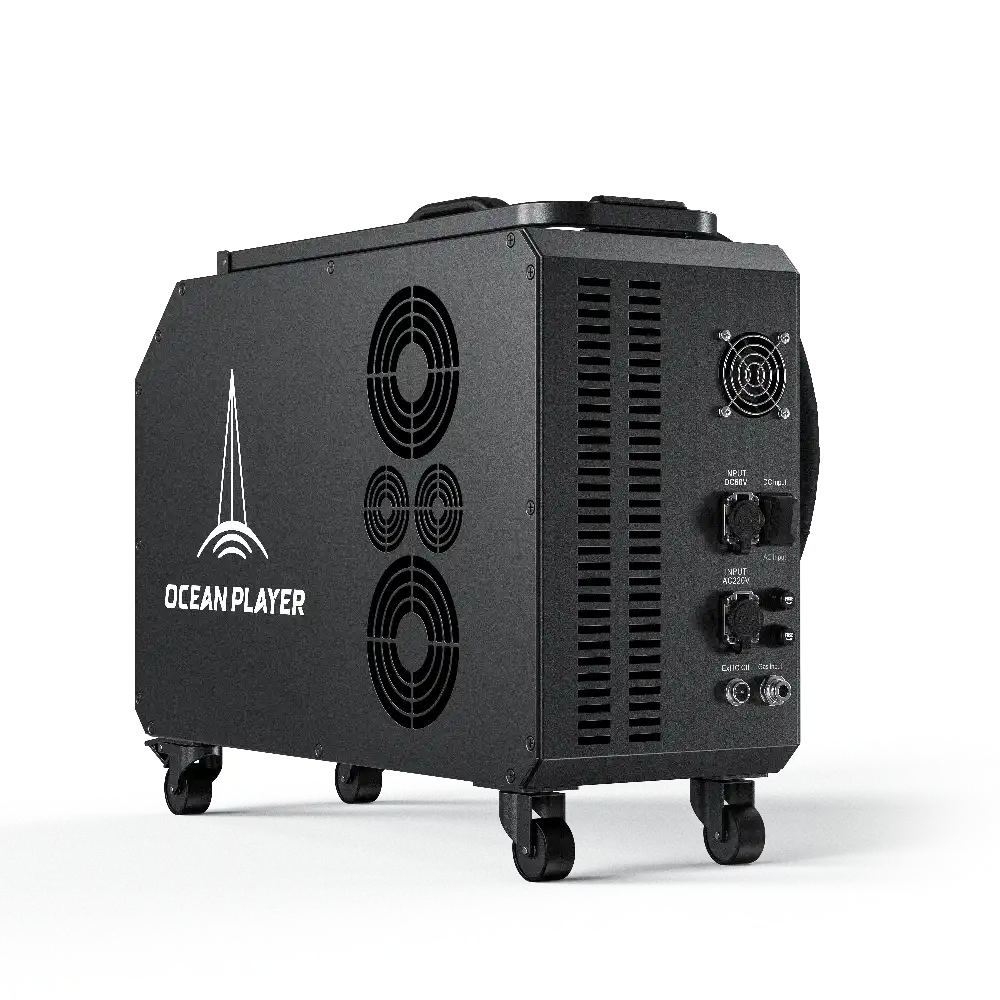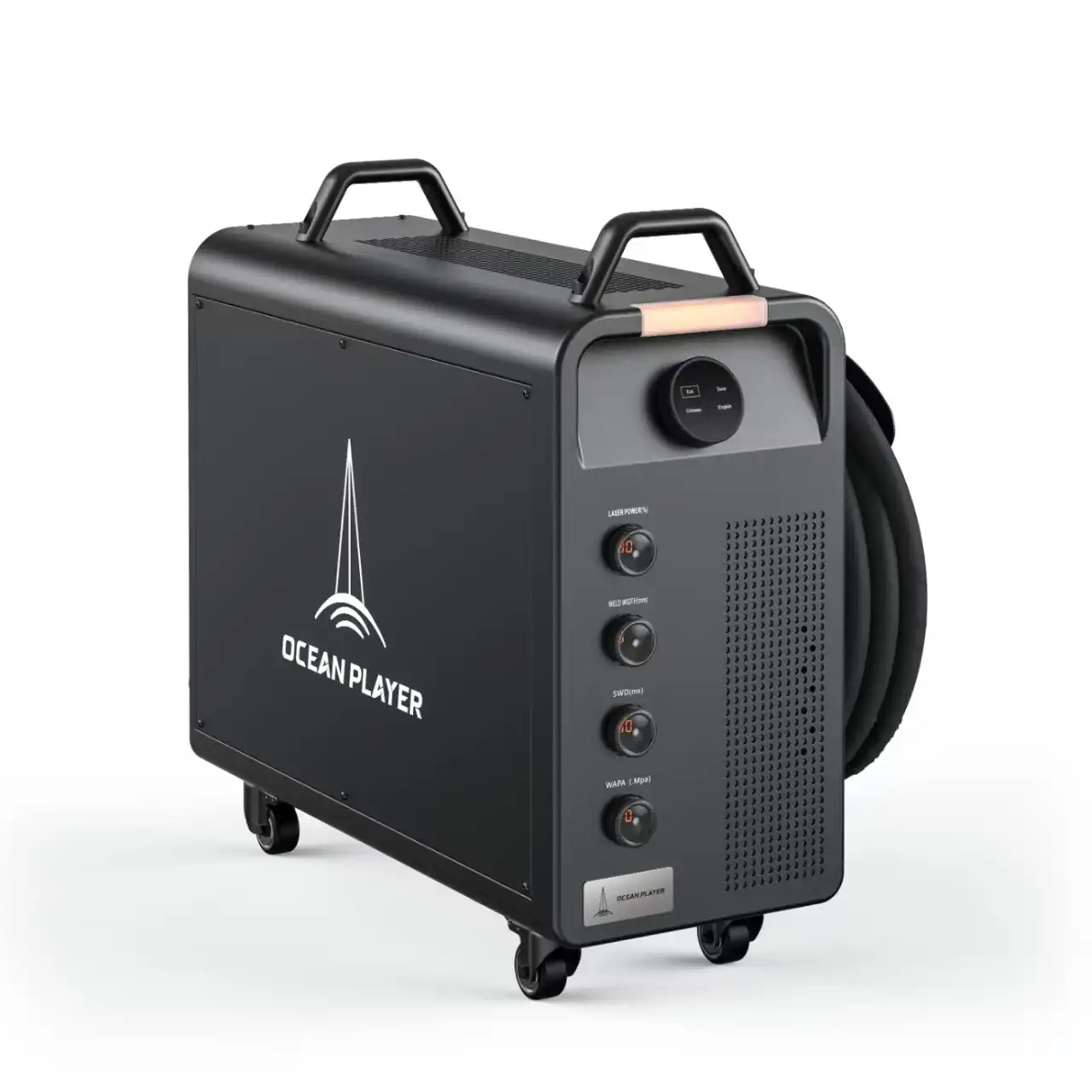

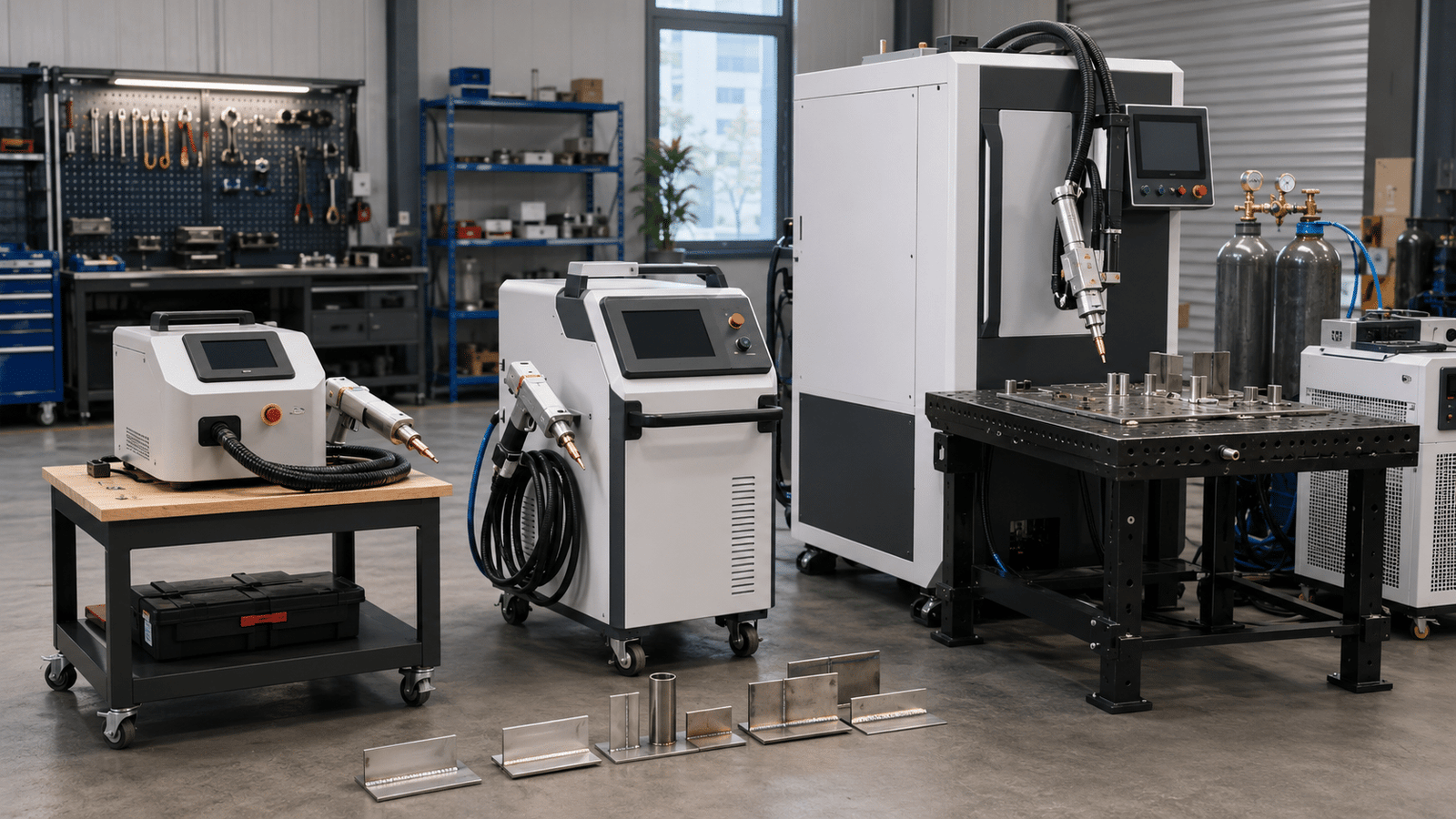
Laser welding machine price ranges from roughly $2,000 for hobby handhelds to over $80,000[1] for industrial robotic cells, with laser power being the biggest cost driver. A approximately 1,000W entry handheld unit sells for about $3,500–$8,000, while a approximately 2,000W+ high-end rig reaches approximately $18,000–$26,300. A approximately 6 kW robotic workstation can exceed approximately $500,000 once fixtures and safety enclosures are included. The right price depends on power output, brand, and whether you weld jewelry chains or steel beams.
By 2026, prices have shifted with new fiber laser supply and tighter competition among Chinese and Western brands.
So what does the right Laser welding machine price look like for your shop? It depends entirely on power output, brand, and whether you weld jewelry chains or steel beams.
This guide breaks the market into 7 clear price brackets, from a $2,000 hobby setup to six-figure automated production cells, so you can match spend to actual welding needs without overpaying.
Quick Takeaways
- Laser power is the biggest cost driver across all seven price tiers.
- Entry handheld approximately 1kW units run approximately $3,500–$8,000, ideal for small fabrication shops.
- Match spend to your welding needs: jewelry chains versus heavy steel beams.
- Industrial robotic cells exceed approximately $80,000, reaching approximately $500,000+ with fixtures and enclosures.
- Budget extra for safety enclosures and fixtures on automated production systems.
The 7 Laser Welding Machine Price Brackets At A Glance
Laser welding machine price spans from roughly $2,000 for hobby handhelds to $80,000 and beyond for industrial robotic cells. The single biggest driver is laser power, measured in watts (W).
A approximately 1,000W (approximately 1 kW) handheld unit sells around $3,500,$8,000, while a approximately 6 kW robotic workstation can pass approximately $500,000 once fixtures and safety enclosures are added.
Here is the seven-tier map. Use it to find your bracket fast, then read the deeper sections for each one.
| Tier | Price Range | Typical Power | Best For |
|---|---|---|---|
| 1. Accessory / micro | approximately $49[2]–approximately $2,000 | 60–100W | Jewelers, hobby spot work |
| 2. Entry handheld | approximately $3,500–$8,000 | approximately 1 kW | Small shops, fabricators |
| 3. Mid handheld | approximately $8,000–$18,000 | 1.5–2 kW | Sign makers, metal trades |
| 4. High-end handheld | approximately $18,000–$26,300 | approximately 2 kW+ | Heavy-gauge production |
| 5. CNC / 3-axis | approximately $30,000–$60,000 | 300–1,000W | Precision batch work |
| 6. Multi-process platform | approximately $50,000–$80,000 | 1–2 kW | Weld + cut + clean shops |
| 7. Industrial robotic | approximately $80,000–$500,000+ | 2–6 kW | Auto, aerospace lines |
The numbers come from 2024,2025 supplier data. Made-in-China listings tracked through GWEIKE’s 2025 pricing overview show a approximately 1 kW handheld near $3,500 and a approximately 1.5 kW robot cell around $25,000. Earlier 2024 figures from Longxin Laser put high-end approximately 2 kW handhelds at approximately $18,000,$26,300.
One trap most buyers miss: a listed price is the machine alone. Freight, import duties, chillers, and protective glasses add cost. Skip Tier 1 if you weld steel daily. Those approximately 100W micro welders suit jewelry, not structural seams.
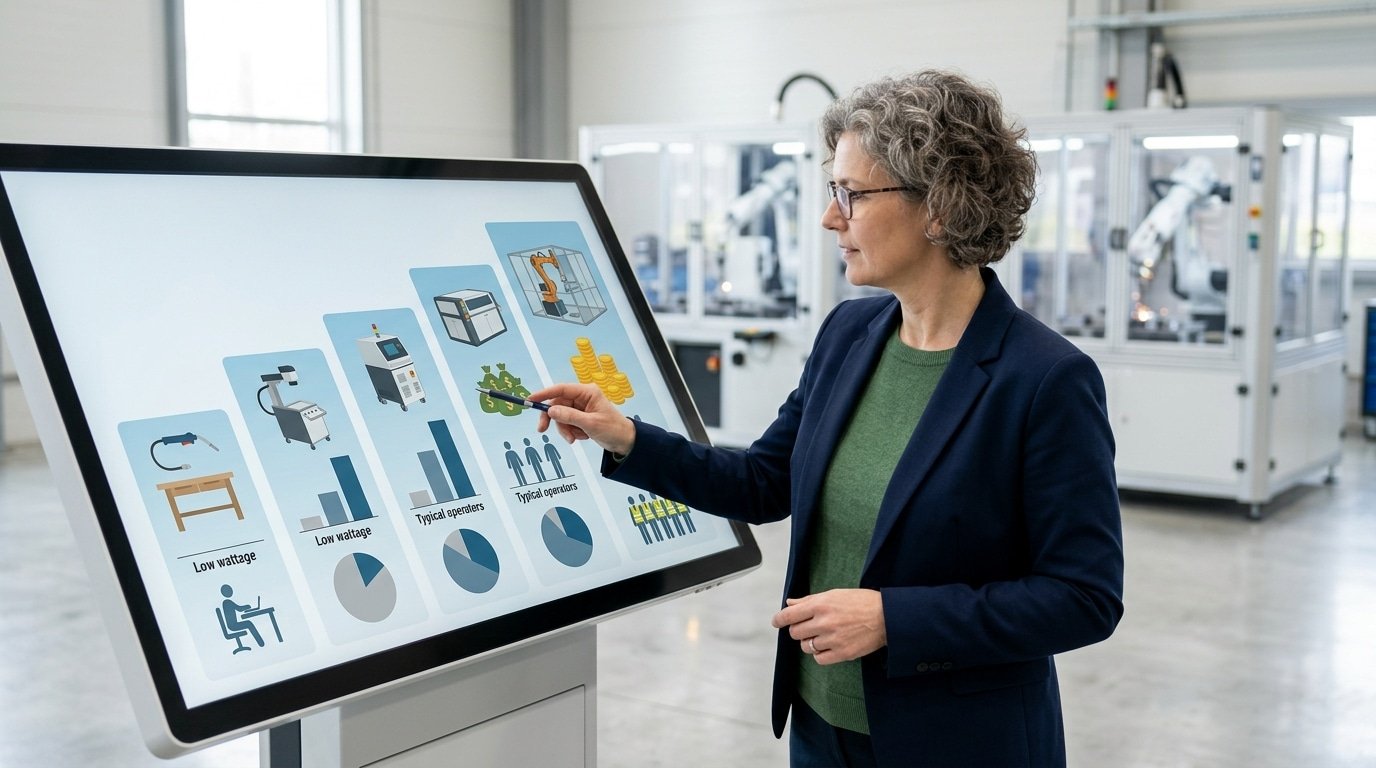
Hobby And Entry Level Handheld Welders Under $10,000
For under $10,000[3], you can grab a approximately 1000W or approximately 1500W air-cooled handheld fiber laser welder. These are honestly the everyday workhorses for jewelers, repair shops, and small fabricators.
You should expect to pay roughly $3,500 for a bare approximately 1kW handheld unit. A 3-in-1 weld-cut-clean model runs closer to approximately $6,500, according to 2025 pricing data compiled from Made-in-China listings.
So what actually drives the laser welding machine price down here? It really comes down to power and cooling.
A approximately 1000W entry unit ran somewhere between $5,000 and $8,000 back in 2024, per Longxin Laser figures. Air-cooled basically means the laser dumps its heat through a fan instead of a chilled water loop running alongside it.
That setup keeps the price low, but it limits how long you can run the thing. Most are rated around 50%. So you weld for about 30 seconds, then you pause.
The laser source itself is what decides the quality. Cheaper machines under $5,000 use unbranded fiber sources, good for maybe approximately 20,000 hours of use. Units near $9,000 often pack a Raycus or Max source rated past approximately 100,000 hours.
Where Corners Get Cut
- Wobble head: Budget guns skip the oscillating mirror that widens the weld seam. You end up with a narrow bead that tends to develop pinholes.
- Warranty: Most give you 1 to 2 years on the source, but only 6 months on the welding head and cables, which are honestly the parts that fail first.
- Wire feeder: This is often an add-on rather than something included. So budget approximately $400 to $800 extra.
Here’s one pitfall I see all the time. Shops buy a approximately 1000W unit hoping to weld approximately 6mm steel. It just can’t do it. That power level tops out near 3mm in a single pass. Match the wattage to your thickest job before you buy anything.
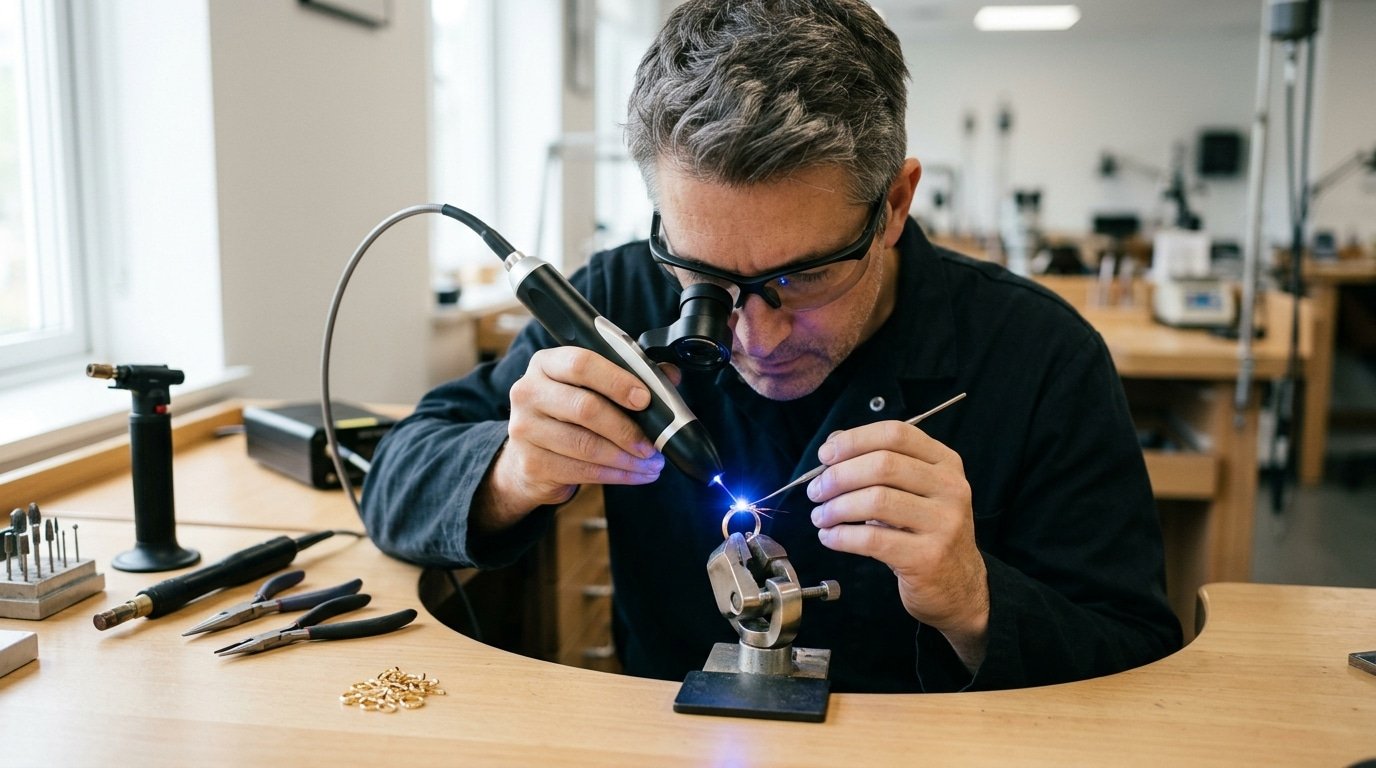
Mid Range Production Welders From $10,000 To $30,000
The approximately $10,000[4],approximately $30,000 bracket buys you a approximately 1500W,2000W water-cooled fiber laser welder with a wobble head and an integrated wire feeder. This laser welding machine price tier targets shops running daily batch metal fabrication, not occasional repairs.
A approximately 1.5kW robot laser welding machine sat around $25,000 in 2025 Made-in-China listings.
Water cooling matters more than buyers expect. Air-cooled handhelds throttle after long runs; a chiller-fed approximately 2000W system welds for hours without thermal shutdown. That duty cycle is why production floors pay the jump.
The wobble head is the real upgrade here. It oscillates the beam in a circle or figure-eight, widening the weld bead from a hairline to 3,5mm.
This bridges sloppy joint gaps that would cause burn-through on a fixed beam. Pair it with the wire feeder, and you can fill mismatched seams on stainless or aluminum without pre-fitting.
Why Two 2000W Machines Differ By $8,000
Identical wattage, wildly different prices. Here is what actually drives the gap:
- Laser source brand. A Raycus or JPT source costs less than an IPG Photonics module. The IPG version may add approximately $4,000–$6,000 alone, but delivers tighter beam quality and longer diode life.
- Chiller capacity. An undersized chiller saves approximately $1,500 upfront and dies in summer heat.
- Warranty and parts pipeline. Brand-name sellers stock collimator lenses and protective windows locally; imported gray-market units leave you waiting weeks.
Skip the cheapest approximately 2000W quote. The approximately $8,000 premium usually pays for the laser source and real service coverage, not markup.
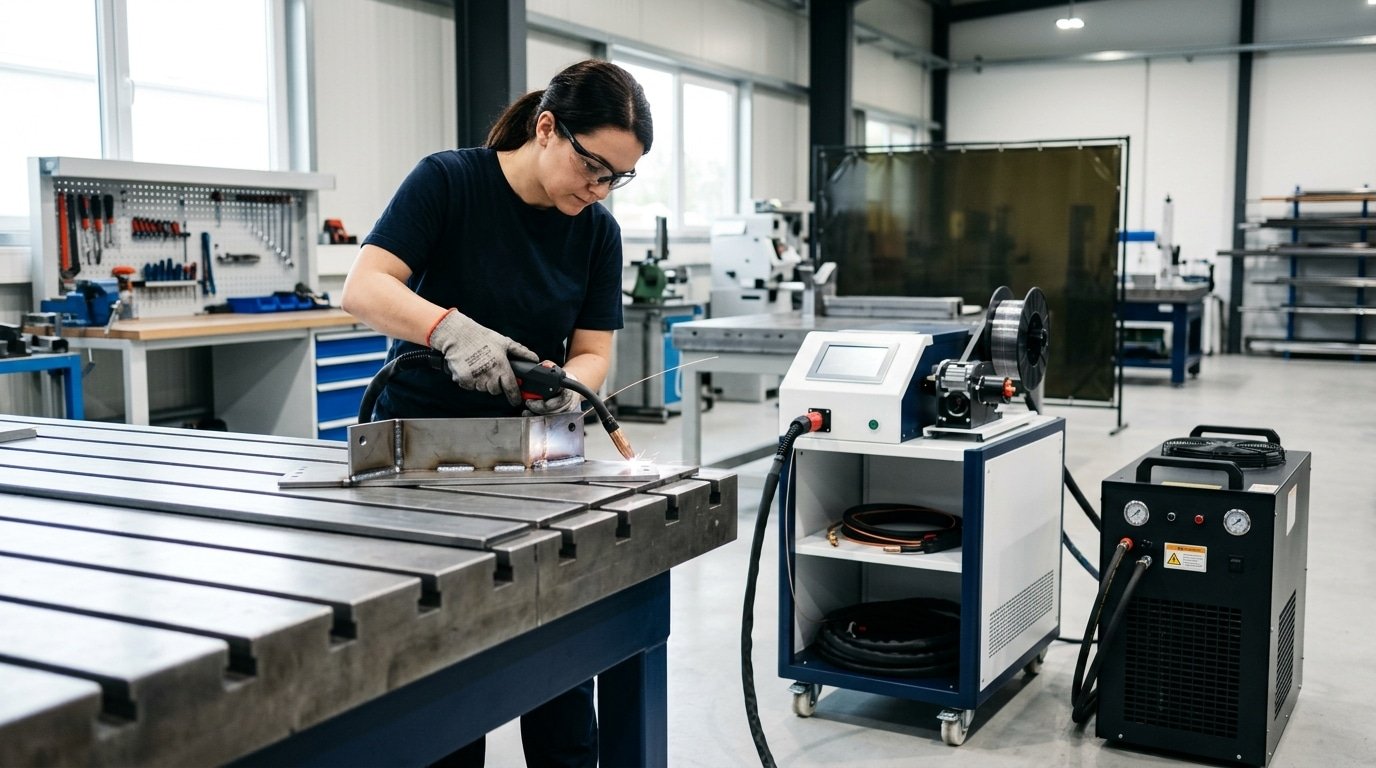
Industrial And Automated Systems From $30,000 To $80,000+
This price range buys you robots, not the kind of welding torch you hold in your hand. For somewhere between $30,000 and $80,000 or more, you get approximately 2000W,6000W fiber lasers mounted on either a six-axis arm or a gantry.
These are built to weld the exact same part thousands of times over without anyone holding anything at all.
A high-speed 3-axis approximately 1kW system runs around $60,000 in 2025 pricing data. A approximately 1.5kW robot welding cell, on the other hand, sits near $25,000 before you add the fixtures.
Once you factor in the enclosure, the motion control electronics, and the tooling, the laser welding machine price climbs quickly.
Full robotic cells in the approximately 2,6kW class started around $100,000 in 2024 once the integration work was counted in.
So what actually justifies paying that premium? Really, it comes down to how much welding you get for each dollar spent.
A handheld welder still needs a person standing there at approximately $20 an hour. A robotic cell welds 3,5 times faster with just one technician loading parts.
In my experience, on a line running two shifts, that gap in labor cost pays back the extra spend in under 18 months for a lot of shops.
Seam-Tracking And Vision Add-Ons
Two upgrades really separate a “robot that moves” from a “robot that welds well”:
- Seam tracking — a sensor watches the weld joint as it happens and corrects the path if the part shifts even slightly. This handles warped parts or loosely held parts that a fixed program would simply miss.
- Machine vision — a camera finds each part before welding starts, so you can skip the precision jigs. Honestly, this is handy when you’re running mixed batches.
For simple, identical parts, just skip these. Add them when your tolerances are tight or your fixturing is a little loose. Each one typically adds approximately $8,000[5],approximately $20,000 to the bill.
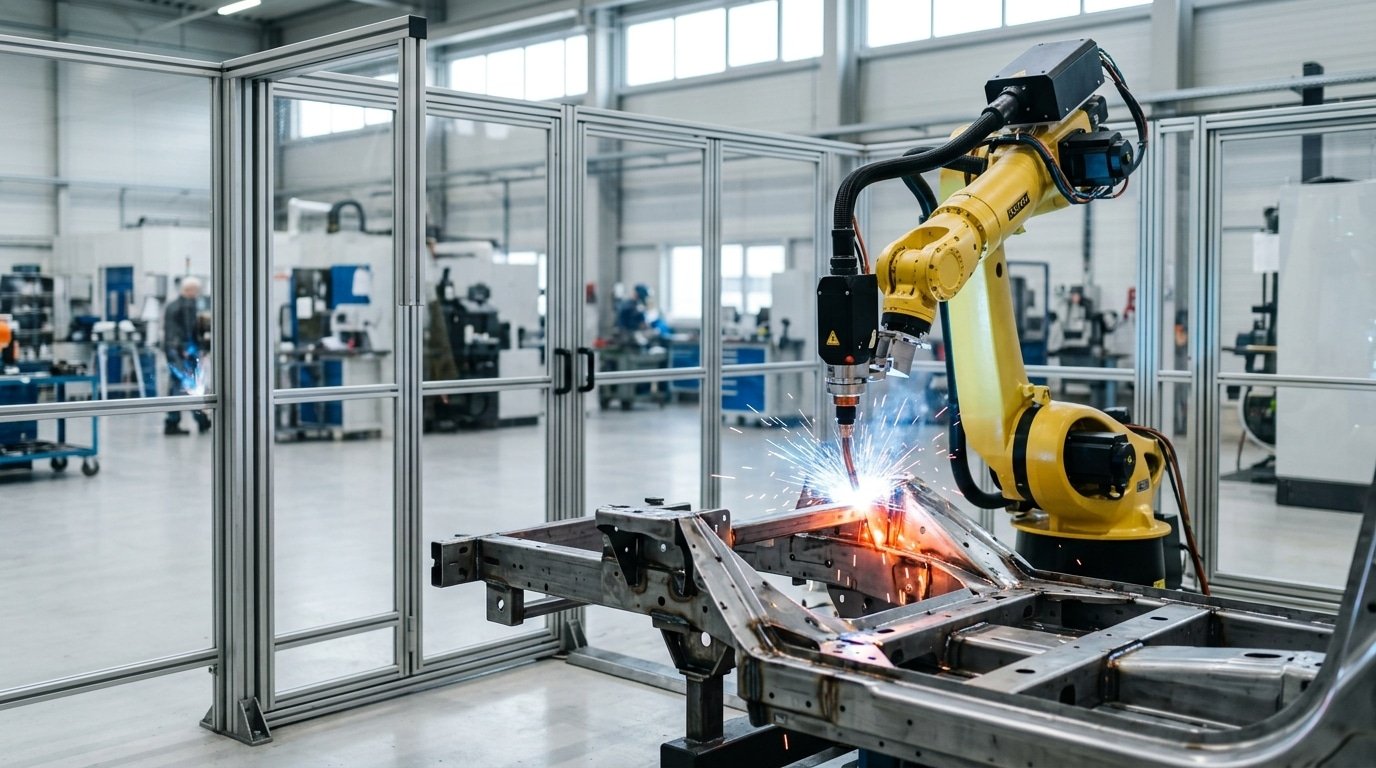
How Power Output Decodes The Price Tag
The amount of power, which we measure in watts, is really the single biggest thing that moves the laser welding machine price up or down. Every extra approximately 500W of power adds somewhere around $1,500 to $3,000 to what you pay.
⚠️ Common mistake: Budgeting only for the laser unit and ignoring fixtures and safety enclosures. This happens because quoted prices like “approximately $80,000” cover the machine alone, not the full cell. The fix: for automated robotic systems, add 30–approximately 50% on top—a approximately 6 kW workstation can jump from under $500,000 to well past it once enclosures and fixtures are included.
And that money actually buys you something real, like the ability to go deeper into the metal, move faster while you work, and weld through thicker steel in just one pass.
If you stay below approximately 1500W, you’re basically in the handheld range. But once you go above approximately 2000W, you start paying extra for water-cooled chillers and much stronger power supplies.
How deep the weld goes does grow with more power, though it doesn’t happen in a straight line. Doubling the watts won’t double how thick a weld you can manage, because as you push deeper, more heat gets lost into the metal around it.
That’s the reason a approximately 3000W unit might weld about 6mm of stainless in one pass, which is not double what a approximately 1500W one can do.
| Power | Typical price (2025) | Max single-pass weld (mild steel) | Duty cycle | Electricity draw |
|---|---|---|---|---|
| approximately 1000W | ~approximately $5,000 | approximately 3mm | approximately 80% | ~4 kW |
| approximately 1500W[6] | ~approximately $8,000 | approximately 4mm | approximately 90% | ~5.5 kW |
| approximately 2000W | ~$13,000 | approximately 5mm | approximately 100% | ~7 kW |
| approximately 3000W | ~$22,000 | 6–8mm | approximately 100% | ~10 kW |
Take a look at the jump from 1000W to 1500W. It costs you about $3,000 more but really only adds approximately 1mm of depth.
Some rough pricing that was pulled together from 2025 Made-in-China listings shows approximately 1kW fiber welders sitting near $5,000, which kind of confirms how the curve starts off.
How long the machine can keep running, which people call the duty cycle, matters just as much as the raw watts do. A approximately 100% duty cycle simply means the machine runs nonstop without shutting itself down from heat.
And that’s really important for production shops that are welding for approximately 8 hours straight.
Here’s one thing that catches people out. A approximately 3000W head pulls about 10 kW of power, and that can trip a standard 30-amp single-phase circuit.
A lot of buyers only find this out after the machine is already installed. So you’ll want to check whether your shop has three-phase power available before you commit to anything above approximately 2000W[7].
Hidden And Recurring Costs Most Buyers Forget
The laser welding machine price on the invoice is only the start. Plan for approximately $1,500,$4,500 a year in running costs for a mid-range water-cooled unit, and far more if you weld stainless steel daily. These costs decide whether the machine pays for itself or quietly drains your shop budget.
Shielding gas is the sneakiest line item. Argon protects the weld pool from oxygen so your seams stay clean and bright.
A standard 244 cubic foot argon cylinder runs about $60,$120 and lasts a busy operator one to two weeks. That’s roughly $1,500,$3,000 yearly.
Nitrogen is cheaper for some jobs but can cause porosity (tiny gas bubbles that weaken the weld) on certain steels.
Protective lenses are replacement parts, not permanent parts. The cover glass shields the focusing optics from spatter. Replacements cost approximately $15,$40 each, and heavy users burn through one or two per week. Skip cleaning and you risk a approximately $400+ focus lens or a damaged laser source.
| Recurring cost | Hobby/Entry annual | Industrial annual |
|---|---|---|
| Shielding gas (argon) | approximately $400–$800 | approximately $3,000–$6,000 |
| Protective lenses | approximately $200–$500 | approximately $1,200–$2,500 |
| Chiller maintenance + coolant | approximately $0 (air-cooled) | approximately $300–$700 |
| Electricity | approximately $150–$400 | approximately $1,000–$2,500 |
Operator training is the cost nobody budgets. A two-day certified course runs approximately $800,$2,000 per person. The U.S. OSHA laser hazard guidance requires proper eye protection and safety controls, so untrained staff are a liability, not a shortcut.
Add it all up and a approximately $25,000 machine can cost approximately $4,000[8]+ yearly to run. That’s the real number to compare against any laser welding machine price quote.
New Vs Used Refurbished And Leasing Options Compared
Buy new if uptime matters; buy refurbished if cash is tight and you can verify laser source hours; lease if you want to preserve working capital.
Refurbished fiber welders typically sell at 40,approximately 60% off the new laser welding machine price, but the real risk hides in the fiber source, not the chassis.
A approximately 1500W fiber laser source is rated for roughly 100,000 hours of diode life. A used unit with approximately 30,000 hours logged still has plenty left. But sellers rarely disclose this number. Always ask for the controller’s runtime log before you wire money.
How The Three Paths Stack Up
| Option | Typical Cost vs New | Warranty | Best When |
|---|---|---|---|
| New | Full price | 2–3 yr source, 1 yr parts | Daily production, financing approved |
| Refurbished | 40–approximately 60% savings | 30–90 days, source only | Backup unit or low-volume shop |
| Lease/Finance | approximately $400–$1,200/mo | Same as new | Cash flow tight, tax write-off needed |
Leasing beats outright purchase when your monthly job revenue clears the payment with margin to spare. A approximately $25,000 machine financed over 48 months runs near $600 monthly.
If one welding contract nets approximately $2,000 a week, the lease pays itself fast. Equipment leases may also qualify under Section 179 deduction rules, letting you expense the cost in year one.
The trap with cheap refurbished units? A dead fiber source costs approximately $4,000,$8,000 to replace, wiping out your savings. Demand a test weld video on your own material before purchase.
How To Match A Price Bracket To Your Actual Use Case
Match the bracket to your weld volume and material thickness, not your ambition. A jewelry repair bench needs a approximately 60,200W spot welder in the low thousands.
A heavy fab shop welding approximately 6mm steel daily needs approximately 3kW+ and a approximately 100% duty cycle. Buying outside your real workload wastes money or kills uptime.
Here is the simple decision logic:
- If you repair rings, prongs, and eyeglass frames → a 60–approximately 200W jewelry laser spot welder, roughly $3,500[9] in 2025 per GWEIKE pricing data. More watts will burn through approximately 0.5mm gold.
- If you run a sheet-metal shop on 1–approximately 3mm steel → a approximately 1500W water-cooled handheld in the approximately $10,000–$30,000 band. This is the sweet spot for kitchen, signage, and HVAC work.
- If you do automotive panels and exhaust → approximately 2000W with a wobble head for gap tolerance on uneven body steel.
- If you weld structural steel above approximately 4mm all shift → approximately 3kW–6kW with active cooling rated for continuous operation.
The most expensive mistake is overbuying wattage. Shops grab approximately 3kW “to be safe,” then spend their days on approximately 1.5mm sheet that a approximately 1500W unit welds cleaner and cheaper. The extra power adds heat-affected zone problems on thin stock.
The opposite trap is the false economy of underbuying duty cycle. A approximately 60% duty cycle machine forces a rest after 6 minutes of every 10.
Run that in a production cell and your real laser welding machine price doubles in lost labor hours. Pay for approximately 100% duty cycle if welding is your core revenue.
Read the spec sheet’s duty cycle rating before the wattage number. It tells you more about real throughput.
Frequently Asked Questions About Laser Welder Pricing
Quick answers to the questions buyers actually type into Google before spending money. Every figure below reflects 2025,2026 market data.
What’s the cheapest reliable handheld laser welder price?
Expect to pay approximately $3,500 to $5,000 for a approximately 1kW air-cooled handheld unit you can trust for light daily work. A 2025 supplier pricing snapshot lists approximately 1kW[10] handheld laser welders around $3,500. Below approximately $3,000, you risk thin housings, no real warranty, and a laser source rated for far fewer hours.
What’s the ROI payback period?
Most shops recover a approximately $6,000,$10,000 machine in 6 to 14 months. A welder doing argon TIG repairs in 20 minutes can finish the same seam in 4 minutes with a laser.
At approximately $80/hour shop rate, saving 16 minutes per job across 8 jobs daily clears roughly $170 a day, about $40,000 a year before overhead.
Do I pay import duties on a laser welding machine price?
Yes, usually. US importers face Section 301 tariffs on Chinese-made fiber lasers, often approximately 25% on top of base duty. Add ocean freight (approximately $600,$1,800 per crate) plus customs brokerage. Check live rates with US Customs and Border Protection before you sign.
Are cheap laser welders worth it?
Sometimes. A approximately $3,500 hobby unit is fine for occasional thin steel. But sub-approximately $3,000 machines often ship with unbranded laser sources and no spare parts pipeline. Skip the bargain bin if downtime costs you money. Buy a known brand instead.
Choosing Your Bracket And Getting An Accurate Quote
Pick your bracket by weld volume first, power second, price third. A jeweler needs a approximately 100W spot welder near $3,500; a fabrication shop running daily seams needs a approximately 2000W water-cooled handheld closer to approximately $20,000.
The Laser welding machine price on the quote means little until you force the seller to itemize total cost of ownership (TCO).
The seven tiers follow one rule: every jump in power and automation roughly doubles your spend. Robotic cells start in the tens of thousands and climb fast with fixtures and safety enclosures, per 2025 GWEIKE pricing data.
Demand these line items on every quote:
- Laser source brand and warranty — IPG or Raycus, with stated hours (a fiber source should be rated 100,000+ hours)
- Chiller spec — air vs water-cooled, and its annual power draw
- Replacement parts — protective lenses, nozzles, and shielding gas estimated per year
- Freight, duties, and crating — often 8–approximately 15% on imported units
- Installation and operator training — on-site or remote, with hours included
- Spare parts lead time — ask for the typical wait on a dead laser source
One trap most buyers miss: a low sticker price with no TCO breakdown hides approximately $1,500,$4,500 in yearly running costs. Make the seller put those numbers in writing before you sign.
Get three written, itemized quotes from verified suppliers. Compare TCO, not just price. Then commit.
See also
What is the standard definition of a weld?
Average Prices for 100W to 1000W Pulse Laser Cleaners
Why weld seams are often the most rusted areas
Shielding Gas: Nitrogen vs. Argon in Laser Welding
How material thickness affects the size of the heat affected zone