

Small-shop business guide / U.S. planning
7 Steps to Build a $10K/Month Welding Business from Home
Start with a legal, safe place to work, a service you can deliver well, and prices that cover the whole job. Then build repeat customers before buying more equipment. $10,000 a month is a sales target, not a promise of profit or personal income.
The short answer
A home welding shop works only when three things fit.
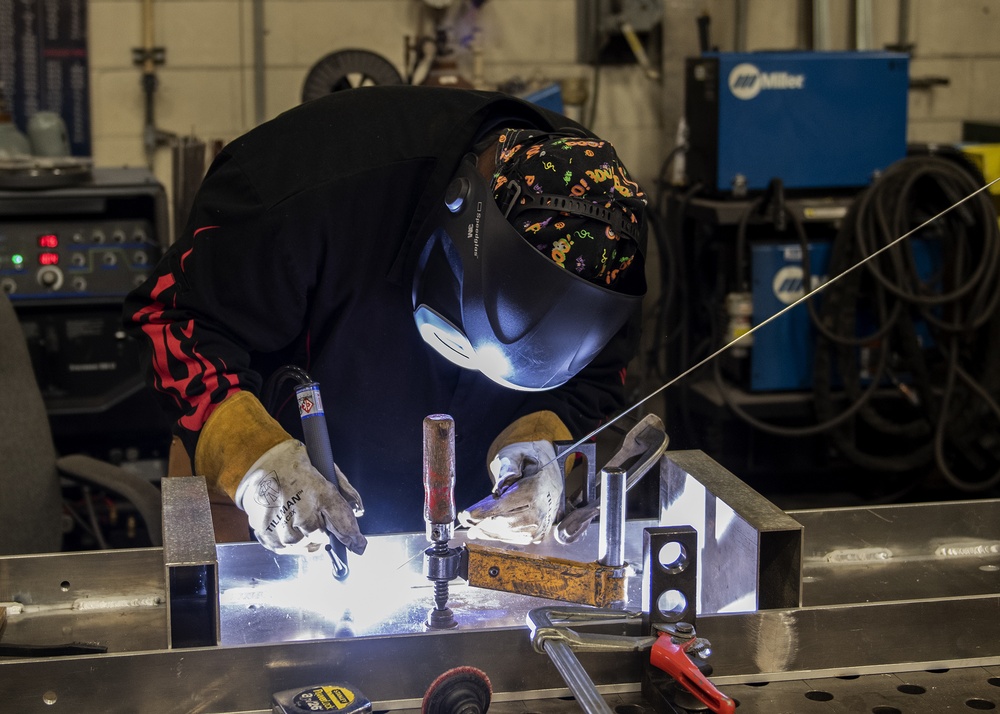
If you are asking how to set up a welding shop business, test these conditions before making a purchase. This guide assumes you already have the skills to produce and inspect the work you plan to sell.
The property permits it
Home-business rules, fire conditions, noise, fumes, deliveries and insurance must support the actual work. Owning a garage does not make commercial welding an approved use.
Customers need it
Choose a clear service and a known buyer. A repeatable part or well-defined fabrication job is easier to estimate than a promise to repair anything made of metal.
The numbers pay you
Sales must cover job costs, overhead and your time. Allow for quoting, sourcing, cleanup and collections. Those hours still exist when the welder is switched off.
Revenue is not take-home pay
What does a $10,000 month actually mean?
Ten jobs invoiced at $1,000 each produce $10,000 in sales. So do eight jobs at $1,250. Neither example says how much work you can finish, what it costs, or when customers will pay.
For a service-only example, 160 available hours at a 60% billable share give you 96 billable hours. To invoice $10,000 entirely from those hours, the average service rate must be about $104.17 per hour. That is arithmetic, not a local market rate.
Materials and outside services can increase invoice totals without adding much money for the owner. Keep a separate view of sales, job costs, overhead and cash collected. Employee welding wages are also different from a shop's customer billing rate.
All business numbers below are illustrative USD planning examples. They are not an earnings forecast, a supplier quotation or tax advice. Local legal, tax, insurance and safety advice is still needed.
One illustrative month
before owner allocation$5,500
This balance still has to support owner labor, taxes, debt payments, equipment investment and reserves. Unpaid invoices reduce the cash actually available.
Choose a service that fits both the market and your address.
Make your offer specific
Start with one or two services you can quote, produce and inspect consistently. Define the materials, thickness range, part size, finish and delivery area. A narrow offer makes it easier for the right customer to recognize you.
Talk to potential buyers before stocking equipment. Ask local fabricators, maintenance teams or small manufacturers what they outsource, how often it recurs, what drawings they provide and what causes delays. A paid trial order is stronger evidence than a compliment on a photo.
- Small-batch fabrication: repeat parts made to agreed drawings and inspection requirements.
- Decorative metalwork: clearly defined, non-structural items with an agreed finish.
- Overflow work: a limited operation for another shop, with responsibilities written down.
Make these calls first
- Planning or zoning office: Is this welding activity allowed at the exact address?
- Fire/building authority: What approvals and site controls apply to hot work, cylinders and storage?
- Property owner or HOA: Do the lease, covenants and insurance allow the proposed use?
- Insurer: Will the actual fabrication, customer visits and off-site work be covered?
Describe the process honestly. Include grinding, cutting, coatings, exhaust, operating hours and deliveries. Approval for a home office is not approval for a fabrication workshop.
Know the jobs to decline. Pressure equipment, lifting devices, structural supports, vehicle safety components and work on used fuel containers can carry severe consequences. Do not accept them as beginner repair jobs. Take them only with the required design, qualifications, procedures, inspection, insurance and safe-work controls in place.
The SBA's location guidance explains that zoning can restrict or prohibit business activities, including at home. If the address fails the check, investigate an approved commercial bay or another permitted operating model.
Finish this step with: a written service scope, a list of potential buyers and a documented answer on whether the property can support that work.
Budget for the workshop, not just the welding machine.
There is no honest universal cost for a home welding business. Existing equipment, property condition, process and local requirements change the answer. Build your own budget from quotes and keep setup spending separate from cash reserves.
Scroll sideways to see all table columns.
| Budget item | Example allowance | What to verify before spending |
|---|---|---|
| Welder and process accessories | $3,200 | Process, output, duty cycle, leads, torch, gas and service support |
| Cutting, clamping and measuring tools | $1,200 | Safe cutting method, fixtures, inspection tools and handling needs |
| Electrical and extraction work | $4,000 | Site-specific design and written contractor quotes; actual work may cost much more |
| PPE and fire/hazard controls | $1,000 | Protection for the chosen work, bystanders and building |
| Registration, initial insurance and admin | $1,200 | Applicable fees, coverage deposits and accounting setup |
| Initial materials and consumables | $800 | Approved job needs, filler, gas and finishing supplies |
| Illustrative upfront subtotal | $11,400 | Replace allowances with actual quotations |
| Working cash reserve | $3,600 | Money kept available, not another equipment purchase |
| Total starting cash in this example | $15,000 | Not proof that a particular site can be made suitable for this amount |
Excludes property purchase, major building work, a vehicle, a laser system and the owner's household costs. It is not a first-year expense forecast. Taxes, financing and ongoing premiums may add costs.
List the recurring commitments
Include insurance renewals, utilities, gas, bookkeeping, software, maintenance, waste handling, marketing and any rent or debt payments. Set aside tax money based on advice for your business structure. A rent-free garage still has running costs.
Model the cash gap
Materials may be due before customers pay. Plan for that gap plus a slow period or equipment failure. Keep household runway separate. Do not count an accepted quotation as cash in the bank.
This one-time-versus-monthly structure follows SBA startup-cost planning guidance. The dollar allocations are illustrative, not SBA estimates.
Finish this step with: a quoted setup budget, a monthly cash plan and a minimum reserve you will not spend on optional equipment.
Separate business setup, insurance and welding qualification.
These solve different problems. Registering a company does not approve the workshop, insure a repair or qualify a weld.
Business and tax setup
Choose a structure with legal and tax advice. An LLC can limit some personal exposure, but it is not a blanket shield. Keep business banking and records separate.
When needed, obtain an EIN directly from the IRS for free. Entity registration and state tax accounts are separate tasks.
IRS EIN guidance →Insurance for the actual work
Describe fabrication, installation, mobile work, customer property and completed products to your broker. Ask about exclusions, limits and deductibles, not just the premium.
Homeowners coverage may not cover business activity. Tools in transit, commercial vehicles and employees can need separate protection.
NAIC home-business guidance →Licensing and quality scope
Check state and local contractor rules. California, for example, has a C-60 Welding Contractor classification. Requirements depend on the work and jurisdiction.
Then confirm the customer's procedure, welder qualification and inspection needs. One credential does not cover every material, position or process.
California C-60 example →Put the job agreement in writing. Define the drawing revision, material, dimensions, finish, inspection, delivery, payment terms and who supplies design information. Explain exclusions and obtain written approval for scope changes. Use a locally reviewed contract for your activities.
For qualification planning, see the AWS Certified Welder program and our guide to welding qualification timelines. Confirm the actual code and customer requirements before scheduling tests.
Finish this step with: the required registrations, agreed insurance coverage, a job contract and a clear record of which work you are qualified to accept.
Choose the process, then design the work area around it.
Buy the capability your chosen work needs. A larger machine will not solve poor fit-up, missing safety controls or a lack of customers.
Scroll sideways to see all table columns.
| Process | Useful starting fit | Important purchasing check |
|---|---|---|
| MIG / GMAW | Repeat fabrication with controlled joint preparation | Wire feeding, shielding, material range and output at the required duty cycle |
| TIG / GTAW | Precise work where control and finish matter | Required AC/DC features, torch and controls; common aluminum TIG work needs suitable AC capability |
| Stick / SMAW | Suitable repair and field work within your qualification | Electrode compatibility, site conditions and adequate preparation; not permission to weld unknown contamination |
| Multiprocess machine | A defined mix of jobs sharing one power source | Check which processes are actually included; DC TIG is not the same as AC TIG |
For a concrete example of feature differences, Miller's multiprocess comparison lists AC TIG on some models and not others. Confirm the exact machine specification and included accessories.
Buy accuracy and access, too
Budget for a suitable table, clamps, cutting tools, deburring, measurement and safe material handling. Check whether long stock and finished parts can enter, turn and leave without blocking exits.
Used equipment can reduce initial spending if its condition, guarding, electrical safety and serviceability are checked. Do not assume a used grinder, regulator or helmet is safe because it powers on.
Keep the workflow simple
Separate incoming material, preparation, hot work, inspection and finished work. Keep customers and household members out of hazardous areas. Avoid moving dirty stock back across a finished-part area.
Outsource occasional cutting, bending or finishing when the supplier's quality and lead time fit the job. Add a dedicated machine after repeat demand makes its full ownership cost worthwhile.
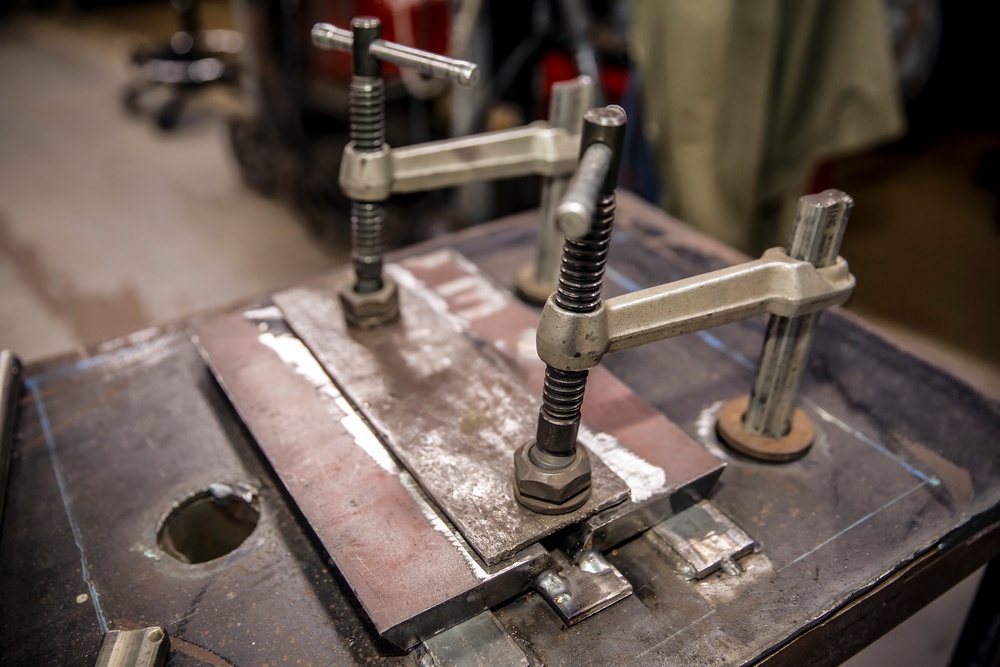
Confirm material and drawing revision.
Cut, clean, fit and fixture.
Use the agreed process and controls.
Inspect, record and protect the finish.
Step 4 / The safety gate
A garage is a location. It is not a safety system.
Have the work area assessed for the process, materials, coatings and workload you will actually use. Do not start if the risks cannot be controlled at that site.
Electrical supply
A qualified electrician should check machine input requirements, service capacity, grounding and circuit protection. There is no universal 220 V / 50 A garage-welder circuit. Welding output amps do not specify the required branch circuit.
Fumes and gases
Plan capture at the source and suitable filtration or exhaust. Hood position, materials and exposure matter; one advertised airflow number does not prove control. An open door or absence of visible smoke is not enough.
Fire and storage
Address combustibles, concealed spaces, sparks, heat transfer and cylinders. Provide suitable fire equipment and a fire watch where required. OSHA's 35-foot provisions are part of a wider hot-work framework, not a complete safety boundary.
People and protection
Choose eye, face, clothing, glove, hearing and respiratory protection for the hazards. Protect bystanders. A welding helmet alone is not protection from fumes, electric shock or every grinding hazard.
See OSHA arc-welding installation rules, hot-work requirements and welding hazard-control resources. Federal OSHA generally covers employers and employees, not self-employed workers; that does not remove local fire, building, environmental, contract or insurance duties.
Unknown coating or previous contents? Stop and identify them. Painted, plated, galvanized or contaminated material can add serious hazards. Used tanks and containers are not routine garage repairs. Seek qualified assessment and do not rely on a customer saying a container is empty.
Finish Step 4 with: a suitable process, verified site controls, a workable layout and a successful representative job trial — not just a machine receipt.
Set a rate that covers non-welding time.
The customer buys a finished, accepted result. Your estimate must include preparation, layout, welding, finishing, inspection and handling. Quoting, sourcing, admin and idle time also have to be recovered somewhere in the business.
For an internal rate check, divide your monthly owner-compensation target, overhead and business reserve contribution by realistic billable hours. Then account for direct job costs separately. This is a planning method, not a tax calculation or a recommended local selling rate.
This example still needs direct costs, market validation and room for risk. A sole proprietor's own pay is not a deductible employee wage; use a tax professional for the accounting treatment.
Quote a clear scope
For predictable work, a fixed price can be easier for the customer. For uncertain repair work, consider a paid assessment and written authorization before more work begins. Set a minimum charge that reflects setup and travel without hiding fees.
Accounting distinction: IRS Publication 334. Owner labor is an economic cost to consider even when the tax rules do not treat drawings as wages.
Illustrative fixed-price quote
Show where the price comes from.
- Materials: $320 cost + 20% markup$384
- Complete job labor: 6 h × $95$570
- Outside service charge$110
- Delivery charge$65
Not a market quotation. Direct costs, overhead and owner time still come out of the amount charged. A 20% markup on cost is a 16.7% margin on that line's selling price, not a 20% margin.
Track the actual hours. If the six-hour job takes eight hours, the $570 labor charge yields only $71.25 per job hour before overhead. Use that result to fix the next estimate.
Finish this step with: a cost-based rate check, an estimate template and a way to compare quoted hours with actual hours.
Interactive planning tool
Does the monthly target fit your available time?
Change the assumptions to see the service rate needed for your target. Billable share means the part of your working time recovered in customer job charges — not only the minutes with the arc on.
A sales-target rate, not a suggested selling price or a guarantee that your costs are covered.
- Billable hours available
- 96 h
- Service revenue needed at target
- $7,500
- Invoice capacity at your service rate
- $12,100
- Amount left at the invoice target
- $5,500
At $100/hour, the example capacity is $2,100 above the target. This assumes all 96 billable hours are sold and accepted.
The $5,500 balance is tied to $10,000 in invoices, not the $12,100 capacity figure. It is before owner labor, taxes, debt payments and equipment investment.
Capacity is not booked demand. Costs can change with volume, and invoices are not collected cash. Stress-test a lower billable share and delayed customer payments before committing money.
Find customers with a clear offer and useful proof.
You do not need to advertise every possible welding service. Show the exact work you do well, how to request an estimate and what the customer receives.
Talk to repeat buyers
Approach nearby fabricators, maintenance teams and businesses that buy your type of part. Ask about overflow work or a small paid trial. Give them a concise capability sheet, not a vague promise of low prices.
Show the finished result
Use your own project photos with permission. Explain the material, scope, dimensions and inspection. Do not post another shop's work as your portfolio or imply qualifications you do not hold.
Make quoting easy
Ask for photos, dimensions, material, quantity, intended use, finish, deadline and delivery location. Confirm what you need to inspect before giving a firm price. Follow up without promising work outside your scope.
Use a truthful local business profile
If eligible, create a Google Business Profile that matches your real operation. A mobile welder who does not receive customers at the home address should remove the public address and list the actual service area. Do not use a fake office or mailbox to look established.
Ask customers for honest reviews after delivery. Never buy reviews or promise a reward for a positive rating.
Follow Google's business representation guidelines and service-area guidance.
Measure useful leads, not just views
Track where each inquiry came from, whether it fit your service, whether you quoted it and whether it became paid work. A stream of unsuitable repairs can consume time without building the business.
After each accepted job, ask what the customer needs next. Repeat parts, reliable documentation and predictable delivery can make the next order easier for both sides.
Finish this step with: a short service page, permission-cleared portfolio, repeat-buyer contact list and a simple inquiry-to-payment log.
Improve the bottleneck before adding fixed costs.
One strong sales month is not proof that a bigger machine, a lease or an employee will pay for itself. Check the work mix, time records and cash trend first.
Review a small set of numbers
- Accepted work: which service creates repeat orders?
- Hours: where did estimated and actual job time differ?
- Rework: what needed repair, extra finishing or a return visit?
- Cash: which invoices are overdue, and how much reserve remains?
- Customer concentration: what happens if the largest buyer stops ordering?
Match the investment to the delay
If preparation consumes the day, better fixtures or outsourced blanks may help more than faster welding. If you lack suitable orders, more production capacity is unlikely to solve the problem.
For any proposed machine, count installation, extraction, training, consumables, service, finance and floor space. Count saved labor as cash savings only when it reduces cost or creates additional profitable output.
Hiring also adds payroll, training, supervision, insurance and employer duties. Review those before offering work.
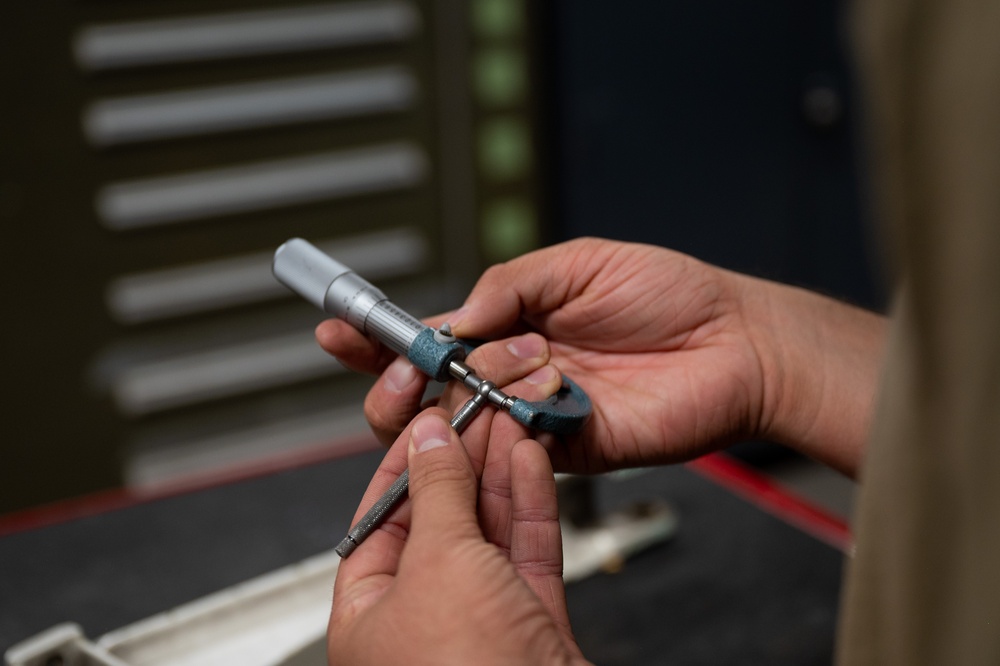
A 90-day validation plan — not an income deadline
- Days 1–30Confirm the conditions
Validate demand, site permission, insurance and setup costs. Identify training or qualification gaps. Do not start commercial work until the required controls are ready.
- Days 31–60Prove a small scope
When ready, deliver a few tightly defined paid jobs. Record every hour and direct cost. Check the result against the agreed requirements and correct the estimate process.
- Days 61–90Check repeatability
Seek repeat orders, review collection time and compare actual capacity with the plan. Continue, narrow the service or pause if demand, safety or margins do not support expansion.
Finish this step with: measured job economics and a specific reason for the next investment. The time to reach any revenue target depends on your market and execution.
When laser welding belongs in the plan
Consider it for proven work, not as a shortcut to a business.
A handheld laser welder may deserve a trial when repeat sheet-metal work makes welding or finishing a real bottleneck. Compare the complete part cycle: preparation, fit-up, welding, finishing and inspection. A fast demonstration bead alone cannot establish your payback.
Share the material, thickness, joint, production volume and required finish. Ask for a representative sample test and record accepted results and total job time. Use that evidence to compare against your current process.
Laser safety changes the site requirements.
Open-beam handheld laser welding introduces Class 4 laser hazards in addition to familiar welding hazards. An ordinary garage, arc-welding curtain or dark helmet is not proof of laser containment or protection.
Before operation, obtain a qualified laser-safety assessment, suitable containment and access controls, a written safety program and application-specific protective equipment. Ordinary arc-welding eyewear is not adequate protection from the laser beam.
If these controls cannot be provided at the property, the machine does not belong in that workspace.
See AWS handheld laser welding safety guidance. Our laser welding training guide covers the next learning step.
Before the first paid job
Keep these seven decisions visible.
Use this as a planning reminder, not a safety certificate or legal approval. A checked box does not replace the underlying evidence.
0 of 7 planning items reviewed.
Keep the next decision focused
Related welding guides
Common questions
Starting a welding business from home: FAQ
Can I legally run a welding business from my garage?
Possibly, but the exact address and activities must be allowed. Check zoning, home-occupation rules, fire and building requirements, environmental controls, property restrictions and insurance. A garage or home-office approval alone does not authorize commercial welding.
Can a home welding business make $10,000 a month?
It can be a sales target, but it is not a guaranteed result or personal income. For example, ten accepted jobs invoiced at $1,000 equal $10,000 in sales. Costs, available hours, demand and payment timing determine whether that volume is worthwhile.
How much money do I need to start?
Build the answer from your site and service. Include equipment, electrical work, extraction, tools, protective equipment, approvals, insurance, supplies and working cash. The $15,000 example in this guide is an illustrative allocation for an existing approved workspace, not a universal startup price.
Do I need an LLC and a welding certification?
There is no single answer for every U.S. location and job. Business structure, contractor licensing and welding qualifications are separate questions. Check local requirements, choose a structure with professional advice and meet the customer's code, procedure and qualification requirements before accepting the work.
What welding machine should I buy first?
Choose the machine for the work you have validated. Check process, materials, thickness, duty cycle, input power and included accessories. A multiprocess machine may be useful, but some models lack AC TIG. Buying the most powerful machine does not replace demand, skill or a suitable workspace.
How should I set my hourly welding rate?
Start with realistic billable hours and the amount needed for overhead, owner compensation and reserves. Add direct job costs correctly, then compare the result with customer value and local demand. Track all job time. An employee wage or a competitor's advertised rate is not your complete pricing model.
Is an open garage door enough ventilation?
Do not assume so. Fume control depends on the process, material, coating, workload, capture position and exposure. Have suitable controls assessed for the actual work. Neither an open door nor a single advertised extractor airflow proves that exposure is controlled.
Should I buy a handheld laser welder to start faster?
Only consider it after validating demand, sample quality, complete cycle time and the full ownership cost. Class 4 laser hazards require a separate safety assessment and suitable controls. If the home workspace cannot provide them, do not operate the laser there.
How do I get my first welding customers?
Offer a clearly defined service to local buyers who need it. Use permission-cleared examples of your own work, a simple estimate request process and an eligible, accurate business profile. Start with a manageable paid job, deliver the agreed result and ask for honest feedback and repeat work.
How long does it take to reach the revenue target?
There is no reliable universal timeline. Skills, approvals, local demand, selling price, job mix and available hours all matter. Use the 90-day plan to test readiness and job economics, not as a promise that revenue or profit will reach a stated amount by a deadline.

Oceanplayer Laser Technical Team
Our team creates practical guides on laser cleaning, welding, marking and industrial automation. We combine application experience with cited engineering sources to help manufacturers compare materials, evaluate processes and plan equipment trials with clearer requirements.
Primary references
Check the requirements behind the plan.
U.S.-focused guidance reviewed August 26, 2026. Requirements vary by place and activity. These sources support the regulatory and technical distinctions; the business examples are illustrative, not reported customer results.
- U.S. Small Business Administration: Launch your business — location, structure, registration and insurance.
- U.S. Small Business Administration: Plan your business — startup costs and break-even planning.
- IRS: Employer identification numbers — federal tax identification.
- IRS Publication 334 — small-business income, expenses and owner pay distinctions.
- NAIC: Working from home and insurance coverage — home-business coverage limits.
- California CSLB: C-60 Welding Contractor — a state-specific licensing example.
- AWS: Certified Welder program — performance qualification.
- OSHA 1910.252 — welding, cutting and brazing requirements.
- OSHA 1910.254 — arc-welding equipment and installation.
- OSHA: Welding hazards and solutions — exposure and hazard controls.
- OSHA: Who is covered? — employer and self-employed coverage.
- Miller: Multiprocess machine comparison — AC/DC features and input-power differences.
- Google: Business representation guidelines — accurate location and eligibility.
- Google: Service-area businesses — public address and service areas.
- AWS: Handheld laser welding safety guidance — laser-specific hazards and protection.
The appearance of U.S. Department of War (DoW) visual information does not imply or constitute DoW endorsement. Image-use notice.
Plan the process around the work
Have repeat welding jobs in mind?
Share the material, thickness, joint photos, volume, required finish and available workspace. Oceanplayer Laser can discuss equipment fit and a representative sample test.