
描述
Conservation trials · Specialist assessment
Let the conservation objective define the cleaning limit
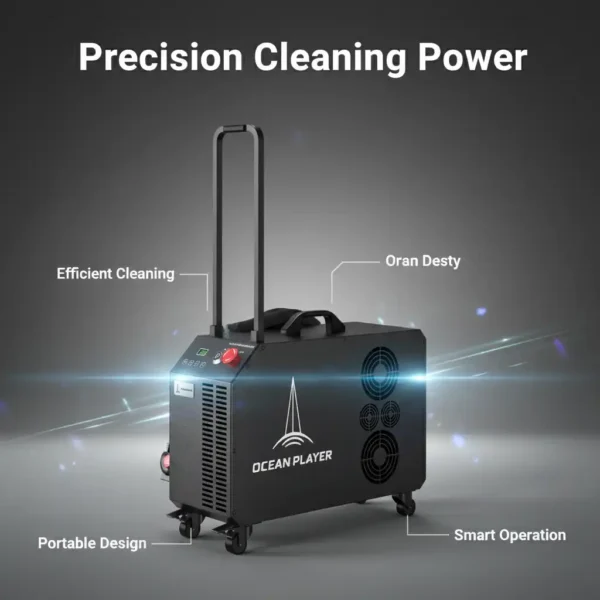
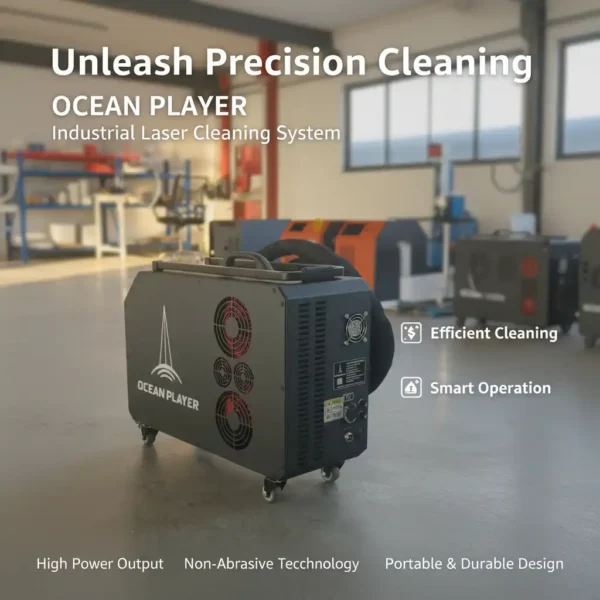
Oceanplayer Laser pulsed equipment may be evaluated by conservation professionals for specific surface-cleaning tasks. The object, substrate and layers to preserve must be assessed before any treatment is selected; industrial cleaning examples do not establish suitability for an artifact.


Begin with a controlled conservation trial
Document the untreated surface and evaluate a small approved area under specialist supervision. Set stopping criteria for changes in color, texture or retained layers.
Discuss these requirements
- Substrate, patina and historic layers
- Deposit and intended treatment limit
- Conservator-approved test method
Configuration for your application
Use these details to define the equipment enquiry. Request the final model-specific datasheet, scope of supply and acceptance sample before placing an order.
For conservation assessment, start with substrate, patina and historic layers. Confirm deposit and intended treatment limit and conservator-approved test method as part of the selection.
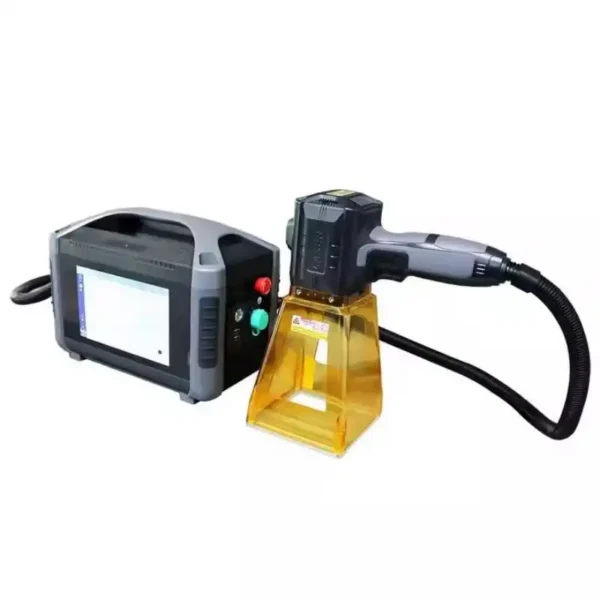
| Equipment | Pulsed fiber laser cleaning configurations |
|---|---|
| Available industrial pulsed range | 200–1000W; not a blanket treatment recommendation |
| Parameter review | Source, pulse characteristics, optics and controllable settings |
| Selection authority | Qualified conservation specialist |
| Acceptance | Object-specific treatment limits and documented trials |
See the process in motion
This is a general industrial cleaning demonstration, not a demonstration of approved conservation treatment.
Use a documented conservation decision process
Assess the object
Identify the substrate, historic layers and deposits with a qualified conservator. Define the treatment objective and what must remain.
Approve a small trial
Use an agreed test area and record the surface before and after. Evaluate color, texture and retained layers using the conservation plan.
Set treatment limits
Define accepted settings, inspection intervals and stopping criteria. Confirm site controls and residue collection before any wider treatment.
Confirm the scope before you order
Equipment and accessories
Request the final source, head, cooling and accessory list. Confirm what is included and what your site needs to provide.
Installation and training
Agree installation requirements, operator training and maintenance instructions for the supplied configuration.
Delivery and support
Confirm lead time, packing, warranty terms, spare parts and the model-specific documentation needed at your destination.
Questions before choosing
Practical points for conservation assessment.
Is this suitable for paintings, gilding or every historic material?
No such general suitability is claimed. Sensitive pigments, coatings and layered objects require specialist assessment and a material-specific trial. Do not choose treatment by average power alone.
Does non-contact mean there is no risk of surface change?
No. A laser can alter a surface even without touching it mechanically. Material response, settings and inspection are essential to the treatment decision.
Can industrial before-and-after images validate conservation use?
No. An industrial cleaning result cannot establish suitability for a historic object. Use object-specific evidence and a conservator-approved treatment process.
Discuss your application with Oceanplayer Laser
Send substrate, patina and historic layers, deposit and intended treatment limit and conservator-approved test method. Request a model recommendation, sample evaluation and quotation for your project.