

描述
200–1000W pulsed models
Prepare the joint before the weld
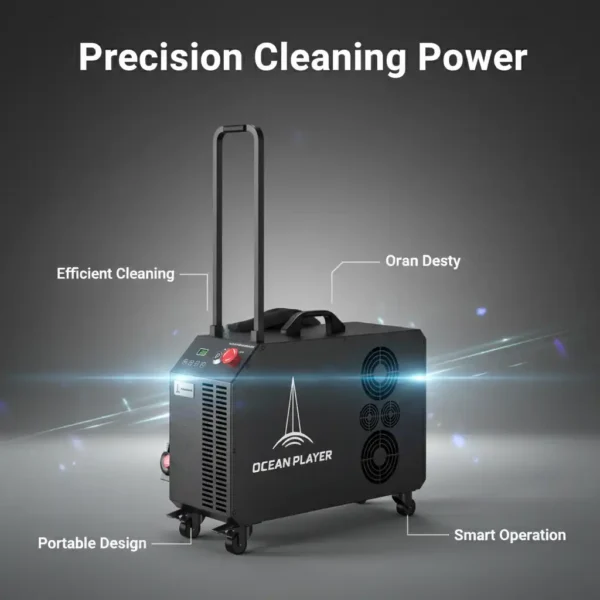
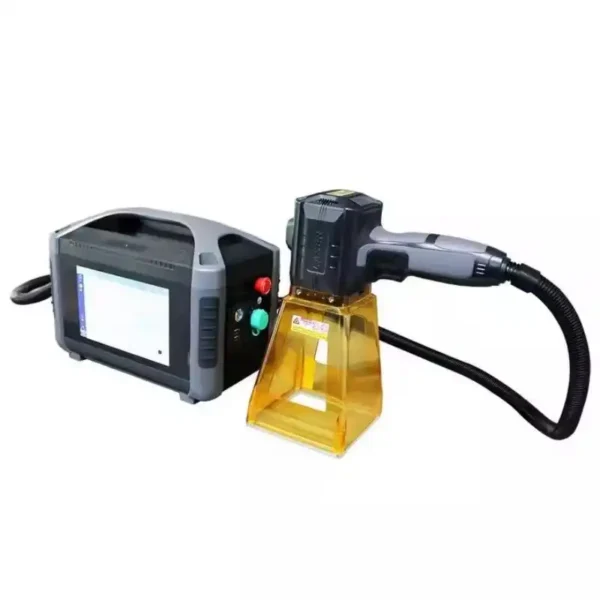
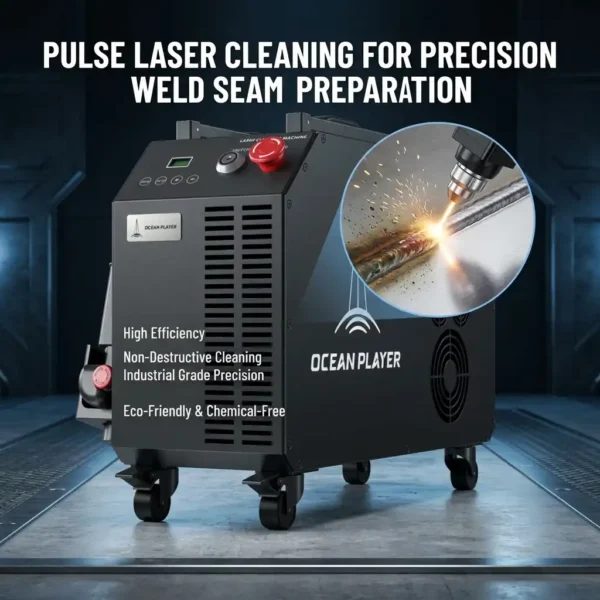
Rust, oxide layers and processing residues can interfere with welding. This pulsed laser cleaning range is designed for localized surface preparation along seams, joint edges and other accessible joining areas. A handheld cleaning head lets the operator follow the workpiece rather than treat an entire component.


Cleaning that fits your welding workflow
Treat the area that matters
Concentrate cleaning on the joining zone and compare the time required with your current preparation method.
Avoid abrasive contact
Laser cleaning uses no grinding disc or blasting medium at the workpiece. Surface response still depends on the material and process settings.
The aim is a repeatable cleaning process that fits your welding workflow. The right model and settings depend on the substrate, contamination, access and required cycle time. A clean-looking surface alone does not establish weld quality: validate the cleaned part using your welding procedure and acceptance criteria.
See the surface change
Compare the visible surface condition in these general cleaning examples. Weld preparation needs its own material, settings and weld-quality assessment.
Metal ring surface
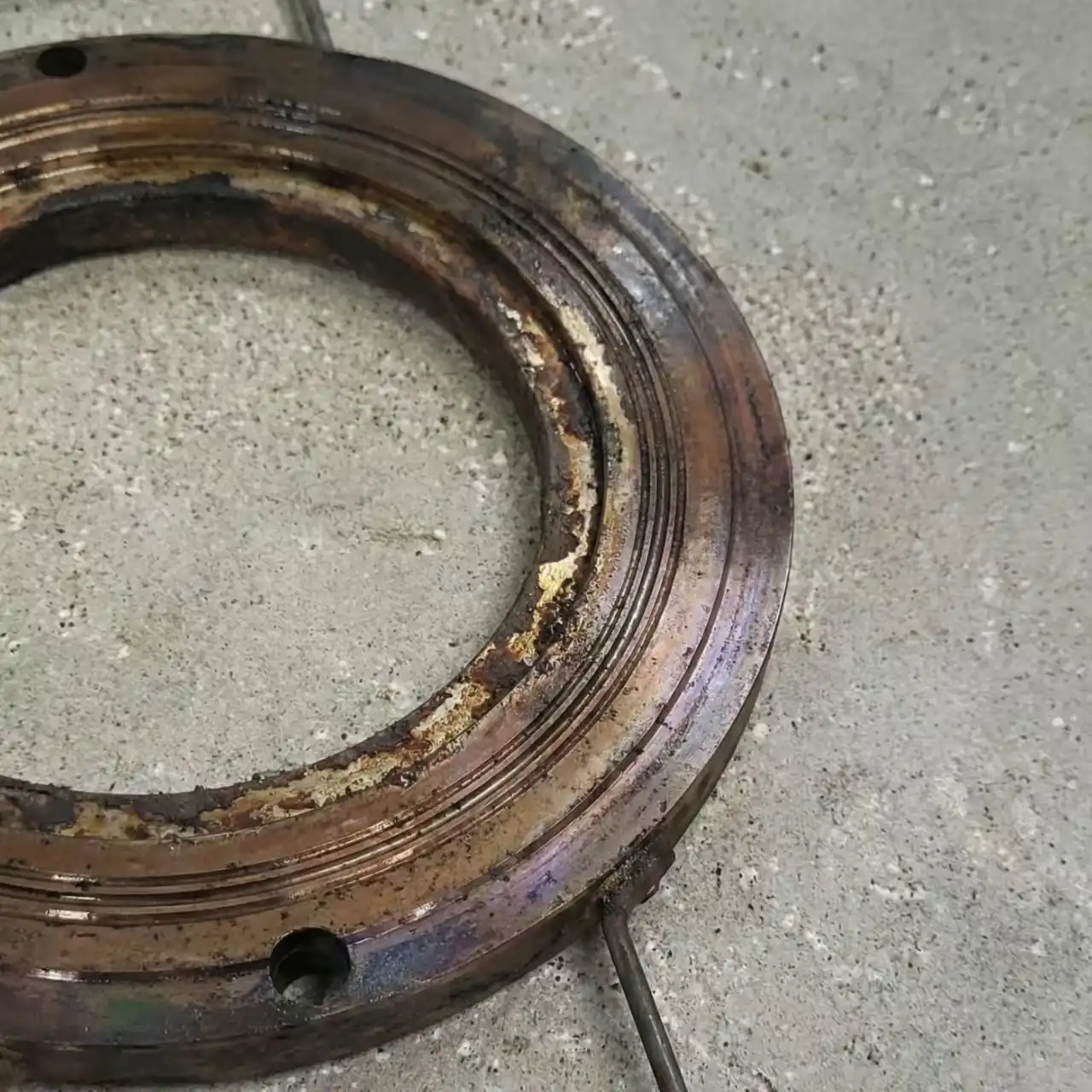
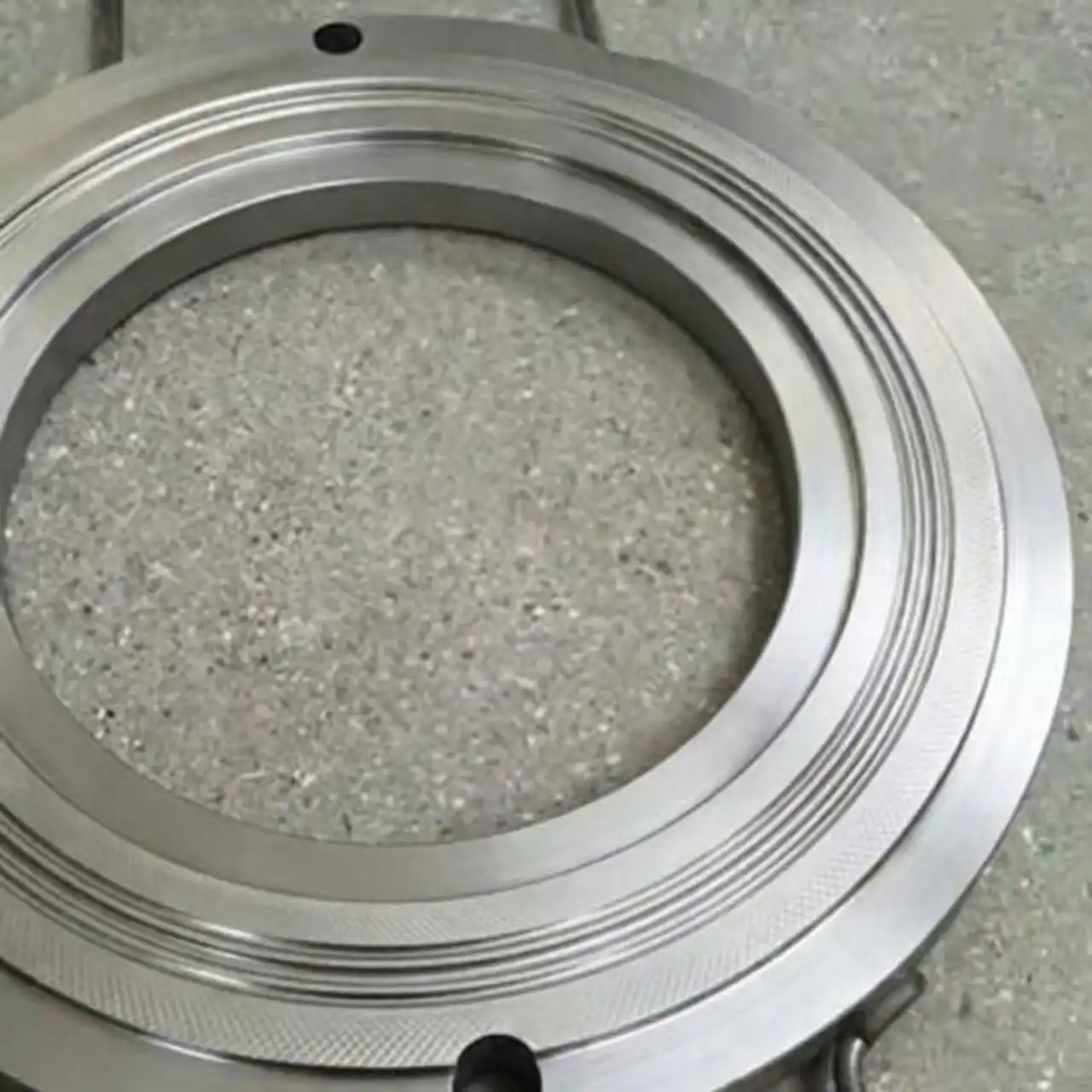
Steel tools


Oceanplayer cleaning demonstration. Confirm the machine configuration and trial conditions for your application.
Watch the cleaning process
- Residue removal across the joining area.
- Access around edges, curves and fixtures.
- Cleaning passes and handling time per part.
- Surface condition and the result after welding.
Select the model for your workpiece
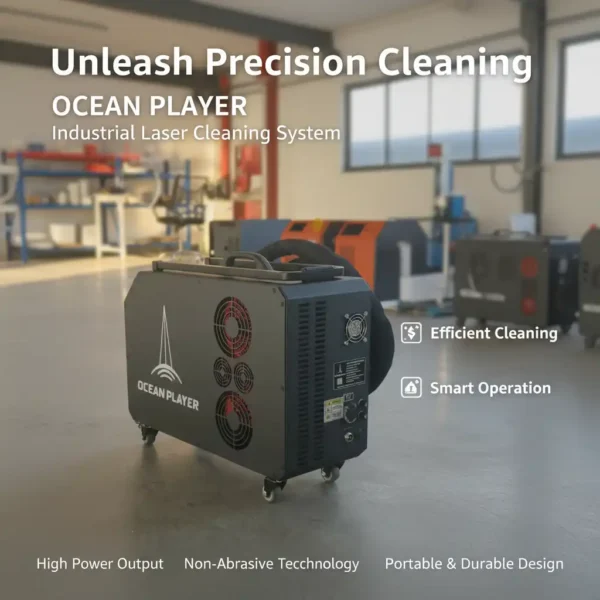
Choose from 200–1000W pulsed models
Select a model for your actual job. This is a range of available models, not a claim that every machine adjusts from 200W to 1000W.
Request the datasheet for the quoted model to compare pulse energy, pulse duration, repetition rate, scan width, fiber length, cooling, power supply, dimensions and weight. These specifications should match the machine being supplied.
Average power is only part of the selection. Compare the cleaning result and cycle time on the same sample, rather than choosing by wattage alone. If your project also involves continuous-wave cleaning, see our pulsed vs. CW comparison tool.
| Laser type | Pulsed laser cleaning |
|---|---|
| Available power range | 200–1000W models |
| Primary application | Localized surface preparation before welding |
| Operation | Handheld cleaning; discuss integration requirements for automated workcells |
| Model selection | Based on material, contamination, cleaning area and production rate |
Match the process to the cleaning task
- Rust and oxide layers
- Evaluate removal on the actual base metal. Thick or tightly bonded scale may require additional passes and can change the achievable production rate.
- Oil and processing residues
- Identify the residue before testing. Heavy deposits may need a separate pre-cleaning step; capture the material released during laser treatment.
- Thin or sensitive parts
- Check dimensions, surface condition and thermal effects during the trial. Avoid assuming that any power setting is suitable for every alloy or thickness.
- Joint access
- Check the head clearance, line of sight, cleaning width and access around corners, pipe ends or fixtures.
- Post-weld cleaning
- Heat tint, oxide and solid weld slag are different cleaning tasks. Discuss them separately if the machine will also be used after welding.
Evaluate cleaning and welding together
A useful trial connects the cleaning step to the finished joint. Agree on what a successful result means before comparing machines.
1. Describe the job
Provide the material and thickness, contaminant, joint geometry, cleaning width and target parts per hour. Photos help show access and surface condition.
2. Compare representative samples
Use typical and difficult parts. Record the model, cleaning settings, number of passes and handling time, then check residue removal and surface changes.
3. Check the welded joint
Weld the prepared samples using your intended process. Compare the result with your existing preparation method and the inspection requirements for the job.
For more process background, read laser cleaning before welding.
Compare the complete preparation cost
Pulsed laser cleaning can be considered where abrasive contact, media handling or repeated manual preparation complicates the job. The business case depends on the complete process, including loading, access, cleaning passes, extraction and inspection.
- Grinding and brushing
- Useful when material removal or edge preparation is part of the job. Compare tool access, abrasive use and the effect on part dimensions.
- Blasting
- Consider coverage, required surface profile, media handling and cleanup. Localized laser cleaning is a different process and should be assessed against the same acceptance requirements.
- Chemical cleaning
- Evaluate bath or solvent management, rinsing, drying and the type of contamination. A laser trial should show whether it can replace or complement the existing step.
- Laser operation
- Include electricity, extraction filters, protective optics, maintenance and operator time. Laser cleaning is not a zero-maintenance or zero-operating-cost process.
Plan installation, support and delivery
Workstation requirements
Plan suitable laser controls, operator training, protective equipment and fume extraction for the selected machine and material. Discuss workpiece handling and access before installation.
Scope of supply
Confirm the source and cleaning head, cooling arrangement, fiber length, electrical supply, accessories and any automation interfaces in the quotation.
Purchase details
Request the applicable documentation, warranty terms, support arrangements, packing details, lead time and shipping terms for your destination and selected configuration.
Questions before you choose
Power, material suitability and what to include in your enquiry.
Which power should I choose for weld preparation?
Oceanplayer offers pulsed models in the 200–1000W range. The suitable model depends on the material, contaminant thickness, area to clean and target production rate. Compare samples and the model-specific pulse parameters before selecting a machine.
Can it prepare carbon steel, stainless steel and aluminum?
These materials present different surface and contamination conditions. Share the exact alloy, thickness and residue for an application review. Validate the settings on representative parts, particularly for thin sections and sensitive surfaces.
Does cleaning guarantee a stronger or porosity-free weld?
No. Removing surface contamination addresses one part of weld preparation. Joint fit-up, shielding, filler material, welding parameters and handling also affect the result. Verify performance through the appropriate weld inspection or testing.
Does laser cleaning damage the base metal?
It is a non-contact process, but unsuitable settings or excessive exposure can alter the surface. The cleaning trial should check for unacceptable changes to roughness, dimensions and material condition.
Can the same system remove weld slag after welding?
Post-weld oxide or heat tint is different from thick slag or spatter. Suitability depends on the deposit and the required finish. Send an example for assessment instead of assuming one setting will handle all of them.
What information is needed for a quotation?
Send the material and thickness, photos of the joint and residue, cleaning width or area, target output and destination country. Include automation requirements and the available electrical supply if known.
Find the right setup for your weld preparation
Tell us what you need to remove, which material you weld and the output you need. Request a model recommendation, datasheet and quotation for your application.