
描述
Precision molds · 200–1000W pulsed models
Preserve the features that make the mold work
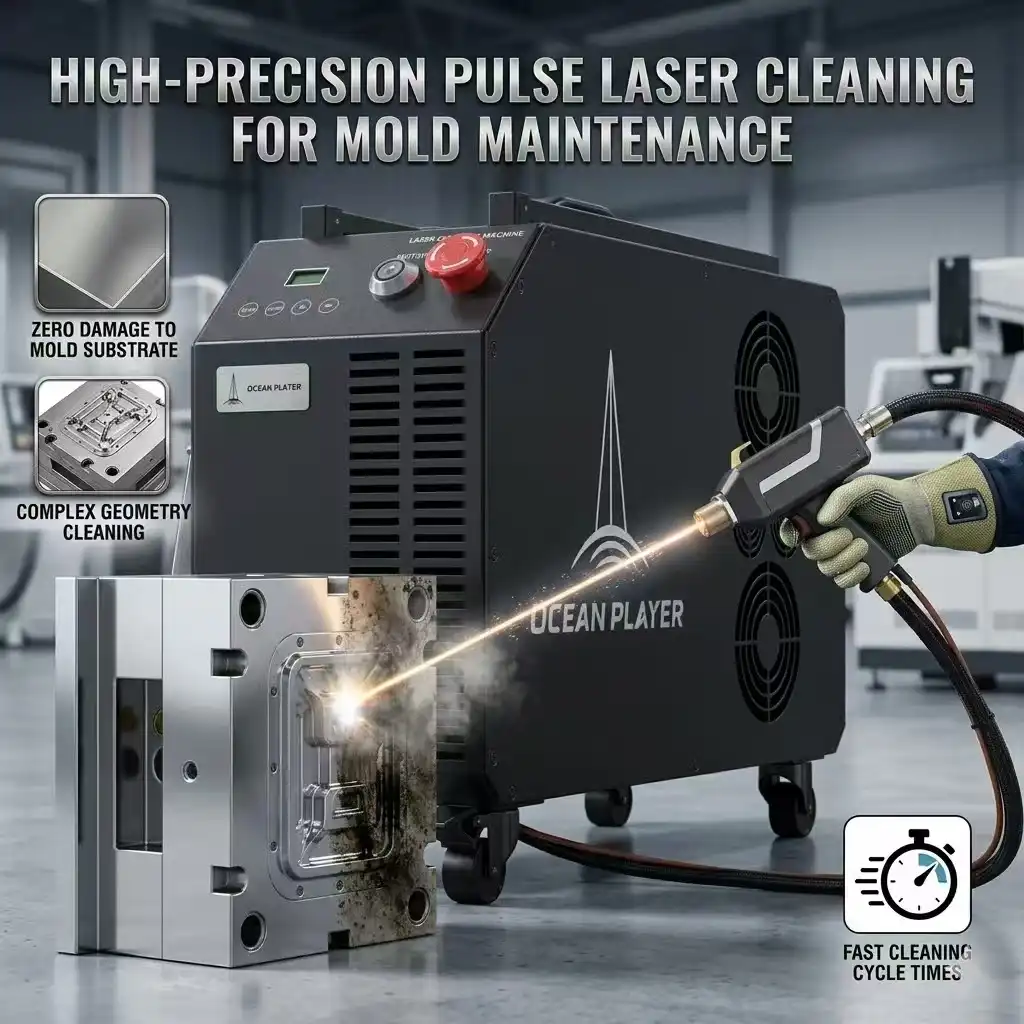
Oceanplayer Laser pulsed systems can be evaluated for cleaning precision mold surfaces where texture, edges and coatings must be assessed carefully. Build the cleaning trial around the working cavity and its acceptance criteria.

Make cavity inspection part of the process
Test representative details and compare them before and after cleaning. Record the accepted settings and define when the tool can return to production.
Discuss these requirements
- Cavity texture and fine features
- Tool coating and residue
- Finish and dimensional acceptance
Configuration for your application
Use these details to define the equipment enquiry. Request the final model-specific datasheet, scope of supply and acceptance sample before placing an order.
For precision cavity cleaning, start with cavity texture and fine features. Confirm tool coating and residue and finish and dimensional acceptance as part of the selection.
| Laser type | Pulsed fiber laser |
|---|---|
| Available pulsed range | 200–1000W models |
| Residue evaluation | Carbon, release agents, grease and process deposits |
| Mold information | Material, coating, texture and cavity geometry |
| Acceptance | Defined residue removal with finish and dimensional checks |
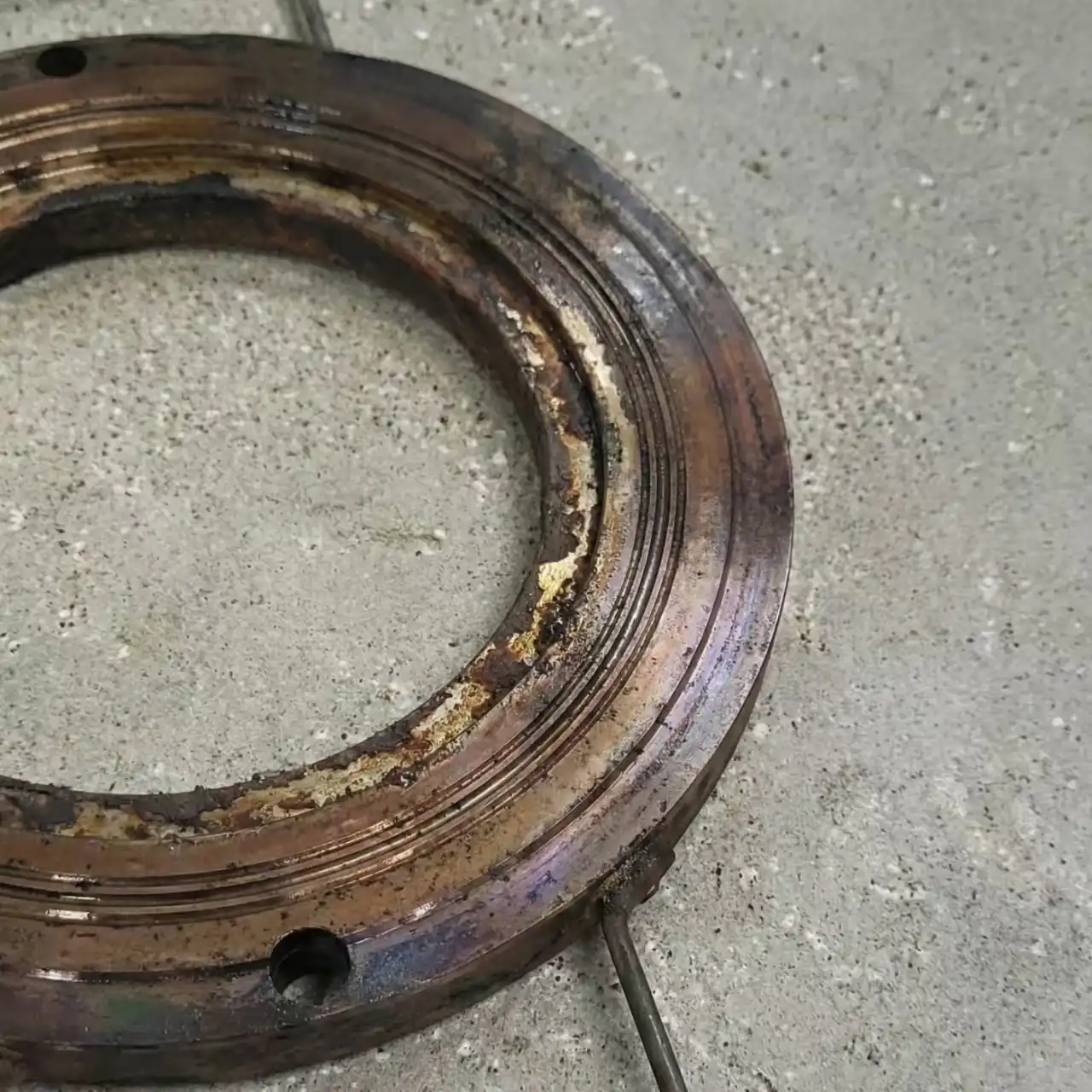
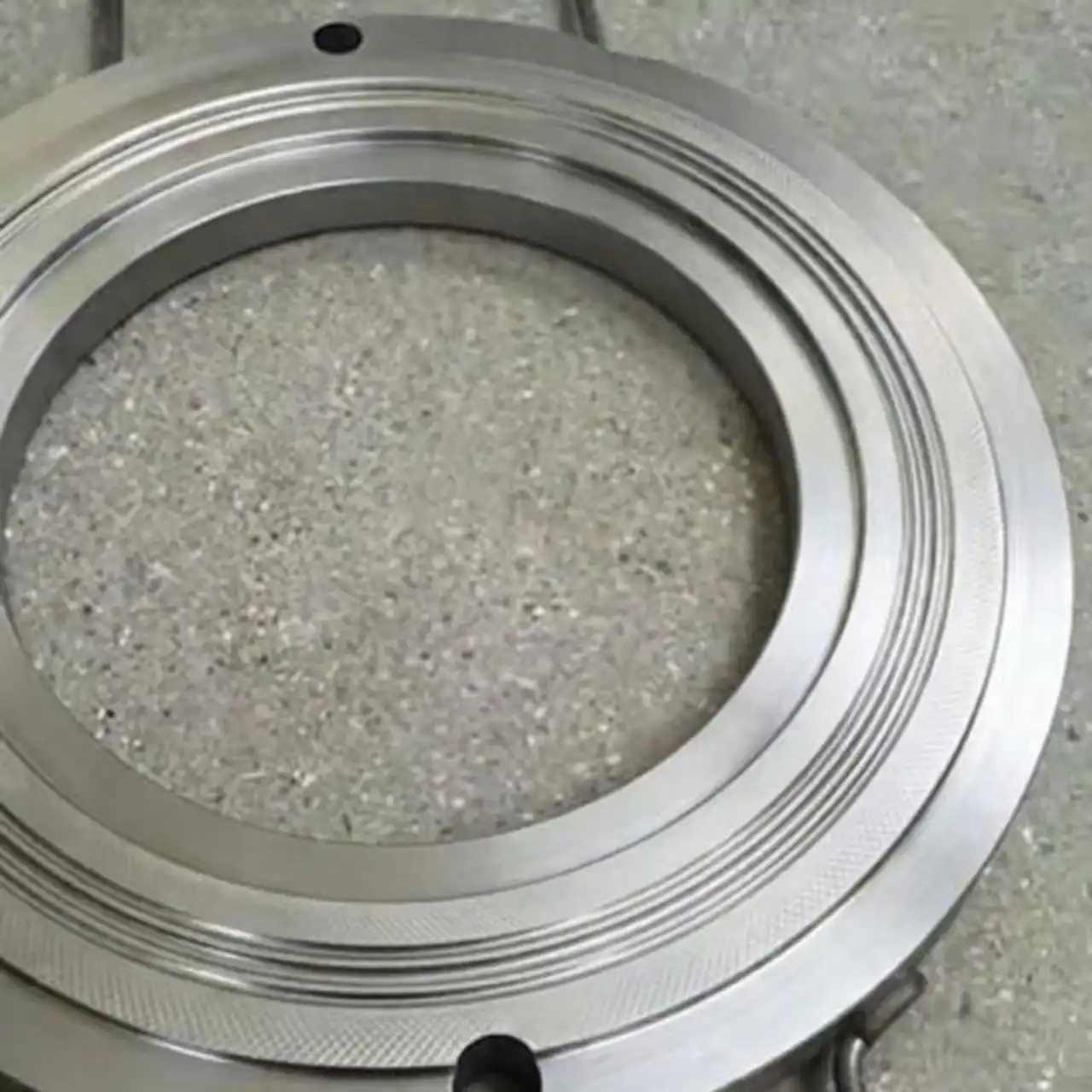
See the surface change
General metal-cleaning examples from the existing gallery. These images illustrate surface appearance; they are not a model-specific speed test or proof of suitability for every application.
See the process in motion
Watch the working distance, scanning and repositioning. The demonstration shows a general cleaning process; model configuration and your material require separate confirmation.
Evaluate the surface and the complete work cycle
Define the removal target
Send material grade, deposit information, photographs and part dimensions. State what must remain and the next manufacturing operation.
Assess a representative sample
Agree the cleaning endpoint and inspect the surface after treatment. Include edges, recesses and the most difficult contamination in the test.
Select the production package
Confirm output, cooling, scan head, extraction and site requirements. Include handling, repeat passes and inspection in your cycle-time estimate.
Confirm the scope before you order
Equipment and accessories
Request the final source, head, cooling and accessory list. Confirm what is included and what your site needs to provide.
Installation and training
Agree installation requirements, operator training and maintenance instructions for the supplied configuration.
Delivery and support
Confirm lead time, packing, warranty terms, spare parts and the model-specific documentation needed at your destination.
Questions before choosing
Practical points for precision cavity cleaning.
Can laser cleaning be used on every coated mold?
No. Coating type, condition and the residue can change the response. Review the tool coating and use an approved trial area before treating the production cavity.
What determines the cleaning rate?
Material, deposit type and thickness, laser configuration, scan settings, access and the required finish all affect output. Measure the complete cycle at an agreed cleaning endpoint.
Does laser cleaning create no waste?
Removed material still needs to be managed. Assess fumes, dust and coating residues, and provide suitable extraction and collection for the task. The process does not eliminate residue-handling responsibilities.
Discuss your application with Oceanplayer Laser
Send cavity texture and fine features, tool coating and residue and finish and dimensional acceptance. Request a model recommendation, sample evaluation and quotation for your project.